



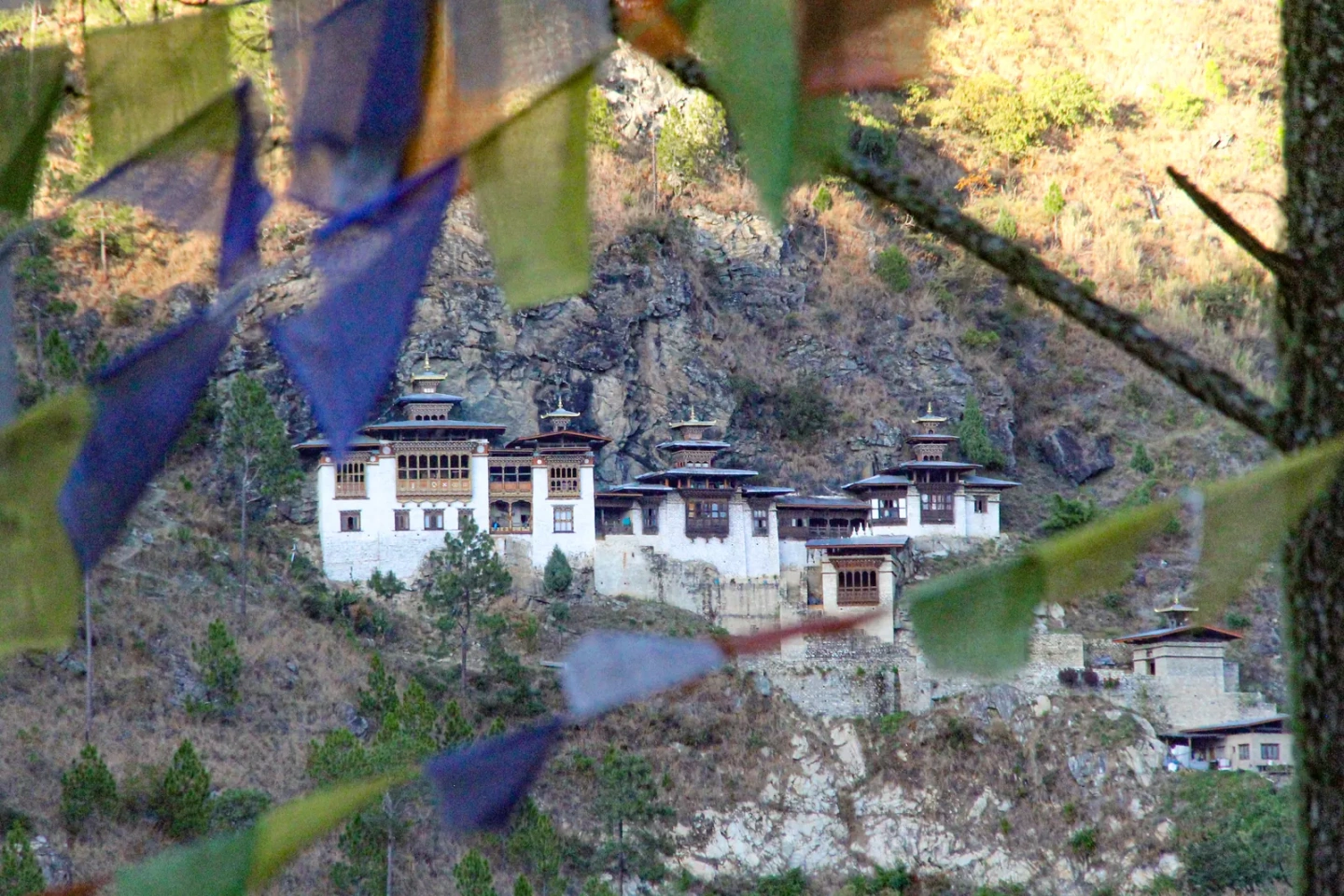





For travellers from Bangalore, Bhutan is a world away from the tech corridors and traffic: quiet valleys, cool air, prayer flags on the passes and very few crowds. Getting there takes a little planning, because there is no direct route, but once you are in Paro or Phuentsholing the rest of the trip is easy to organise.
We are a licensed Bhutanese tour operator. We do not sell fixed packages with set prices; we plan each trip around your dates, group and interests. Below you will find the routes from Bengaluru, the documents Indian travellers need, a sample week that includes the Haa and Phobjikha valleys, and how to estimate your budget.
How to get from Bangalore to Bhutan
Connect via Delhi or Kolkata and fly into Paro
The quickest way is to fly from Bengaluru to Delhi or Kolkata and connect to a Drukair or Bhutan Airlines flight to Paro. Schedules change by season, so check the timetable for your dates before booking your domestic flight. Because the Paro flights often leave early in the day and depend on the weather, we usually suggest a night in the connecting city. Our guide to flying to Bhutan from India explains the options.
Fly to Bagdogra and travel by road
Flights from Bengaluru to Bagdogra are available, some with a connection; check current schedules. From Bagdogra, the border at Phuentsholing is about 165 km away, around four and a half to five hours by road, and Thimphu is another five to six hours beyond. We can meet you at the airport with a car and driver: see Bagdogra to Bhutan car hire. The road route is slower but flexible, and many groups like the drive through the tea gardens of north Bengal.
ID, permits and guides for Bengaluru travellers
There is no visa for Indian citizens; Bhutan issues an entry permit instead. Whether you land at Paro or cross the land border at Phuentsholing, officials will want to see an Indian passport or Voter ID for every adult in the group.
- Children who have no passport can use their original birth certificate.
- Haa, Punakha and Phobjikha all lie beyond Thimphu and Paro, so under current rules this route needs a licensed guide, who handles the route permits.
- Tell us if you would prefer a Hindi-speaking guide and we will see who is free for your dates.
- Keep scans of every ID on your phone as well as carrying the originals.
Thinking of combining Bhutan with Darjeeling or Sikkim from Bagdogra? It can be done, but they are separate trips under separate rules, and parts of Sikkim have their own permit requirements, so check those independently. We arrange the Bhutan side. Our Indian travellers' guide explains the Bhutan permit in full.
Why seven nights or more works better from Bangalore
Bengaluru is the farthest of the big Indian cities from Bhutan, and the journey usually takes most of a day each way, whether you connect in Delhi or Kolkata or come by road from Bagdogra. On a short trip, a large share of your leave goes on travel. A week or more lets the long journey pay off, with time for quieter valleys such as Haa and Phobjikha.
Sample 7 day plan from Bangalore with Haa and Phobjikha
This plan suits travellers who want quieter valleys as well as the main sights. It assumes you fly into Paro on Day 1 after a night in Delhi or Kolkata.
Day 1: Arrive in Paro, Haa Valley over Chele La
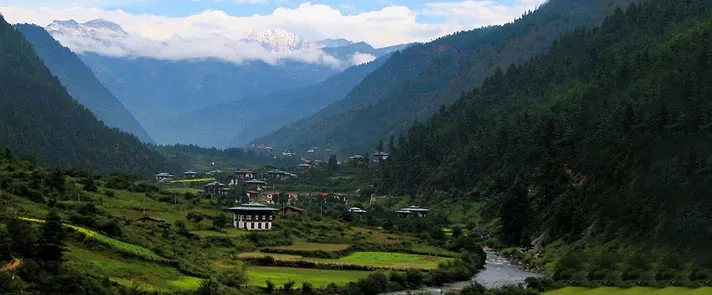
Collect your entry permit at Paro airport and meet your guide. After lunch, drive up over Chele La, the road pass of nearly 4,000 metres, and down into the Haa Valley. Overnight in Haa, which is quiet and rural. If you arrive tired, we can swap this with Day 6.
Day 2: Haa to Thimphu
Visit the white and black temples of Haa in the morning and drive to Thimphu via Chuzom, the confluence of the Haa and Paro rivers. Evening at the Memorial Chorten.
Day 3: Thimphu to Punakha
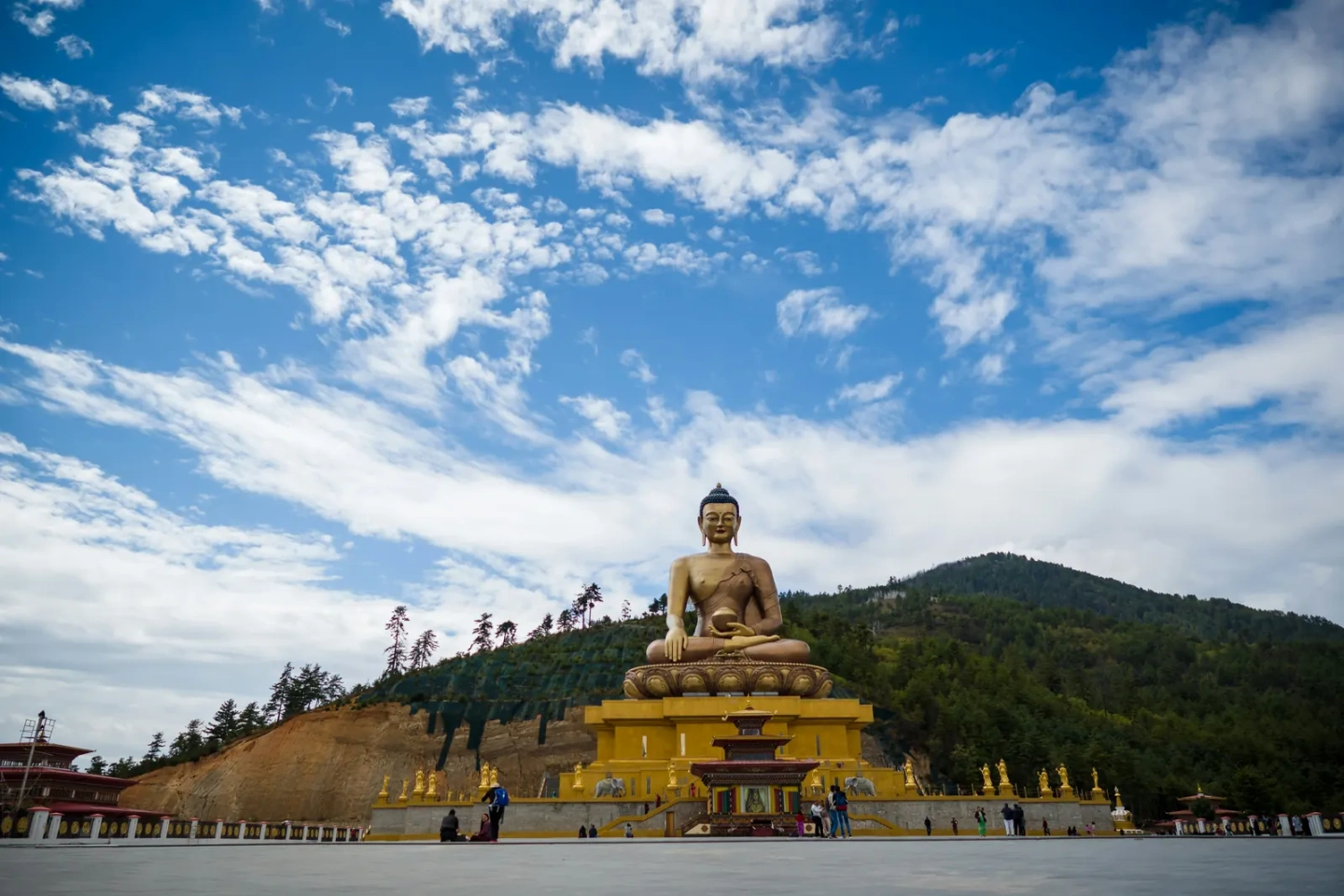
Visit Buddha Dordenma in the morning, then cross Dochula Pass to Punakha. Visit Punakha Dzong in the afternoon.
Day 4: Punakha to Phobjikha
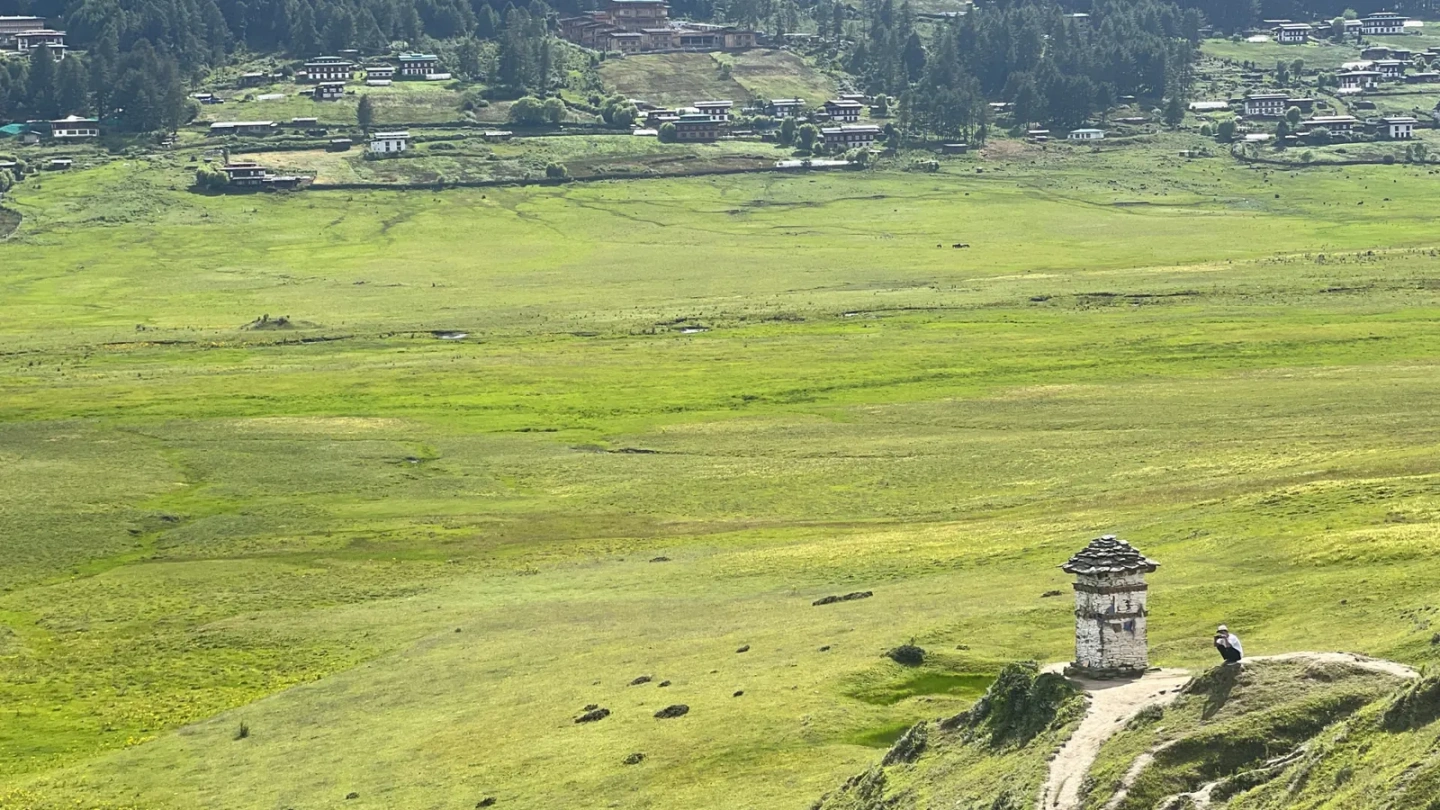
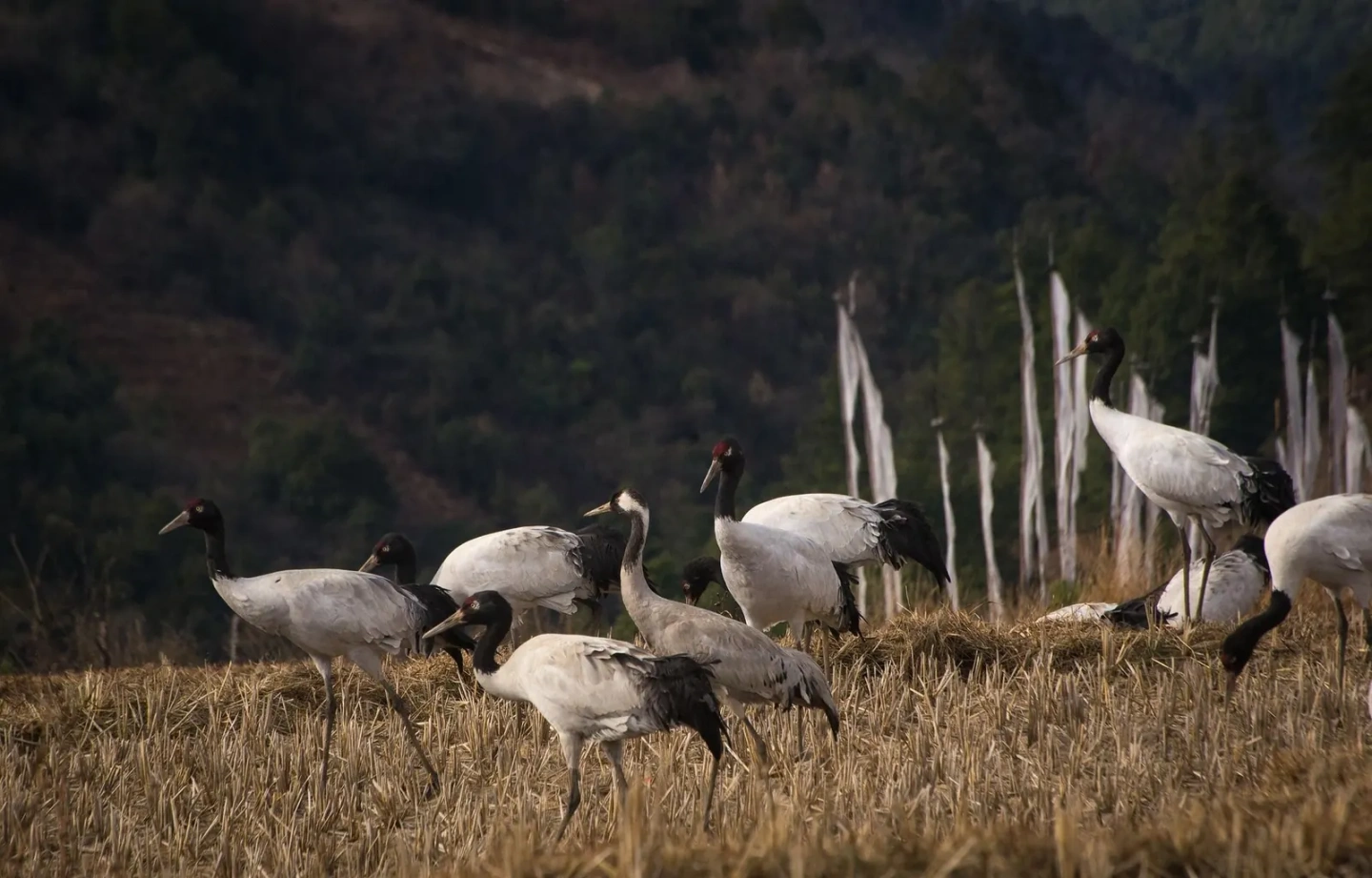
Walk to Chimi Lhakhang, then drive up to the Phobjikha Valley. Visit Gangtey Monastery and walk part of the nature trail. In winter the black-necked cranes are here.
Day 5: Phobjikha to Paro
A long drive back via Wangdue and Dochula to Paro, about six hours with stops.
Day 6: Paro valley
Visit Rinpung Dzong, the National Museum and Kyichu Lhakhang, and rest before the hike.
Day 7: Tiger's Nest hike
Hike to Paro Taktsang with our Tiger's Nest hike guide. Fly out the next morning.
If you have less time, drop Phobjikha and follow our 5 day itinerary. For a longer route into central Bhutan, see the 10 day itinerary.
Budgeting your trip from Bangalore
Domestic flights to your connecting city are a significant part of the total, so look at them early. Within Bhutan, the main costs are hotels, the car and driver, the licensed guide, meals, permits and the SDF. Indian passport and Voter ID holders pay an SDF of INR 1,200 per person per night, while most other nationalities pay USD 100 per adult per night, confirmed until 31 August 2027. Since fees can change, we confirm the rate for your travel dates. Our trip cost calculator gives a ballpark, and we follow up with a written quote that lists exactly what is included. If you are still choosing between routes, the free trip planner helps you compare.
Best time to travel from Bangalore
Autumn, from late September to November, gives clear skies and dry trails. If you want to see the black-necked cranes in Phobjikha, travel between late October and February; the crane festival is held at Gangtey in November. Spring is good for flowers and mild weather. Winter in Bhutan is much colder than anything Bangalore offers, especially in Haa and Phobjikha, so pack properly. Our best season guide and festival calendar help you choose dates.
Cash and payments
- Ngultrum and rupee trade at par, so Indian cash works in most shops and hotels.
- Big Indian notes are sometimes refused; bring smaller ones instead.
- Haa and Phobjikha have fewer ATMs than the towns, so draw cash in Paro or Thimphu first and do not depend on cards or UPI, which many smaller places do not take.
- The money guide has more on currency and ATMs.
Tips for South Indian travellers
- Bhutan is far cooler than Bangalore all year, and Haa and Phobjikha are colder still, so pack thermals, a warm jacket, a cap and gloves outside summer.
- South Indian food is harder to find than North Indian dishes, but rice is a staple and hotels can usually prepare simple dal and vegetables. See our food guide.
- Wear full sleeves and long trousers or skirts for dzongs and monasteries.
- Walk clockwise around chortens and prayer wheels, as local people do.
- Altitude can cause headaches on the first day; our altitude guide explains how to adjust gently.
- Phone coverage is good in towns and patchy on passes. Read the SIM and wifi guide.
Packing for colder valleys
Haa and Phobjikha are both around 2,700 to 3,000 metres and noticeably colder than Paro, especially at night. Bring thermals, a warm jacket, a hat and gloves outside the summer months, and good walking shoes. Our packing list covers the details, and our altitude guide explains how to adjust.
Travelling with a guide and driver
Your licensed guide and driver stay with you throughout, handle the route permits for Haa, Punakha and Wangdue, and adjust the day if the weather changes. If you would like to know more about how guiding works, see our guide hire page. Planning with friends elsewhere? See our pages for Delhi, Mumbai and Kolkata useful.
Planning a trip from Bangalore? Share your dates, interests and group details on WhatsApp +975 17661648 or write to [email protected].
Frequently asked questions
Is there a direct flight from Bangalore to Bhutan?
No. Connect via Delhi or Kolkata to Paro, or fly to Bagdogra and continue by road through Phuentsholing. Schedules change by season.
How many days should I plan from Bangalore?
Allow seven to eight days including travel. A week in Bhutan covers Haa, Thimphu, Punakha, Phobjikha and Paro comfortably.
Is the Haa Valley worth adding?
Yes, if you like quiet rural valleys. It sees fewer visitors than Paro and the drive over Chele La gives wide views on clear days.
When can we see the black-necked cranes?
Usually from late October to February in the Phobjikha Valley. Exact arrival and departure dates vary each year.
What ID do we need?
Adults show an Indian passport or Voter ID, and children with no photo ID use their birth certificate. You receive the permit when you land at Paro or at the Phuentsholing office if you come by road.
Do Indians need a guide in Bhutan?
Under current rules, a licensed guide is needed for travel beyond Thimphu and Paro, which includes Haa, Punakha and Phobjikha. We arrange this.
Is the SDF the same for everyone?
No. Indian nationals pay INR 1,200 per person per night, while most other nationalities pay USD 100 per adult per night. Fees can change, so we confirm for your dates.









