
Top Destinations
Travelers' Choice


Beyond Expeditions. Beyond Business.
Beyond Imagination.
Top Destinations
Travelers' Choice
Beyond Expeditions. Beyond Business.
Beyond Imagination.
Beyond Expeditions. Beyond Business.
Beyond Imagination.
Beyond Expeditions. Beyond Business.
Beyond Imagination.
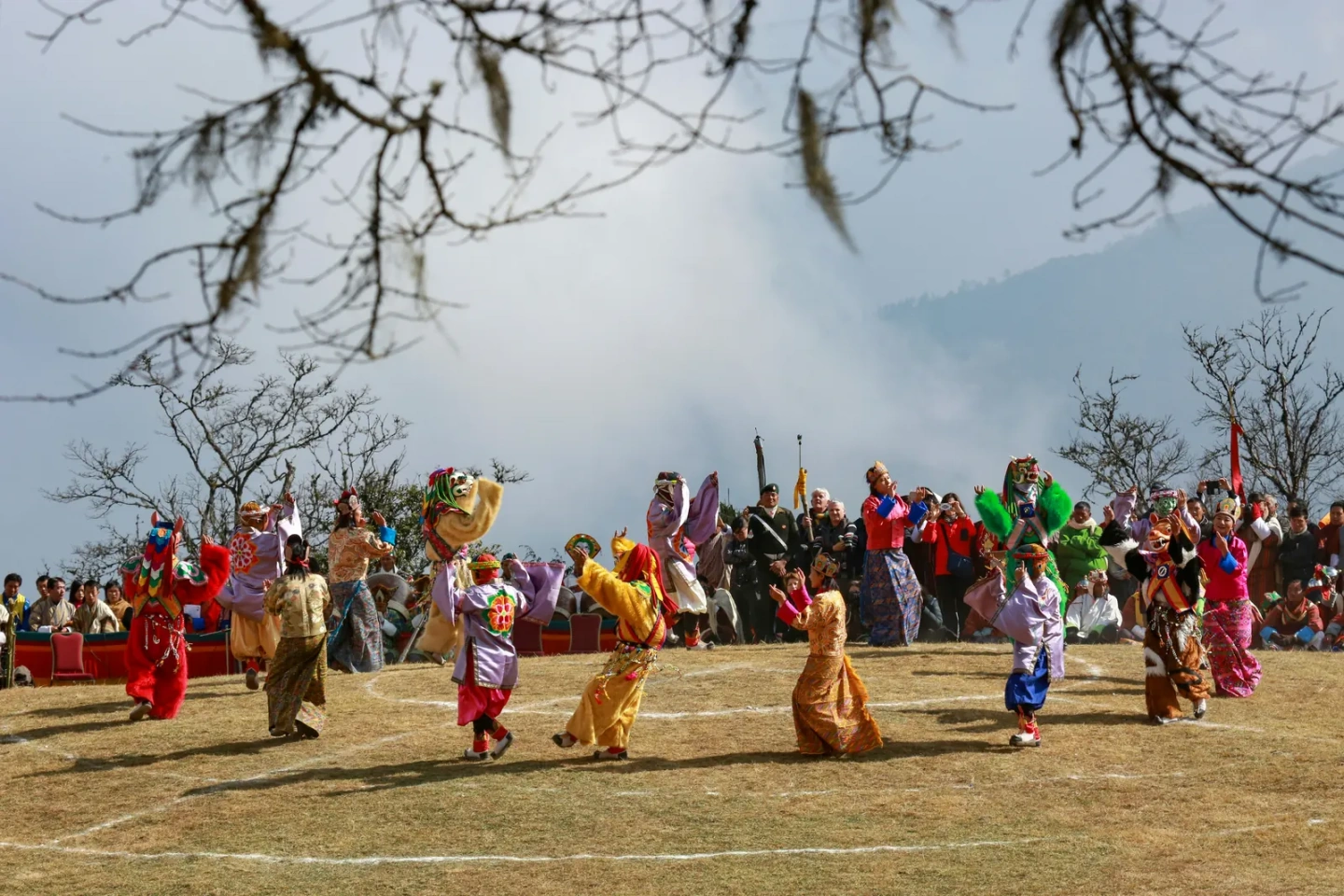
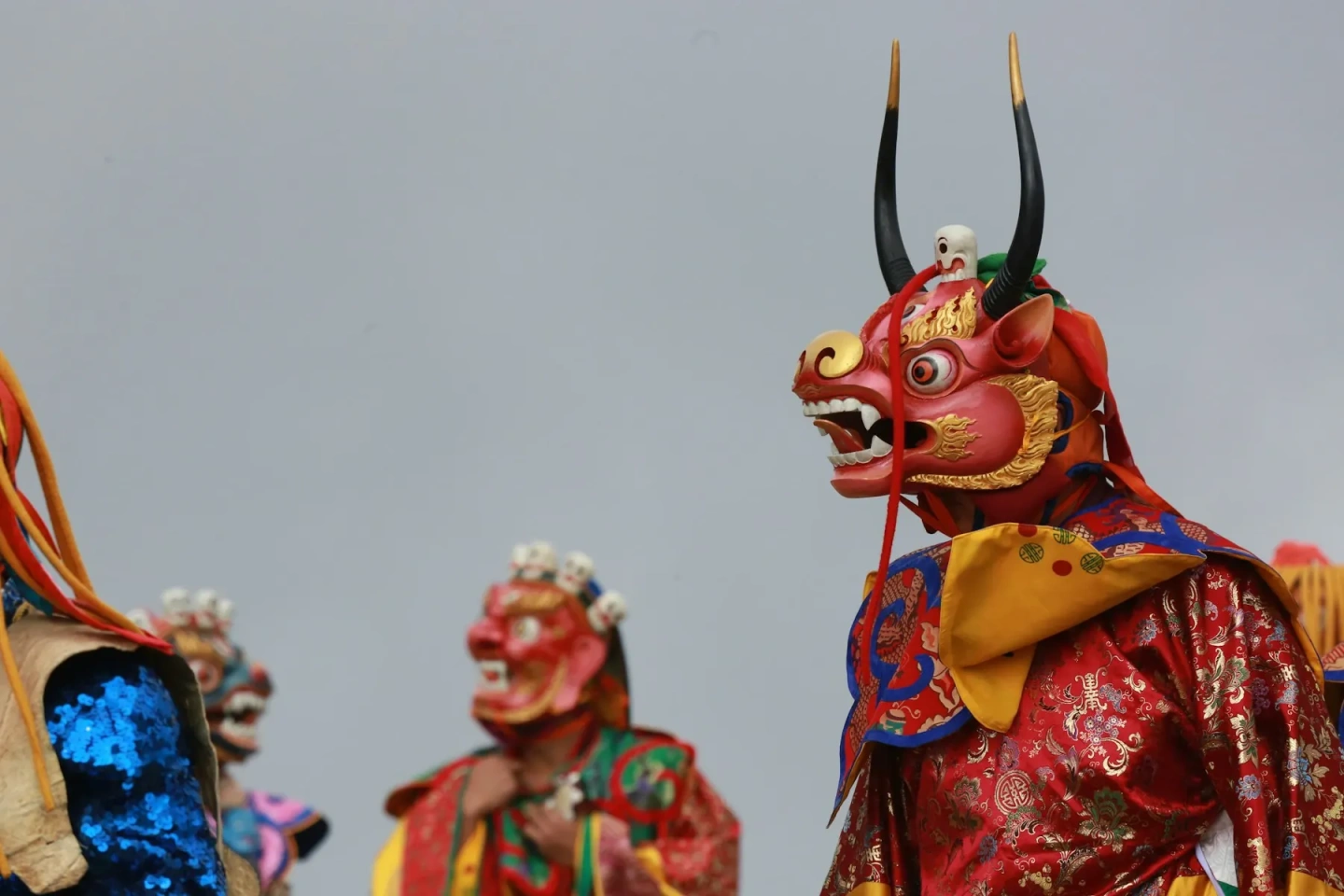
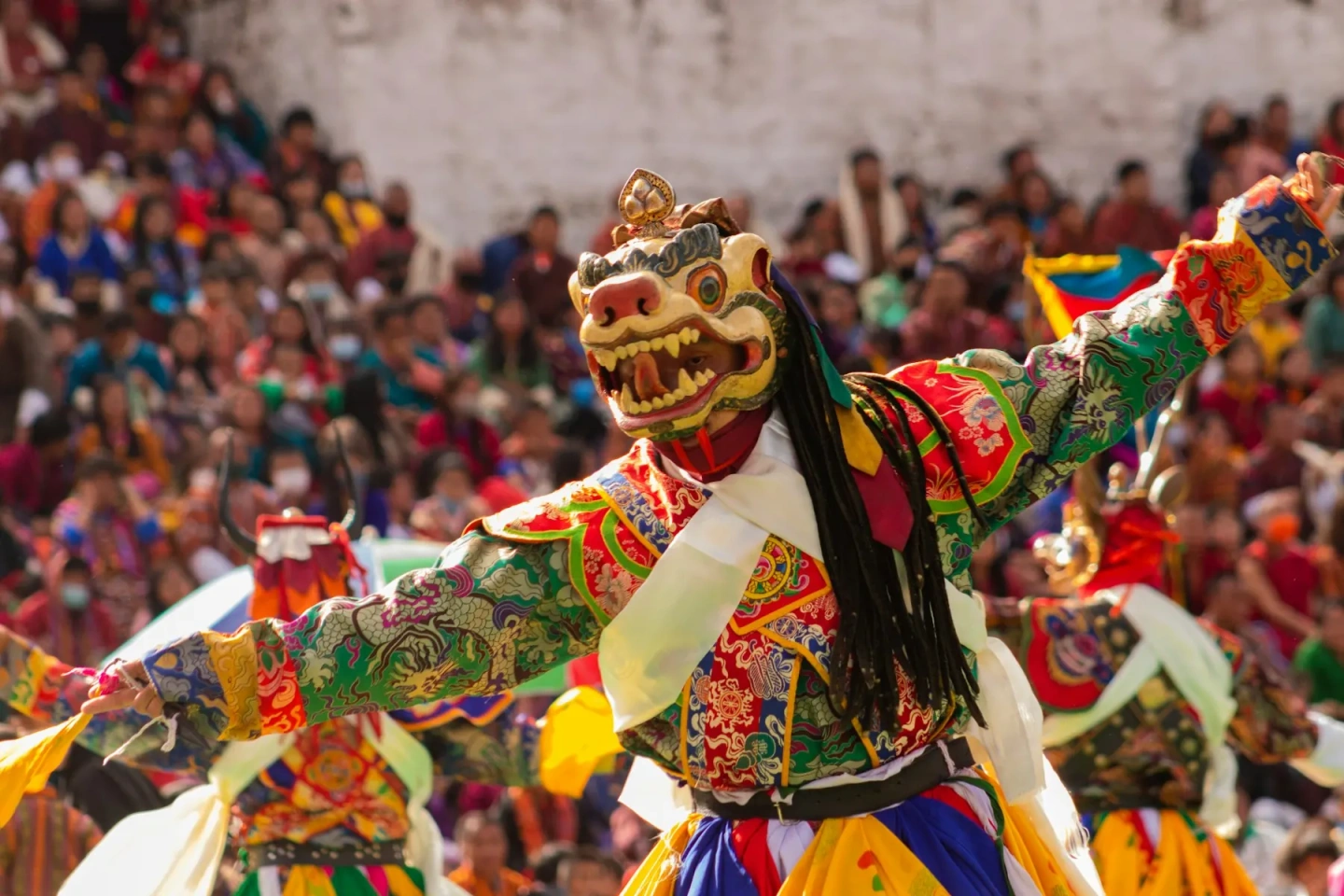
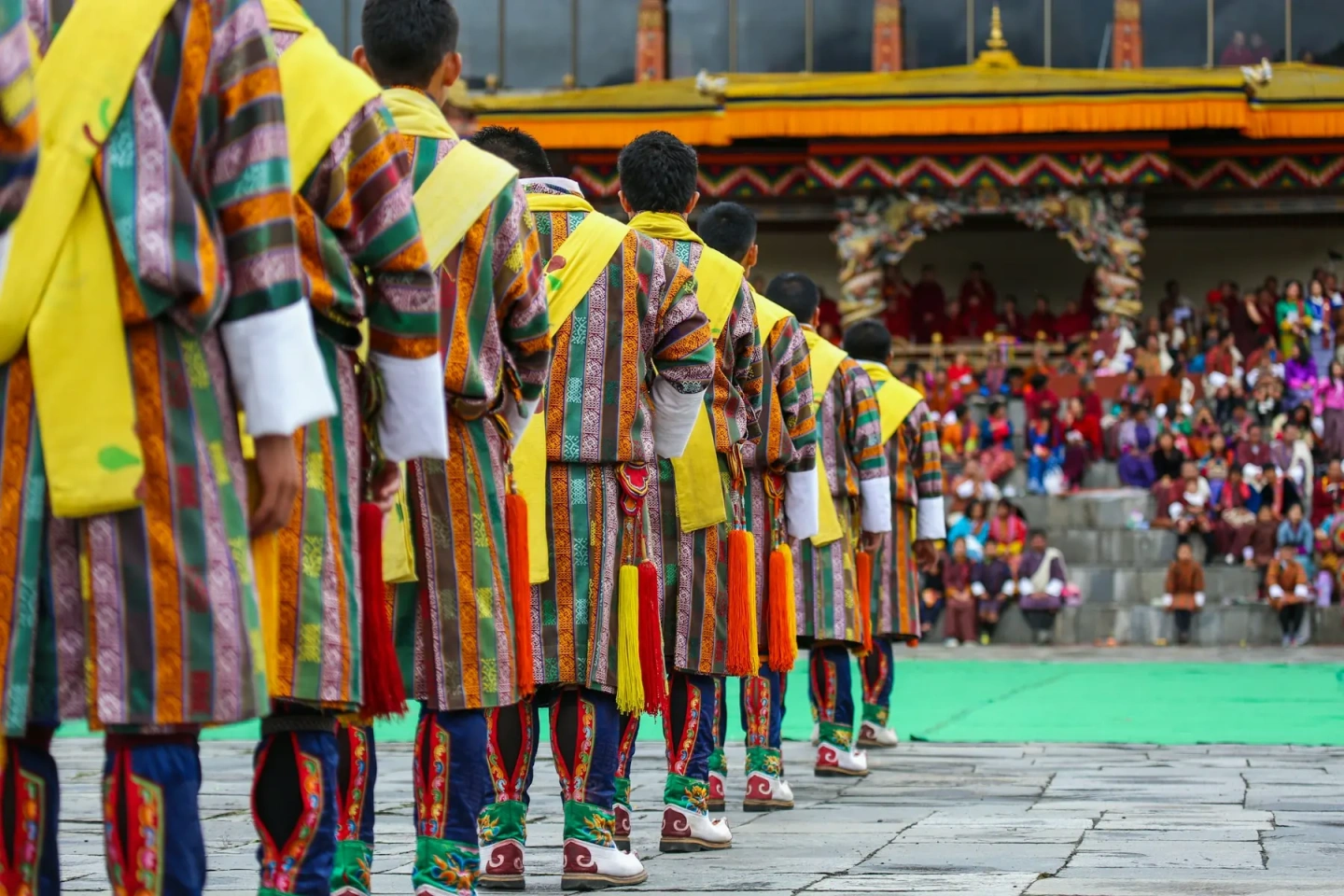
Tshechu means “tenth day”. On the tenth day of a lunar month, each district gathers in its dzong to honour Guru Rinpoche with days of masked dance. It is sacred, social and occasionally hilarious.
Learn these on the flight and you will follow the day like a regular.
An annual gathering held in dzongs and monasteries across the country. Each valley has its own, on its own dates.
Performed by monks and trained laymen. Each dance tells a story or gives a teaching. Watching is considered a blessing in itself.
Red-masked jesters who keep the crowd laughing, tease the dancers and, yes, the visitors. They are also holy men. Bhutan sees no contradiction.
A vast appliqué scroll unfurled before dawn on the final day and rolled away before the sun touches it. Seeing it is said to bring liberation.
They are the largest and the easiest to reach. They are not the only ones, and sometimes not the best ones for you.
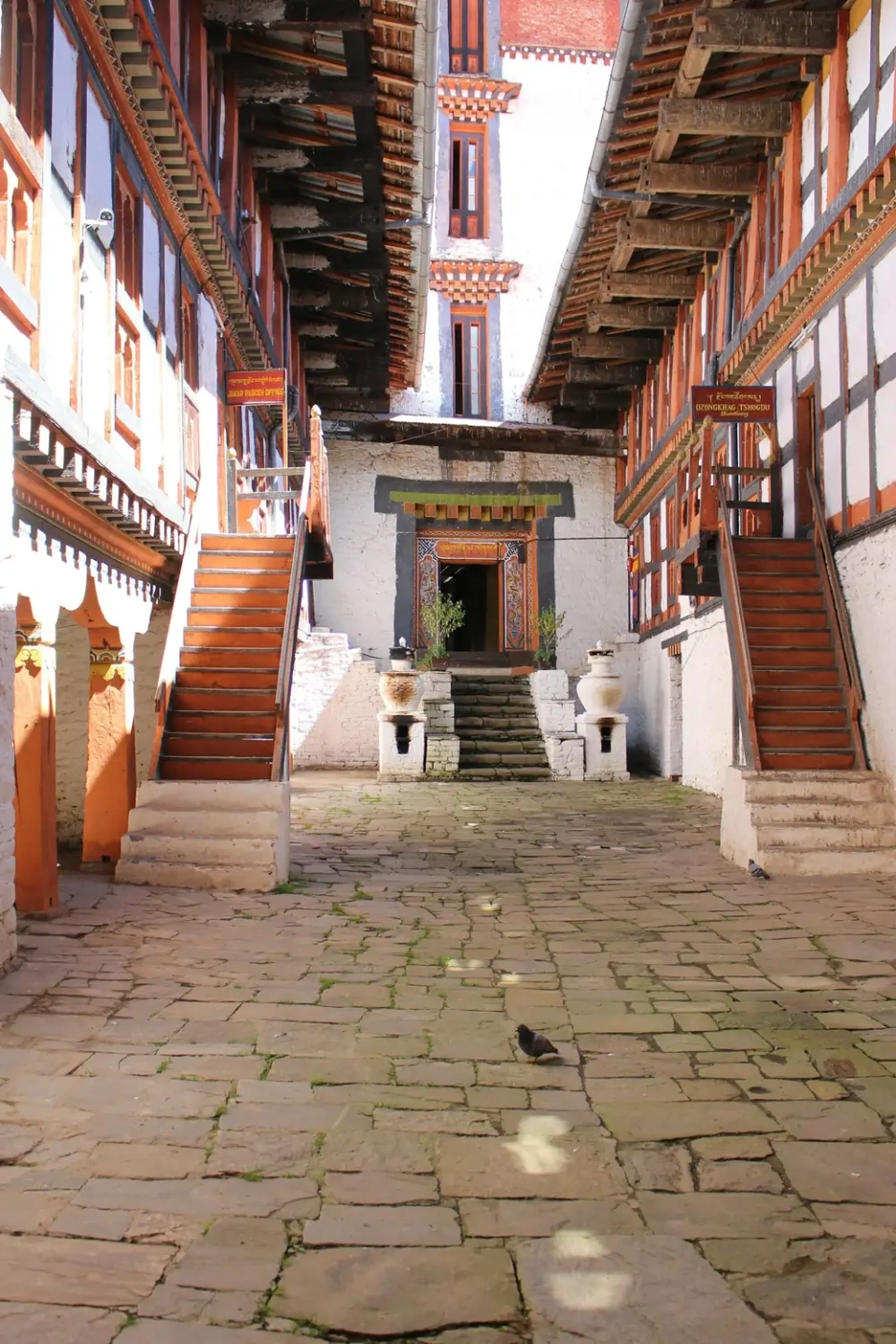
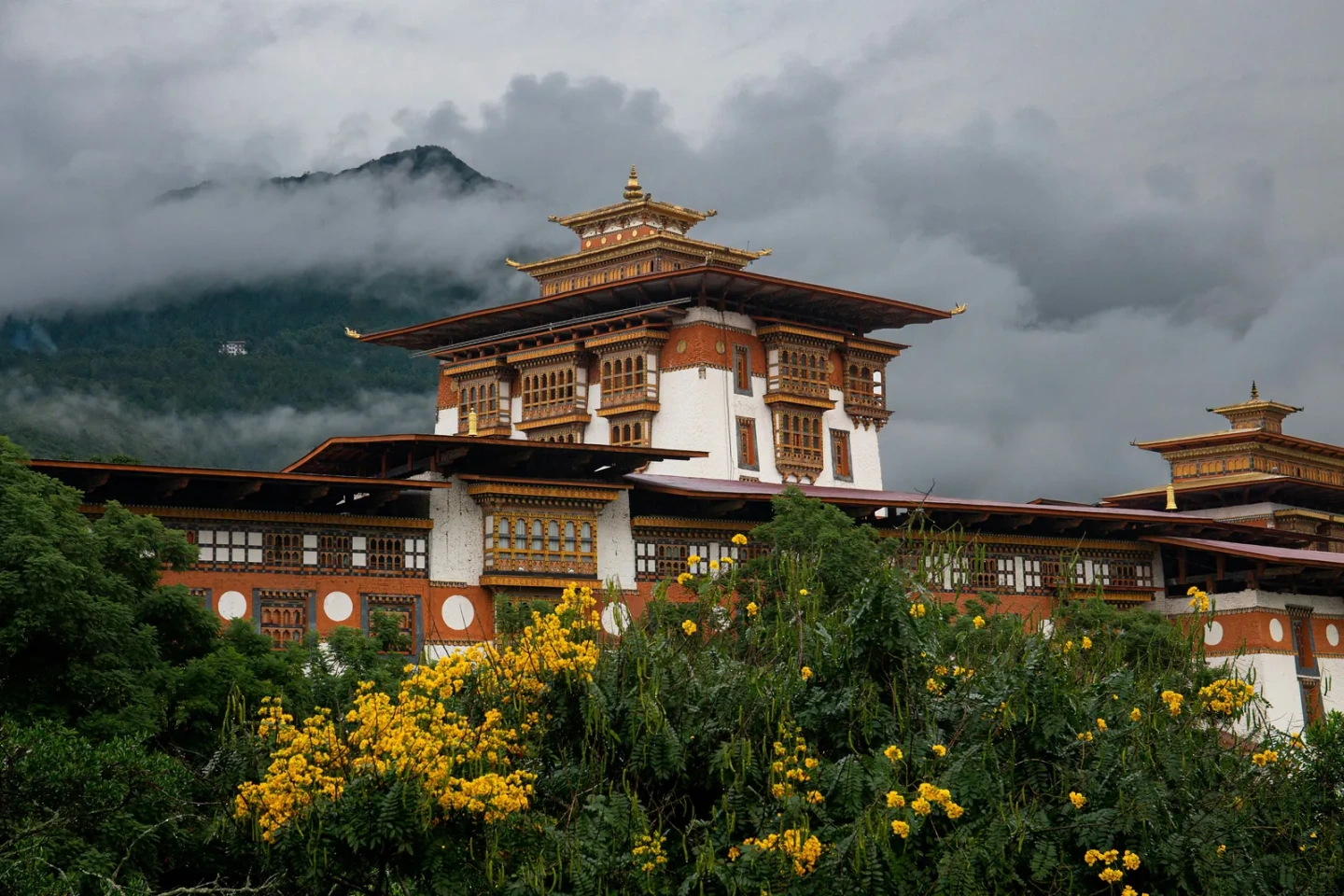
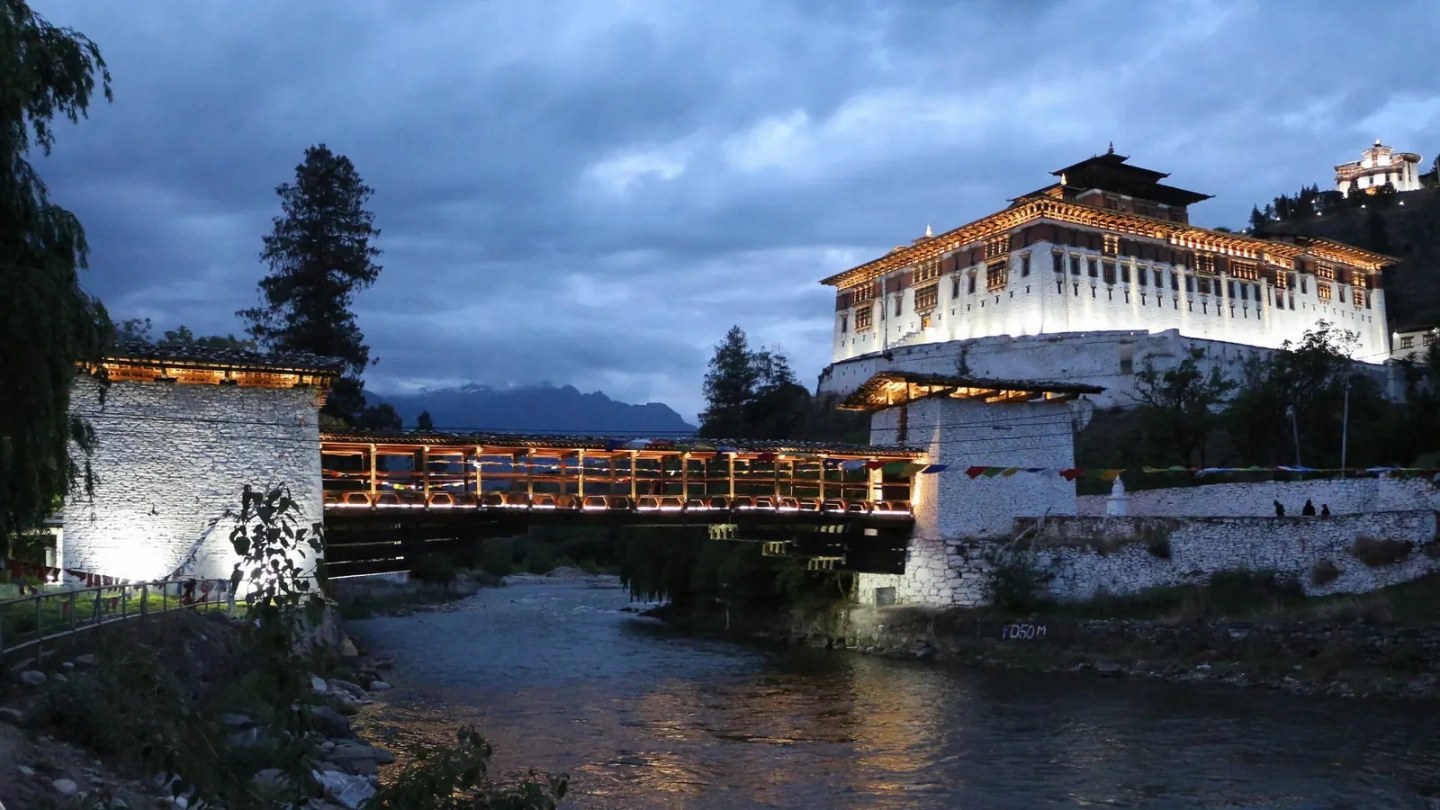
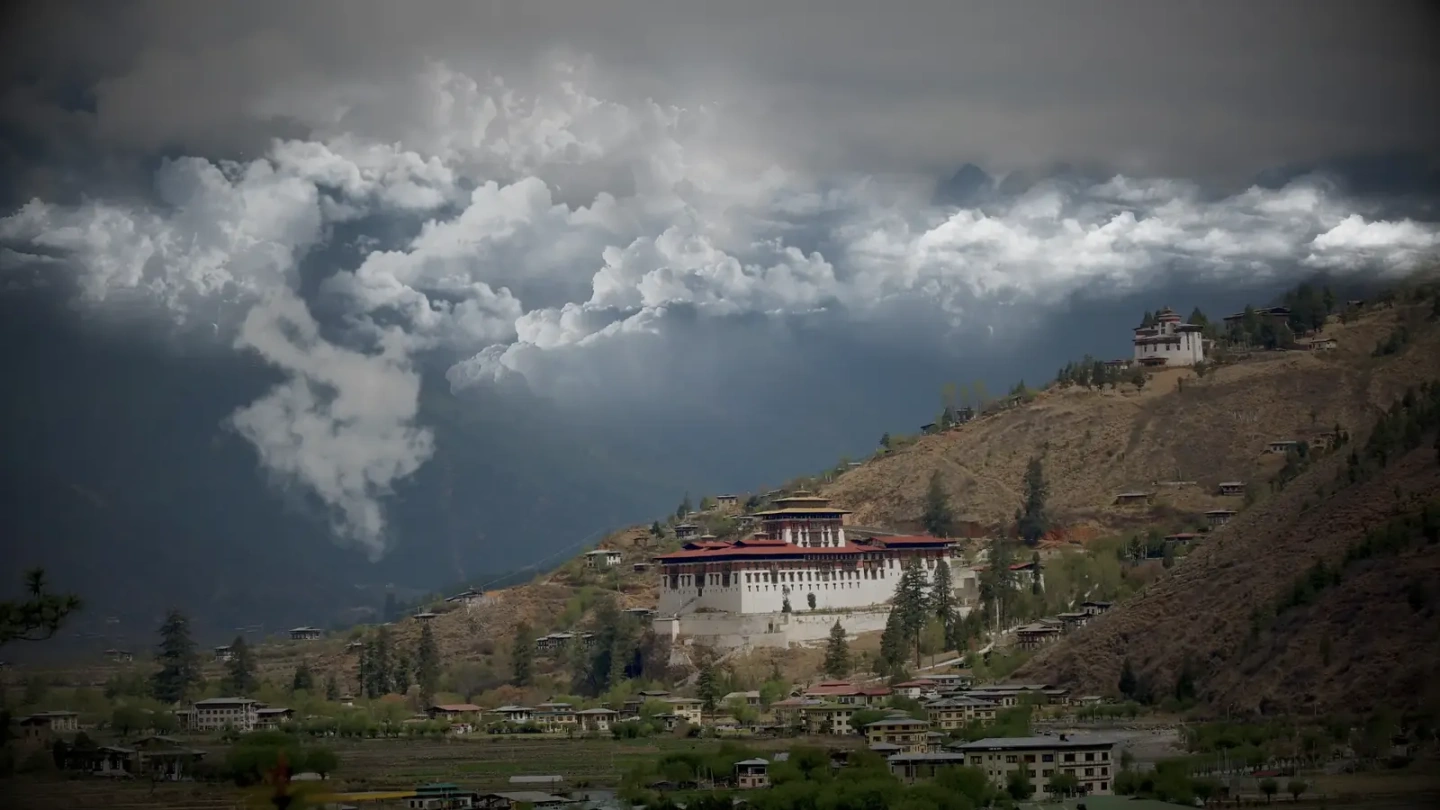
Held in spring in and around Paro’s great dzong, a short drive from the airport. It closes with the unfurling of the thongdrel in the half-light before dawn, which is worth the very early alarm.
See the dates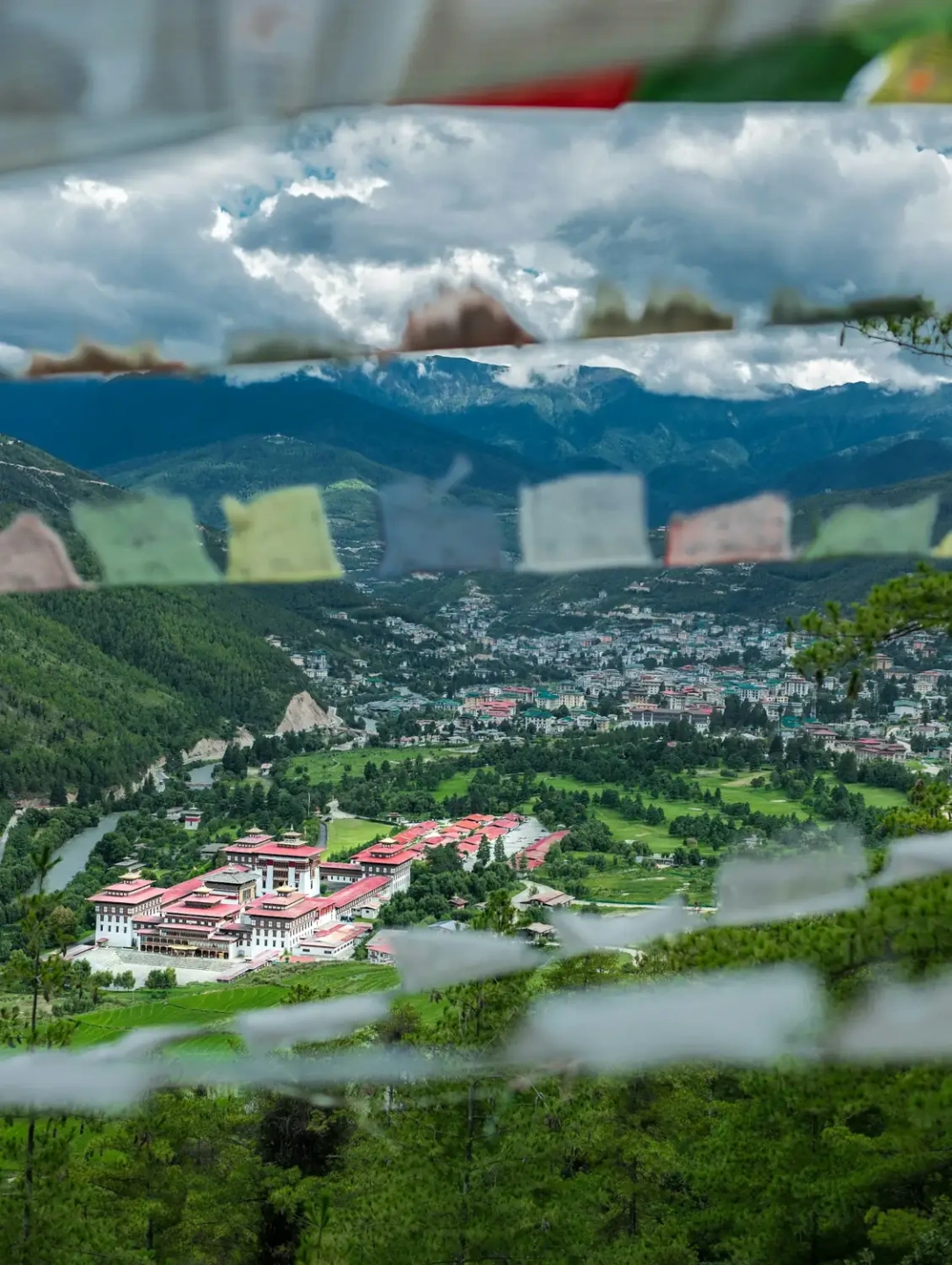
Held in autumn at Tashichho Dzong in the capital, when the skies are at their clearest. The whole city takes time off, and it shows.
See the datesPrefer fewer cameras? Ask us about the smaller village festivals in Bumthang, Punakha and the east, and the crane festival in Phobjikha each November.
“Bring a cushion, a flask and patience. The dances are long. That is the luxury.”Advice from our guides
You are a guest at someone’s religious holiday. A little care goes a long way.
Locals wear their finest. Long sleeves and covered legs are the minimum. Smart is better.
The open courtyard belongs to the dancers. Photograph from the edge, never from the middle.
And ask before taking close portraits. Most people will smile and say yes.
If a clown singles you out, a small note is the expected way to laugh along.
Festival dates fill hotels and flights months ahead. This is the one part of Bhutan that rewards planning.
Festival dates move with the lunar calendar, so check before you fix your flights.
Tell us your dates, or let us suggest a festival that fits them. We plan the days around the dances so you see the best of both.
Prefer to talk it through? Message us on WhatsApp