




Most travellers want to stay in touch while in Bhutan, whether to share photos, use maps or check in with family. The good news is that mobile coverage is decent in towns and along the main roads, and Wi-Fi is common in hotels. The less good news is that signal fades in remote valleys and on treks. This guide explains how to get a tourist SIM, what coverage to expect, and how to plan for the quieter places.
Staying connected at a glance
- Mobile operators: B-Mobile (Bhutan Telecom) and TashiCell.
- Tourist SIM: available with your passport or ID at operator outlets in towns, and sometimes at Paro airport.
- Coverage: 4G in towns and along main roads; patchy in remote valleys and on treks.
- Wi-Fi: available in most hotels, with speeds that vary.
- Roaming: possible for some visitors but can be expensive.
- Power: 230V; bring a universal adapter.
Bhutan's mobile operators
Bhutan has two mobile networks. B-Mobile is run by Bhutan Telecom, the state-owned operator, and TashiCell is the private operator. Both offer prepaid SIM cards with data packages, and both cover the main towns and highways. In some areas one network may be stronger than the other, which is why some travellers and guides carry SIMs from both.
How to buy a tourist SIM
You can buy a SIM card at B-Mobile or TashiCell outlets in towns such as Paro, Thimphu and Phuentsholing. A counter is sometimes open at Paro International Airport, though you should not count on it at every arrival time. You will need your passport, or an accepted ID for Indian visitors, and the staff will register the SIM for you.
- Bring your passport (or accepted ID) to an operator outlet.
- Ask for a tourist or prepaid SIM and a data package suited to your trip length.
- Check that the SIM works and data is active before you leave the shop.
- Keep the receipt and top-up details in case you need more data later.
Your guide can take you to an outlet on your first day so that you are connected early in the trip. Make sure your phone is unlocked before you travel, otherwise a local SIM may not work in it.
eSIM options
eSIM options exist for some visitors, through international eSIM providers or local operators. Availability and coverage can change, so check availability before you travel and confirm that your phone supports eSIM. If you rely on an eSIM, it is still sensible to have Wi-Fi or a local SIM as a backup.
Mobile coverage: what to expect
In Thimphu, Paro, Punakha and other towns you can generally expect 4G data that is good enough for messaging, maps and uploading photos. Along the main highways coverage is usually available, with gaps on high passes and in deep river gorges. In remote valleys and small villages the signal can be weak or absent for stretches.
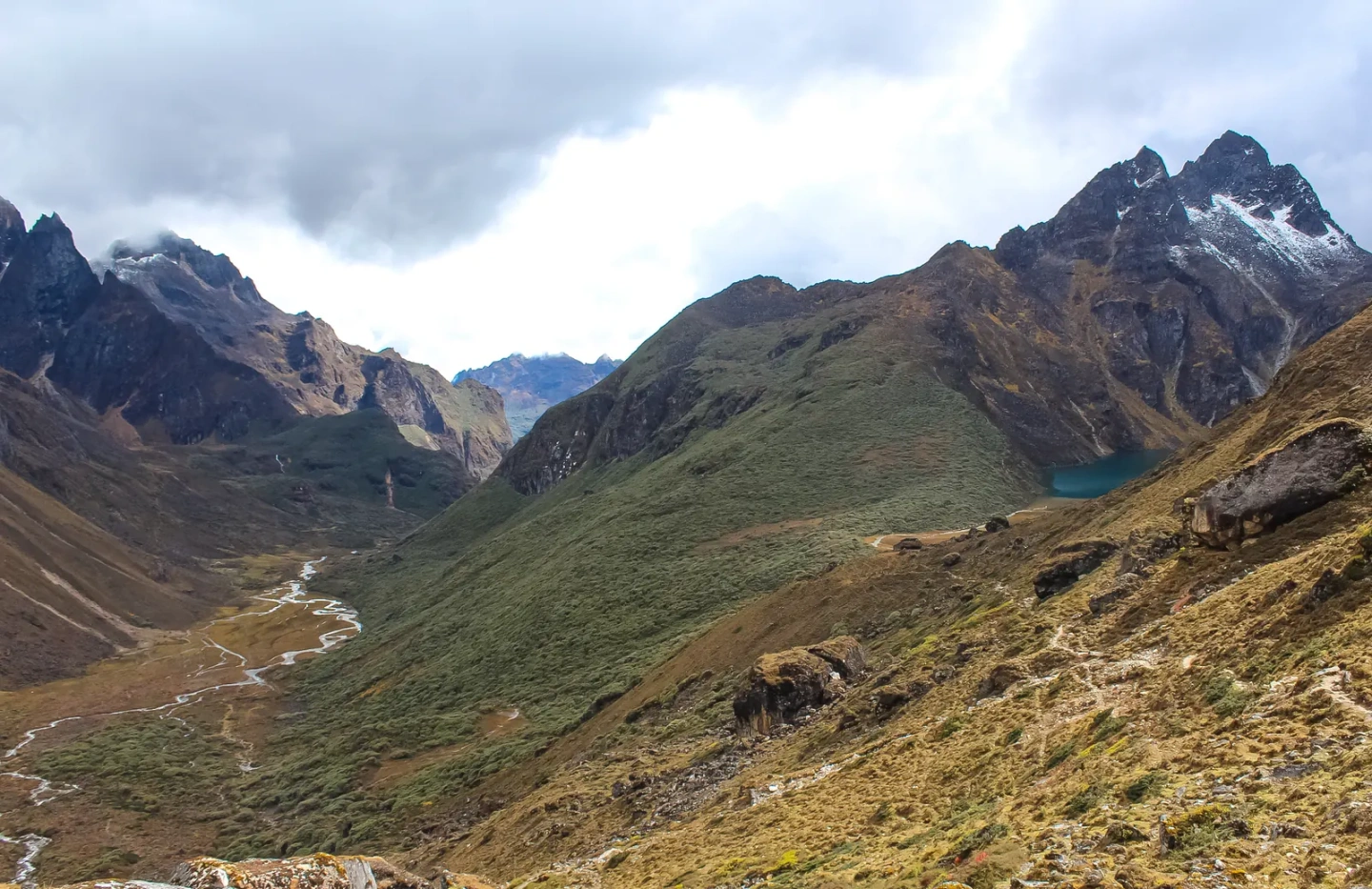
On treks, assume you will be out of reach for much of the time. Some camps may catch a faint signal on a ridge, but you should not plan around it. Tell family and colleagues in advance when you will be offline, and share your itinerary so they know when to expect you back in range. Our trekking tours page has more on what trekking days look like.
Wi-Fi in hotels and cafés
Most hotels in Bhutan offer Wi-Fi, usually free for guests. Speeds vary a great deal: some hotels in Thimphu and Paro have reliable connections, while rural lodges and farmhouses may have slow or intermittent service, sometimes only in the lobby. Some cafés in the larger towns also offer Wi-Fi.
If you need to work during your trip, let us know when you plan your itinerary so we can suggest hotels with steadier connections and build in time in the larger towns. Video calls are possible in good conditions, but do not schedule anything critical without a backup plan.
Roaming for Indian and international visitors
Indian roaming may work near the border and in some towns, but it can be expensive and coverage is not guaranteed. Check with your Indian carrier about roaming packs and charges for Bhutan before you travel. For international visitors, roaming charges in Bhutan can be high, so a local SIM is usually the more practical choice.
Visitors coming overland or by air from India will find more on routes and paperwork in our guide to flying to Bhutan from India.
Connectivity on popular routes
On a typical cultural tour you will be connected for most of each day. The drive from Paro to Thimphu follows the river along a main road with good coverage, and both towns have reliable 4G in most areas. The road over Dochula to Punakha usually has signal, though it can drop on the climb and in a few bends of the valley. Punakha and Wangdue are generally well covered.
Further east, towards Phobjikha, Trongsa and Bumthang, coverage is more variable. The towns themselves usually have signal, but long stretches of road over high passes can be quiet. In the Haa Valley, Chele La and the more remote side valleys, expect gaps. Hikes such as Tiger's Nest normally have some signal on the trail, but do not rely on it for navigation; you will be with your guide in any case.
If staying connected matters for your work or family, tell us when planning. We can schedule longer stays in towns with steadier coverage and keep the remote days clearly marked in your itinerary.
Power sockets and charging
Bhutan uses 230V electricity. Socket types D, F and G can all be found, and in practice Indian-style and European two-pin plugs are common. Bring a universal adapter, and check that your chargers support 230V, which most modern phone and laptop chargers do.
- Bring a universal travel adapter.
- Carry a power bank for long drive days and treks.
- Charge devices whenever you can in rural areas, as power cuts can happen.
- A small extension lead is handy if your room has few sockets.
Our travel essentials list has more suggestions on electronics and other items to pack.
Practical tips for staying connected
- Download offline maps before leaving Thimphu or Paro.
- Save important documents, such as your visa or permit, offline on your phone.
- Back up photos when you have Wi-Fi, especially before a trek.
- Use messaging apps that work on low bandwidth.
- Keep your banking apps working; see our money in Bhutan guide for payments.
Being a little less connected is part of the charm for many visitors. Long drives over mountain passes and evenings in quiet valleys are a good chance to put the phone away. For other practical questions, see our travel FAQ or our Bhutan safety guide.
Need help planning a connected trip? Message us on WhatsApp +975 17661648 or email [email protected]. We reply with a tailored itinerary and quote.
Frequently asked questions
Can tourists buy a SIM card in Bhutan?
Yes. Tourist SIMs from B-Mobile and TashiCell are available with your passport or accepted ID at operator outlets in towns, and sometimes at Paro airport.
Which mobile network is best in Bhutan?
Both B-Mobile and TashiCell cover the main towns and highways. Coverage varies by area, so ask your guide which works better on your route.
Is there 4G in Bhutan?
Yes, in towns and along main roads. Coverage becomes patchy in remote valleys and is limited on most treks.
Do hotels in Bhutan have Wi-Fi?
Most hotels do, usually free for guests. Speeds vary and rural lodges may have slower or intermittent connections.
Will my Indian SIM work in Bhutan?
Indian roaming may work near the border and in some towns, but it can be expensive. Check with your Indian carrier before you travel.
Can I use an eSIM in Bhutan?
eSIM options exist for some visitors. Check availability and compatibility before you travel, and keep Wi-Fi or a local SIM as a backup.
What plugs are used in Bhutan?
Bhutan uses 230V. Indian-style and European two-pin plugs are common, and some sockets take other types, so bring a universal adapter.