




Bhutan is one of the safest countries in Asia for travellers. Crime is very low, people are courteous and the culture places great value on respect and calm. Most of the practical risks come from the landscape rather than from people: winding mountain roads, altitude and changeable weather. This guide covers what to know, from personal safety and solo female travel to health, emergency numbers and insurance.
Bhutan safety at a glance
- Crime: very low; violent crime against visitors is rare.
- Guide: a licensed guide accompanies you outside Thimphu and Paro.
- Main risks: mountain roads, monsoon landslides, altitude, weather and sun.
- Emergency numbers: police 113, fire 110, ambulance 112.
- Water: drink bottled, boiled or filtered water.
- Insurance: recommended, including emergency evacuation.
Personal safety and crime
Crime against visitors in Bhutan is very rare. Petty theft is uncommon, though it makes sense to take the same everyday care you would anywhere: keep valuables in your hotel, do not leave bags unattended in busy places, and keep an eye on your phone and camera at crowded festivals.
Bhutanese culture is gentle and respectful, and most visitors find people helpful and friendly. You will also travel with a licensed guide for the parts of your trip outside Thimphu and Paro, which means there is always someone who knows the area, speaks the language and can help if anything goes wrong.
Solo female travellers
Women travelling alone generally feel comfortable in Bhutan. Harassment is uncommon, and having a guide and driver adds a layer of support. Solo travel in Bhutan is relaxed and welcoming for many visitors. If you have a preference for your guide, including a female guide, tell us when you book and we will tell you what is possible for your dates.
Dress modestly when visiting temples, dzongs and other religious sites: long sleeves and long skirts or trousers, with shoulders covered. This is about respect rather than safety, but it helps you feel at ease. Our guide to the gho and kira explains Bhutan's national dress and what visitors wear.
Roads and driving
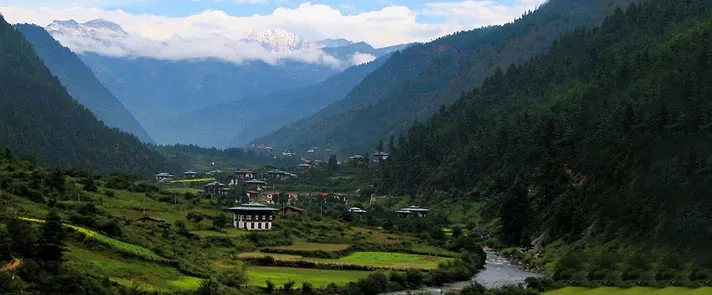
Bhutan's roads are the most important safety consideration for most visitors. Highways wind through steep valleys and over high passes, with sharp bends and long drops. Drivers are experienced on these roads, but journeys take longer than distances suggest, and it is worth accepting a slower pace.
During the monsoon, roughly June to September, heavy rain can cause landslides and road blocks. Roads are usually cleared quickly, but delays happen, and sometimes a route must change. Building some flexibility into your itinerary helps. Our best time to visit Bhutan guide explains the seasons, and our car rental with driver page covers how drivers handle these roads.
- Wear your seatbelt on every journey.
- Take motion sickness remedies if you are prone to it on winding roads.
- Allow extra time in the monsoon months.
- Trust your driver's judgement if they advise waiting for a road to clear.
Altitude, weather and sun
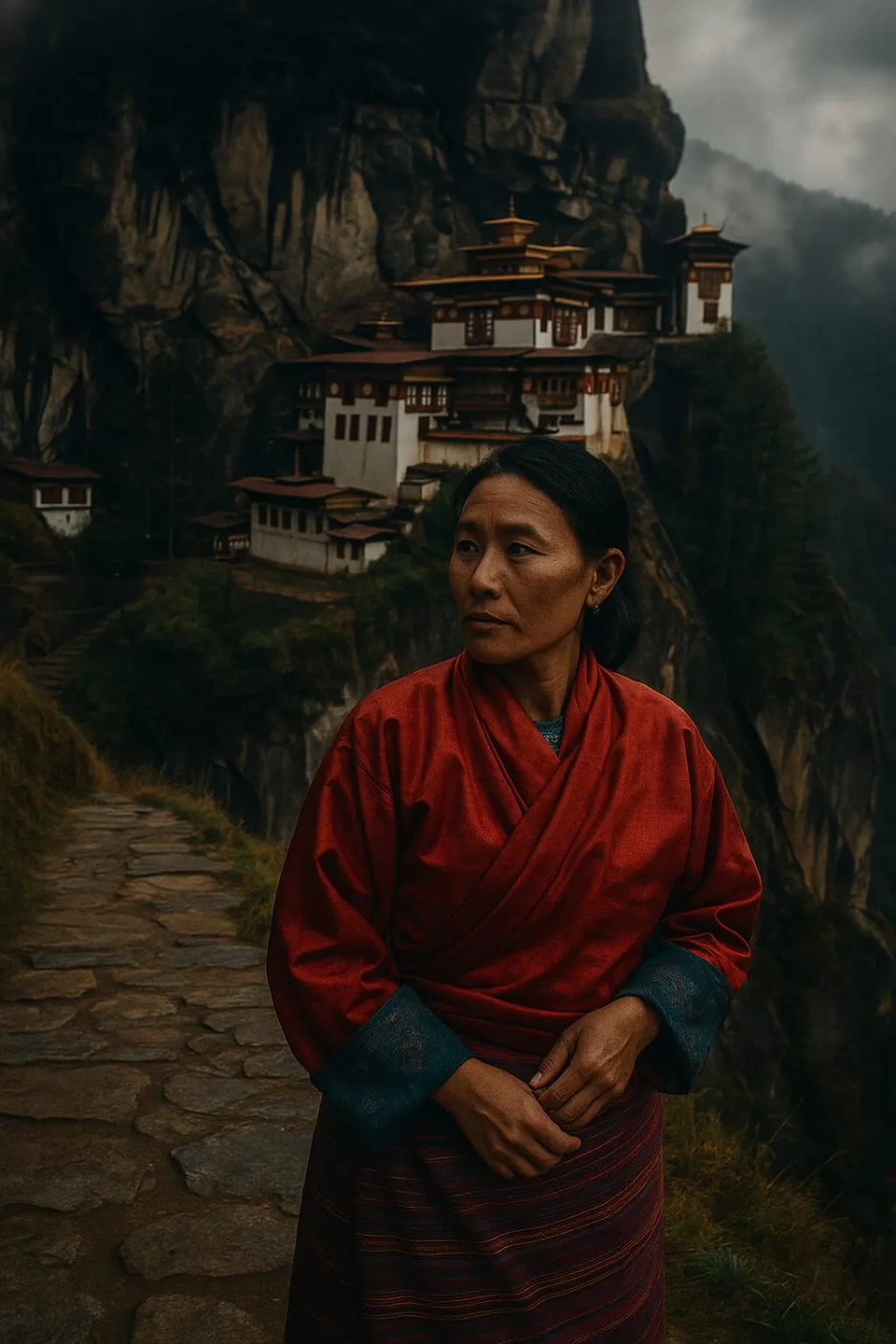
Much of Bhutan lies at moderate altitude. Paro and Thimphu sit at around 2,300 m, and popular sights such as Tiger's Nest and Dochula Pass are around 3,100 m. Mild symptoms such as headaches or breathlessness are possible on the first day or two. Our altitude sickness in Bhutan guide explains how to reduce the risk and what to do if you feel unwell.
Mountain weather changes quickly. Even on a warm day, high passes can be cold and windy, and rain can arrive suddenly. Pack layers and a waterproof. The sun is strong at altitude, so wear sunscreen, sunglasses and a hat, even when it does not feel hot. Check our travel essentials list before you go.
Stray dogs
Like many countries in the region, Bhutan has stray dogs, particularly in towns. Most are calm and ignore people during the day. At night they can bark a great deal, so earplugs are useful if you are a light sleeper. Avoid approaching or feeding dogs, and if you walk around town after dark, stay on lit streets and keep a calm distance from any pack. If you are bitten or scratched, seek medical advice promptly.
Health care and hospitals
The main hospital is the Jigme Dorji Wangchuck National Referral Hospital (JDWNRH) in Thimphu. Each district has a hospital or health centre, and basic health care is available across the country. For serious cases, patients may need to be transferred to Thimphu or, in some situations, abroad.
Bring enough of any regular medication for your whole trip, plus a basic first-aid kit with plasters, pain relief and anything you usually take for stomach upsets. Speak to your doctor or travel clinic before you travel about vaccinations and any health concerns.
Food and water
Do not drink tap water in Bhutan. Drink bottled, boiled or filtered water instead; many hotels provide drinking water, and a refillable bottle with a filter is a good way to reduce plastic. Food in hotels and restaurants is generally safe. If you are not used to chilli, take it slowly, as Bhutanese dishes can be very spicy. Our Bhutanese food guide explains what to expect.
Respect and local etiquette
Part of feeling safe and welcome is knowing the local customs. Walk clockwise around chortens, temples and prayer wheels. Remove your hat and shoes where asked inside temples, and follow your guide's lead on photography, which is not allowed inside many temples and dzong shrine rooms. Do not point your feet at altars or sit with your back to them. Smoking in public places is restricted, so ask before lighting up.
Bhutanese people are generally reserved and polite. A friendly greeting of "kuzuzangpo la" goes a long way, and a calm manner is appreciated if something goes wrong. Your guide will gently explain what is expected at each site.
Emergency numbers in Bhutan
- Police: 113
- Fire: 110
- Ambulance: 112
In practice, your guide will usually be the first person to call in any situation, as they can contact services, translate and help with arrangements. Save their number and ours in your phone. For staying connected, see our guide to SIM cards and Wi-Fi in Bhutan.
Travel insurance
Travel insurance is strongly recommended for any trip to Bhutan. Make sure your policy covers medical treatment and emergency evacuation, including from remote mountain areas. If you plan to trek, check that your policy covers trekking at the altitudes you will reach. Keep a copy of your policy details on your phone and on paper.
Money and valuables
Carry only the cash you need each day and leave the rest in your hotel. ATMs are limited outside the main towns, so plan ahead. Our money in Bhutan guide covers currency, cards and how much cash to bring.
Have a question about travelling safely? Message us on WhatsApp +975 17661648 or email [email protected]. We reply with a tailored itinerary and quote.
Frequently asked questions
Is Bhutan safe for tourists?
Yes. Bhutan has very low crime and a respectful culture. The main risks are mountain roads, altitude and weather rather than crime.
Is Bhutan safe for solo female travellers?
Women travelling alone generally feel comfortable in Bhutan. Harassment is uncommon and a guide accompanies you outside Thimphu and Paro. Dress modestly at religious sites.
What are the emergency numbers in Bhutan?
Police 113, fire 110 and ambulance 112. Your guide is usually the quickest first contact, as they can call services and help translate.
Can I drink tap water in Bhutan?
No. Drink bottled, boiled or filtered water. Many hotels provide drinking water and a filter bottle is a good option.
Is it safe to travel in Bhutan during the monsoon?
Yes, with some flexibility. From roughly June to September, rain can cause landslides and road delays. Roads are usually cleared, but allow extra time.
Do I need travel insurance for Bhutan?
It is strongly recommended. Choose a policy that covers medical treatment and emergency evacuation, and trekking at altitude if you plan to trek.
Are stray dogs a problem in Bhutan?
Most dogs are calm by day but bark at night. Do not approach or feed them, and seek medical advice promptly after any bite or scratch.