Bhutan is a mountain kingdom, and many visitors wonder whether altitude will affect them. For most cultural tours the answer is reassuring: the main towns sit at moderate altitude, and serious altitude sickness is uncommon on standard itineraries. Treks are a different matter and need careful planning. This guide explains the altitudes you will meet, the symptoms to watch for and how a well designed itinerary helps your body adjust.
This guide is general information, not medical advice. Please speak to your doctor before travelling, especially if you have a heart or lung condition or other health concerns.
Key altitudes in Bhutan
- Paro: around 2,200 to 2,300 m.
- Thimphu: around 2,300 m.
- Punakha: around 1,200 to 1,300 m, lower and warmer.
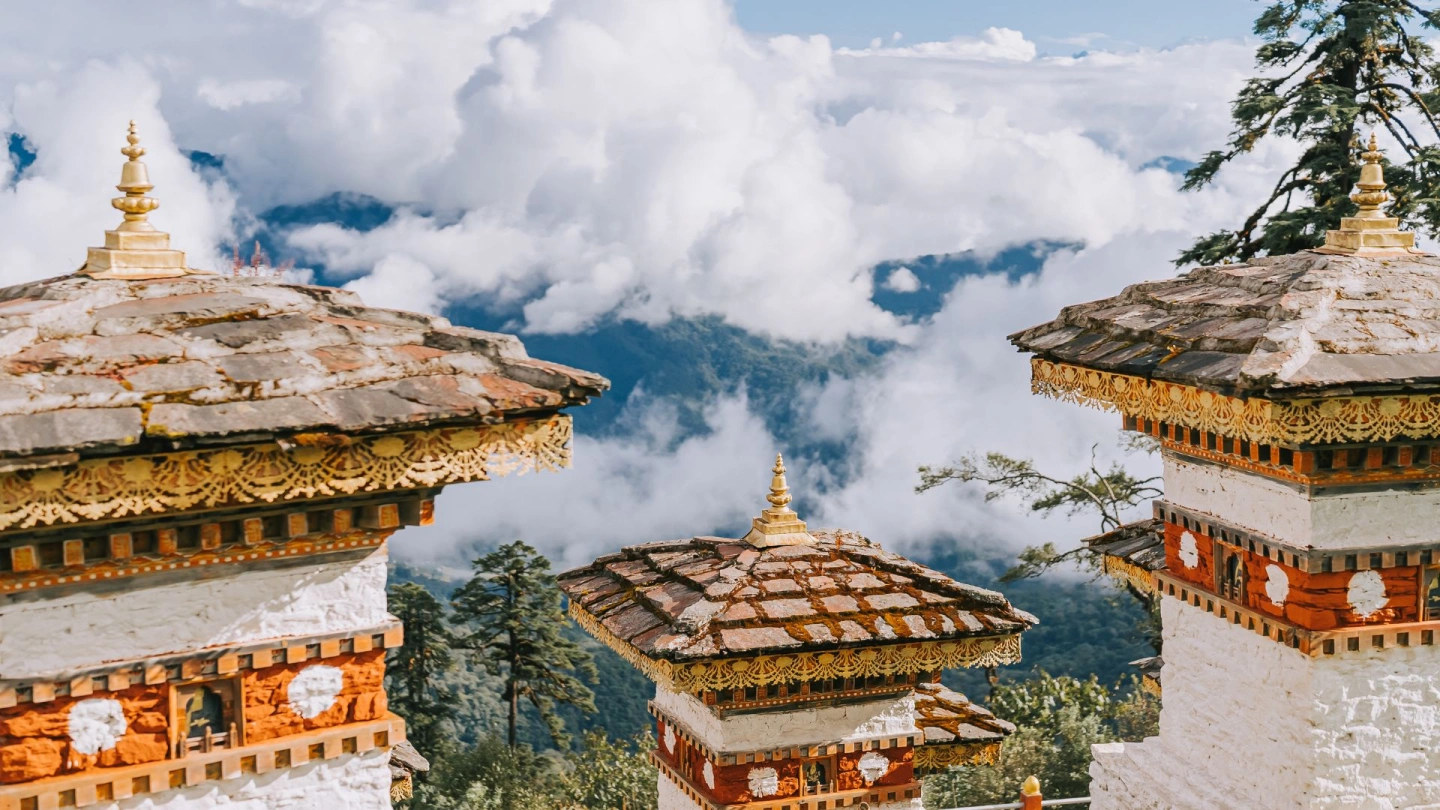
- Dochula Pass: around 3,100 m.
- Tiger's Nest: around 3,100 m.
- Phobjikha Valley: around 3,000 m.
- Chele La Pass: around 3,990 m, one of the highest road passes.
- High treks: can exceed 4,500 to 5,000 m, for example on the Snowman Trek.
What is altitude sickness?
As you go higher, the air holds less oxygen with each breath. Your body adapts over a few days, but if you climb faster than it can adjust, you may develop acute mountain sickness. It can affect anyone, regardless of fitness or age, and being fit does not protect you from it.
Mild symptoms are fairly common above about 2,500 m, and some people notice them even in Paro or Thimphu on the first day. They include:
- headache
- shortness of breath on exertion
- tiredness
- poor sleep
- loss of appetite or mild nausea
- light-headedness
These usually ease as you acclimatise over a day or two. Tell your guide if you feel unwell; they are used to helping travellers adjust.
Will I get altitude sickness on a cultural tour?
Most cultural tours in Bhutan stay at moderate altitude. You will sleep in Paro, Thimphu and Punakha, which are all well below the heights where serious problems are common. Day trips take you higher, to Dochula, Tiger's Nest or Chele La, but you return to lower ground to sleep, which helps a great deal.
A well designed itinerary uses this to your advantage. A common pattern is to arrive in Paro, spend a day or two in Thimphu, then descend to Punakha, which is noticeably lower and warmer, before returning to Paro for the Tiger's Nest hike near the end of the trip, when you are better acclimatised. Our 5-day and 7-day itineraries follow this logic.
An acclimatisation-friendly route
Here is how a gentle week might look from an altitude point of view. It is an example only, and we adjust every route to the traveller.
- Days 1 to 2: arrive in Paro and transfer to Thimphu, around 2,300 m, with light sightseeing and early nights.
- Day 3: cross Dochula, around 3,100 m, with a short stop, then descend to Punakha at around 1,200 to 1,300 m.
- Day 4: a relaxed day in the warm Punakha valley.
- Day 5: return over the pass to Paro.
- Day 6: hike to Tiger's Nest, around 3,100 m, now well adjusted.
- Day 7: depart from Paro.
Adding Phobjikha, at around 3,000 m, or a drive to Chele La simply means placing those days after you have had time to adjust. If you are planning a longer trip, our 10-day itinerary follows a similar gradual pattern.
Tips to reduce the risk
- Take it slowly on the first day. Rest after your flight into Paro and avoid strenuous walks straight away.
- Drink plenty of water. Stay well hydrated throughout your trip.
- Avoid alcohol early on. Wait until you have adjusted before enjoying local drinks.
- Walk at a steady pace. On hikes such as Tiger's Nest, a slow, even rhythm is better than rushing.
- Sleep lower when you can. Itineraries that return to Paro, Thimphu or Punakha at night are kinder on the body.
- Eat well. Regular, light meals help keep your energy up.
- Tell your guide how you feel. Early honesty makes it easier to adjust plans.
Medication
Some travellers ask their doctor about preventive medication such as acetazolamide, especially before treks or when an itinerary goes high quickly. Whether it is suitable for you, and how to take it, is a decision for your doctor, who knows your health history. Please do not take any altitude medication without medical advice.
When symptoms become serious
Rarely, altitude sickness progresses to more serious forms that affect the brain or lungs. Warning signs include:
- a severe headache that does not improve with rest
- confusion, clumsiness or difficulty walking in a straight line
- breathlessness at rest
- a persistent cough, sometimes with frothy sputum
- vomiting that does not settle
- extreme tiredness or drowsiness
If these appear, the most important step is to descend to a lower altitude and seek medical care without delay. Do not continue higher. On treks, your team will plan for descent and evacuation; on cultural tours, the drive down to a lower valley is usually short. Check that your travel insurance and safety plans include emergency evacuation.
Trekking at high altitude
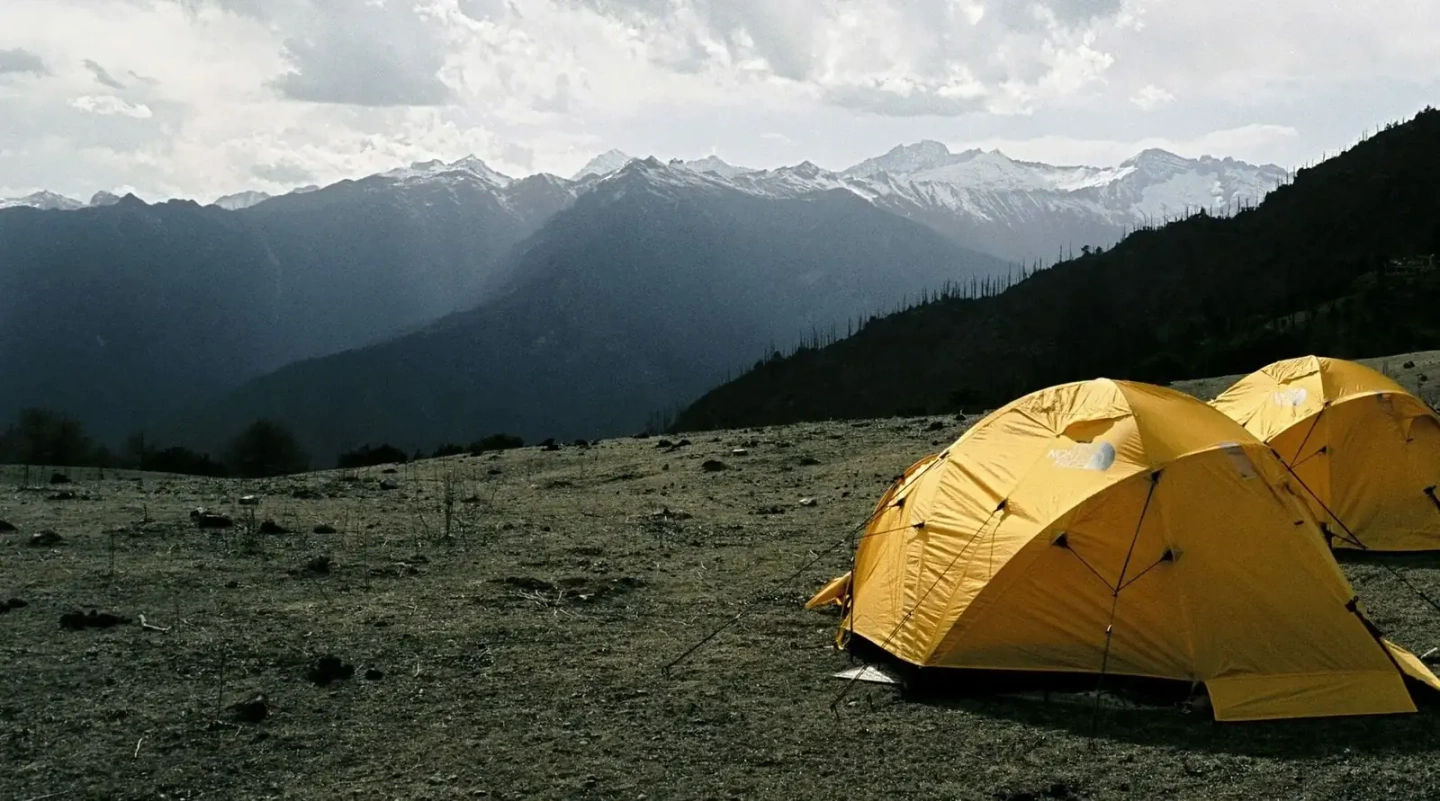
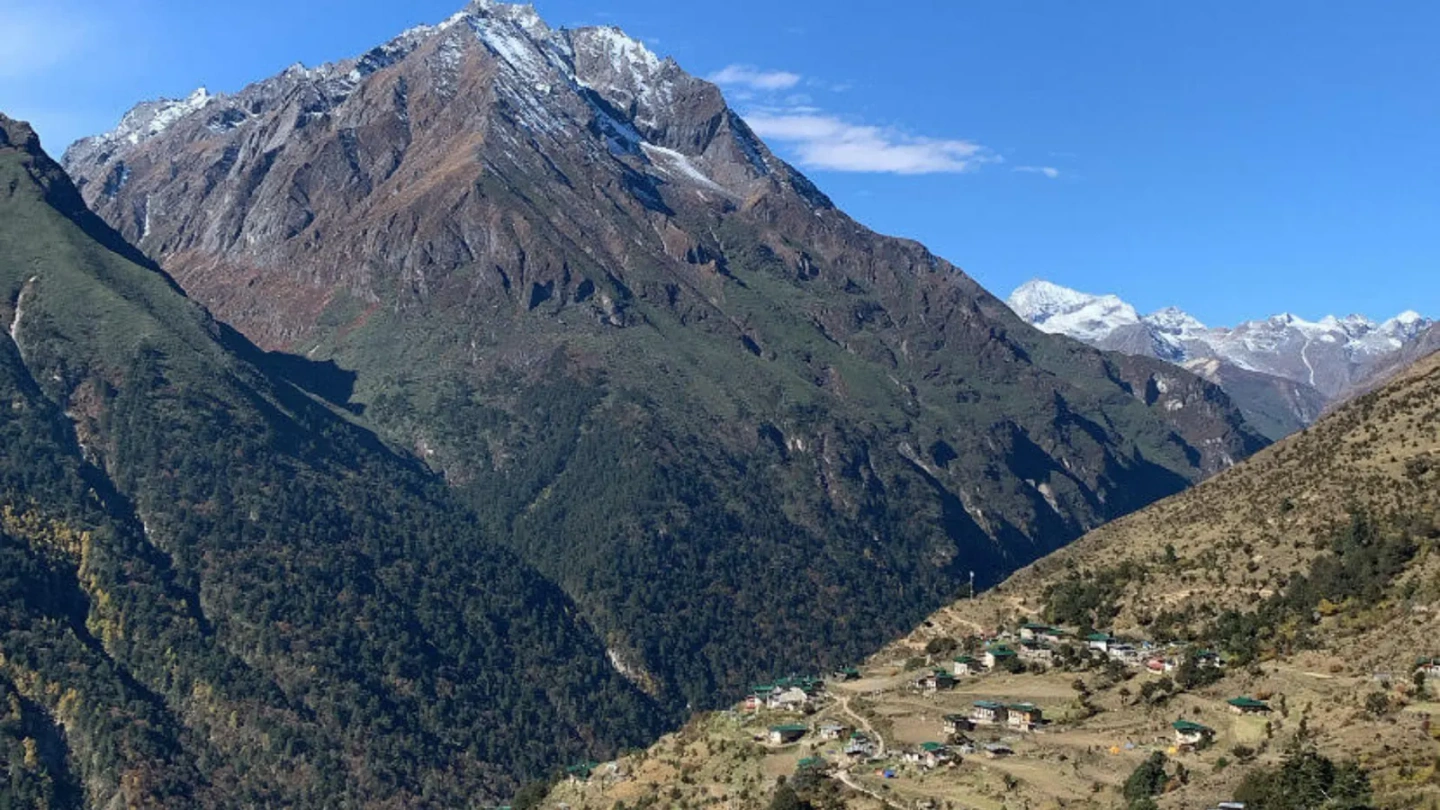
Bhutan's treks range from gentle walks to some of the most demanding routes in the Himalaya. Routes to places such as Laya and the Snowman Trek cross passes well above 4,500 m, and the highest points go beyond 5,000 m. These treks need gradual ascent, rest days and an experienced team.
If you are considering a trek, talk to your doctor first, build fitness in advance and allow enough days for acclimatisation. Our adventure and trekking tours page has more on routes and planning, and our travel essentials list covers clothing and gear.
High passes on road trips
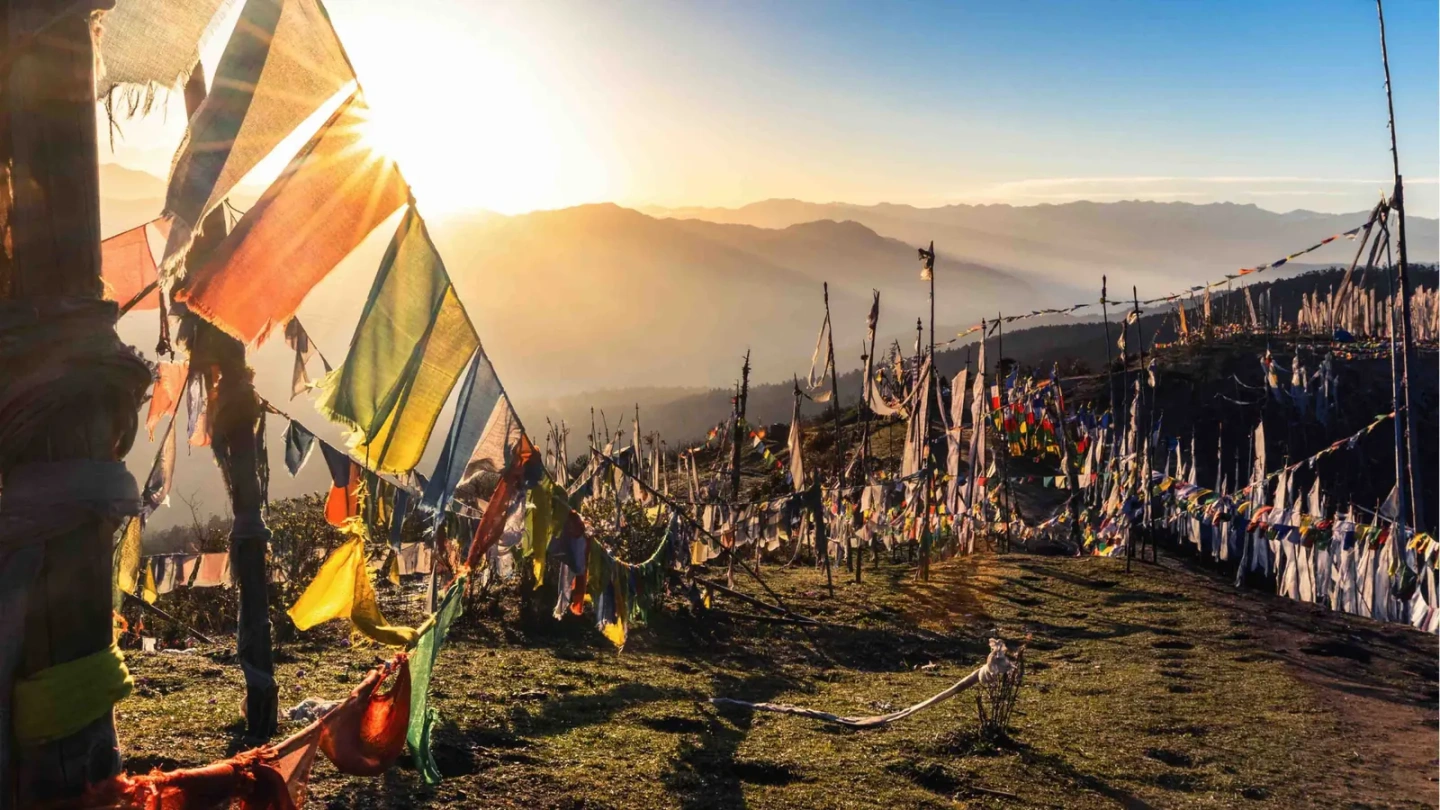
Some of the most beautiful viewpoints in Bhutan are on road passes. Chele La, on the road to the Haa Valley, is close to 4,000 m. You will usually spend only a short time there, so symptoms are rare, but walk slowly, wrap up warmly and come down if you feel unwell. The same applies at Dochula, a popular stop on the way to Punakha.
Who should take extra care
People with heart or lung conditions, high blood pressure, anaemia or pregnancy should speak to their doctor before travelling to altitude. Older travellers and young children usually do well on cultural tours with a gentle pace, but it is worth discussing your plans with your doctor. If you let us know about any concerns when planning, we can shape the route around lower overnight stays.
For wider safety advice, read our Is Bhutan safe? guide, and for timing your trip around the seasons, see the best time to visit Bhutan.
Want an itinerary planned around altitude? Message us on WhatsApp +975 17661648 or email [email protected]. We reply with a tailored itinerary and quote.
Frequently asked questions
Will I get altitude sickness in Bhutan?
Most cultural tours stay at moderate altitude, so serious altitude sickness is uncommon. Mild symptoms such as headaches are possible for a day or two. Treks above 4,000 m carry a higher risk.
What is the altitude of Tiger's Nest?
Tiger's Nest sits at around 3,100 m. Most itineraries place the hike near the end of a trip, when you are better acclimatised.
How high are Paro and Thimphu?
Paro is around 2,200 to 2,300 m and Thimphu around 2,300 m. Punakha is lower, at around 1,200 to 1,300 m.
What is the highest road pass on a typical tour?
Chele La, between Paro and Haa, is around 3,990 m. Visitors usually spend only a short time there.
Should I take altitude medication for Bhutan?
Ask your doctor. Some travellers discuss medication such as acetazolamide, especially for treks, but whether it suits you and how to take it is a medical decision.
What should I do if I feel unwell at altitude?
Rest, drink water and tell your guide. If symptoms are severe or worsening, descend and seek medical care without delay.
Are Bhutan's treks high altitude?
Many are. Some treks, such as the Snowman Trek, exceed 5,000 m and require gradual ascent, rest days and medical advice before you go.