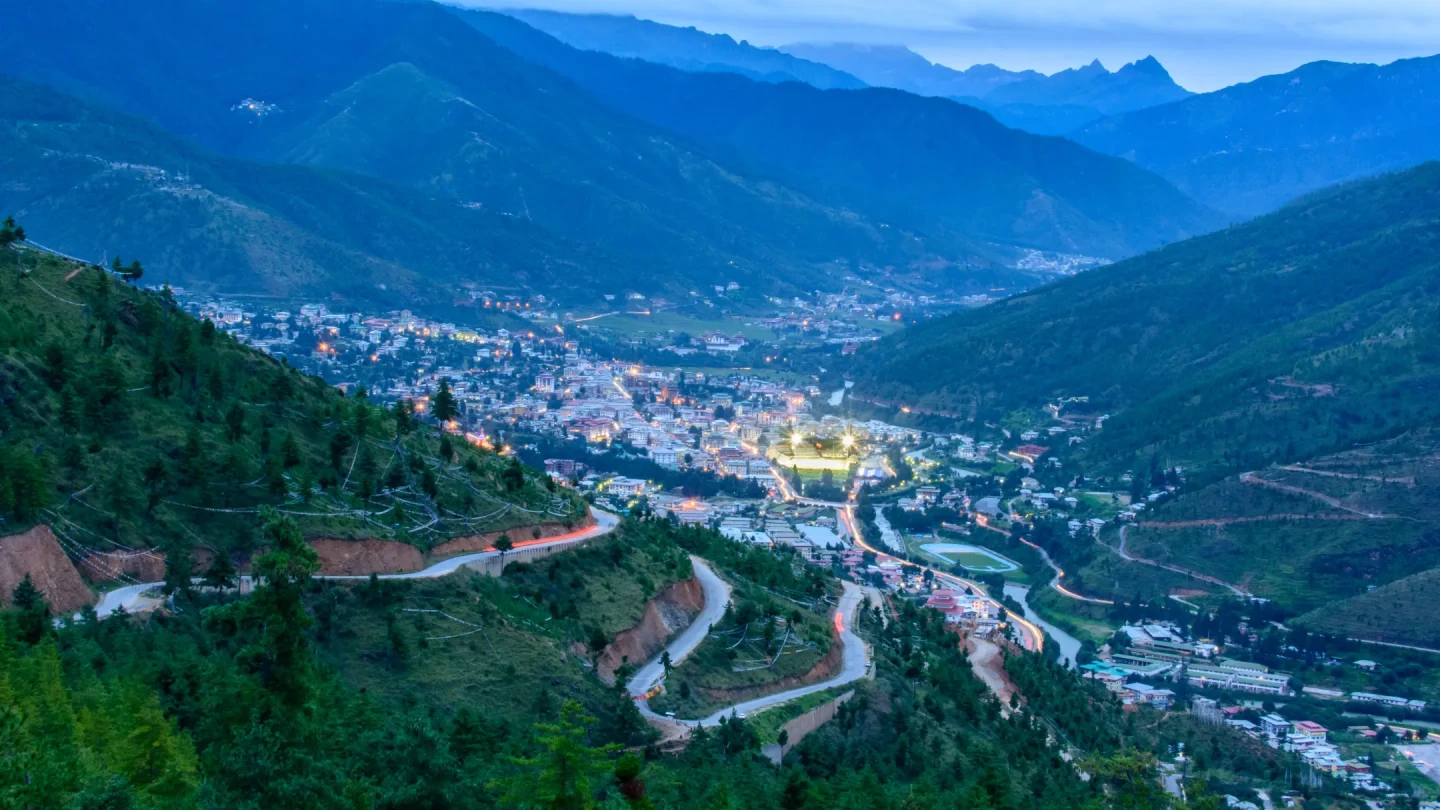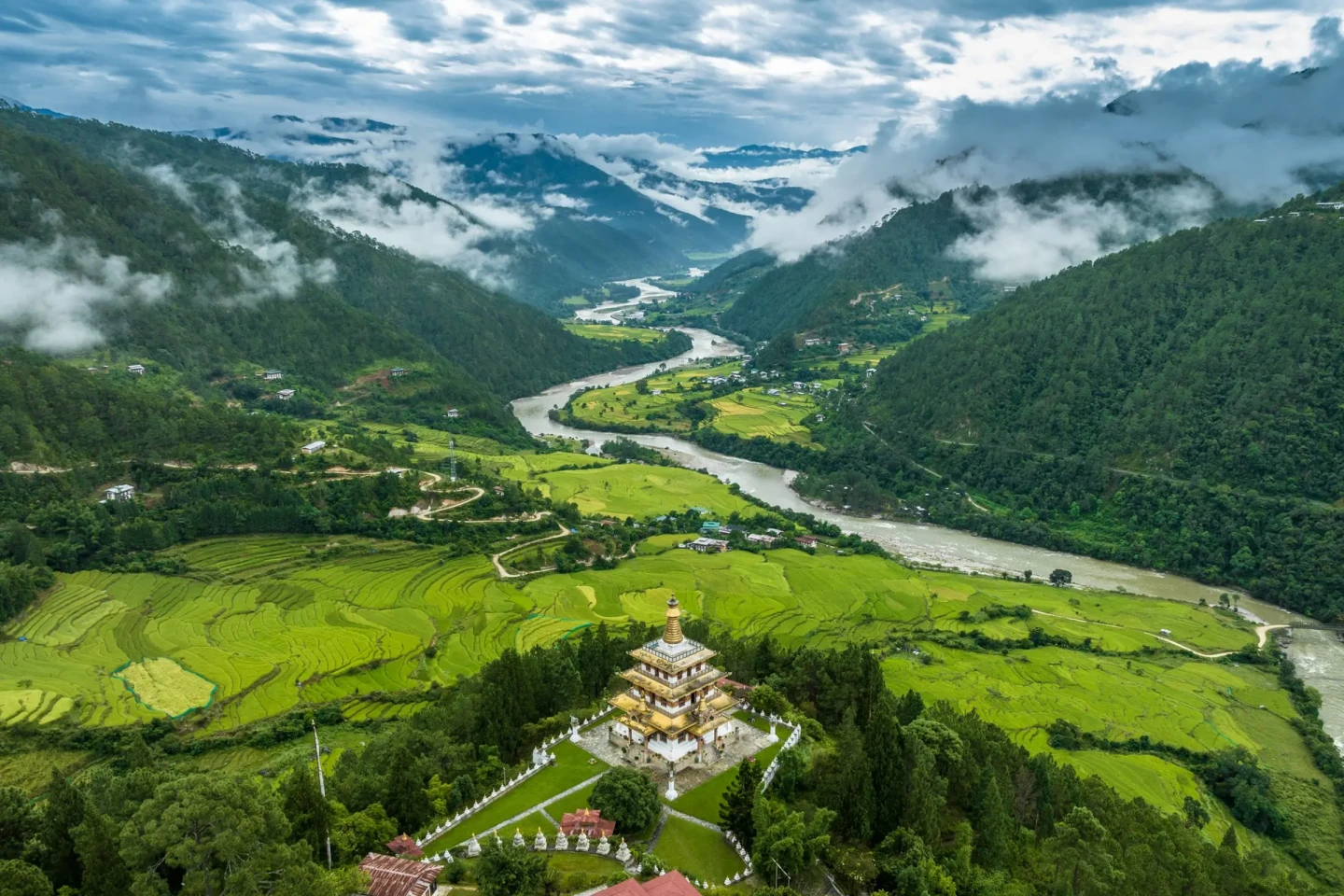





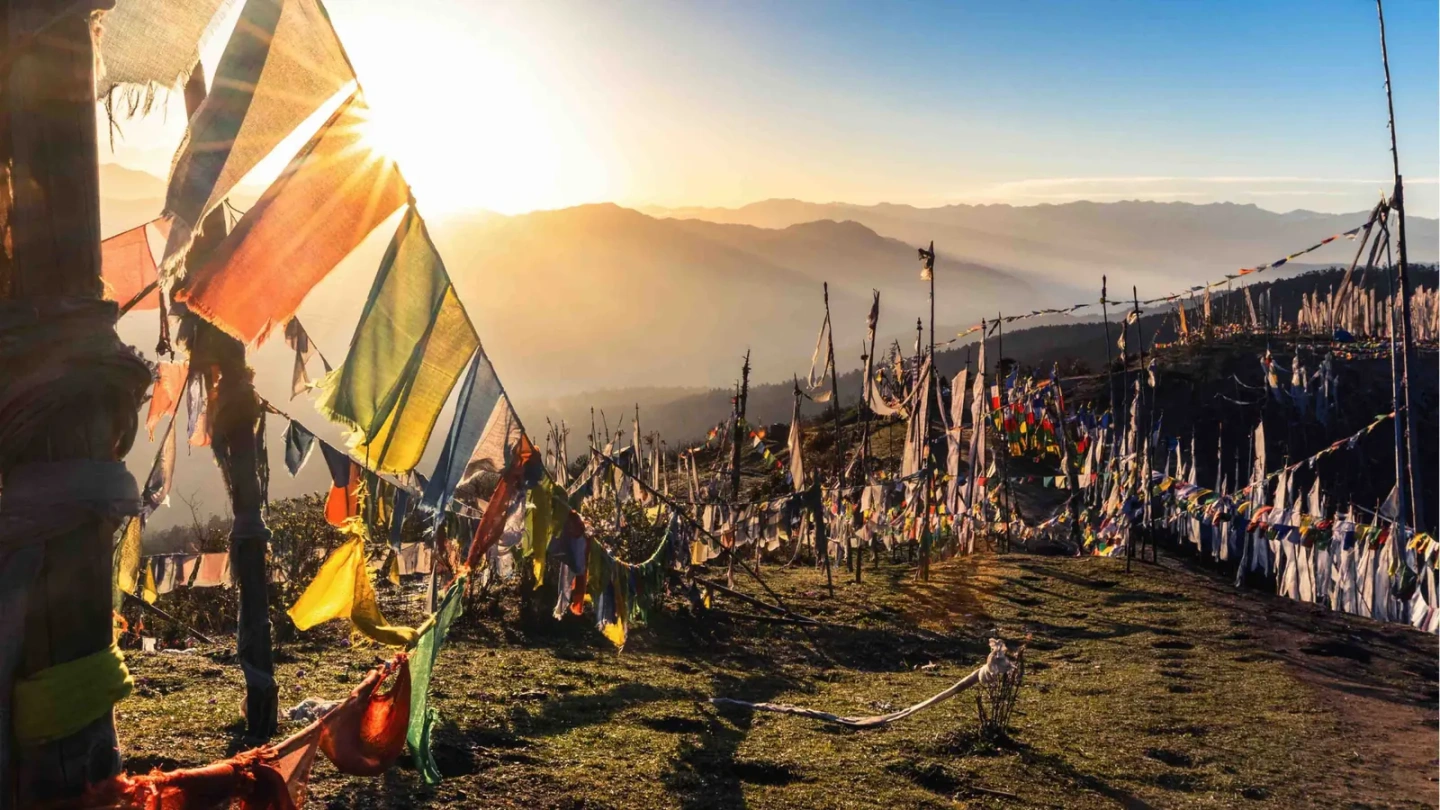
The Haa valley lies just west of Paro, across one of the highest roads in Bhutan. Getting there means driving over Chele La, a pass of about 3,988 m with prayer flags snapping in the wind and, on clear days, views of the snow-covered Jomolhari. On the other side is a quiet, green valley of farms, temples and old houses that sees far fewer visitors than Paro or Thimphu.
This guide covers Chele La and the Haa valley: what to see, the stories behind the White and Black temples, the Haa Summer Festival, homestays, the best time to go and how to plan the trip.
What are Chele La and the Haa valley?
Chele La (la means pass) is the high point on the road from Paro to Haa, at about 3,988 m. It is the highest motorable pass in Bhutan that you can easily reach from Paro, about an hour and a half's drive from town. The road climbs through forests of blue pine, spruce and rhododendron, and emerges onto open ridges covered in prayer flags.
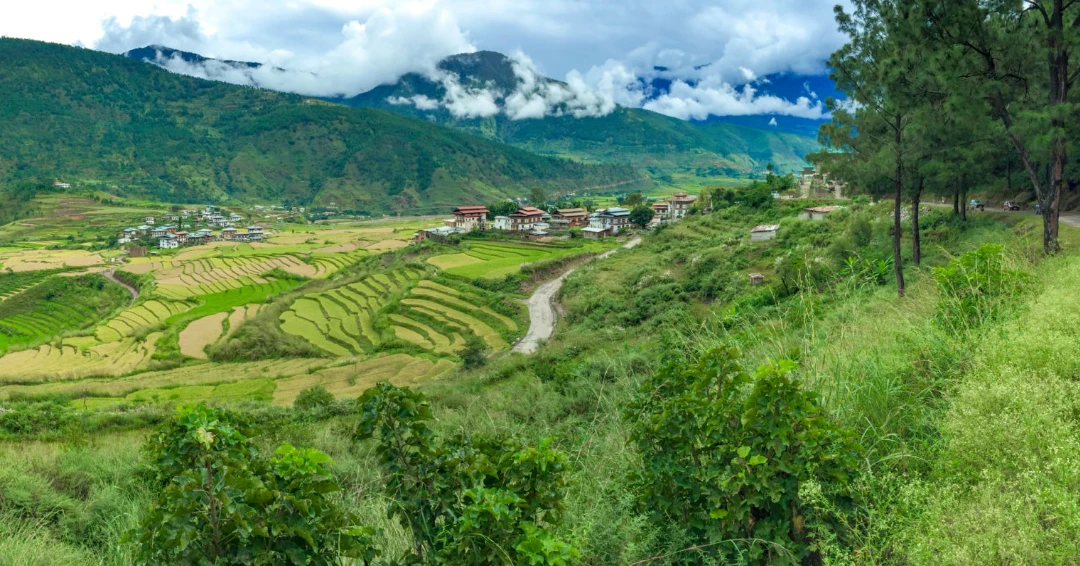
The Haa valley on the far side is long and narrow, running north to south, with the Haa Chhu river flowing through its centre. Barley, wheat, potatoes and buckwheat grow on the slopes, and traditional farmhouses dot the hillsides. Haa was opened to tourists only in 2002, so it still feels quiet and unhurried.
History and meaning
Lhakhang Karpo and Lhakhang Nagpo
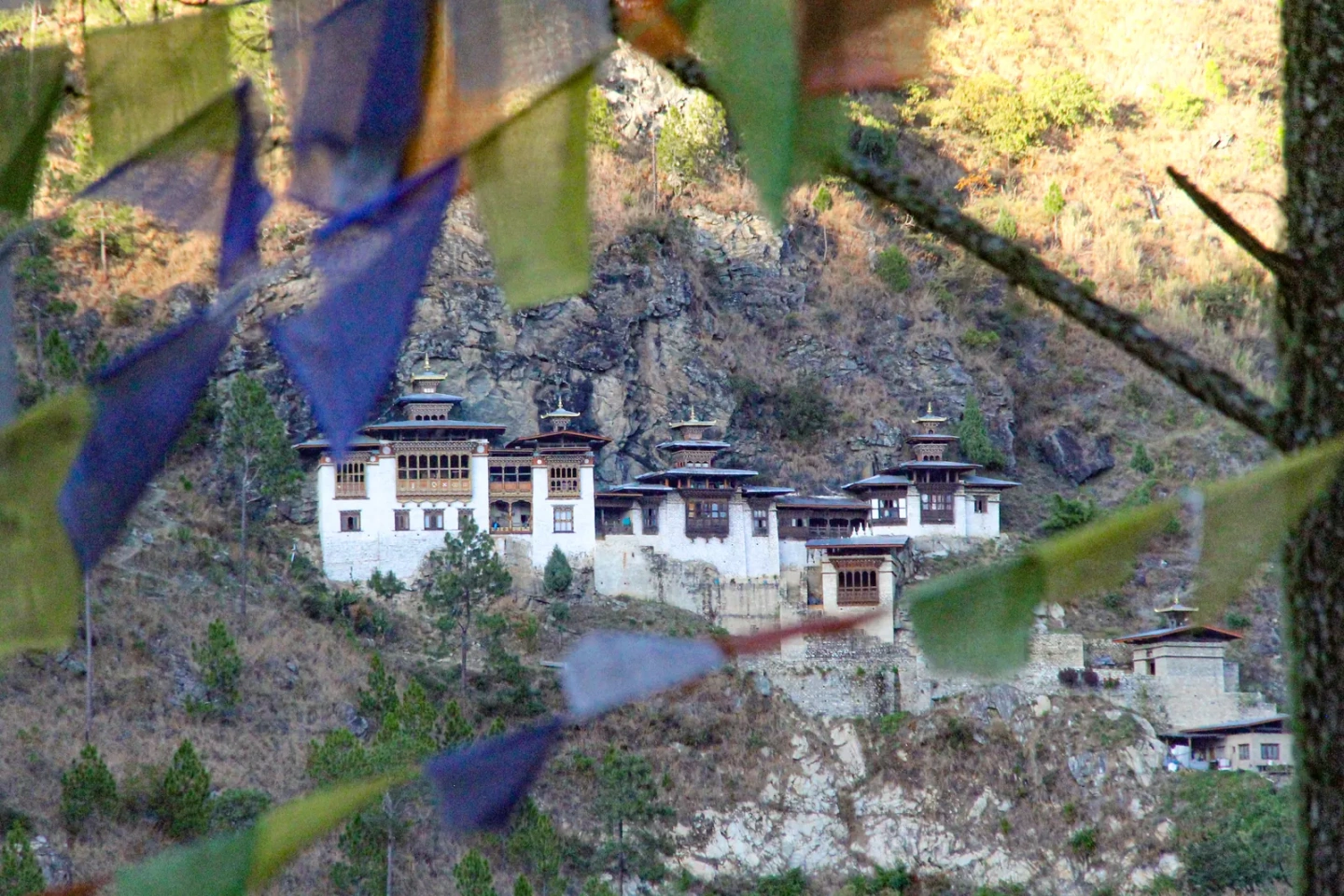
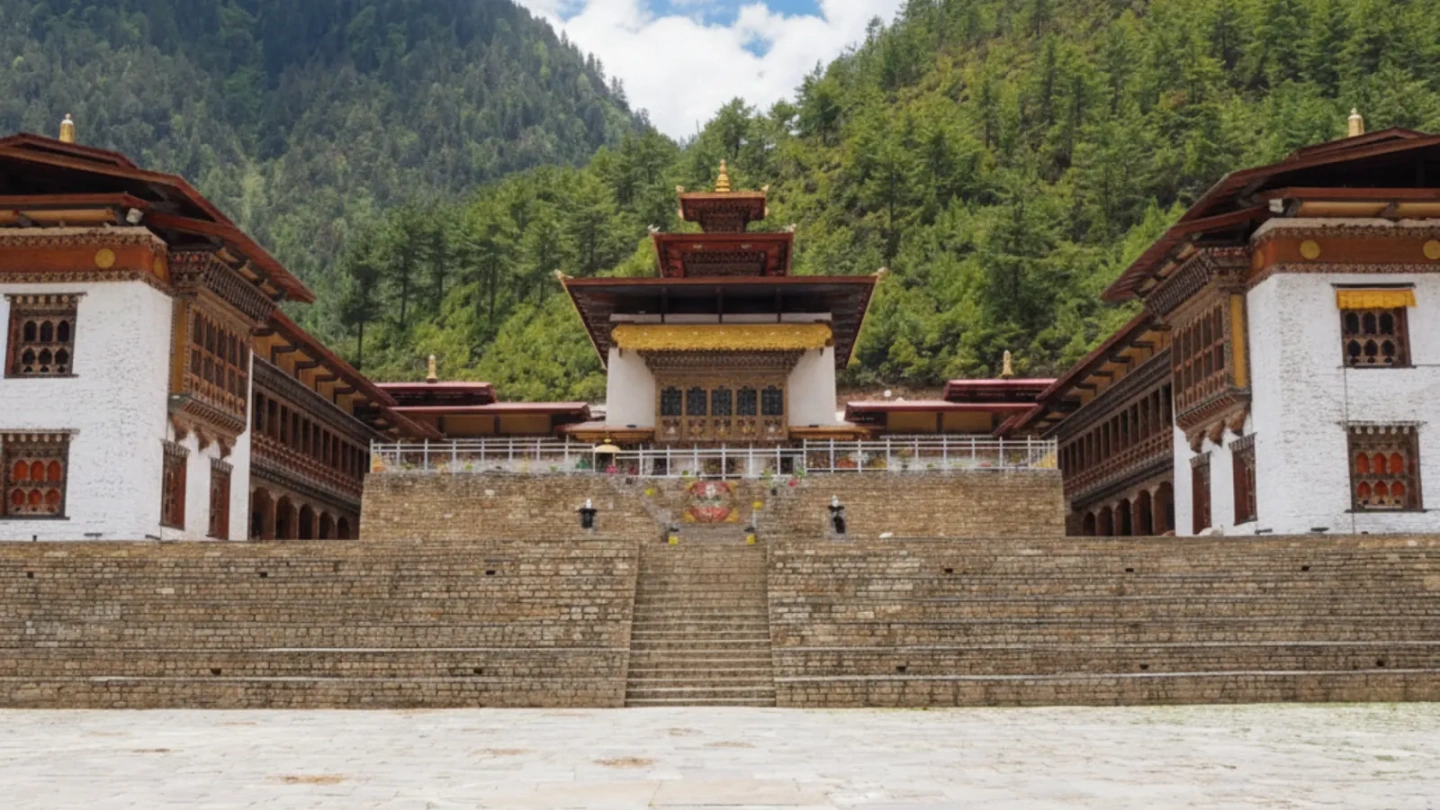
The best known sites in Haa are two temples: Lhakhang Karpo (the White Temple) and Lhakhang Nagpo (the Black Temple). According to legend, they are linked to the Tibetan king Songtsen Gampo, who is said to have founded many temples across the Himalaya in the 7th century to subdue a great demoness. In one popular version of the story, a black and a white pigeon were released, and the temples were built where they landed. Your guide will tell you the local versions of the tale.
The White Temple sits in a village at the foot of three sacred hills, often called the Meri Puensum, the three brother hills, which local people associate with protective deities.
Royal and noble links
Haa has deep links to Bhutan's royal and noble families, and several prominent figures in the country's modern history have roots in the valley. Your guide can share more about this heritage as you travel through the villages.
How to visit
A licensed guide is required for travel beyond Thimphu and Paro under current rules, and your guide arranges the route permit for Haa. With our car and driver and guide service, you can visit Haa as a long day trip from Paro or stay overnight to explore at a slower pace.
- Day trip: leave Paro early, stop at Chele La for views and a short walk, explore Haa's temples and villages, and return the same evening. It is a full day.
- Overnight: stay in a farmhouse or homestay in Haa, giving time for village walks, a hot stone bath and a slower drive back.
- Hikes from Chele La: short walks along the ridge are possible in good weather and are a useful way to acclimatise before longer hikes like Tiger's Nest. Ask your guide which route suits your fitness.
Best time to visit
Chele La is best visited on clear days, which are most common from October to December and in early spring. Mornings usually offer the best chance of seeing Jomolhari and the other peaks before cloud builds in the afternoon.
- Spring (March to May): rhododendrons and wildflowers bloom along the Chele La road. Views can be hazy.
- Summer (June to August): green and lush, with the Haa Summer Festival in July. Expect rain and mist on the pass.
- Autumn (September to November): clear skies and crisp air, often the best time for views.
- Winter (December to February): cold, with possible snow on the pass that can affect the road. Check conditions before you set off.
Our page on the best season to visit Bhutan has more detail.
The Haa Summer Festival
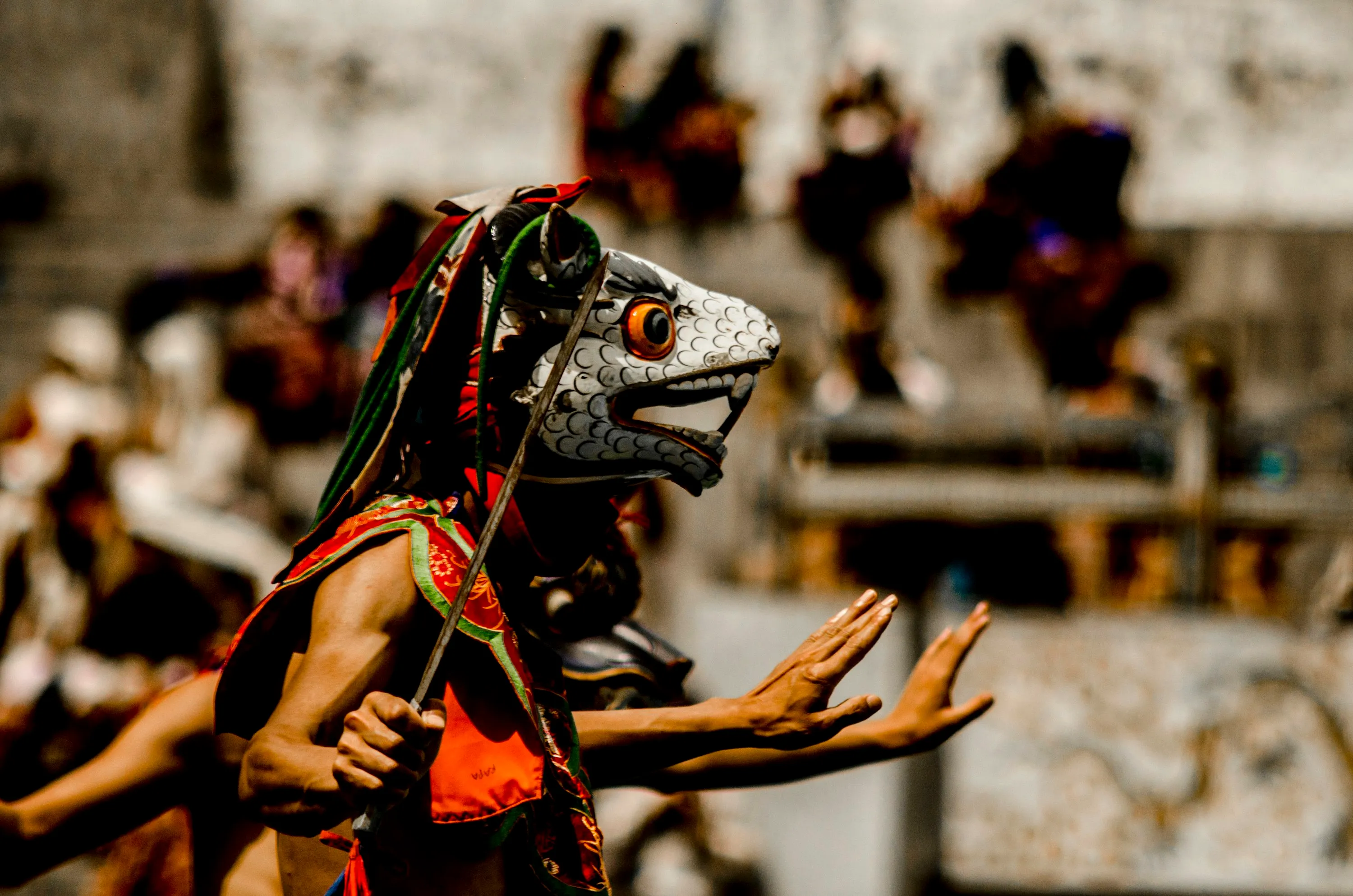
In July each year, Haa holds its Summer Festival, celebrating the valley's nomadic and farming traditions. Visitors can usually enjoy local food, folk songs and dances, traditional sports, displays of rural crafts and the chance to meet herders from the higher pastures. It is a relaxed, community-focused event. Check our festival calendar for confirmed dates, as they can change from year to year.
Homestays and village life
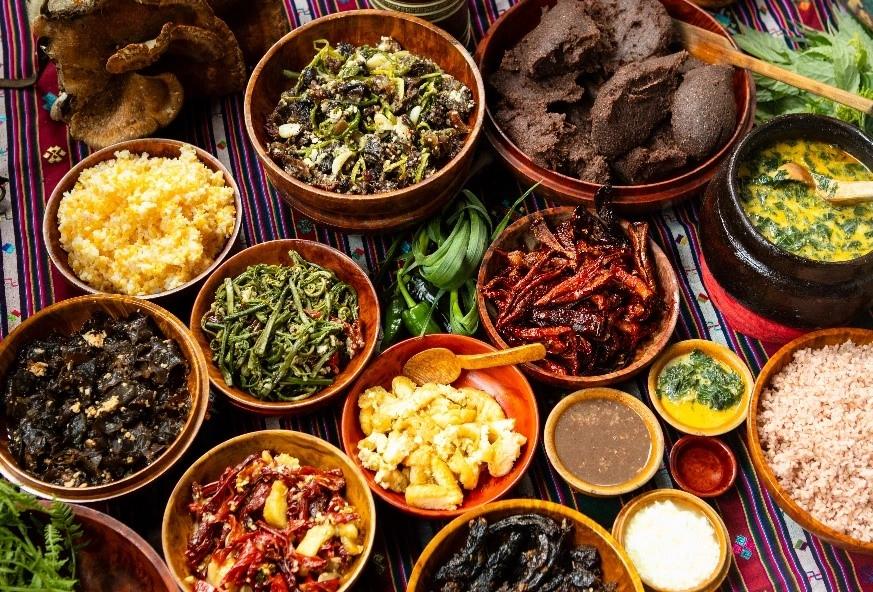
Staying in a Haa farmhouse is one of the best ways to experience rural Bhutan. Families welcome guests into their homes, share meals of local dishes and sometimes show how they prepare traditional foods. Rooms are simple but warm, and evenings by the wood stove are a highlight. Try a hot stone bath if your host offers one. Our Bhutanese food guide introduces the dishes you may try.
What to see in the valley
- Lhakhang Karpo and Lhakhang Nagpo: the two temples at the heart of Haa's legends, set among farms and fields.
- The Meri Puensum hills: three sacred hills above the White Temple, best appreciated from the valley floor.
- Haa town: a small, quiet town with a few shops and a relaxed atmosphere.
- Village walks: easy walks along farm tracks and through the fields, where you can see traditional houses and daily life.
- Farmhouse visits: with your guide's help, you may be invited into a family home for butter tea and a chat about life in the valley.
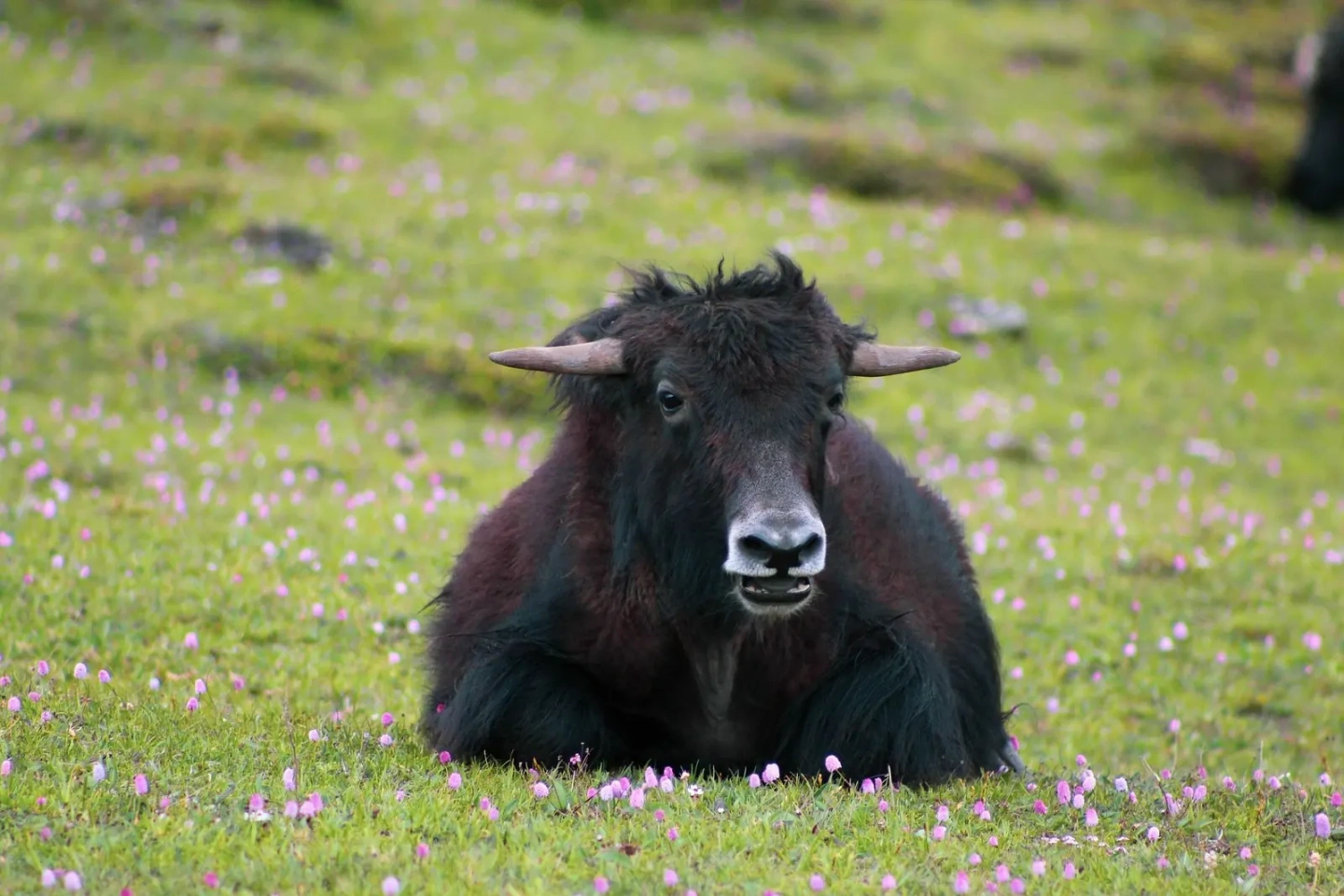
At higher altitudes around Haa you may see yaks grazing on the slopes, especially in summer when herders move their animals to the upper pastures. Your guide will point out herders' camps if you pass them.
Tips and etiquette
- Dress warmly for Chele La. Even on a sunny day, the wind at nearly 4,000 m is cold.
- Take it slowly at the pass. Walk gently and drink water; see our notes on altitude in Bhutan.
- Dress modestly for temple visits: long sleeves, long trousers or skirt, no hats inside.
- Walk clockwise around temples and chortens.
- Respect homestay hosts: remove shoes indoors and ask before photographing people or the inside of their homes.
- Do not disturb livestock or approach yaks closely.
Combining Haa with nearby sights
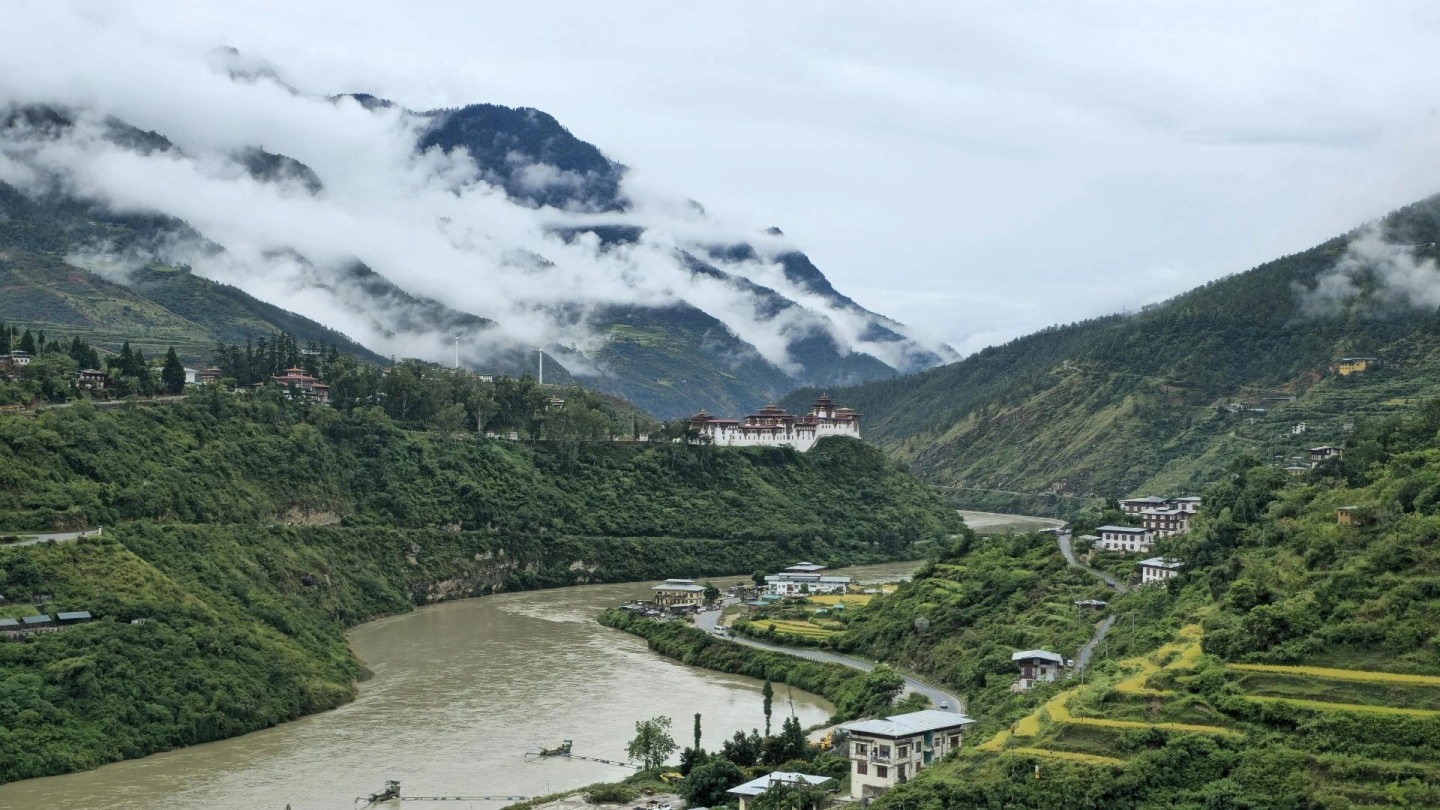
Haa is easily combined with Paro. Many travellers visit Haa the day before hiking to Tiger's Nest, since the altitude at Chele La helps with acclimatisation. You can also combine it with Paro's Rinpung Dzong and the National Museum. Our 5-day, 7-day and 10-day itineraries can include Haa on request. If you are short on time, a Haa day trip can replace part of a Thimphu day in the shorter plans, and we will adjust the order so the hike still falls at the right time.
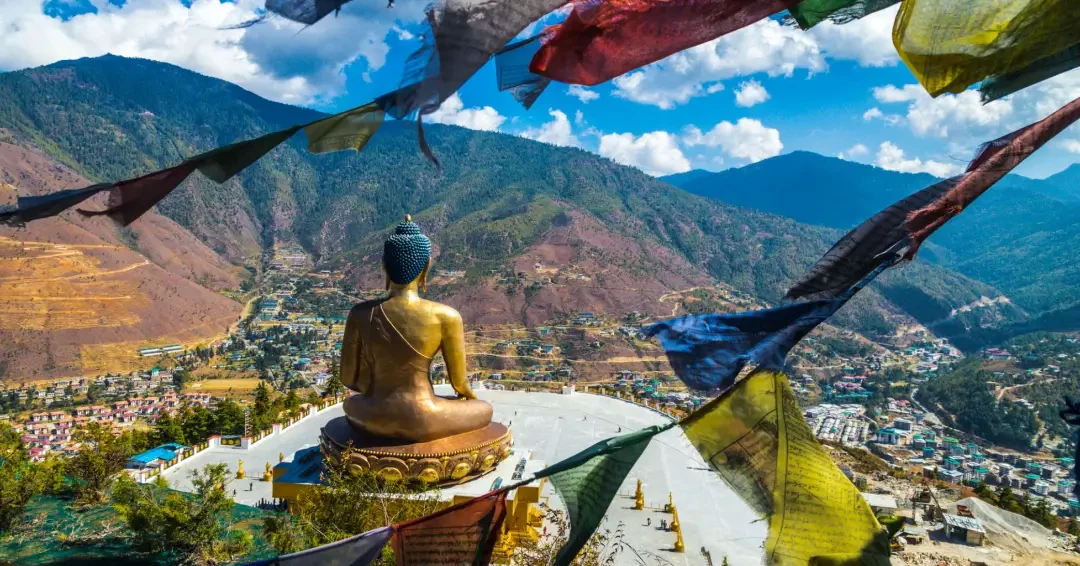
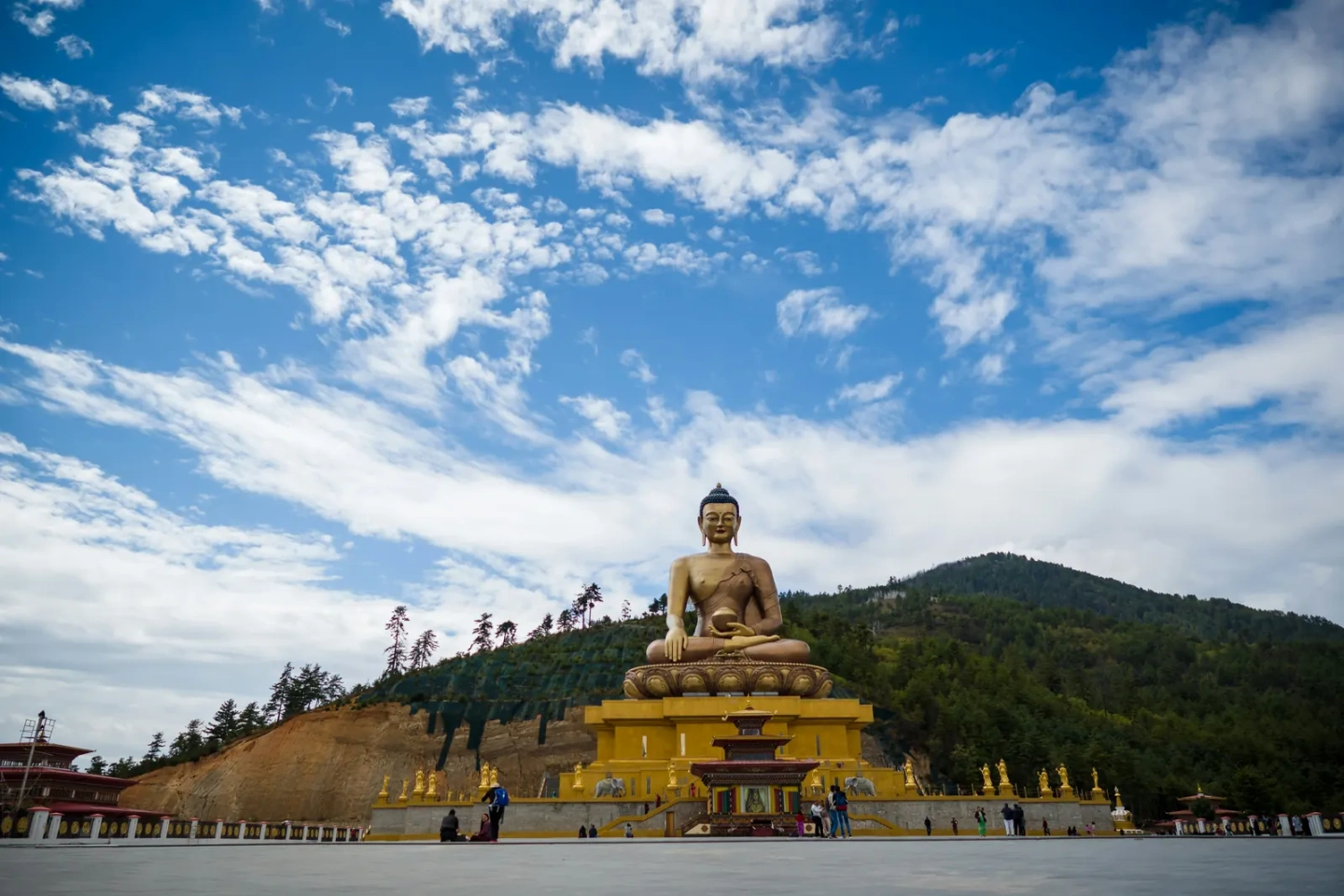
Other sights in western and central Bhutan include the Buddha Dordenma in Thimphu, Dochula Pass and Punakha Dzong.
Fees and how we help
The Sustainable Development Fee (SDF) is currently USD 100 per adult per night (confirmed until 31 August 2027), USD 50 for children aged 6 to 11, and free for children under 6. The visa fee is USD 40. Indian nationals pay INR 1,200 per person per night. Fees and rules can change, so we always confirm the current figures for your dates.
We plan your Haa visit around clear weather windows, arrange the route permit, choose a homestay that suits you and add walks at Chele La if you would like. Our trip cost calculator gives a first estimate.
Want to explore Haa and Chele La? Message us on WhatsApp +975 17661648 or email [email protected]. We reply with a tailored itinerary and quote.
Frequently asked questions
How high is Chele La?
Chele La is at about 3,988 m, the highest motorable pass in Bhutan easily reached from Paro.
How long does it take to drive from Paro to Chele La?
About an hour and a half. The road continues down the other side to the Haa valley.
Can I see Jomolhari from Chele La?
On clear days, yes. Mornings from October to December and in early spring give the best chance.
When did Haa open to tourists?
Haa opened to tourists in 2002, so it remains quieter than Paro or Thimphu.
What are Lhakhang Karpo and Lhakhang Nagpo?
The White Temple and the Black Temple of Haa. According to legend, they are linked to the 7th-century Tibetan king Songtsen Gampo.
When is the Haa Summer Festival?
It is held in July each year. Check our festival calendar for confirmed dates, as they can change.
Can I visit Haa as a day trip?
Yes, as a long day from Paro. An overnight homestay lets you explore at a slower pace.
Do I need a permit for Haa?
Yes. A licensed guide is required beyond Thimphu and Paro under current rules, and your guide arranges the route permit.