



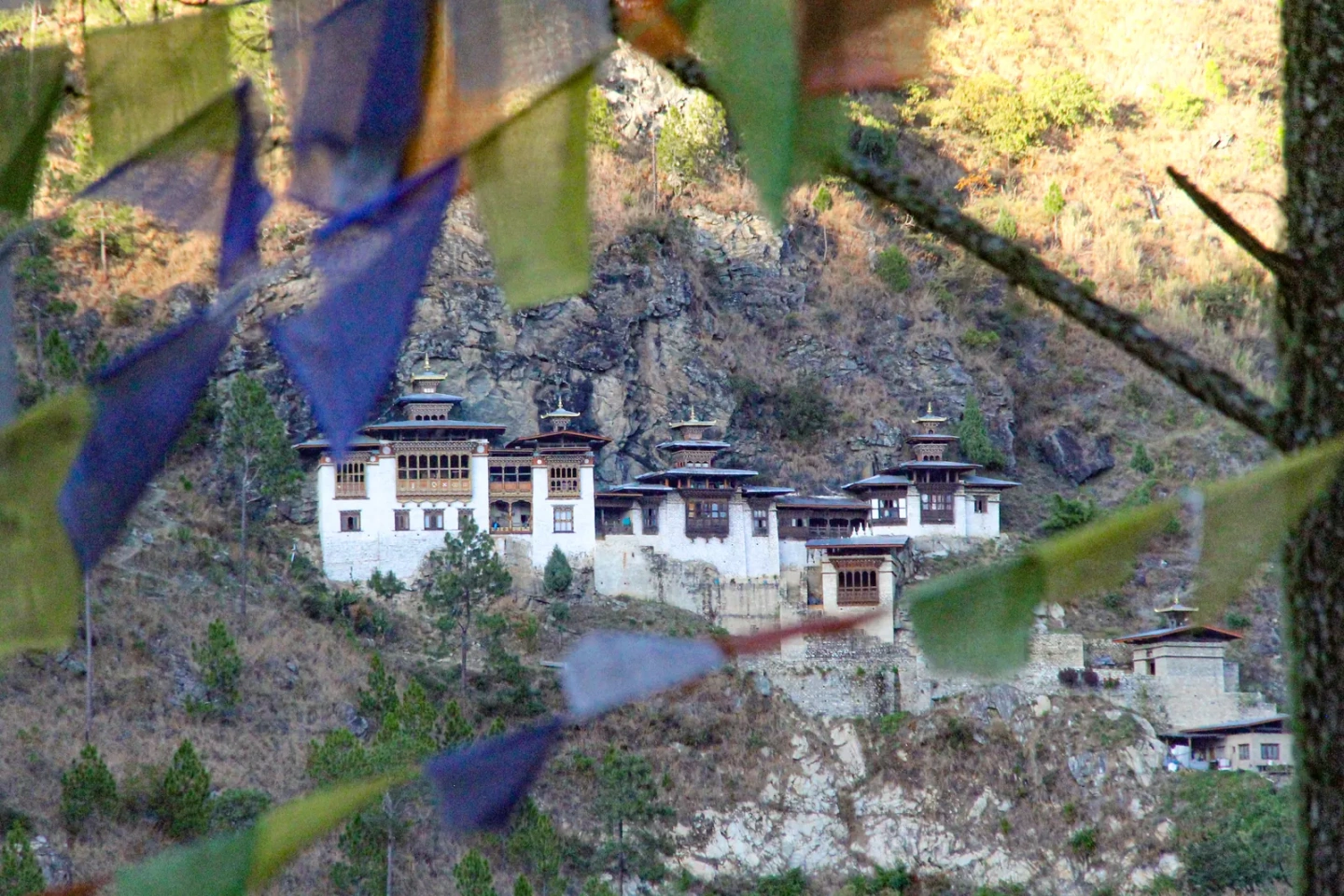





Look up from almost anywhere in Thimphu and you will see a huge golden Buddha seated on the hillside to the south of the city. This is the Buddha Dordenma, one of the largest seated Buddha statues in the world, gazing out over the capital from the ridge of Kuensel Phodrang. Visiting it is one of the most rewarding things to do in Thimphu, both for the statue and shrine hall and for the wide views of the valley.
This guide explains what the statue is, its history, how to visit, the best time to go, etiquette and what to combine it with in the capital.
What is the Buddha Dordenma?
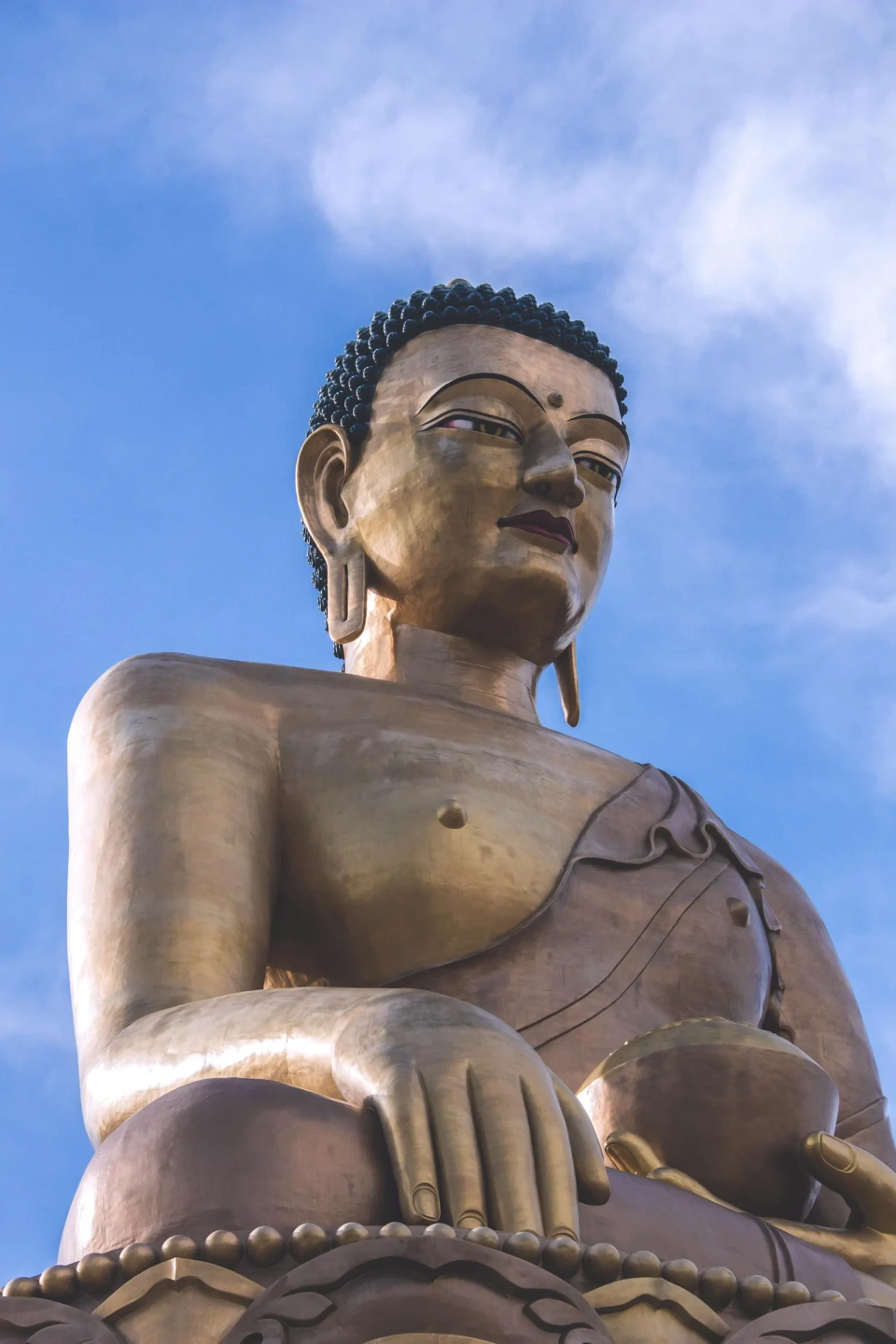
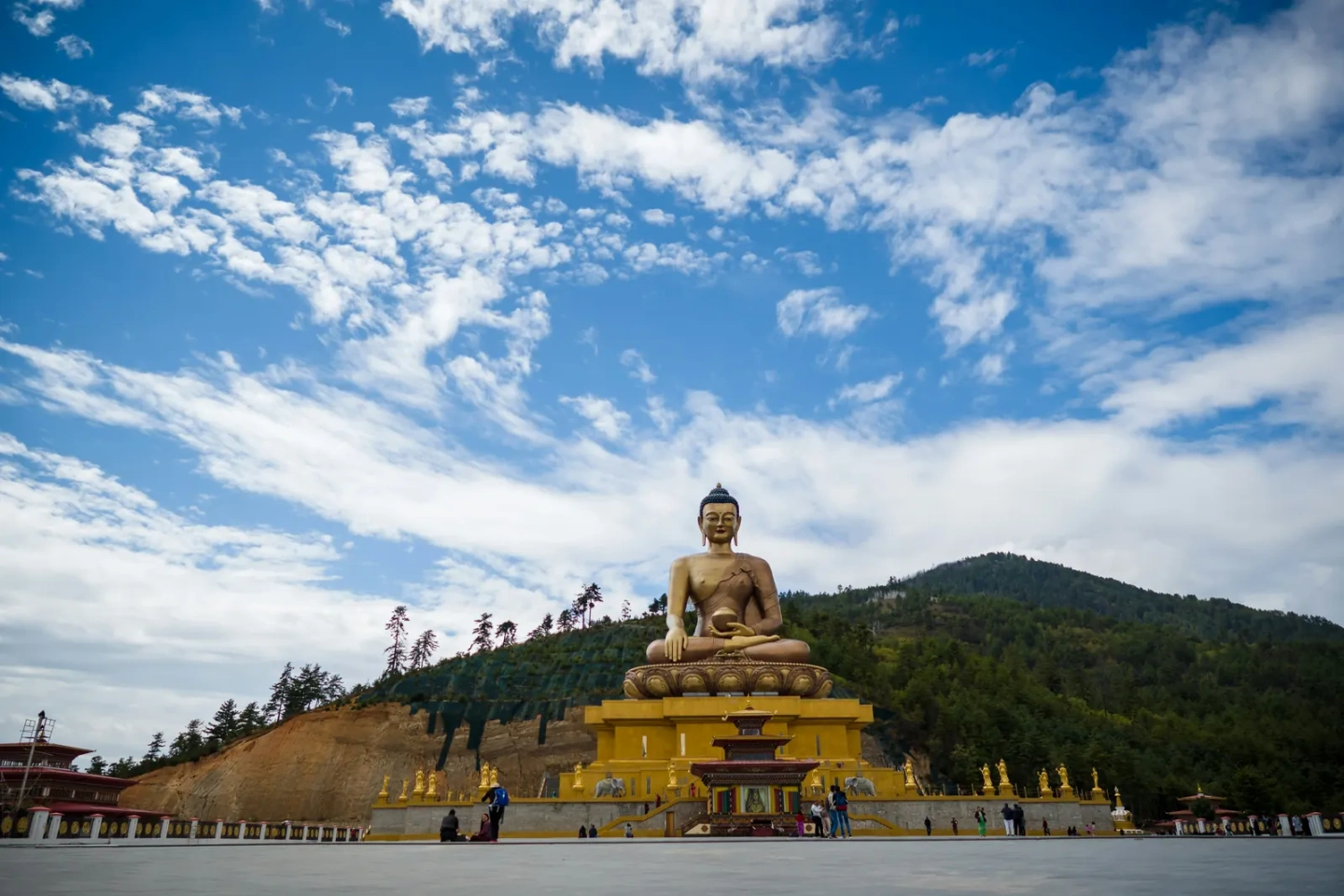
The Buddha Dordenma is a giant bronze statue of Shakyamuni Buddha, gilded in gold, standing about 51 m (169 ft) tall on a large three-storey base. Dordenma refers to the vajra throne, the seat on which the Buddha attained enlightenment. The statue faces the Thimphu valley and is lit up after dark, so it becomes a landmark by night as well as by day.
Inside the base is a shrine hall, and the statue itself contains about 125,000 smaller Buddha statues: around 100,000 measuring about 8 inches and 25,000 of about 12 inches, all made of bronze and gilded. Many of these small statues line the walls of the shrine hall, rising in rows from floor to ceiling.
History and meaning
The statue was built to mark the 60th birth anniversary of the Fourth King of Bhutan, His Majesty Jigme Singye Wangchuck. Construction took several years, and the statue was completed in 2015 and consecrated in September of that year.
Tradition holds that the site was blessed long before the statue was built. The hill of Kuensel Phodrang was once the site of a palace of the Kingdom's early rulers, and according to Bhutanese belief, a large statue of the Buddha here had been prophesied in religious texts, to bless the country and bring peace and happiness to the world. For Bhutanese visitors it is a place of prayer first and a viewpoint second.
How to visit
The statue sits a short drive above central Thimphu, usually about 15 minutes by road. Your driver will drop you at the plaza in front of the statue. From there you walk around the base, up the steps and into the shrine hall.
- The plaza: a wide paved area with smaller golden statues of female deities around the edges, and the best spot for photos of the Buddha and the valley.
- The shrine hall: inside the base, with an altar and thousands of small gilded Buddhas. Photography is generally not allowed inside; your guide will confirm.
- The views: from the plaza you look down over the whole Thimphu valley and the Wang Chhu river.
A licensed guide is required for most sightseeing in Bhutan under current rules, and our guides love explaining the statue's symbolism. With our car and driver service, the Buddha Dordenma fits easily into a day of sightseeing in the capital.
Understanding what you see
The Buddha is shown seated in meditation, with his right hand touching the earth. This gesture recalls the moment of his enlightenment, when he called on the earth to witness his resolve. The golden colour symbolises purity and the light of wisdom. Around the plaza, the smaller golden statues of female deities are offering figures, holding objects that represent gifts to the Buddha.
Inside the shrine hall, the thousands of small Buddhas that line the walls create a very peaceful atmosphere. Many Bhutanese visitors come to light butter lamps, make offerings and pray for family members, particularly on auspicious days of the lunar calendar. Your guide can explain the main figures on the altar and the ritual objects you see.
Kuensel Phodrang Nature Park
The statue stands within the Kuensel Phodrang Nature Park, a protected area of pine forest on the ridge. Walking trails run through the trees, with views across the valley and plenty of prayer flags. A walk here is a gentle way to stretch your legs on your first day in Thimphu, helping you adjust to the altitude before longer hikes such as Tiger's Nest. Ask your guide to suggest a route that matches your energy and the weather. Some local residents also use the trails for morning walks and runs, so you will see a bit of everyday Thimphu life.
Best time to visit
The statue is worth seeing at any time of year. Morning light is soft and the shrine hall is usually quieter. Late afternoon light turns the gold warmer, and after dark the statue is lit up and visible from across the city.
Clear, crisp days in autumn (late September to November) and in winter give the sharpest views over the valley. Spring brings flowers to the nature park. Monsoon months can be misty, though the statue emerging from the cloud has its own appeal. See our guide to the best season to visit Bhutan.
Tips and etiquette
- Dress modestly: long sleeves and long trousers or a long skirt. Wearing national dress is welcome; see our guide to the gho and kira.
- Remove shoes and hats before entering the shrine hall.
- Walk clockwise around the statue and inside the shrine hall.
- Keep your voice low and do not point your feet at the altar.
- No photos inside unless your guide says it is allowed. Take your photographs on the plaza.
- Bring a layer. The ridge is often breezy and cooler than the city below.
A suggested day in Thimphu
A comfortable Thimphu day might start with the Memorial Chorten in the morning, when local people walk around it and spin the prayer wheels. Then drive up to the Buddha Dordenma while the light is clear, followed by a short walk in the nature park. After lunch in town, visit the Institute for Zorig Chusum to watch students learn painting, carving and embroidery, and finish at Tashichho Dzong in the late afternoon. If you have energy left in the evening, return to the viewpoints below the statue to see it lit up.
Combining the Buddha Dordenma with nearby sights
Most visitors see the statue as part of a full day in Thimphu. Popular additions include the Memorial Chorten, where local people walk and pray throughout the day, Tashichho Dzong, the National Institute for Zorig Chusum (traditional arts) and the weekend market. You might also browse for souvenirs and try Bhutanese food in town.
The Buddha Dordenma is in our 3-day, 5-day, 7-day and 10-day itineraries. From Thimphu, the road east climbs to Dochula Pass and down to Punakha Dzong, so it makes sense to visit the statue on the day you arrive in the capital before heading on.
Fees and how we help
The Sustainable Development Fee (SDF) is currently USD 100 per adult per night (confirmed until 31 August 2027), USD 50 for children aged 6 to 11, and free for children under 6. The visa fee is USD 40. Indian nationals pay INR 1,200 per person per night. Fees and rules can change, so we always confirm the current figures for your dates.
We plan your Thimphu day so you see the statue in good light, add a walk in the nature park if you like, and include the capital's other highlights at a comfortable pace. Our trip cost calculator gives a first estimate for your trip.
Planning time in Thimphu? Message us on WhatsApp +975 17661648 or email [email protected]. We reply with a tailored itinerary and quote.
Frequently asked questions
How tall is the Buddha Dordenma?
The statue is about 51 m (169 ft) tall, making it one of the largest seated Buddha statues in the world.
When was the Buddha Dordenma built?
It was completed in 2015 and consecrated in September 2015, marking the 60th birth anniversary of the Fourth King.
How many Buddha statues are inside?
About 125,000 smaller gilded bronze Buddhas: roughly 100,000 of about 8 inches and 25,000 of about 12 inches.
Can I take photos at the Buddha Dordenma?
Photos are fine on the plaza outside. Photography inside the shrine hall is generally not allowed; follow your guide's advice.
How far is the Buddha Dordenma from Thimphu town?
It sits on Kuensel Phodrang hill, usually about 15 minutes' drive from central Thimphu.
What should I wear?
Long sleeves and long trousers or a long skirt. Remove your shoes and hat before entering the shrine hall.
Can I walk in the Kuensel Phodrang Nature Park?
Yes. Walking trails run through the pine forest around the statue. Your guide can suggest a route to suit you.









