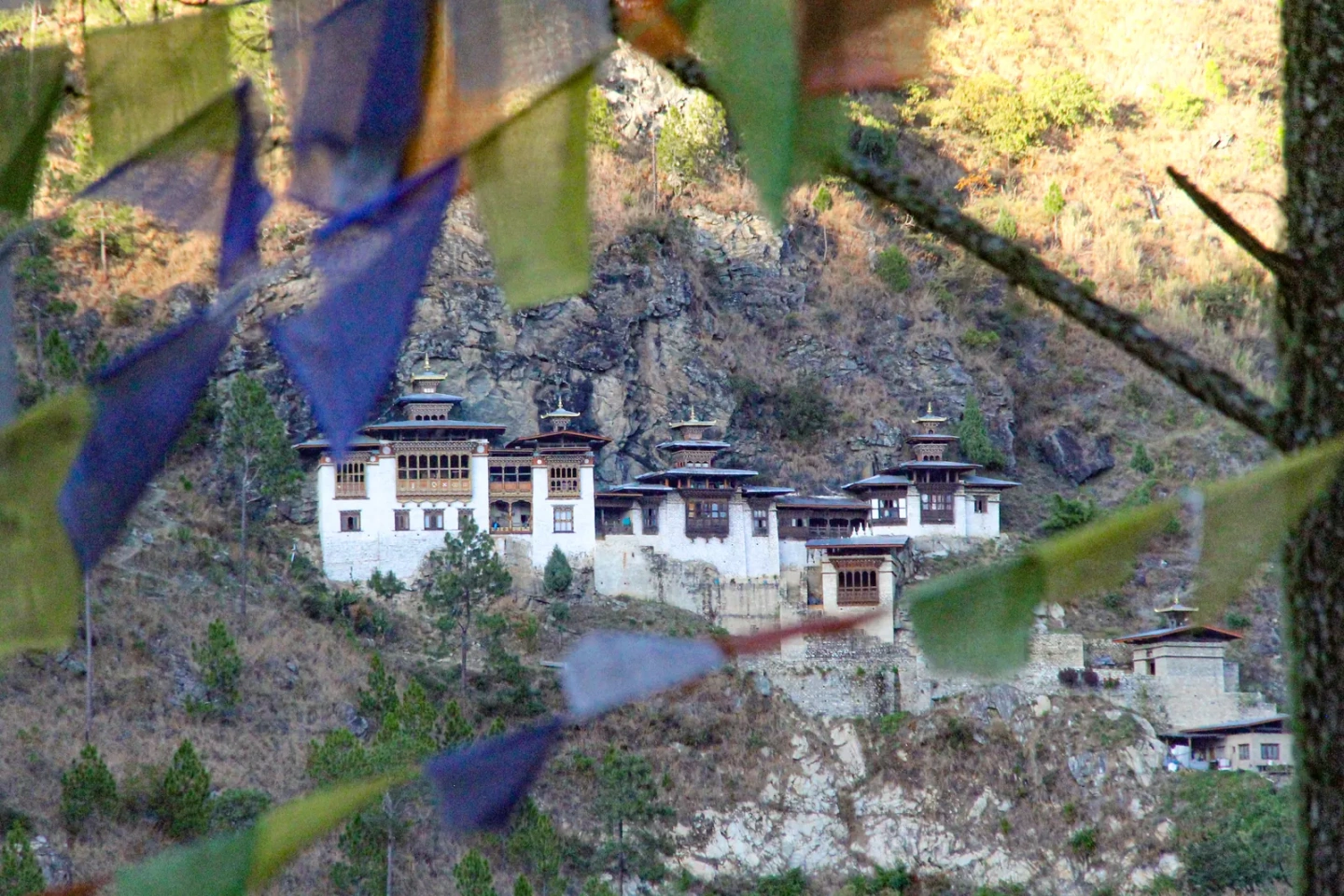





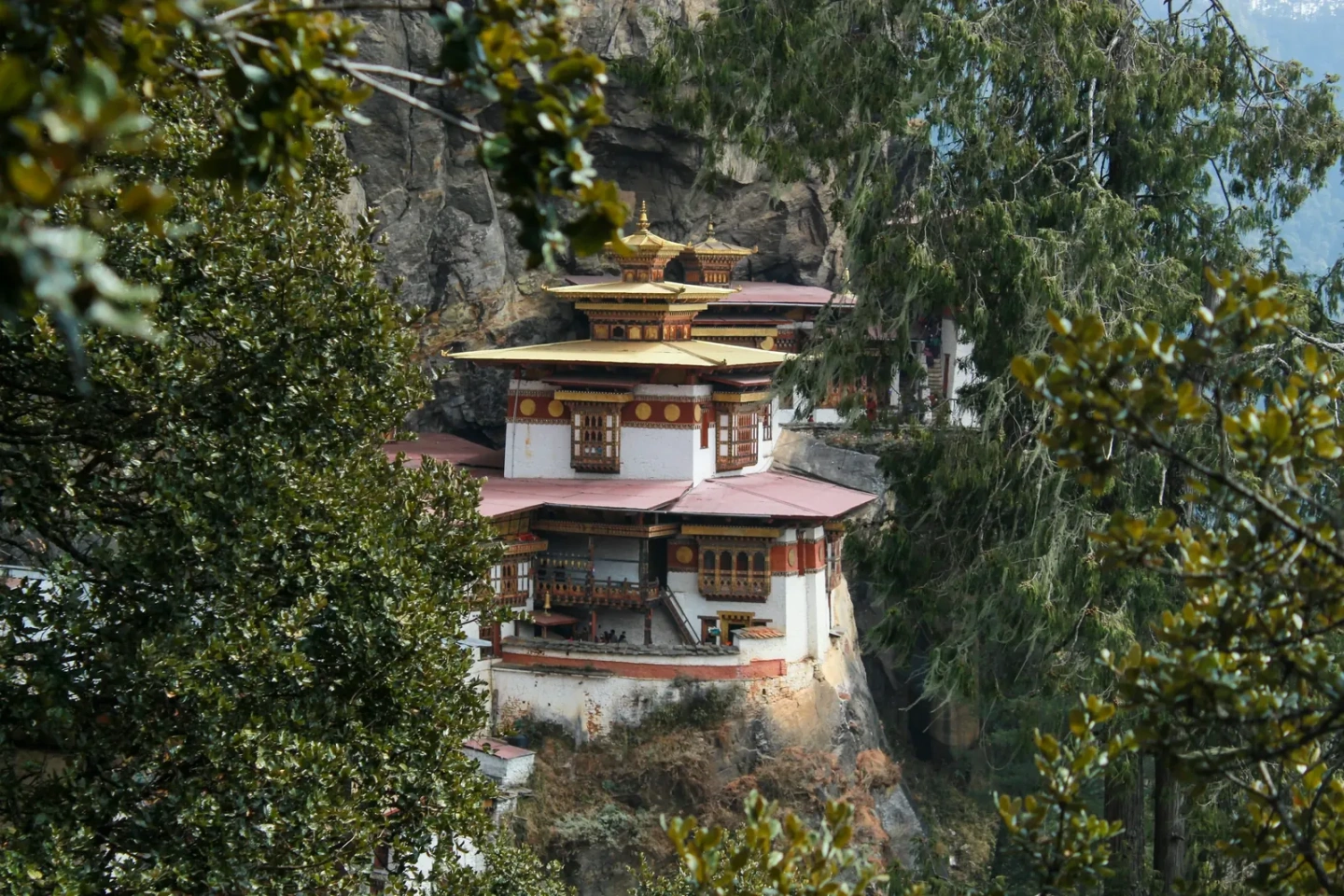
Paro Taktsang, better known as Tiger's Nest, clings to a sheer cliff about 900 m above the floor of the Paro valley. For most visitors it is the single image they associate with Bhutan, and the hike up to it is the highlight of the trip. It is also a real walk, steep in places and at altitude, so a little preparation makes the day far more enjoyable.
This guide covers how hard the Tiger's Nest hike is, how long it takes, the story behind the monastery, what to wear, the rules at the entrance and how to fit the hike into your itinerary.
What is Tiger's Nest?
Taktsang means tiger's lair. The monastery complex sits on a narrow ledge of rock high above the pine forests of Paro, with the summit area at roughly 3,120 m. It is made up of several temples and shrines built around the caves where, according to tradition, Guru Rinpoche meditated. It remains an active and deeply sacred site, and Bhutanese pilgrims make the climb as an act of devotion.
History and the Guru Rinpoche legend
According to legend, in the 8th century Guru Rinpoche, the teacher who brought Vajrayana Buddhism to the Himalaya, flew to this cliff on the back of a tigress. He is said to have subdued a local demon and then meditated in a cave here, which became one of the most revered places in Bhutan.
The main temple complex we see today was built in 1692. In 1998 a fire badly damaged the main buildings, and they were carefully restored over the following years using traditional methods, so the monastery you visit is both very old in meaning and partly rebuilt in fabric. Your guide will point out the different shrines and tell the stories linked to each.
How hard is the Tiger's Nest hike?
The honest answer is moderate. Most reasonably fit people manage it comfortably at their own pace. The trail climbs steadily through forest, with some steep stretches and a long flight of steps near the end, where the path drops down into a gorge beside a waterfall before climbing back up to the monastery gate.
- Height gain: about 900 m from the car park area to the monastery level, finishing around 3,120 m.
- Time: the round trip usually takes 4 to 6 hours including time inside the temples and a rest.
- Halfway point: a cafeteria viewpoint about halfway up offers tea, a rest and a classic view across to the monastery.
- Surface: a dirt and stone trail, dusty when dry and slippery after rain, followed by stone steps near the top.
- Altitude: you will feel the thin air. Walk slowly, breathe steadily and drink water. See our notes on altitude in Bhutan.
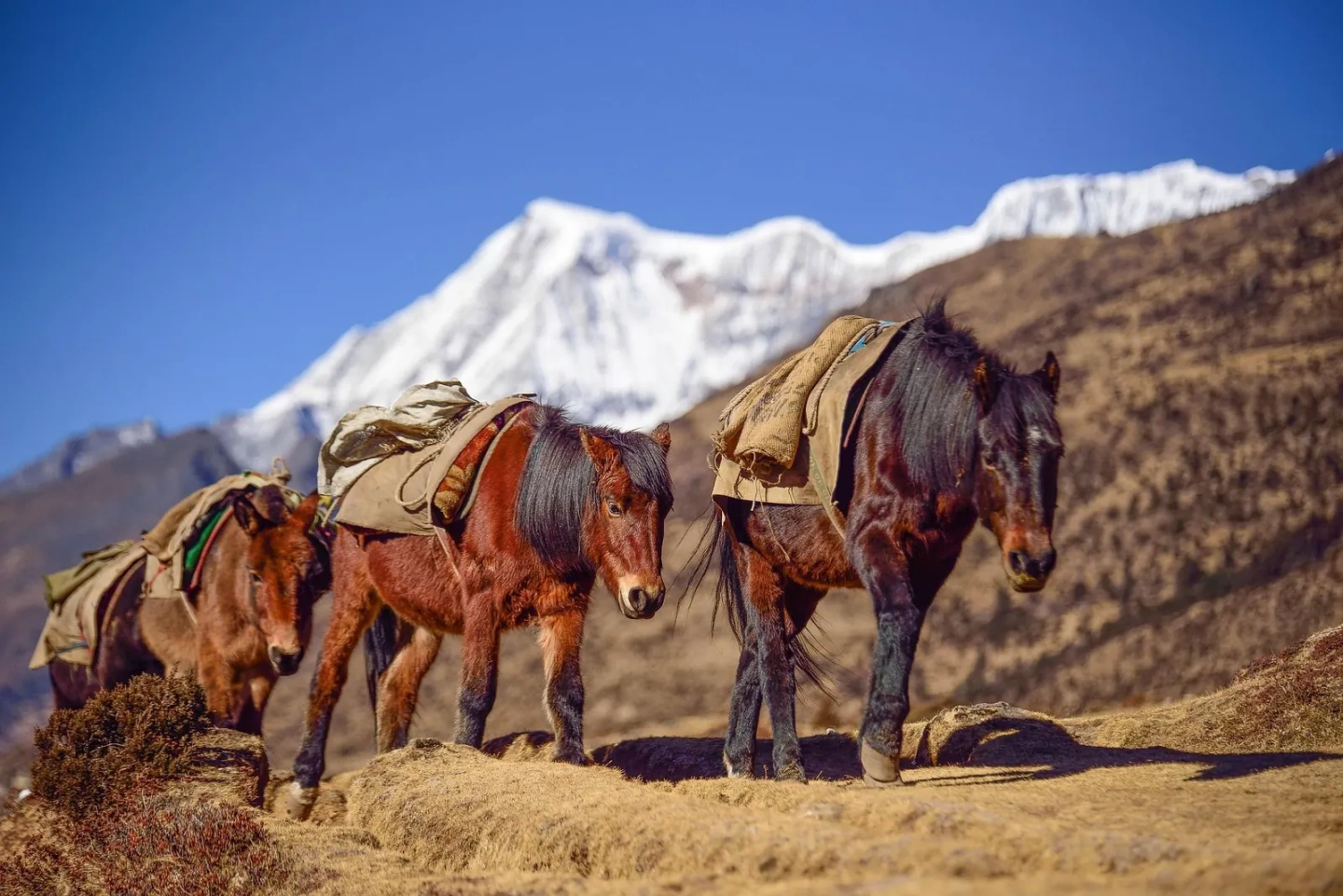
Ponies can be hired for part of the way up, usually as far as the cafeteria area, but not for the descent, which is harder on the animals. Availability varies, so ask your guide in advance. Many people find walking the whole way is fine if they set off early and take regular breaks.
How to visit Tiger's Nest
A licensed guide is required to visit Tiger's Nest and for most sightseeing in Bhutan. Your guide buys any entry tickets, handles the check at the entrance and explains the temples inside. Our guide service and car with driver take care of transport to the trailhead, about 15 to 20 minutes' drive from Paro town.
Before you reach the monastery buildings, you deposit your bags, cameras and phones in lockers at the entrance. Photography is not allowed inside the temples. Take your photos from the viewpoints on the trail, where the views are best anyway.
Best time to hike
Start early in the morning. You will walk in cooler air, share the trail with fewer people and usually have clearer views before afternoon cloud builds. Most guides like to be on the trail soon after breakfast.
The trail is open year round. Spring (March to May) and autumn (late September to November) bring the most settled weather. Summer monsoon months can be wet and slippery but green and quiet. Winter is cold in the shade but often clear. Our page on the best season to visit Bhutan explains the pattern month by month.
What to wear and etiquette
- Dress code: long sleeves and long trousers or a long skirt are required to enter the temples. Shorts and sleeveless tops are not suitable. Hats come off inside.
- Layers: you will warm up quickly on the climb and cool down fast at the top. A light fleece or jacket in your daypack is wise.
- Footwear: walking shoes or light boots with good grip.
- Carry: water, a small snack, sun cream and a hat for the trail.
- A walking stick helps on the descent; sticks are often available near the start.
- Inside the temples: walk clockwise, keep your voice low, do not point your feet at altars and follow your guide's lead on offerings.
- Leave no trace: carry all your rubbish down with you.
If you would like to wear national dress for the visit, our guide to the gho and kira explains how.
Preparing for the hike
You do not need to be an athlete, but a little preparation helps. Plan the hike for later in your trip, after two or three days at altitude in Paro, Thimphu or the central valleys, so your body has time to adjust. Sleep well the night before, eat a good breakfast and avoid alcohol the evening before. On the trail, walk at a pace where you can still hold a conversation, and stop whenever you need to. There is no prize for reaching the top first.
If you have knee trouble, a walking pole and slow, careful steps on the way down make a big difference, as the descent is where most people feel it. Anyone with heart or breathing conditions should speak to their doctor before travelling and let us know in advance, so your guide can plan the day around you.
Combining Tiger's Nest with nearby sights
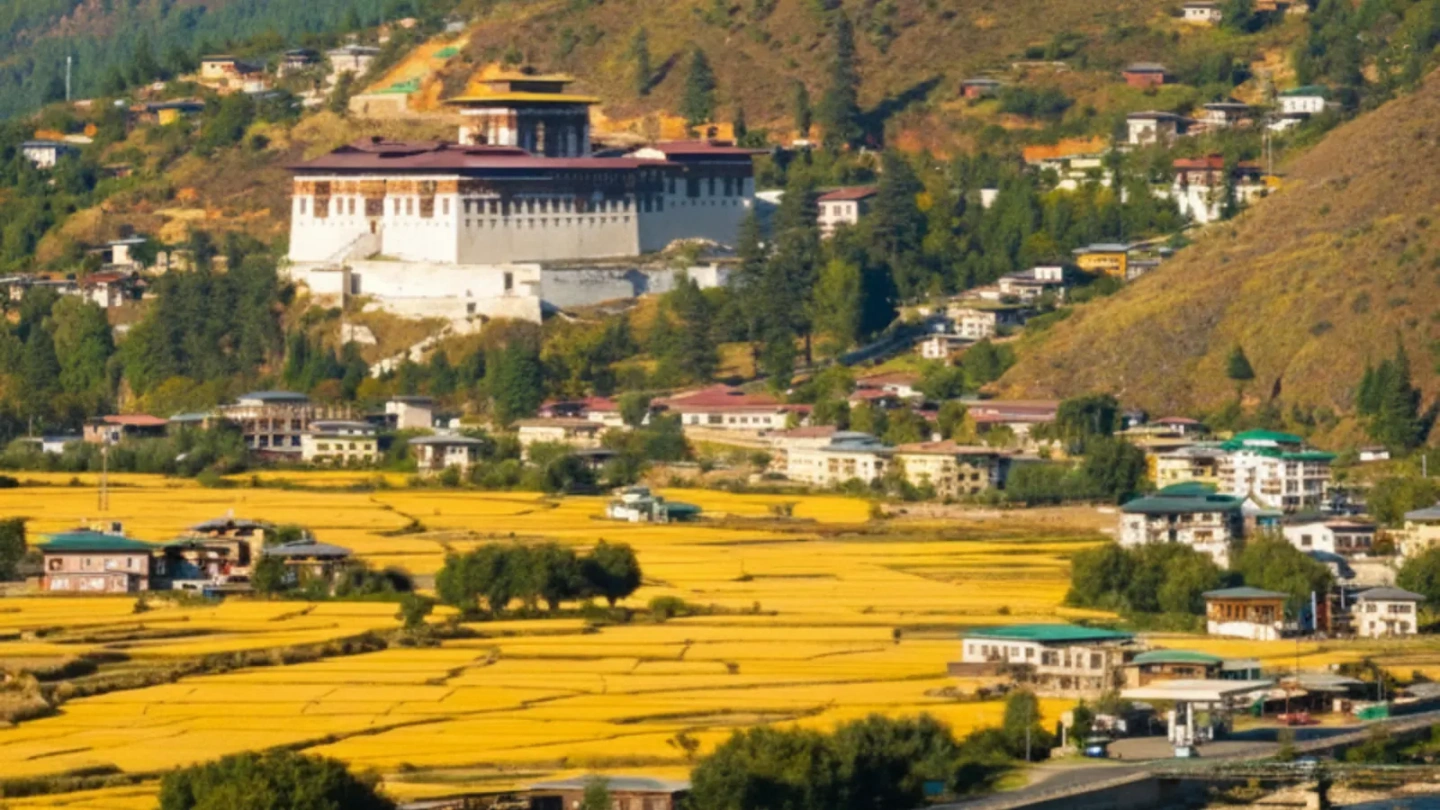
Most travellers save the hike for the last full day in Paro, once they have adjusted to the altitude after a few days in Thimphu, Punakha or the Phobjikha valley. In the afternoon, when your legs need a rest, you can visit Rinpung Dzong and the old cantilever bridge in Paro town, or relax with a hot stone bath.
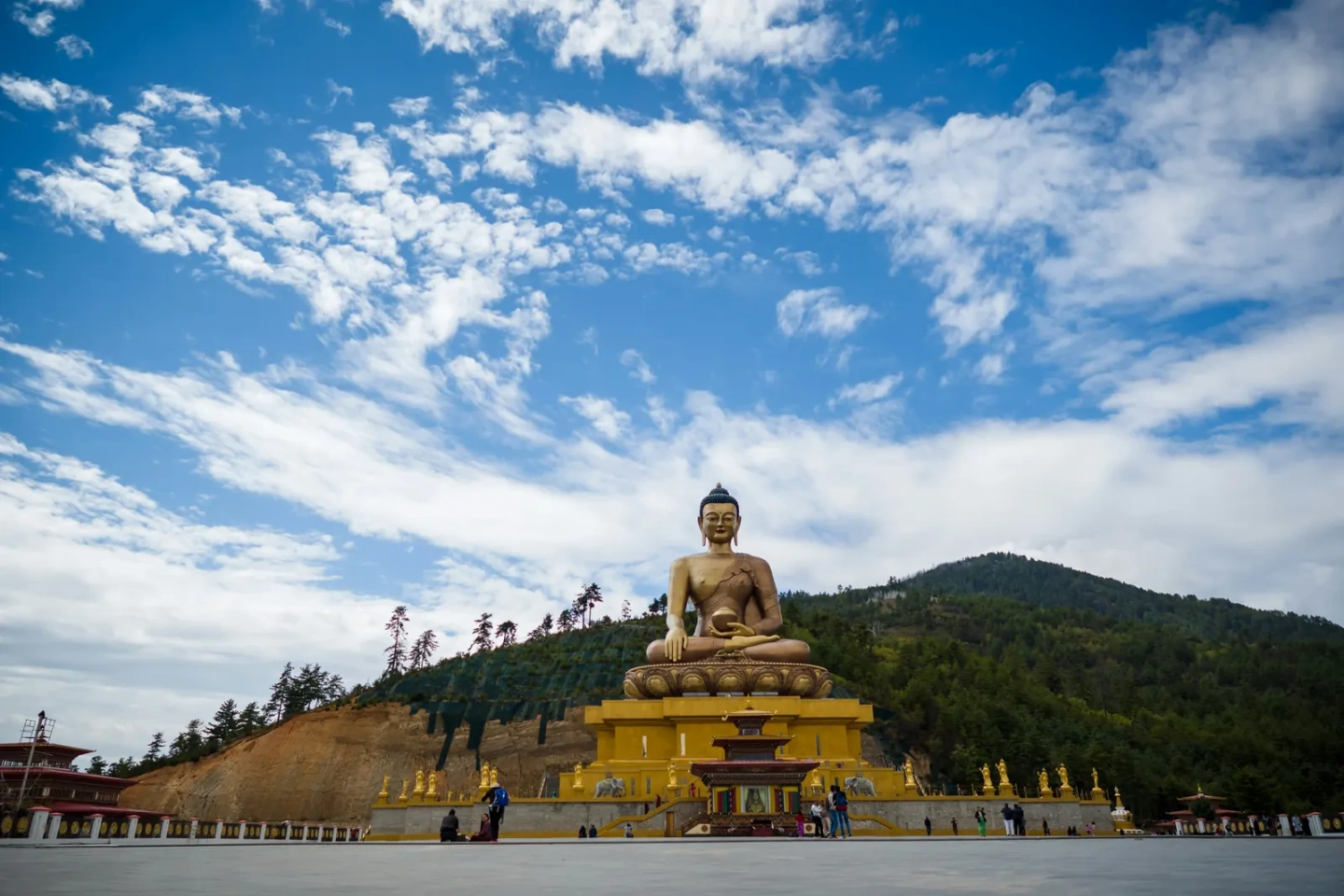
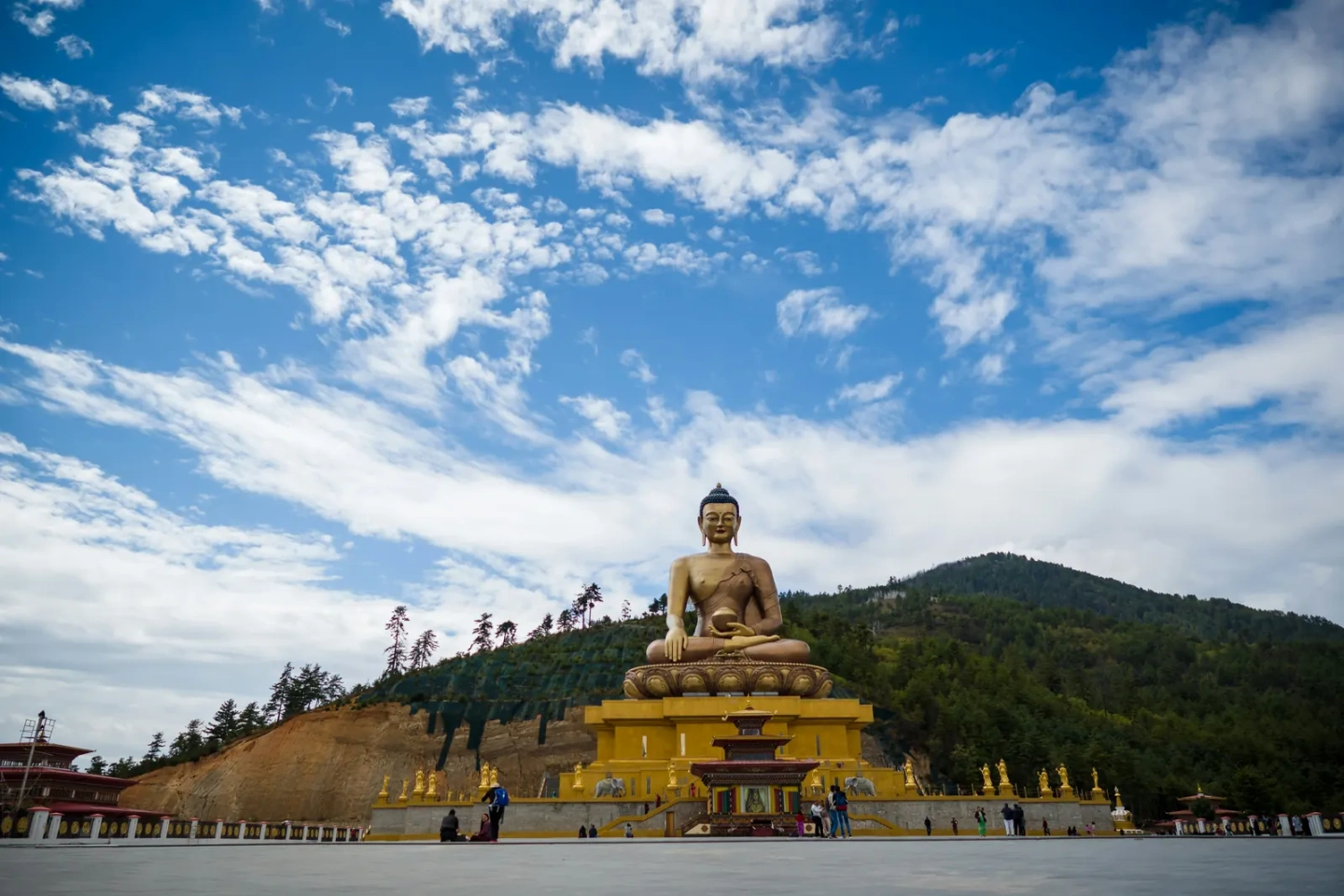
Tiger's Nest appears in every one of our itineraries: the 3-day, 5-day, 7-day and 10-day plans. If you are short on time, the 3-day version pairs the hike with Paro and Thimphu sights such as the Buddha Dordenma. For a longer trip, consider a side trip over Chele La to the Haa valley, which also helps with acclimatisation before the hike.
Fees and how we help
The Sustainable Development Fee (SDF) is currently USD 100 per adult per night (confirmed until 31 August 2027), USD 50 for children aged 6 to 11, and free for children under 6. The visa fee is USD 40. Indian nationals pay INR 1,200 per person per night. Fees and rules can change, so we always confirm the current figures for your dates.
We plan your days so the hike falls at the right point in your trip, provide a licensed guide who knows the trail well, arrange early-morning transport and help with pony hire if needed. Our trip cost calculator gives a quick idea of total costs.
Ready to hike Tiger's Nest? Message us on WhatsApp +975 17661648 or email [email protected]. We reply with a tailored itinerary and quote.
Frequently asked questions
How long does the Tiger's Nest hike take?
The round trip usually takes 4 to 6 hours, including a rest at the cafeteria viewpoint and time inside the temples. Slower walkers should allow the longer end of that range.
How hard is the Tiger's Nest hike?
It is moderate. You gain about 900 m of height on a steady, sometimes steep trail, finishing around 3,120 m. Most reasonably fit people manage it at their own pace.
Can I ride a horse to Tiger's Nest?
Ponies can usually be hired for part of the way up, typically to around the cafeteria, but not for the descent. Ask your guide to arrange it in advance.
Can I take photos inside Tiger's Nest?
No. Cameras and phones are deposited at the entrance and photography is not allowed inside the temples. The best photos are taken from the viewpoints on the trail.
What should I wear for Tiger's Nest?
Long sleeves and long trousers or a long skirt to enter the temples, good walking shoes, layers for changing temperatures and no hat inside the shrines.
Do I need a guide for Tiger's Nest?
Yes. A licensed guide is required for most sightseeing in Bhutan, including Tiger's Nest. Your guide handles tickets and explains the temples.
What is the best time of day to hike?
Early morning. The air is cooler, the trail is quieter and views are often clearer before afternoon cloud builds.
When was Tiger's Nest built?
According to tradition, Guru Rinpoche meditated here in the 8th century. The main temple was built in 1692 and restored after a fire in 1998.