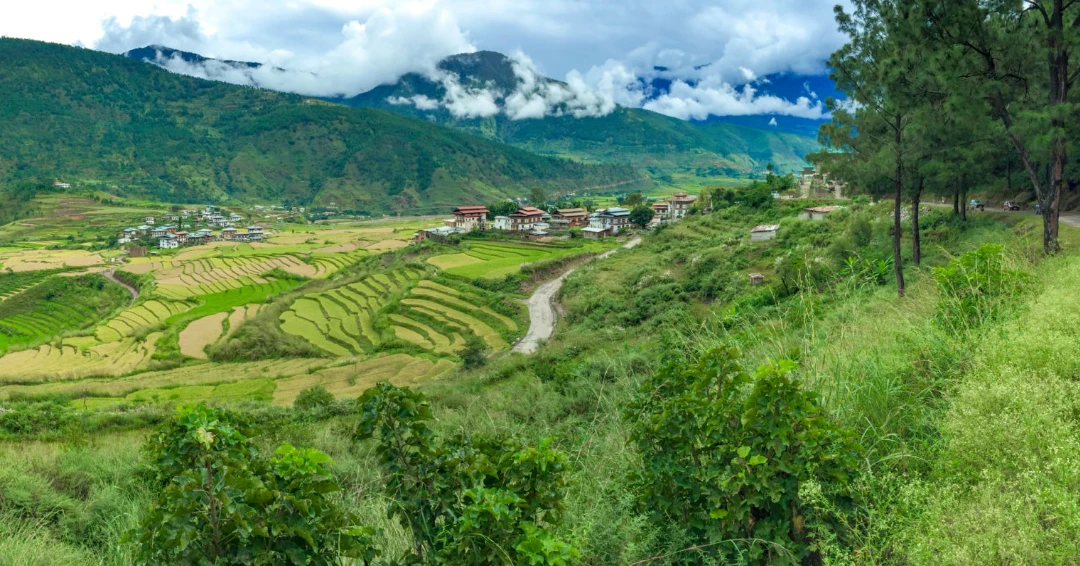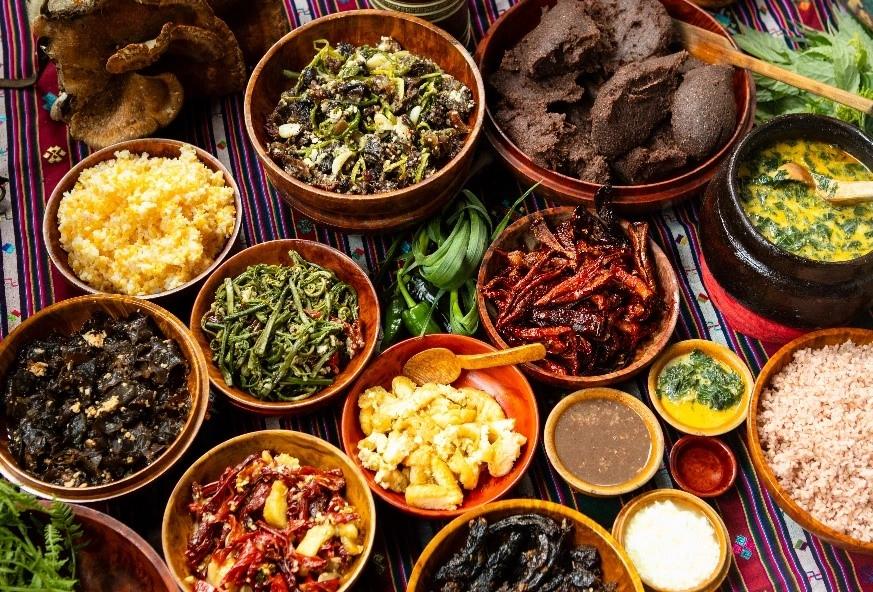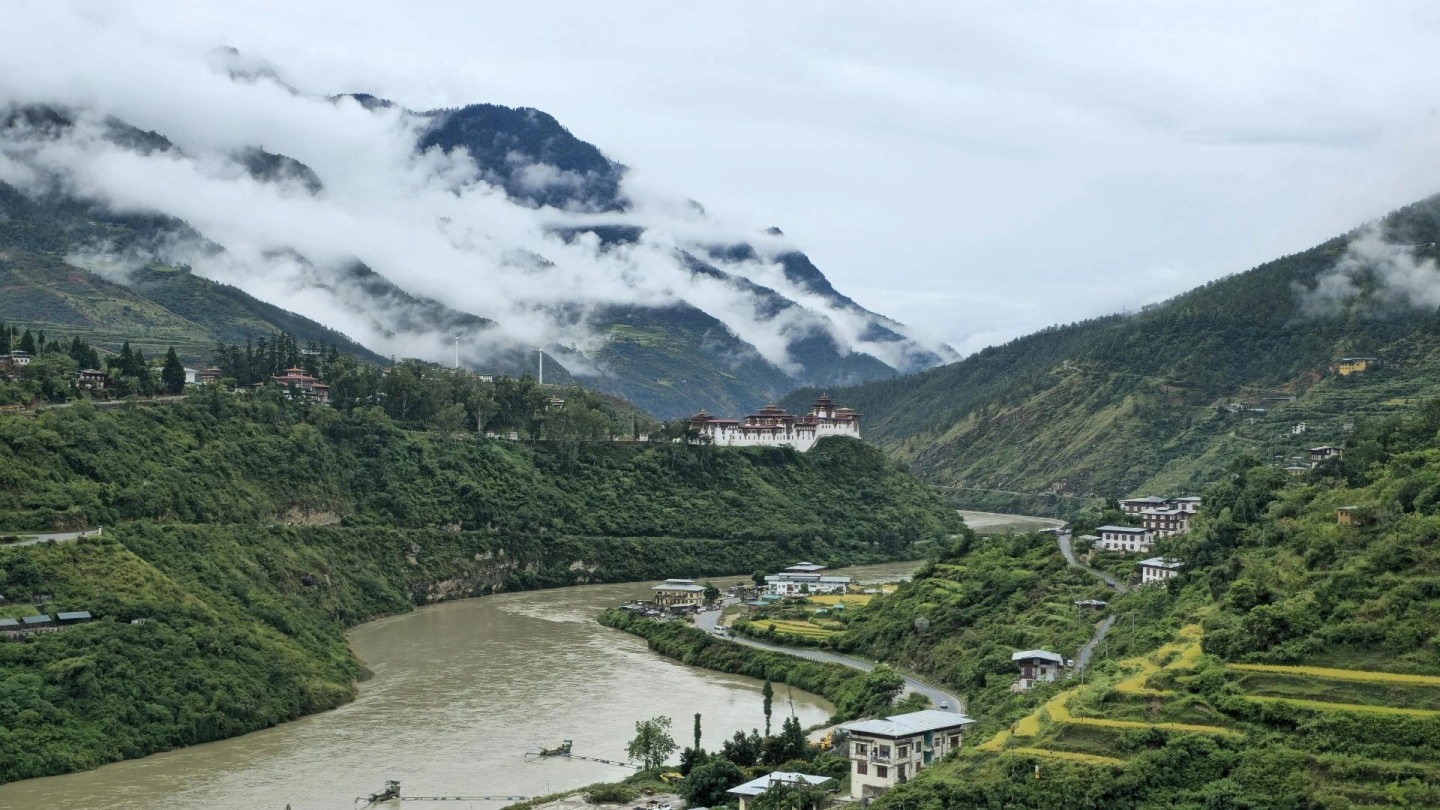
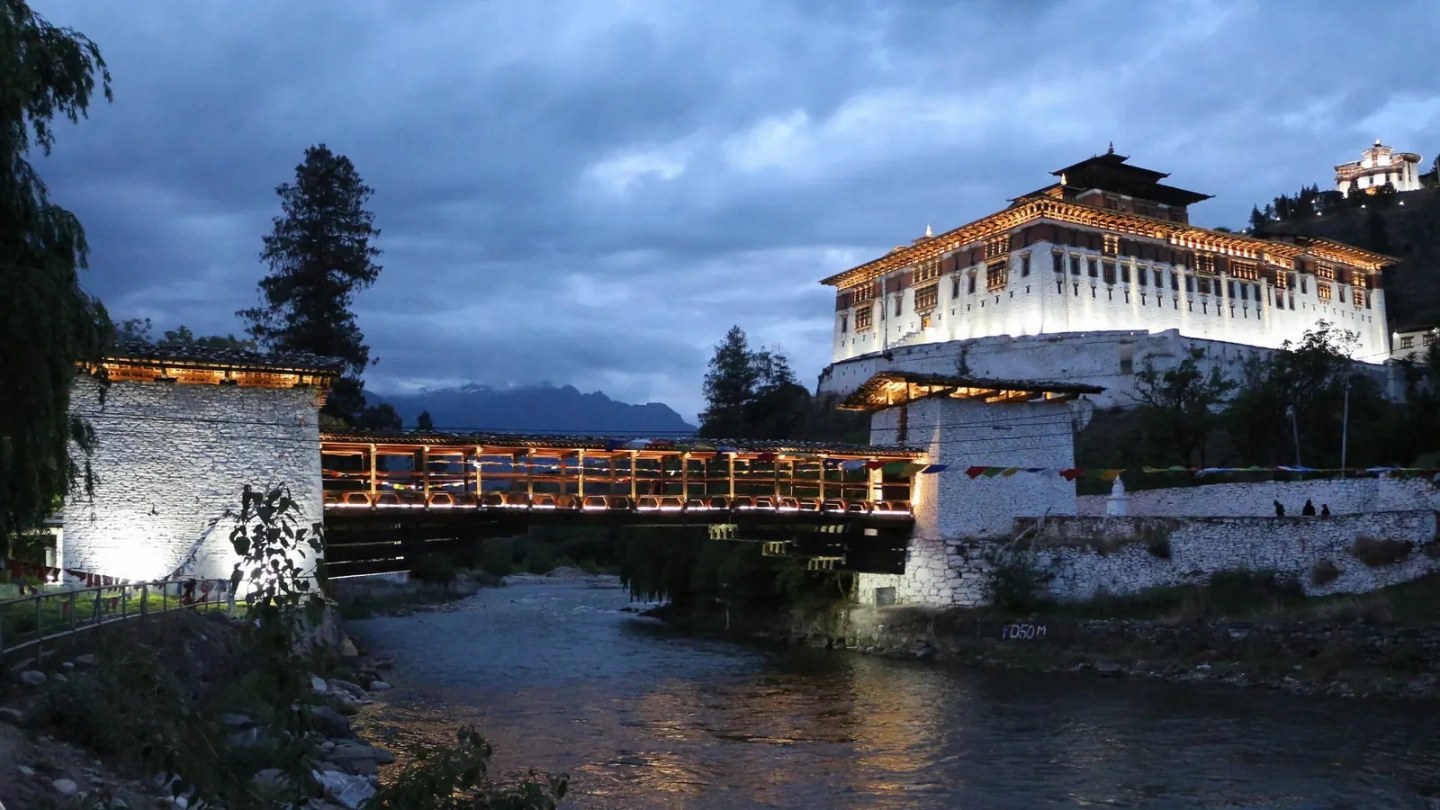
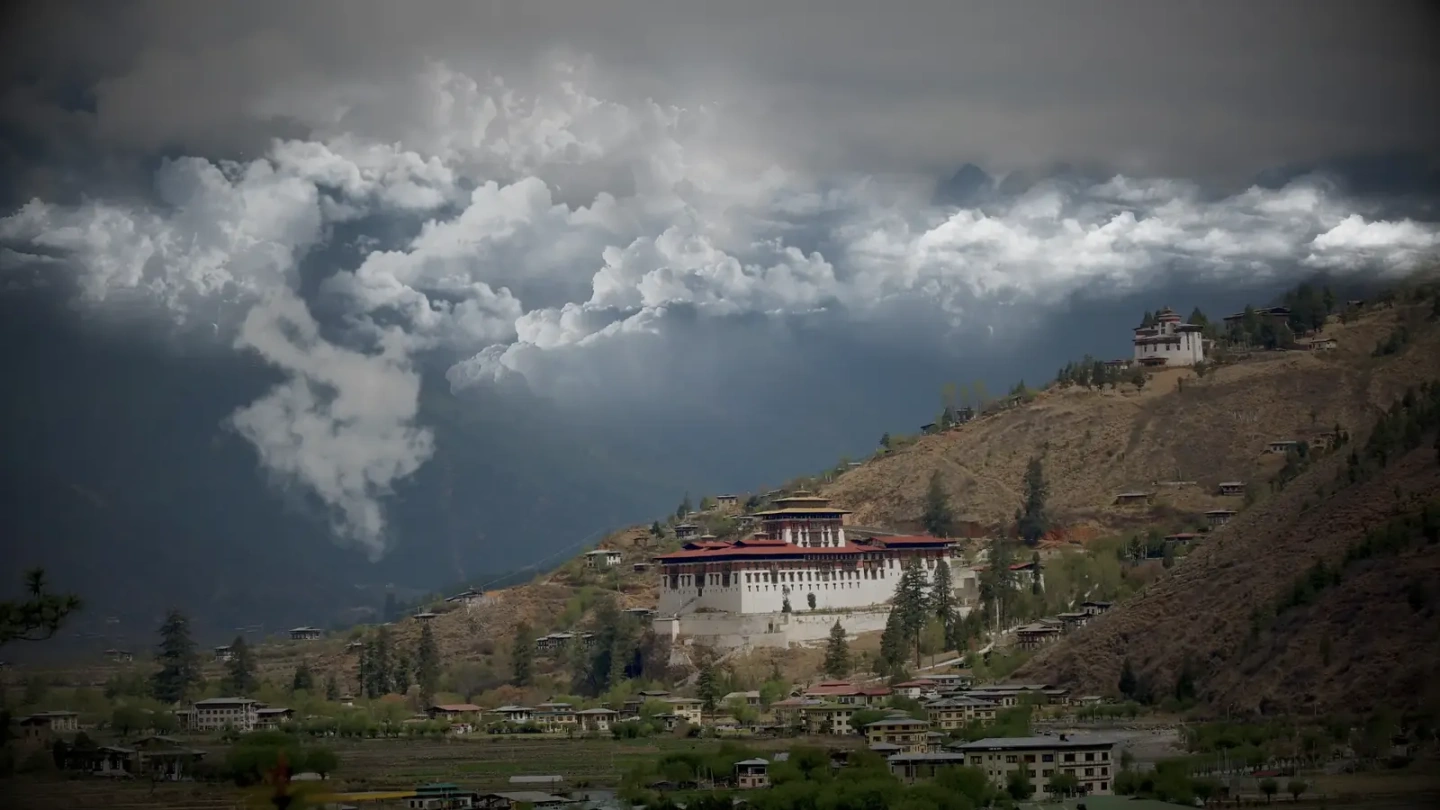
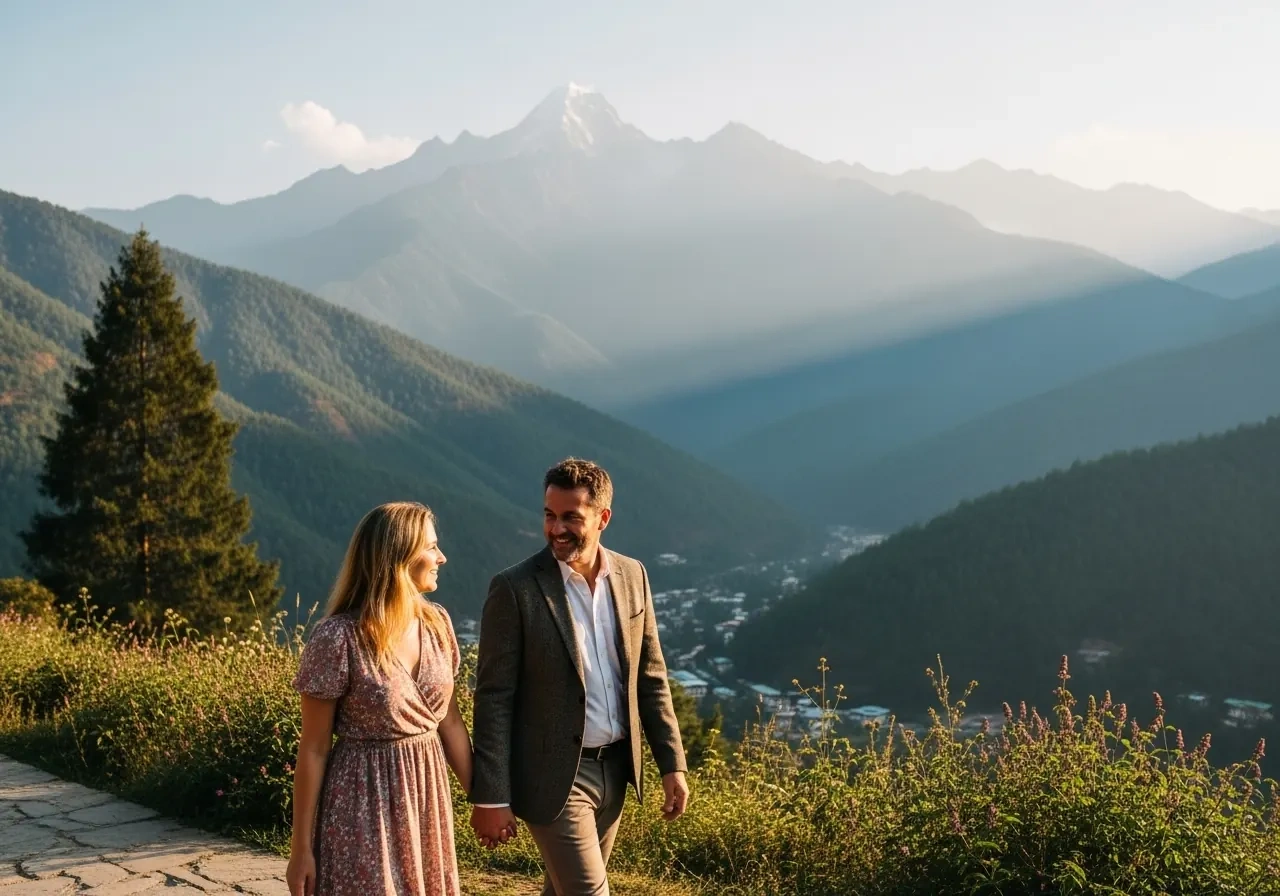


A week in Bhutan lets you go beyond the busiest sights. Alongside Paro, Thimphu and Punakha, this itinerary takes you into the Phobjikha Valley, a wide glacial valley that is home to Gangtey Monastery and, in winter, to the black-necked cranes. It also adds a day in the Haa Valley before finishing with the Tiger's Nest hike.
One week is the length at which Bhutan starts to feel unhurried. You will have time to walk in villages, sit in a temple courtyard and still have a rest afternoon before the hike. As with all our trips, the plan below is a template we tailor to your dates and interests.
The 7 day route at a glance
- Day 1: Arrive in Paro, drive to Thimphu
- Day 2: Thimphu sightseeing
- Day 3: Over Dochula Pass to Punakha
- Day 4: Punakha to the Phobjikha Valley
- Day 5: Phobjikha to Paro via Wangdue
- Day 6: Day trip over Chele La to the Haa Valley
- Day 7: Tiger's Nest hike, departure the next morning
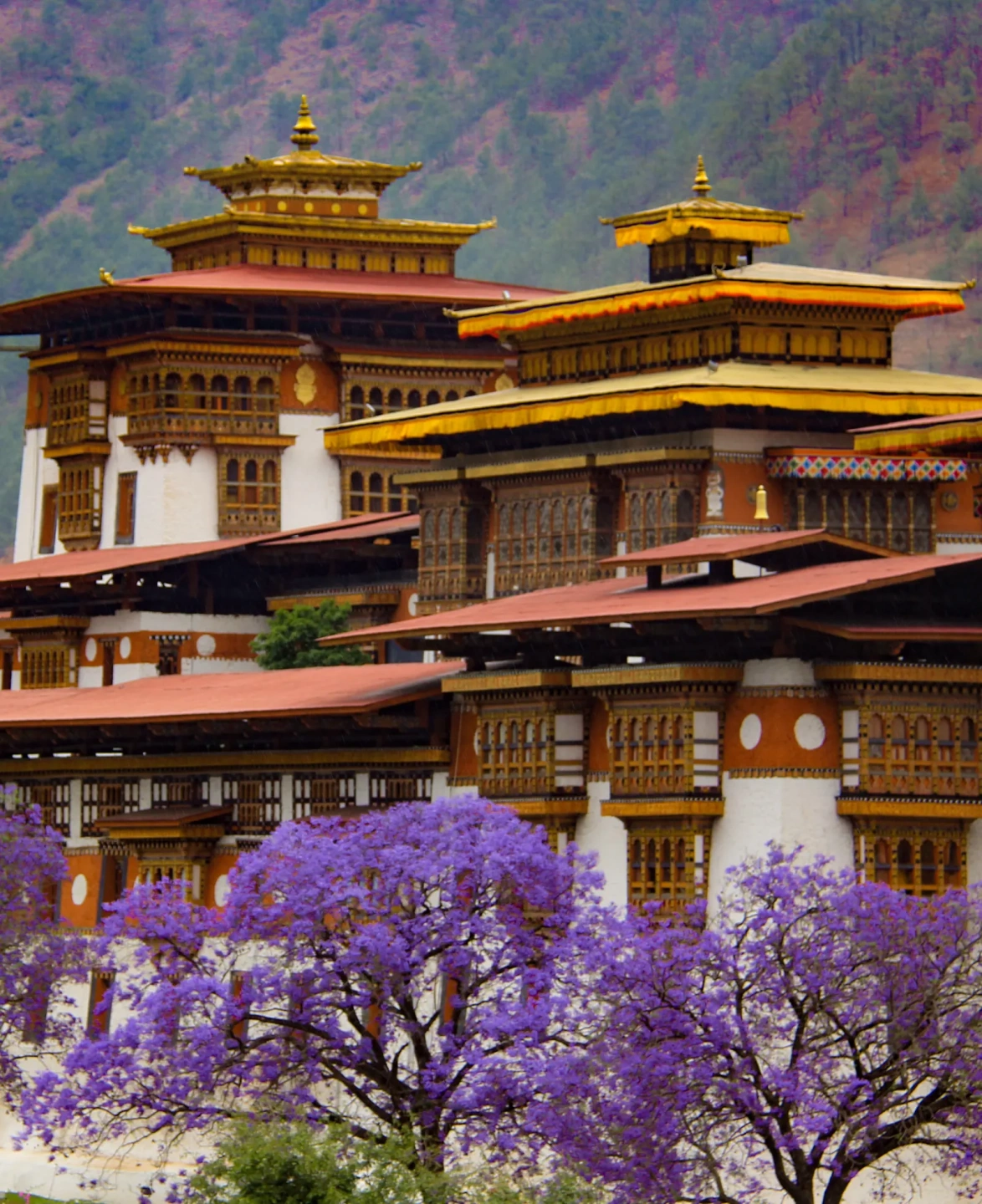
Day by day
Day 1: Arrive in Paro, drive to Thimphu
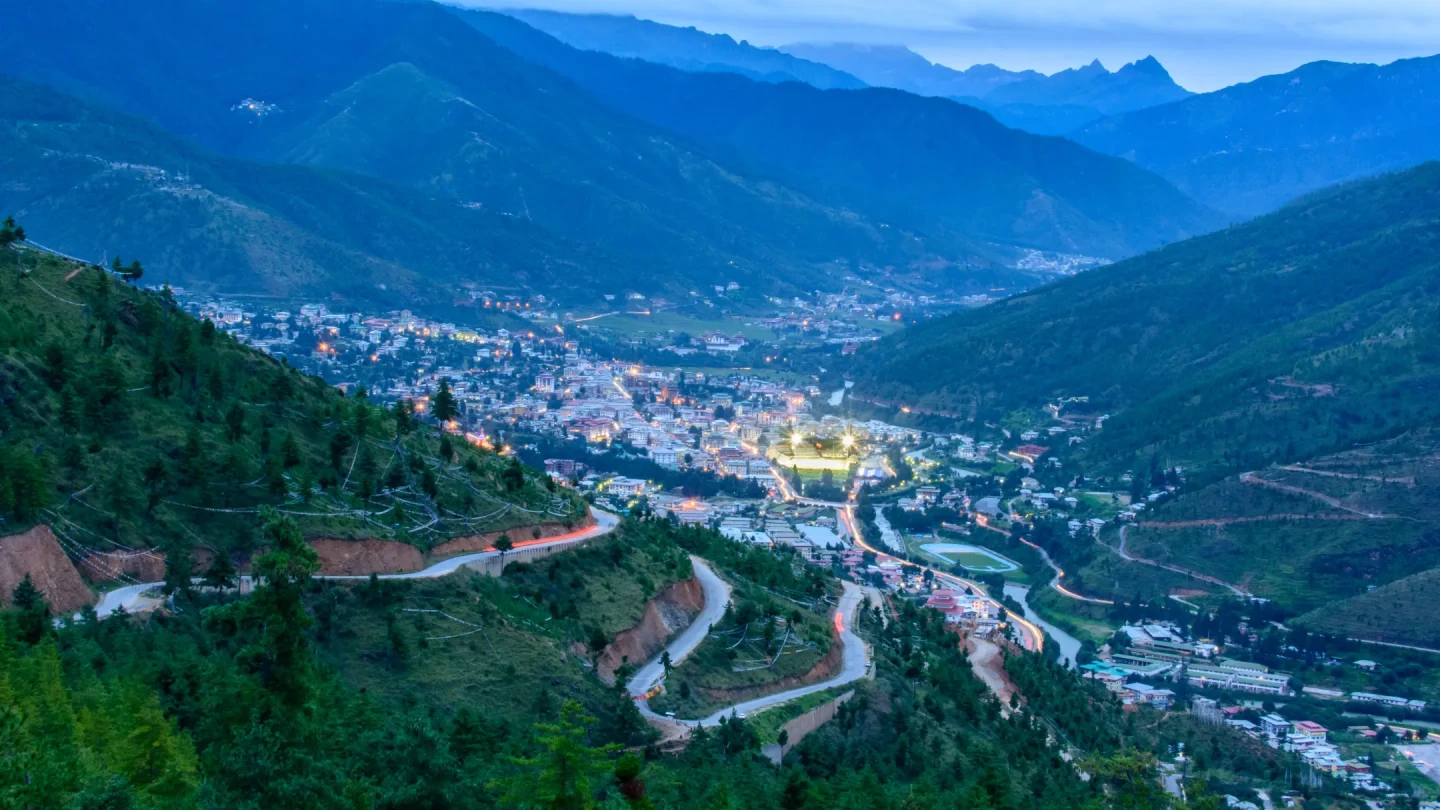
Your guide meets you at Paro airport. Drive to Thimphu, about an hour, and take the afternoon gently. A short walk to the Memorial Chorten, where local people circle the stupa, is a good first outing.
Day 2: Thimphu
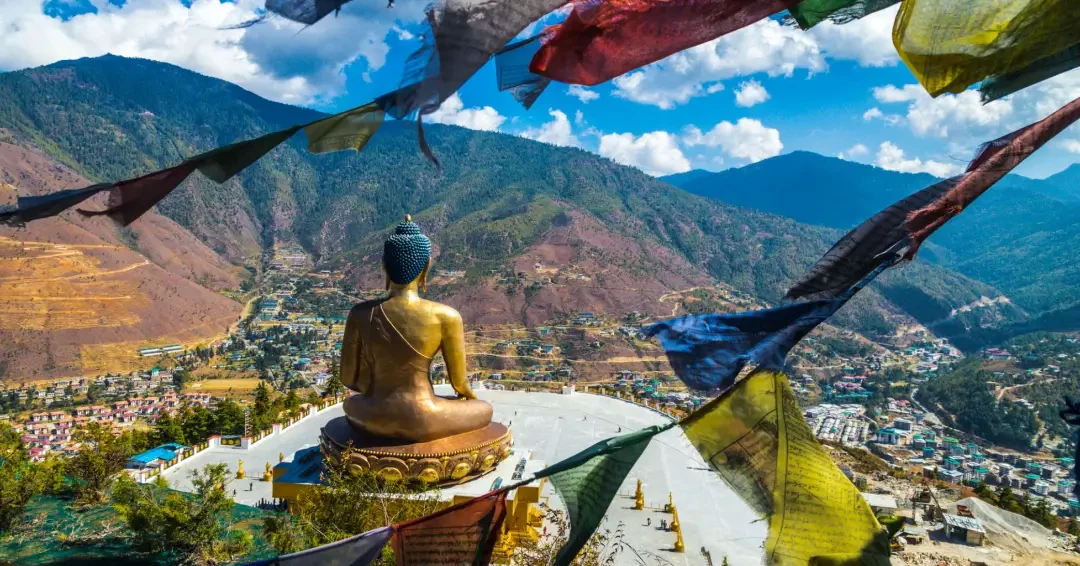
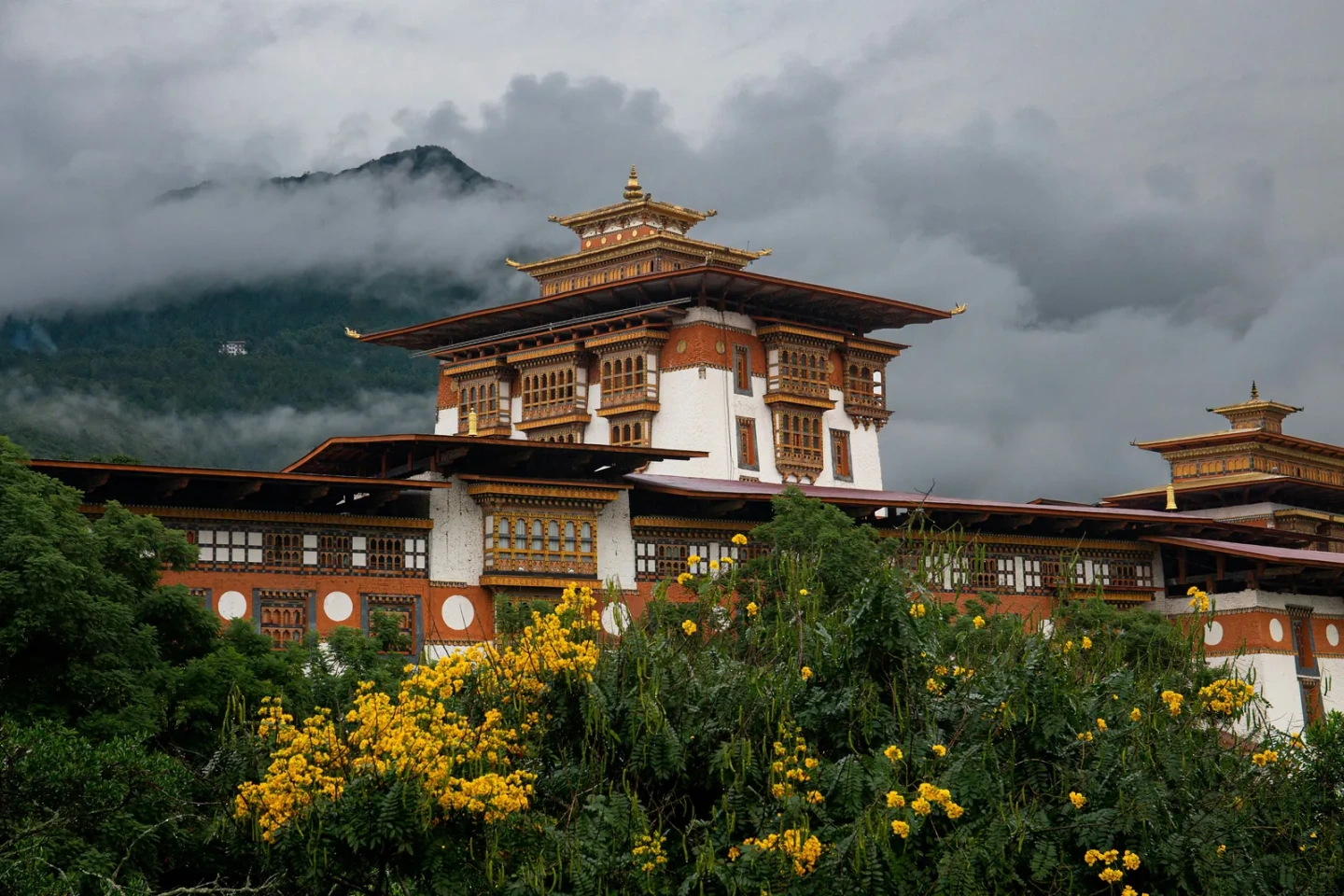
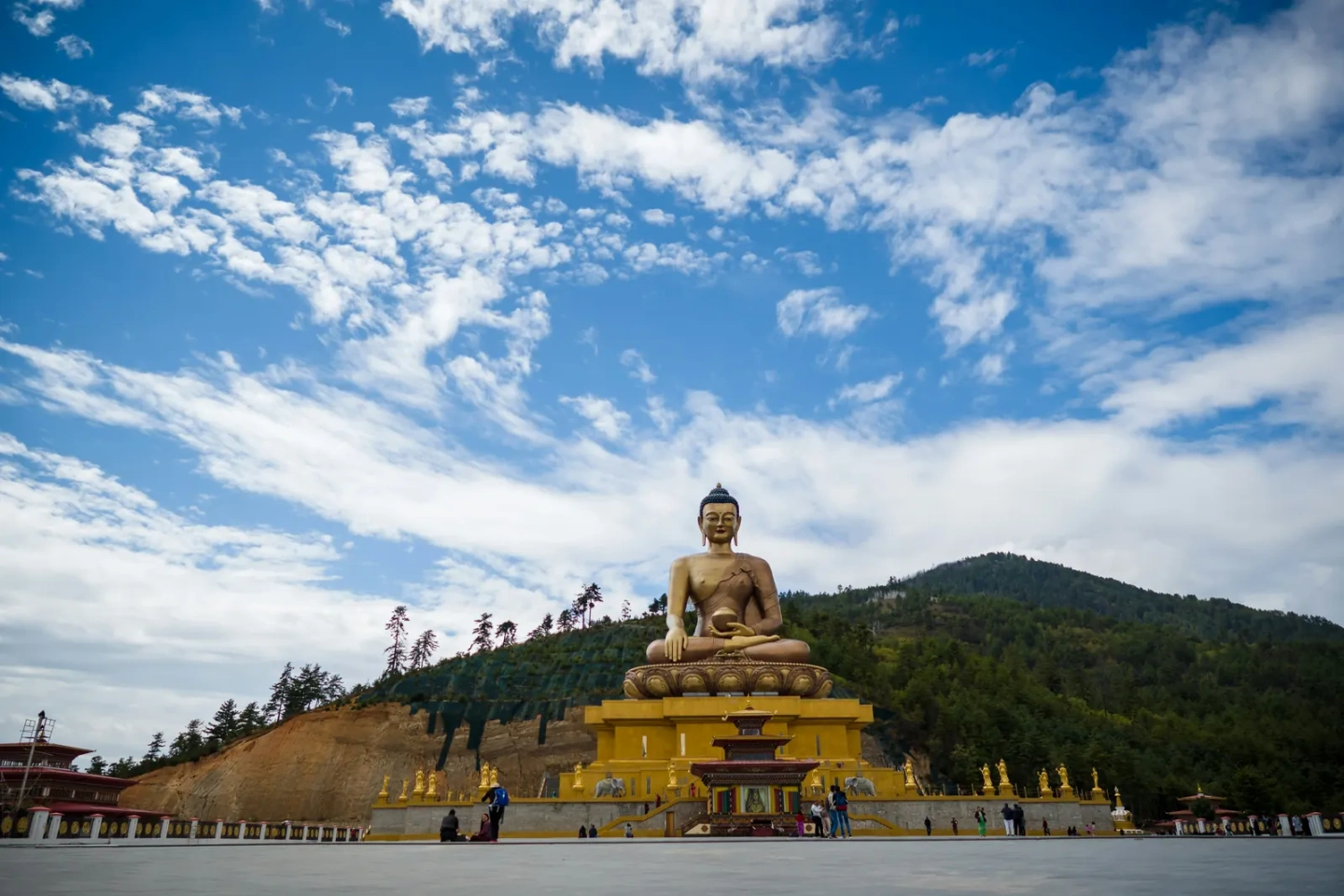
A full day in the capital. Visit Buddha Dordenma above the city, the Folk Heritage Museum, the textile museum and a traditional paper or painting workshop. Late in the afternoon visit Tashichho Dzong when it opens to visitors. If you are in Thimphu at the weekend, the vegetable market by the river is lively and friendly.
Day 3: Thimphu to Punakha via Dochula
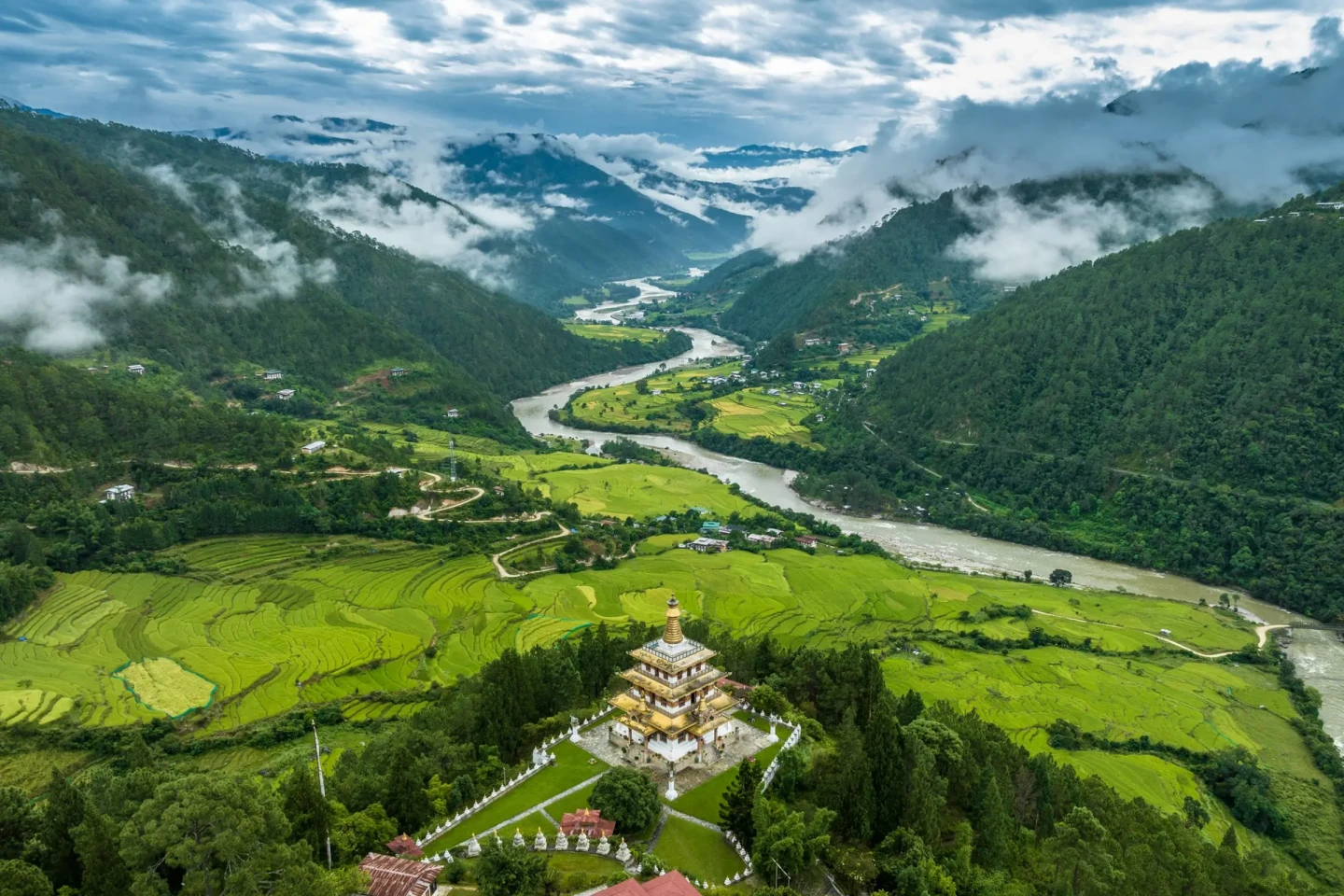
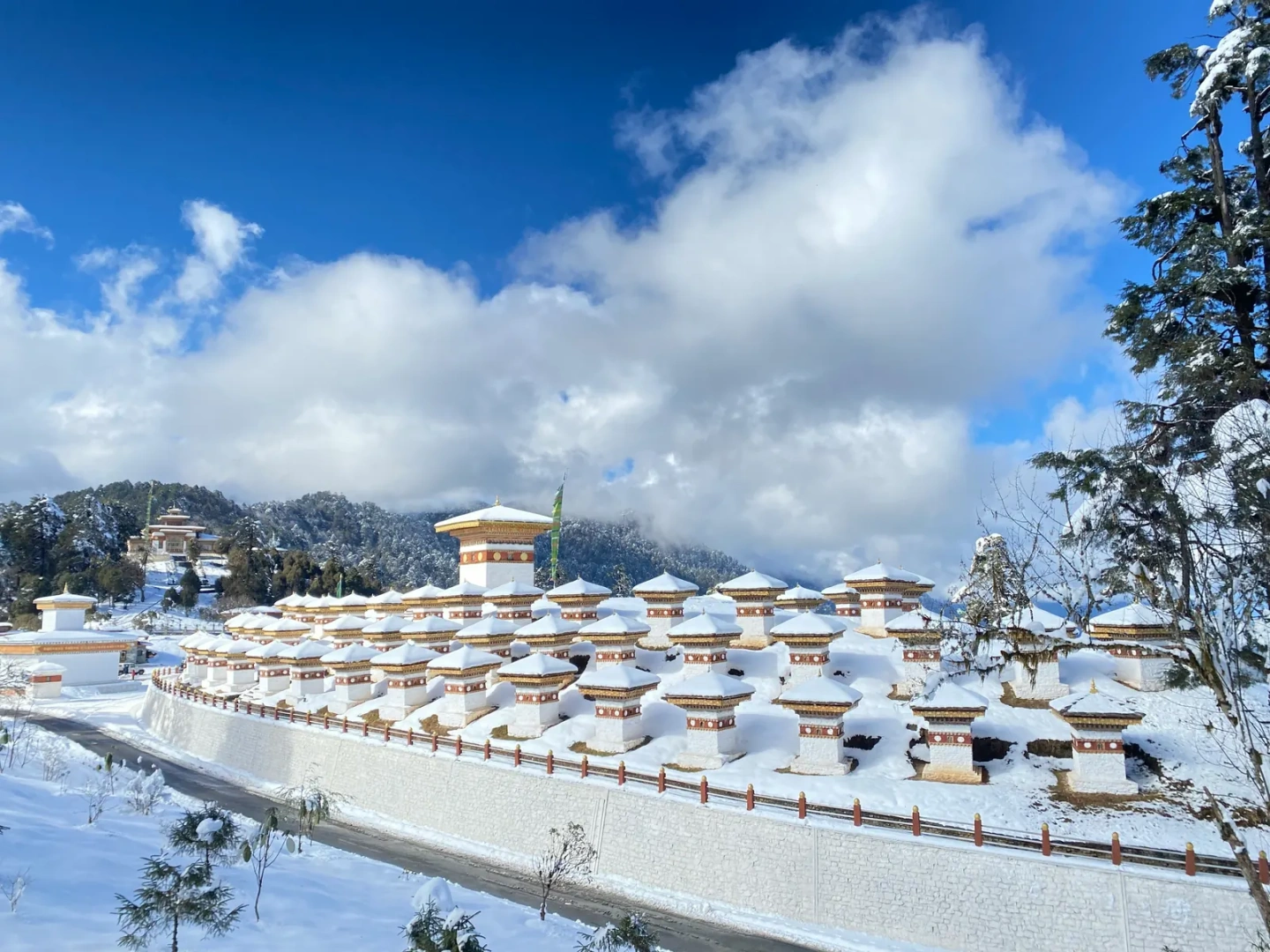
Cross Dochula Pass, stopping for the 108 chortens and, on clear days, the views of the high Himalaya. Descend to Punakha and walk to Chimi Lhakhang through the fields. In the late afternoon visit Punakha Dzong, or keep it for the next morning if you prefer softer light.
Day 4: Punakha to Phobjikha
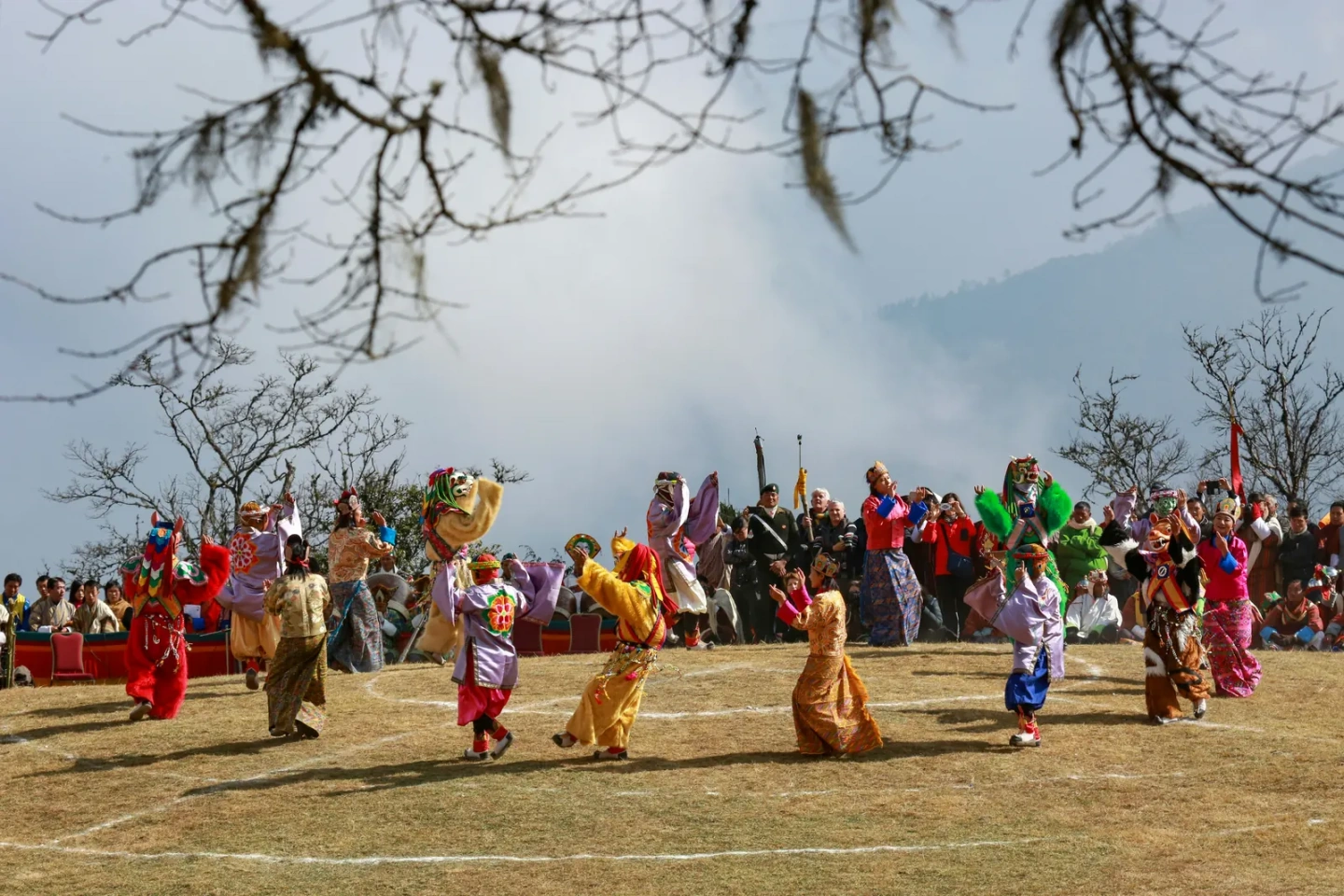
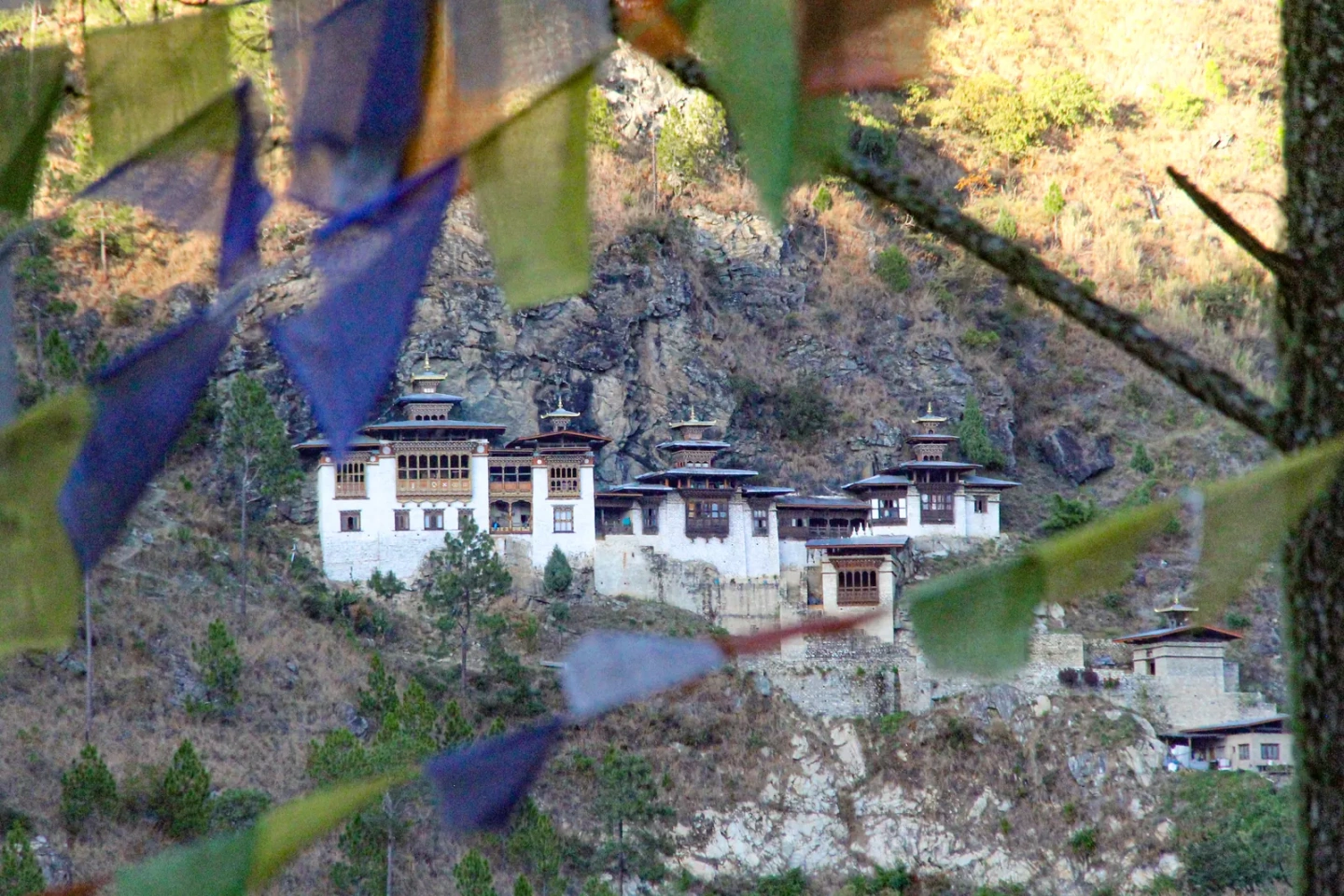
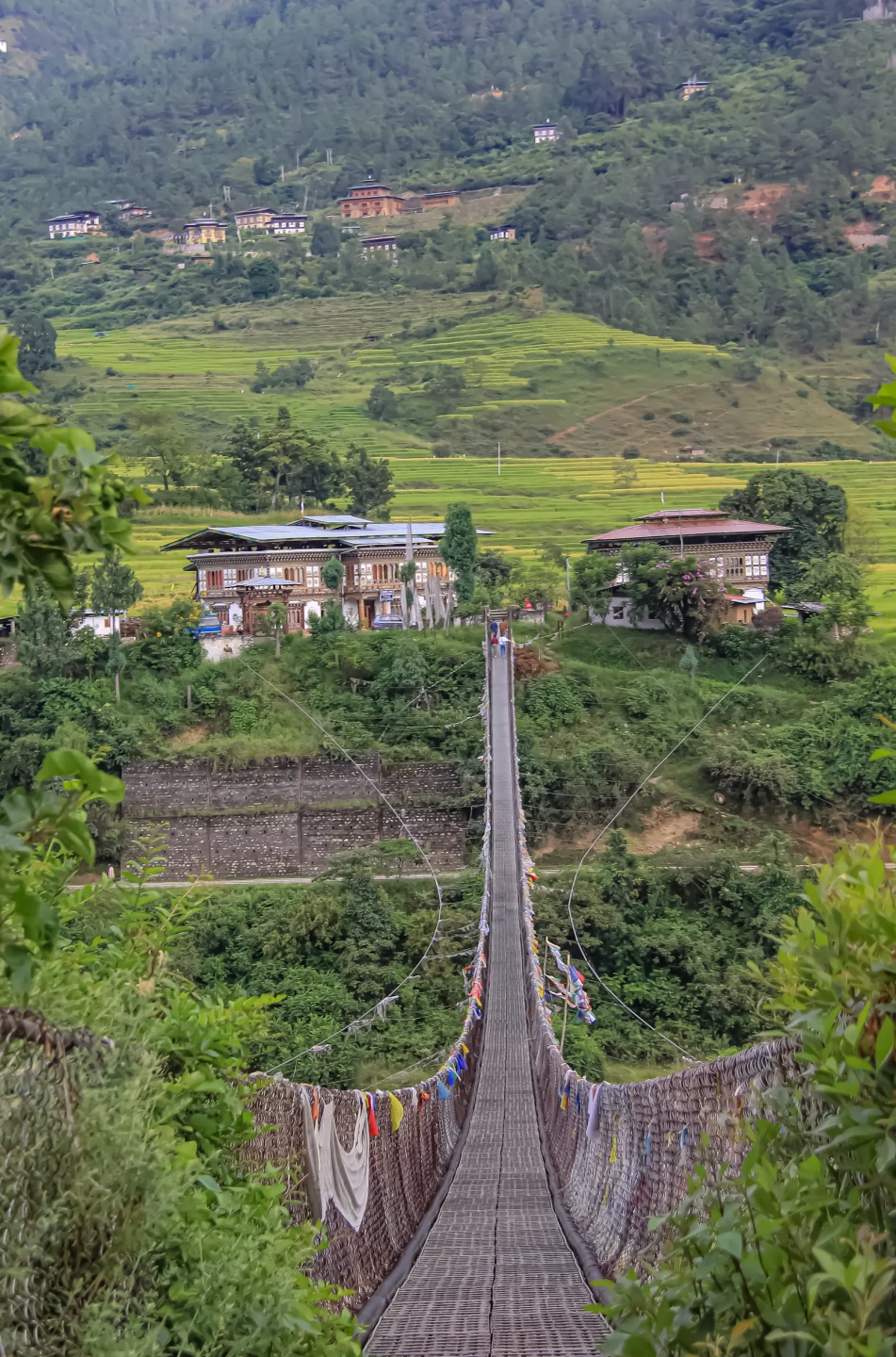
In the morning, walk across the Punakha suspension bridge, one of the longest in the country. Then drive through Wangdue and up to the Phobjikha Valley, about two and a half to three hours. Visit Gangtey Monastery on its ridge above the valley, and in the evening walk part of the Gangtey nature trail. From roughly late October to February, the endangered black-necked cranes spend the winter here; the Black-necked Crane Festival is held at Gangtey every November.
Day 5: Phobjikha to Paro via Wangdue
After a quiet morning in the valley, perhaps a visit to the crane information centre, drive back through Wangdue Phodrang and over Dochula to Paro. This is a long driving day, around six hours with stops, so we keep sightseeing light and break the journey for lunch along the way.
Day 6: Haa Valley over Chele La
Drive up to Chele La, the road pass of nearly 4,000 metres above Paro, for wide views and prayer flags, then descend into the Haa Valley. Visit the Lhakhang Karpo and Lhakhang Nagpo, the white and black temples, and have lunch in a farmhouse. Return to Paro by late afternoon. The high pass also helps you adjust for tomorrow.
Day 7: Tiger's Nest hike
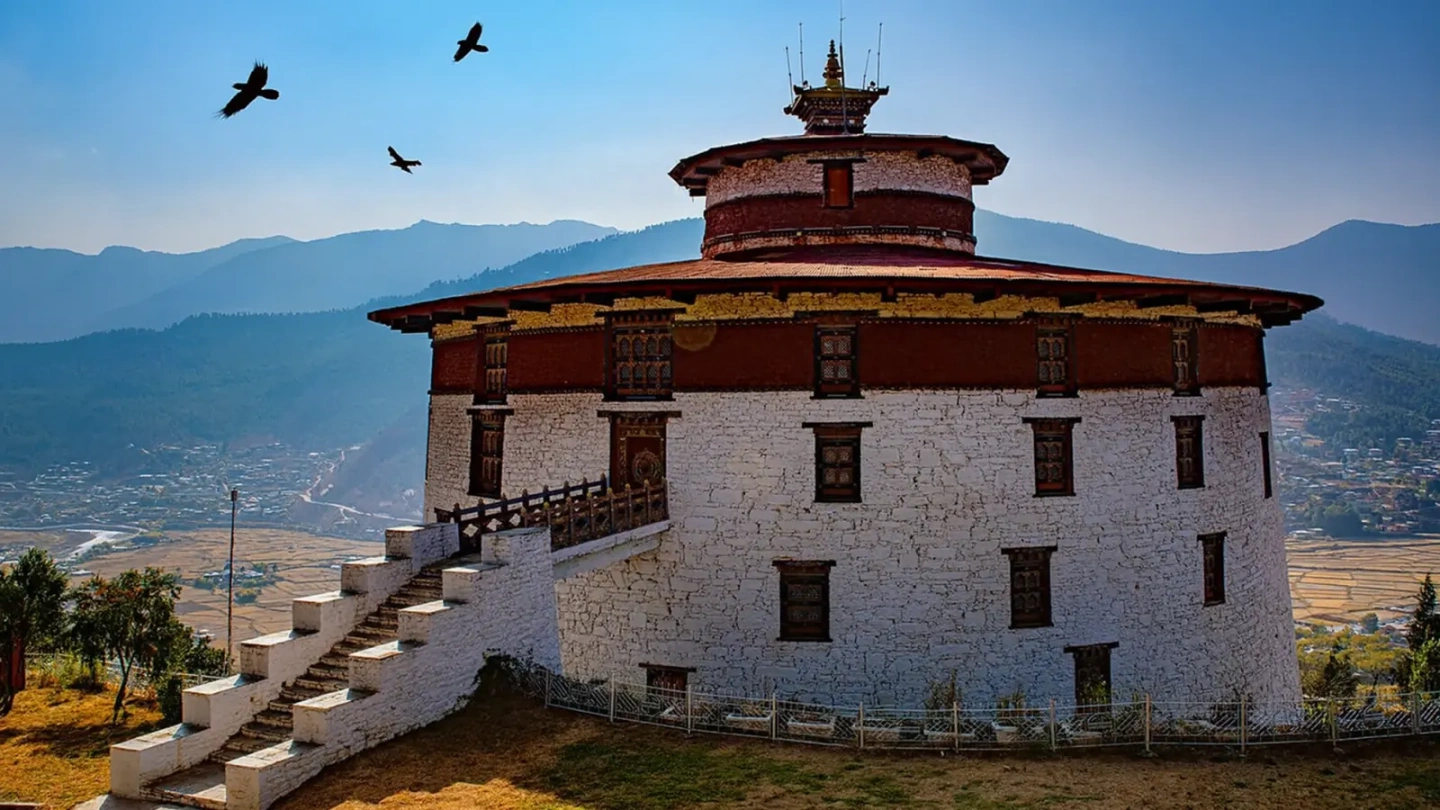
Hike to Paro Taktsang, allowing four to six hours for the round trip. Our Tiger's Nest hike guide covers timing, horses and what to bring. Finish with a visit to Rinpung Dzong or Kyichu Lhakhang if you still have energy, and a farewell dinner.
Who this itinerary suits
- First-time visitors with a full week who want more than the main sights
- Nature lovers, birdwatchers and photographers, especially in the crane season
- Couples and families who like walking but not long treks
- Travellers who prefer a mix of busy and quiet days
Best time to go
Autumn and spring are the best seasons for clear skies and comfortable walking. For the black-necked cranes, travel between late October and February; November is popular because of the festival at Gangtey. Phobjikha is high, at around 3,000 metres, and winter nights are cold, so pack warm layers. In summer the valley is green and quiet, but roads can be slowed by monsoon rain. Our best season guide has more detail.
Pace and driving
Most days have two to three hours on the road. Day 5 is the longest, about six hours with stops. Bhutan's roads wind through the mountains, so average speeds are low and distances look short on a map. Your driver will stop whenever you need. Days 6 and 7 are the most active, with the high pass and the hike.
How to extend this trip
- Add a night in Haa: stay in a farmhouse instead of returning to Paro the same day.
- Go further east: from Phobjikha it is a natural next step to Trongsa and Bumthang, as in our 10 day itinerary.
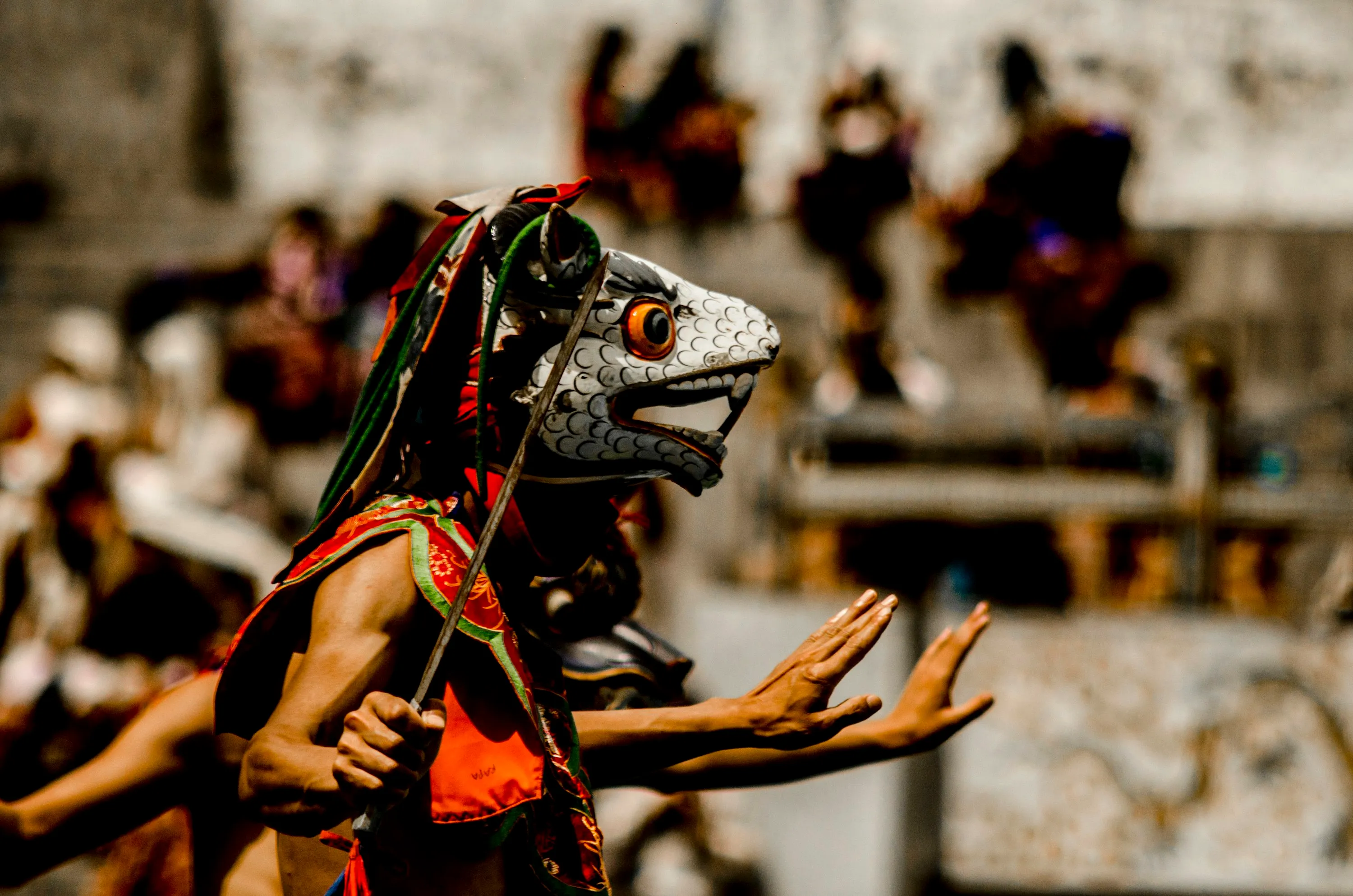
- Add a festival: check our festival calendar.
- Less time? Our 5 day itinerary keeps Punakha and Tiger's Nest but drops Phobjikha and Haa.
Where you stay
A typical plan uses two nights in Thimphu, one in Punakha, one in Phobjikha and two in Paro. In Phobjikha, accommodation ranges from simple guesthouses and farmhouses to a few higher-end lodges, and because the valley is protected, rooms are limited in the crane season, so it is worth booking early for November. Many farmhouses use wood stoves and offer hot water bottles on cold nights. In Punakha, hotels sit along the river or on the hillsides above the valley, and the warmer climate makes it a pleasant place to sit outside in the evening. We match hotels to your budget and tell you honestly where the choices are limited.
Travelling from India
Indian nationals can follow this route with an entry permit instead of a visa, and under current rules need a licensed guide and route permits for Punakha, Wangdue, Phobjikha and Haa. Many Indian travellers enter by road through Phuentsholing and leave by air from Paro, which adds a night at the start. See our pages for trips from Kolkata, Delhi, Mumbai and Bangalore for routes and documents.
What is included is in your quote
We do not publish fixed package prices because every trip is built around your dates, hotels, group size and pace. Your written quote lists exactly what is included, typically the guide, the car and driver, hotels, meals, permits and the SDF, and anything that is not included, so you can compare like with like. For a quick ballpark first, try our trip cost calculator. The Sustainable Development Fee (SDF) is currently USD 100 per adult per night for most nationalities, a rate confirmed until 31 August 2027, and INR 1,200 per person per night for Indian nationals. Fees can change, so we confirm the current rates for your dates when we quote.
Practical tips
- Phobjikha has fewer shops and ATMs than the towns, so carry some cash. See our money guide.
- Pack warm layers for Phobjikha and Chele La even outside winter. Our packing list helps.
- Please keep a respectful distance from the cranes and follow your guide's advice in the valley.
- Dress modestly for dzongs and temples.
- If you would rather travel at your own pace with only a car and driver for part of the trip, see car hire with driver.
Planning a week in Bhutan? Message us on WhatsApp +975 17661648 or email [email protected]. We reply with a tailored itinerary and quote.
Frequently asked questions
Is one week enough for Bhutan?
A week is enough to see western Bhutan well, including Punakha, Phobjikha and Haa, at a comfortable pace. Central Bhutan, such as Bumthang, needs around ten days.
When can I see the black-necked cranes?
The cranes usually arrive in Phobjikha in late October and leave around February or March. Exact dates vary each year. The crane festival at Gangtey Monastery is held every November.
Is Phobjikha worth visiting outside crane season?
Yes. The valley is quiet and open, with good walks and Gangtey Monastery. In spring and summer it is green and full of wildflowers.
Can we stay overnight in Haa?
Yes. Haa has farmhouses and small hotels. An overnight stay makes the day less rushed and lets you explore the valley further.
How long are the drives on a 7 day trip?
Most days are two to three hours. The return from Phobjikha to Paro is the longest, about six hours with stops.
Can Indian travellers do this itinerary?
Yes. Indian nationals need an entry permit, route permits for districts beyond Thimphu and Paro, and a licensed guide under current rules. We arrange all of these.
How much does a 7 day Bhutan itinerary cost?
It depends on your hotels, season and group size. Our calculator gives a ballpark, and we send a written quote that lists exactly what is included.