










Bhutan's best souvenirs are handmade, often by the same families who have made them for generations. Here is what to look for, where to find it and how to buy well, plus how to order Bhutanese crafts online from home.
Shopping in Bhutan is relaxed. There are no giant malls and little pressure to buy. Instead you will find small family shops, weavers working at their looms, craft markets and workshops where you can watch pieces being made. The best souvenirs carry a story, and your guide can help you hear it.
What to buy in Bhutan
- Hand-woven textiles: kira and gho fabric, scarves and table runners, especially from Lhuentse and Bumthang.
- Yathra: colourful wool cloth from Bumthang, made into blankets, jackets and bags.
- Thangka paintings: Buddhist scroll paintings, from small prints to master works.
- Handmade paper (deh-sho): notebooks, cards and lampshades made from daphne bark.
- Incense: traditional herbal incense, a light and fragrant gift.
- Bamboo and cane crafts: baskets (bangchung) and boxes from eastern and southern Bhutan.
- Masks and woodwork: carved festival masks and wooden bowls.
- Bhutan stamps: the country's colourful stamps are prized by collectors.
- Food gifts: red rice, buckwheat products and dried chillies.
Textiles: the heart of Bhutanese craft
Weaving is Bhutan's most celebrated art, and most of it is done by women on back-strap or horizontal looms at home. Patterns are built up thread by thread, and a complex kira can take many months to finish. The most prized textiles come from Lhuentse in the east, the home of Kishuthara, a richly patterned silk brocade worn on special occasions. Bumthang is known for yathra, thick wool cloth woven in bright geometric bands, traditionally used for blankets and now also made into jackets, cushion covers and bags.
Smaller pieces make excellent gifts: scarves, table runners, cushion covers and bags all show off Bhutanese patterns without the cost of a full kira. If you would like to learn more, ask your guide to include a visit to a weaving workshop or a weaver's home.
Masks, woodwork and thangkas
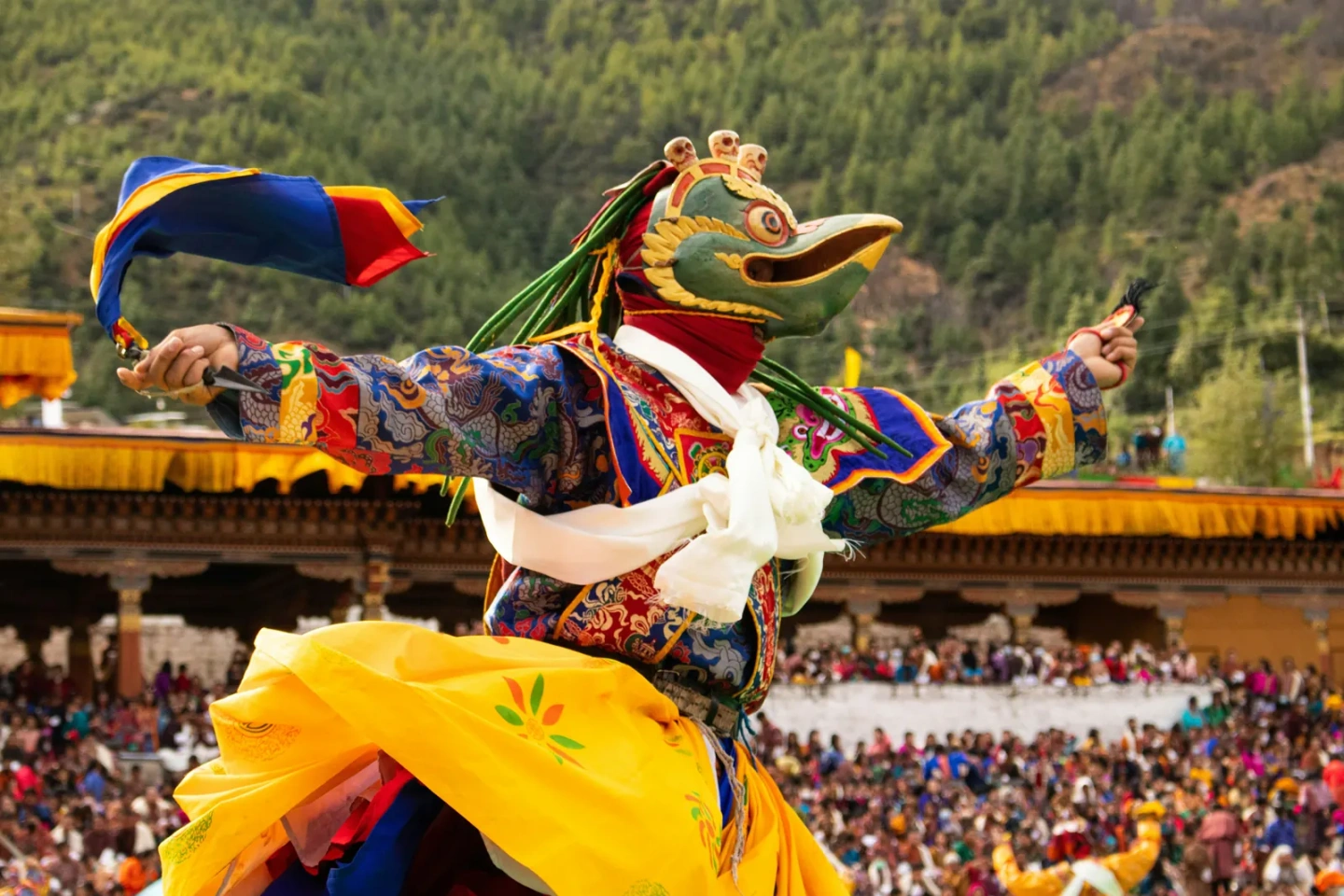
Carved and painted masks represent the deities, animals and characters of the masked dances performed at Bhutan's festivals (tsechus). They make striking wall pieces and come in every size. Wooden bowls, traditionally turned from knots of wood, were once used for food and drink and are still prized. Carved wooden items such as small altars and boxes are also widely available.
Thangkas are Buddhist scroll paintings on cloth, painted to strict rules of proportion and colour. Prices vary hugely between printed reproductions, student works and paintings by master artists, so ask how a piece was made before you buy. A good thangka is a devotional object as well as a work of art, and it is treated with respect.
Paper, incense and smaller gifts
- Deh-sho paper: made by hand from the bark of the daphne shrub, strong and beautifully textured. Look for notebooks, greeting cards, wrapping paper and lampshades.
- Incense: Bhutanese incense is made from herbs, woods and resins, and is light to carry and lovely to give.
- Prayer flags: printed with mantras in five colours, to be hung outdoors where the wind can carry the prayers.
- Stamps: Bhutan has a long history of unusual and colourful stamps, and the post office in Thimphu is a good place to start.
- Food: red rice, buckwheat products, dried chillies and local tea are easy to pack. Check your home country's import rules first.
Zorig Chusum: the thirteen arts
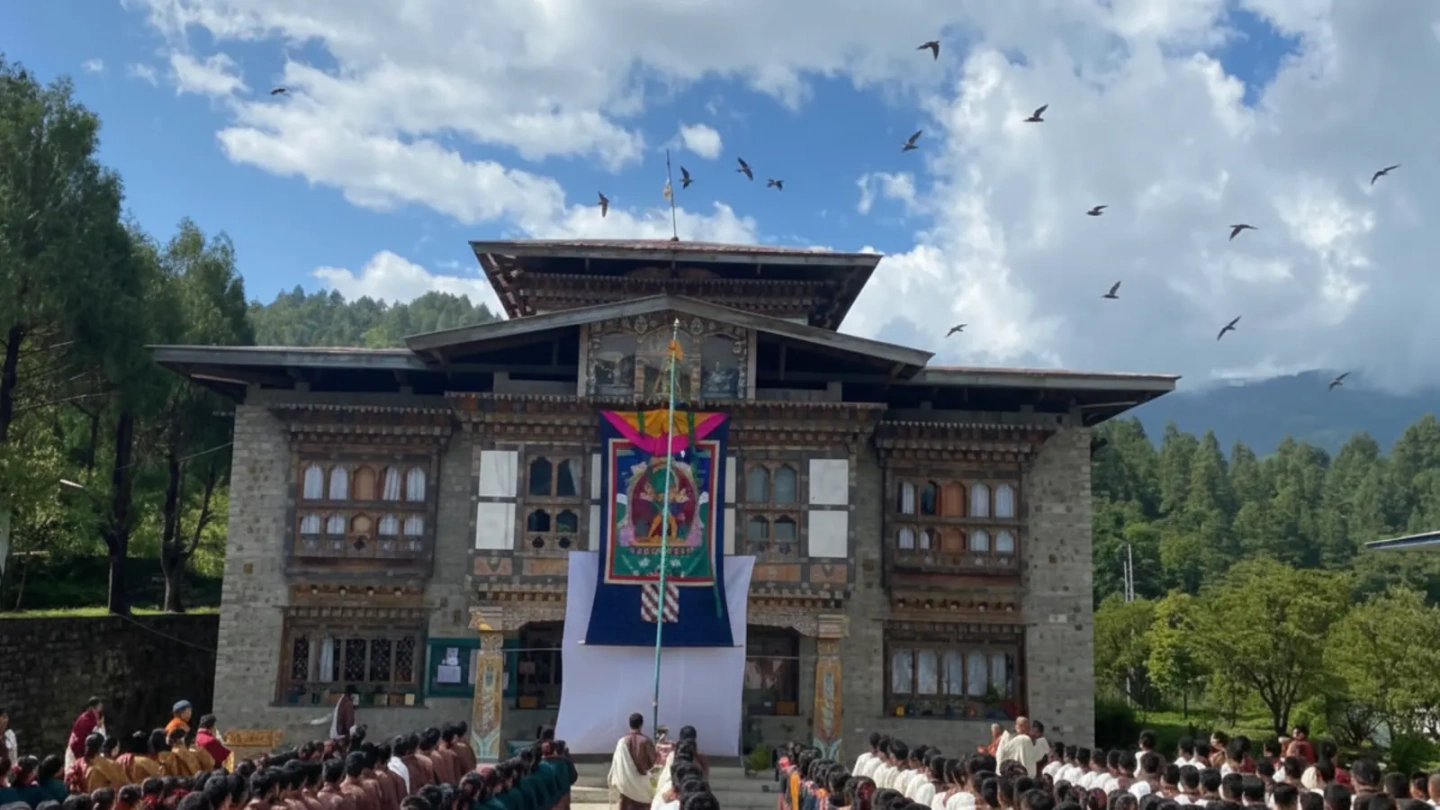
Bhutan's traditional crafts are grouped as Zorig Chusum, the thirteen arts, which include painting, sculpture, wood carving, calligraphy, weaving, embroidery, bamboo work, paper making and metal work. Young people still train in these arts at specialist institutes, and visiting a place where students work is a wonderful way to understand what you are buying. Many of the best pieces in Thimphu's craft shops are made by trained artisans following these traditions.
Gift ideas for different people
- For someone who loves the home: a yathra cushion cover, a hand-woven table runner or a deh-sho paper lampshade.
- For a spiritual friend: a bundle of incense, a set of prayer flags or a small thangka.
- For a collector: Bhutan stamps or a carved festival mask.
- For children: a child's gho or kira, or a small woven bag.
- For a cook: red rice, buckwheat flour or dried chillies, if your home country allows them.
Where to shop
- Thimphu: craft markets, government-supported handicraft shops and small boutiques along the main streets. The weekend market is good for food and everyday items.
- Paro: the main street has many small craft shops, good for textiles, masks and jewellery.
- Bumthang: the place to buy yathra, often directly from weavers.
- Eastern Bhutan: if your route goes east, look for textiles from Lhuentse and bamboo work from the villages.
Tips for buying
- Ask whether a textile is hand-woven or machine-made: the price should reflect it.
- Buy in craft markets and government-supported handicraft shops in Thimphu and Paro.
- Antiques and religious artefacts generally cannot be exported. Buy new pieces made for sale.
- Prices in shops are usually fixed. Polite questions are welcome, but heavy bargaining is not part of the culture.
- Carry some cash, as smaller shops may not accept cards.
- Ask the shop to wrap fragile items such as masks and bowls well for travel.
Buying responsibly
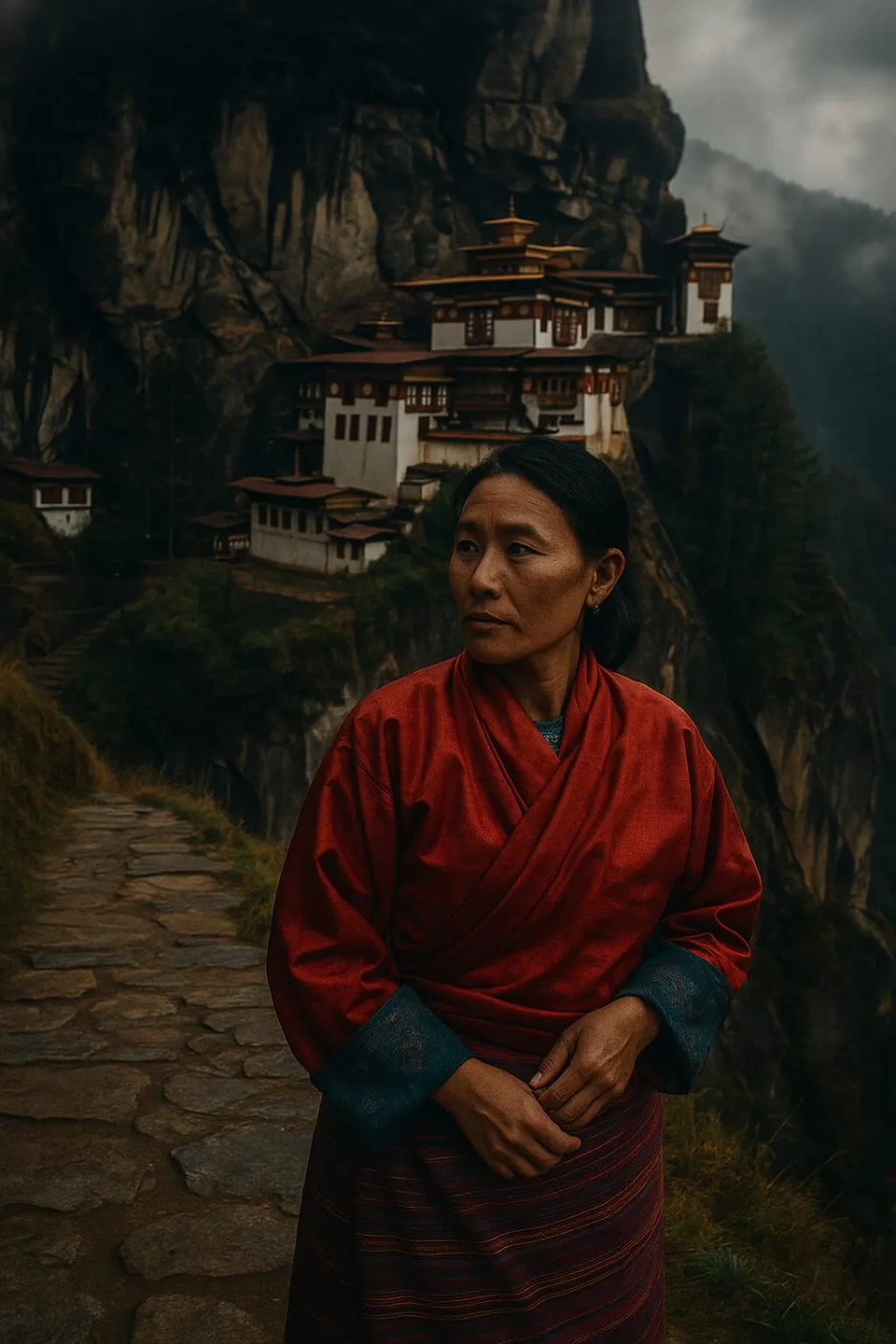
Buying directly from weavers, artisans and local shops keeps money in Bhutanese communities and helps traditional skills survive. Look for pieces made in Bhutan rather than imported goods sold as local, and ask where an item comes from: most sellers are happy to tell you. Treat religious items, such as thangkas and statues, with respect, and avoid buying anything that appears to be old or taken from a temple, as antiques and religious artefacts generally cannot be exported.
Getting souvenirs home
- Roll textiles rather than folding them tightly, and keep them dry.
- Wrap masks, bowls and other carved pieces in clothing in the middle of your bag.
- Carry thangkas rolled, never folded, and ask for a protective tube if one is available.
- Keep receipts, as customs officers at home may ask about larger purchases.
- Check your home country's rules on food, seeds and wooden items before you buy.
Bhutanese clothing as a souvenir
A gho or kira is one of the most personal things you can bring home. Many visitors buy one to wear at a festival during their trip and keep it as a memory. Ready-made garments and fabric are both available, and tailors in Thimphu and Paro can make one to measure if you have a few days. A belt (kera), a scarf or a woven bag makes a simpler alternative.
Bhutanese clothing and home decor online
Browse traditional clothing and crafts in our marketplace, starting with the gho for men. Read our guide to Bhutan's national dress for more on how the gho and kira are worn.
How we help
On a tour, your guide can take you to good craft shops and workshops and explain what you are looking at. If you are looking for something specific, such as a particular textile or thangka, let us know before you travel. From home, we can help you find Bhutanese clothing and crafts through our marketplace.
Looking for something special? Message us on WhatsApp +975 17661648 or email [email protected].
Frequently asked questions
What is the best souvenir to buy in Bhutan?
Hand-woven textiles, Bumthang yathra wool, thangka paintings, handmade deh-sho paper and incense are the most popular and authentic souvenirs.
Can I buy Bhutanese souvenirs online?
Yes. Our marketplace offers traditional Bhutanese clothing and crafts, and we can help source special pieces.
Can I take antiques out of Bhutan?
Antiques and religious artefacts generally cannot be exported. Choose newly made pieces sold as souvenirs.
Where is the best place to shop in Bhutan?
Thimphu has the widest choice of craft shops and markets. Paro is good for textiles and masks, and Bumthang for yathra wool.
What is Kishuthara?
A richly patterned hand-woven silk textile from Lhuentse in eastern Bhutan, used for special kiras and among the most prized of Bhutanese fabrics.
Can I bargain in Bhutan?
Prices in shops are usually fixed, and hard bargaining is not part of the culture, though polite questions are always welcome.
How can I tell if a textile is hand-woven?
Hand-woven cloth has small irregularities and a denser, heavier feel, and the back of the pattern shows the weaver's work. Ask the seller and expect hand-woven pieces to cost more.









