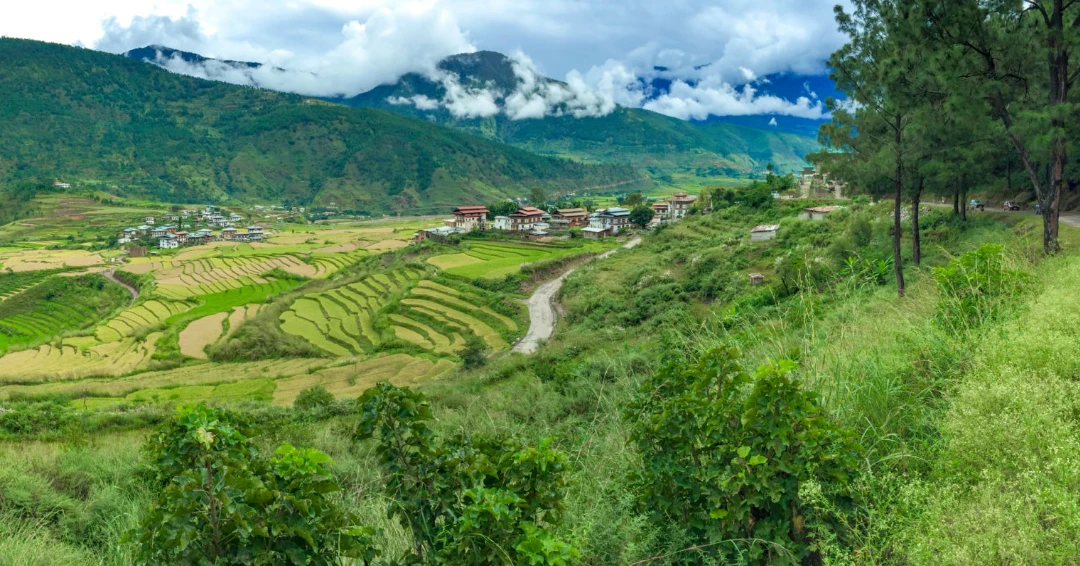
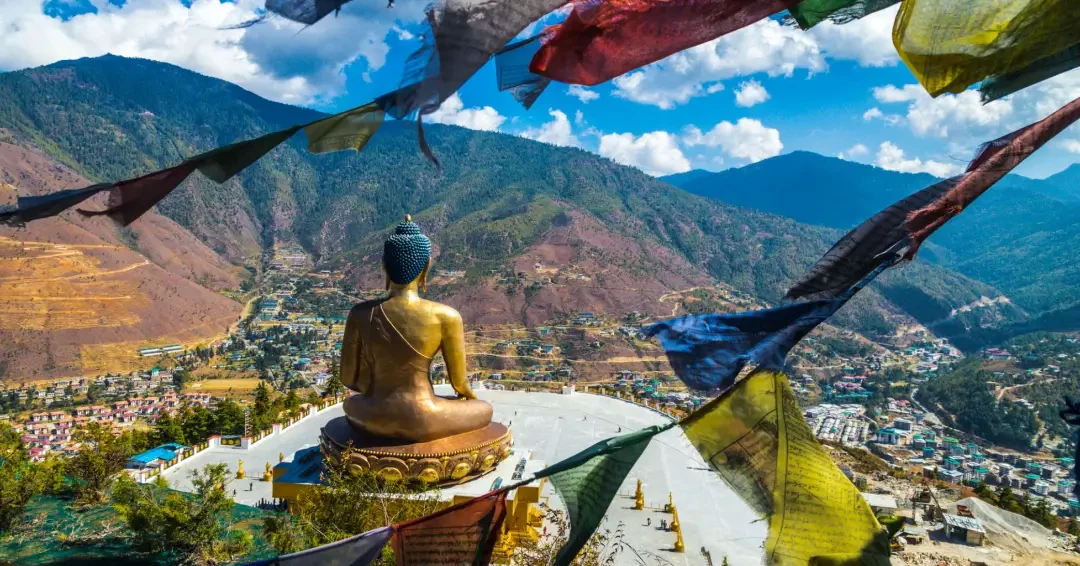
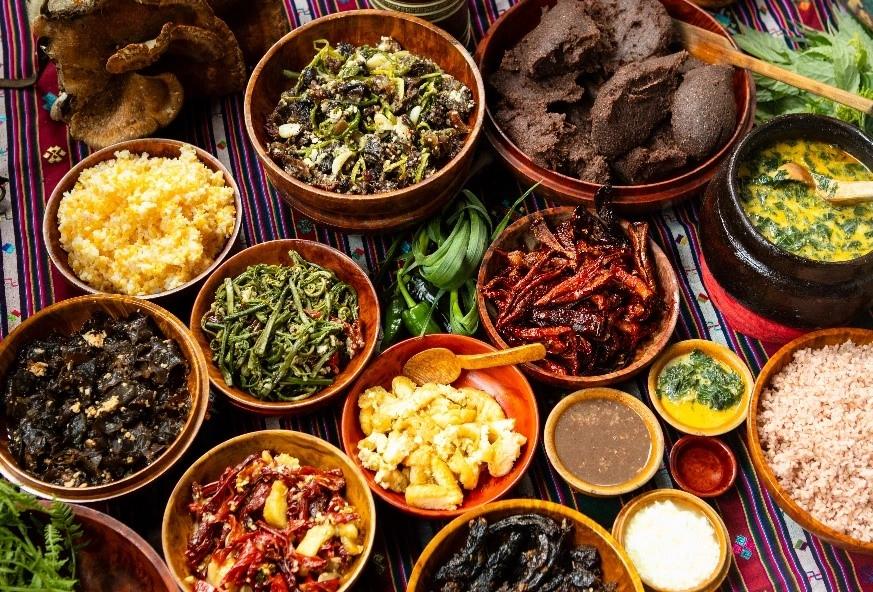
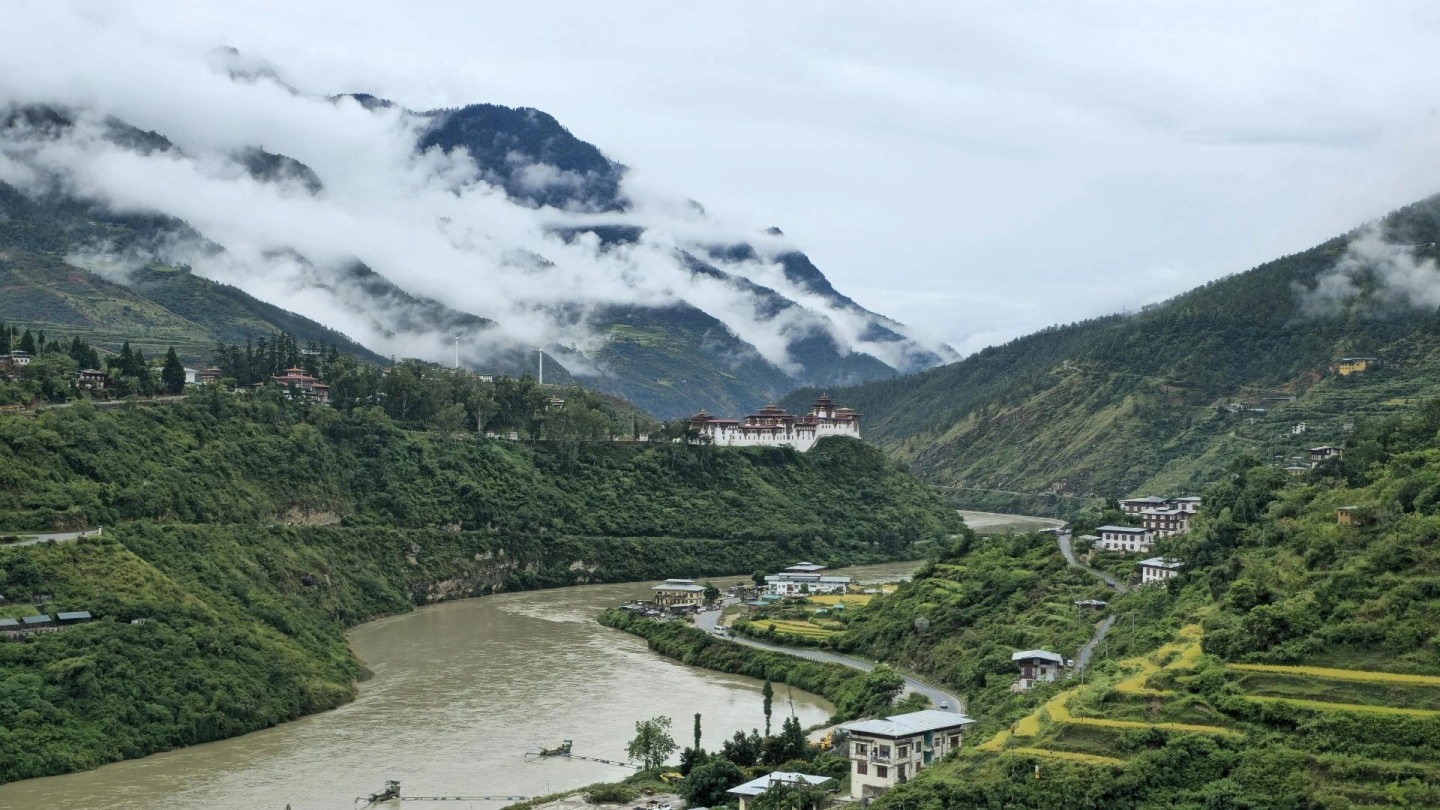
Few cities enjoy as simple a route to Bhutan as Singapore. Changi Airport (SIN) is one of the gateways that Bhutan's national airline uses, so a non-stop flight from the island can carry you straight into the Paro valley. For Singaporeans used to quick regional getaways, that makes the Himalayan kingdom a realistic choice for a week away. Here is how the journey typically works from the city, written as a companion to our full Singapore guide.
Changi to Paro Without a Change of Plane
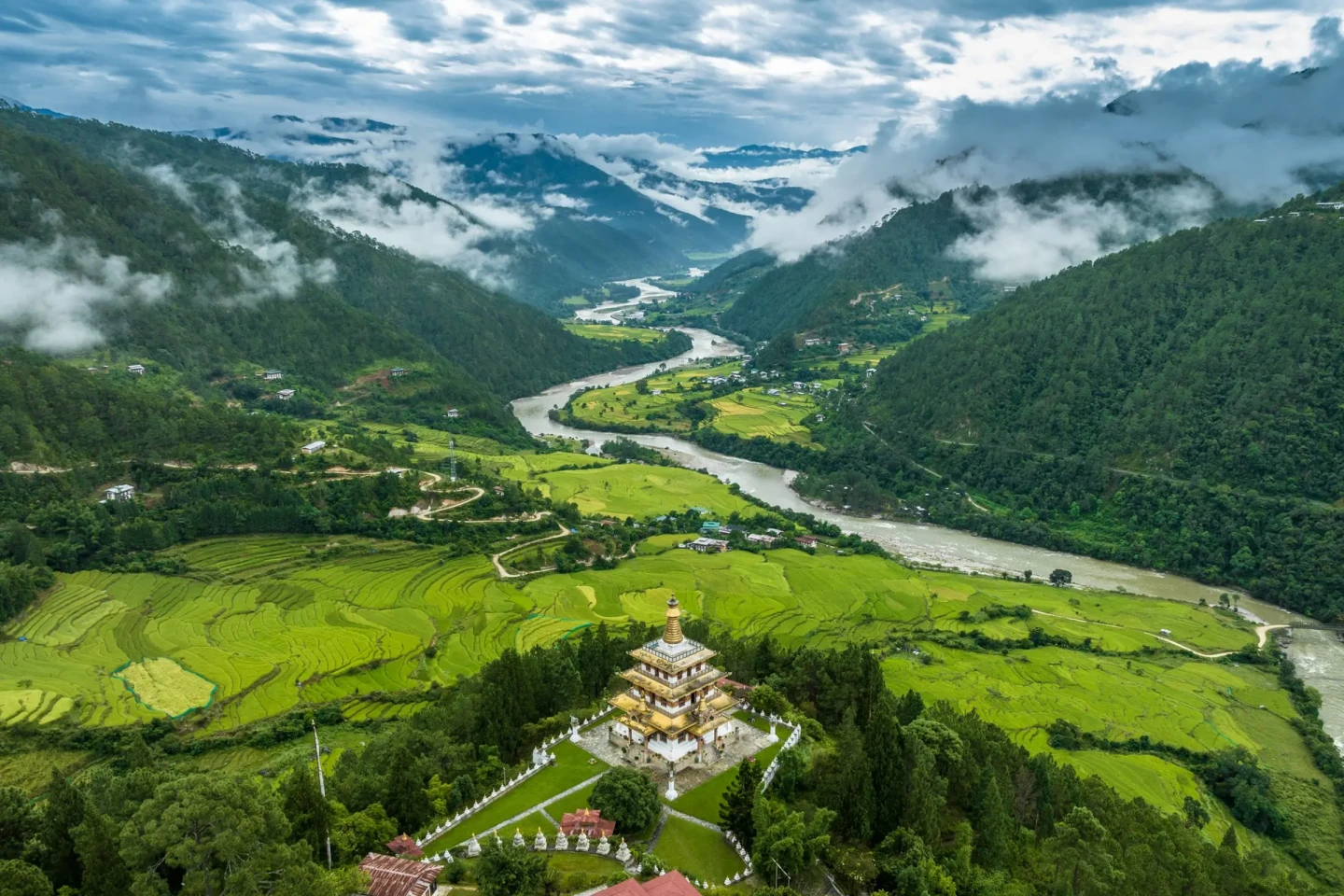
Paro International Airport (PBH) is Bhutan's only international airport, and two airlines serve it: Drukair (Royal Bhutan Airlines) and Bhutan Airlines. Our Singapore guide explains that Drukair operates non-stop services between Changi and Paro, with a flight time of approximately five hours. On a clear day the descent offers striking views of the mountains.
Frequencies are limited and can vary by season, so book early through your tour operator and check current schedules rather than assuming a flight runs on a particular day.
Backup Routes if the Non-Stop Is Full
When the direct flight does not fit your dates, our Singapore guide points to connections through regional hubs. Typical options include:
- Bangkok: a short flight from Changi, with Drukair flying on from Suvarnabhumi to Paro.
- Kathmandu: useful if you plan to combine Nepal and Bhutan in a single trip.
- Delhi: one of the busiest gateways into Paro and a sensible fallback in peak months.
The valley approach at Paro is visual-only and weather can cause delays, so build in buffer time on any connecting itinerary.
A Sample Day from Your Front Door
As an example only: you leave home in Tampines or Tiong Bahru early, reach Changi with time to clear check-in, and settle in for a flight of around five hours. Thanks to the time difference, you arrive in Paro two hours later on the clock than the flight time alone would suggest. Your guide meets you after immigration, where the visa arranged in advance is processed, and you may have the afternoon free for a gentle walk around Paro town.
On the return, we suggest not booking any tight commitments in Singapore on the day you land, in case weather delays the flight out of Paro.
Two Hours Behind: Setting Your Watch
Singapore keeps UTC+8 all year, and Bhutan keeps UTC+6, with neither changing its clocks. Bhutan is therefore two hours behind Singapore throughout the year. Lunch at 1pm on Orchard Road corresponds to 11am in Thimphu.
Jet lag is minimal. You will probably find yourself awake early on your first morning, which suits the cool, quiet start of a Bhutanese day.
Leaving the Equator for Four Seasons
Singapore is hot and humid all year, with showers in every month and monsoon periods that bring wetter spells. Bhutan offers real seasons. Most travellers aim for spring (March to May) or autumn (September to November). Summer, from June to August, is the monsoon, and winter, from December to February, is cold but usually clear, above all at altitude.
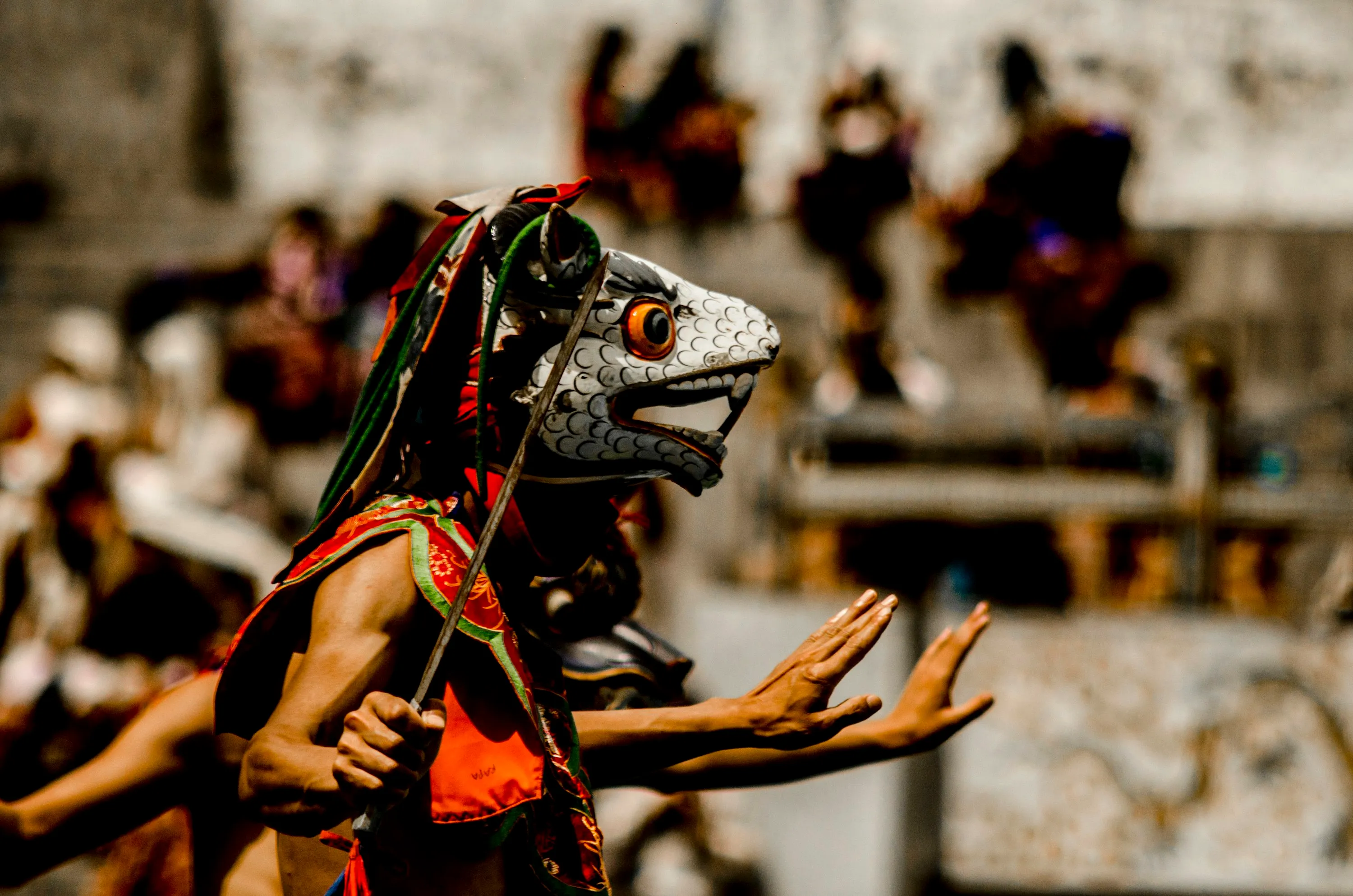
School holidays often shape when Singaporean families travel. The June break falls during Bhutan's monsoon, when green landscapes come with a greater chance of disruption, while the late-year holidays line up with the cold, clear start of winter. Many couples and solo travellers prefer spring, when the Paro Tshechu is held, or autumn, when the Thimphu Tshechu is held; both follow the lunar calendar and move each year. Whatever the month, bring proper warm clothing.
Visa, SDF and Insurance for Singaporeans
Singapore passport holders need a Bhutan visa, applied for online in advance and usually arranged through a licensed Bhutanese tour operator. Our Singapore guide notes that your operator will need a scanned copy of your passport, valid for at least six months, to submit the application. Once approved, you receive a clearance letter to show when you check in.
Most international visitors, including Singaporeans, pay a Sustainable Development Fee of USD 100 per adult per night. Do check the latest rates with the Department of Tourism before booking, as rates are set by the government and can change. Insurance covering the whole of your time in Bhutan is required.
The ngultrum (BTN) is pegged 1:1 to the Indian rupee. ATMs are found mainly in towns, so carry some cash.
How Long to Stay When Flying from Changi
- 4 nights: works well with a direct flight, covering Paro and Thimphu without rushing.
- 5 to 7 nights: leaves room for a wider loop and a rest day.
- 8 nights or more: ideal for treks or for timing a visit around a festival.
Because the non-stop service runs only on certain days, your length of stay will often be shaped by the flight pattern rather than the other way round. We usually confirm air seats first and then fit the ground programme around them. If the dates you want are tight, routing one leg via Bangkok can open up extra flexibility.
Families travelling during the year-end holidays should note that the first evenings in Paro can be properly cold. Children used to Singapore's warmth will be happier with hats, gloves and fleece layers packed in their hand luggage, ready for arrival.
Singapore FAQ
How long is the flight from Singapore to Paro?
Our Singapore guide gives the non-stop Drukair flight as approximately five hours. Always check current schedules.
Can I get a visa on arrival in Paro?
No. The visa must be arranged in advance, usually through your licensed tour operator, before you fly.
Which months suit a first visit?
Spring and autumn are the most popular, with clearer weather and major festivals, though dates vary each year.
Read our full guide for Singaporean travellers for more on visas, the SDF and itineraries: How to Travel to Bhutan from Singapore. We can help you line up the Changi departure with a programme that suits you.