




Suva is Fiji's capital, but its Nausori Airport (SUV) mainly handles domestic and some regional flights. For a long-haul journey to Bhutan, most Suva residents connect to Nadi International Airport (NAN) on Viti Levu's western side, which is Fiji's main international gateway, either by a short domestic flight or by road along the coast. From Nadi, the route to Paro runs through Australia or Singapore and then an Asian gateway. This page covers the practical journey from Suva, with an example itinerary, the unusual time difference, seasonal contrasts and visa steps for Fijians.
Suva to Nadi: Getting to Fiji's International Gateway
Our Fiji guide notes that travellers can start from Nadi, or from Suva using domestic connections. If you fly from Nausori to Nadi, try to book it with your international flight so your luggage travels through. Alternatively, travel to Nadi the day before and stay near the airport; it is a relaxed way to begin a long trip.
From Nadi, our guide describes flights typically taken with Fiji Airways or partners such as Qantas to Sydney or Singapore as the usual first leg.
Sydney or Singapore? Choosing a Route from Fiji
- Via Singapore: Singapore is itself one of the gateway cities with flights to Paro, and the guide also mentions connecting with Singapore Airlines or Thai Airways towards Bangkok.
- Via Sydney: continue with Thai Airways to Bangkok or with Air India towards Delhi, then on to Paro.
- Via Kathmandu: our guide mentions carriers such as Cathay Pacific or Nepal Airlines for this option.
From the gateway, Drukair or Bhutan Airlines flies into Paro. Our Fiji guide suggests some hubs see only a few weekly flights, so check current schedules before setting your dates.
Example Journey: Suva, Nadi, Singapore, Paro
Here is one illustrative way to piece the journey together. It is an example, not a fixed itinerary:
- Day 1: fly or drive from Suva to Nadi and stay near the airport.
- Day 2: Fiji Airways from Nadi to Singapore; overnight in Singapore.
- Day 3: connect to Paro, either directly from Singapore where a service operates or via Bangkok or another gateway, depending on schedules.
Our Fiji guide estimates 20 to 30 hours of travel with layovers. Building in buffer days is recommended, as Paro flights are limited to daylight and good visibility.
Bhutan Is Behind Suva: The Time Difference
Unusually for visitors to Bhutan, Fijians will set their watches back rather than forward. Fiji uses UTC+12, and it does not currently observe daylight saving. Bhutan stays on UTC+6 throughout the year. So Bhutan is six hours behind Suva: noon in Suva is 6 am in Thimphu. Westward travel is often easier on the body than eastward, but six hours is still a significant shift. Try to stay up until a normal local bedtime on arrival in Paro.
Tropical Suva Versus Bhutan's Cool Highlands
Suva is warm and humid year-round, with a wetter season from roughly November to April when tropical cyclones can occur. Bhutan's climate could hardly be more different. Spring (March to May) and autumn (September to November) are its most popular seasons, with clearer skies and comfortable days. Summer (June to August) is the monsoon. Winter (December to February) is cold but clear, especially at altitude. Whenever you travel, you will need clothing far warmer than anything required in Suva: a fleece, a warm jacket and good walking shoes are essential.
The famous festivals of Paro Tshechu (spring) and Thimphu Tshechu (autumn) follow the lunar calendar, so their dates shift each year.
Fijian Passports: Visa, SDF and Insurance
Fijian citizens need a Bhutan visa, applied for online in advance and usually arranged through a licensed Bhutanese tour operator. Your operator lodges your passport details and itinerary and forwards the approval to you.
Fijian visitors are also liable for the Sustainable Development Fee, set at USD 100 per adult per night for most international arrivals at present. Check the latest rates with the Department of Tourism before booking. Travel insurance covering your full stay in Bhutan is required. If you are connecting in Australia, India or another country, check whether you need a transit visa for that stop.
Bhutan uses the ngultrum, pegged one-to-one with the Indian rupee. ATMs are found mainly in towns, so carry some cash.
Because flights into Paro are limited, it is best to confirm your Bhutan dates and Paro tickets first, then book your Fiji Airways flights from Nadi to match.
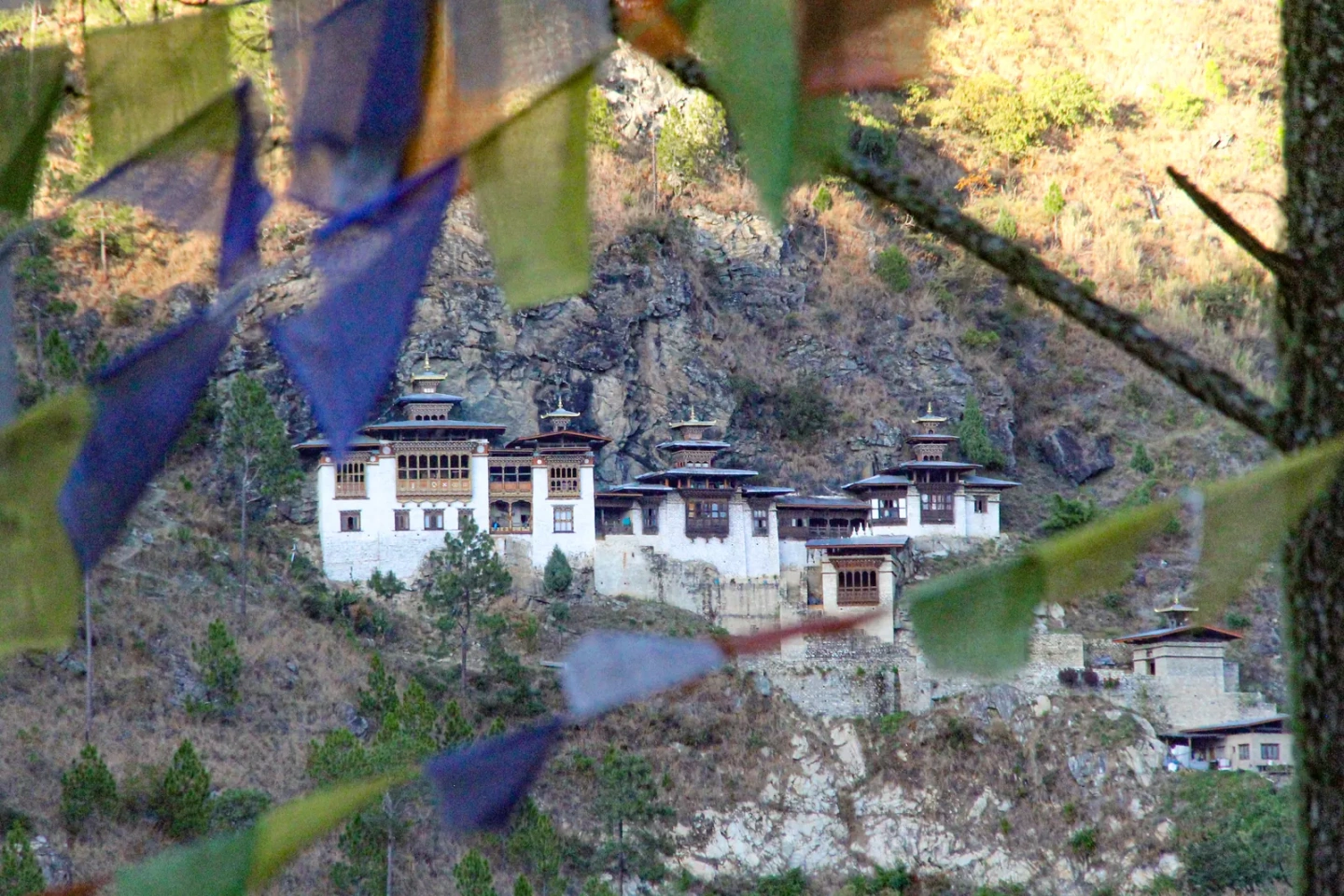
Packing for Bhutan from Fiji takes a little planning, since most island wardrobes are built for warmth. Borrow or buy a proper warm jacket, a fleece, a hat and gloves before you leave, and wear sturdy shoes for monastery steps and the hike to Taktsang. Keep these warm layers in your hand luggage, because Paro can be cool on arrival even when the gateway city was hot. Modest clothing that covers shoulders and knees is expected when visiting dzongs and temples. It is also wise to carry printed copies of your visa approval and insurance, as staff at the gateway will ask to see them before you board.
Ideal Trip Lengths from the Pacific
- Eight nights: Paro, Thimphu, Punakha and Phobjikha.
- Eleven nights: adds central Bhutan, including Bumthang.
- Two weeks or more: combines Bhutan with a stopover in Singapore or Bangkok.
Suva FAQ
Can I fly internationally from Nausori?
Nausori offers mainly domestic and limited regional flights, so most long-haul trips start at Nadi.
Is Singapore a good gateway from Fiji?
Singapore is listed among the gateway cities for Paro, making it a natural choice. Check current schedules.
Will I have jet lag flying west?
Some, as Bhutan is six hours behind Suva, but westward shifts are often easier to manage.
For full itineraries and costs, read How to Travel to Bhutan from Fiji.