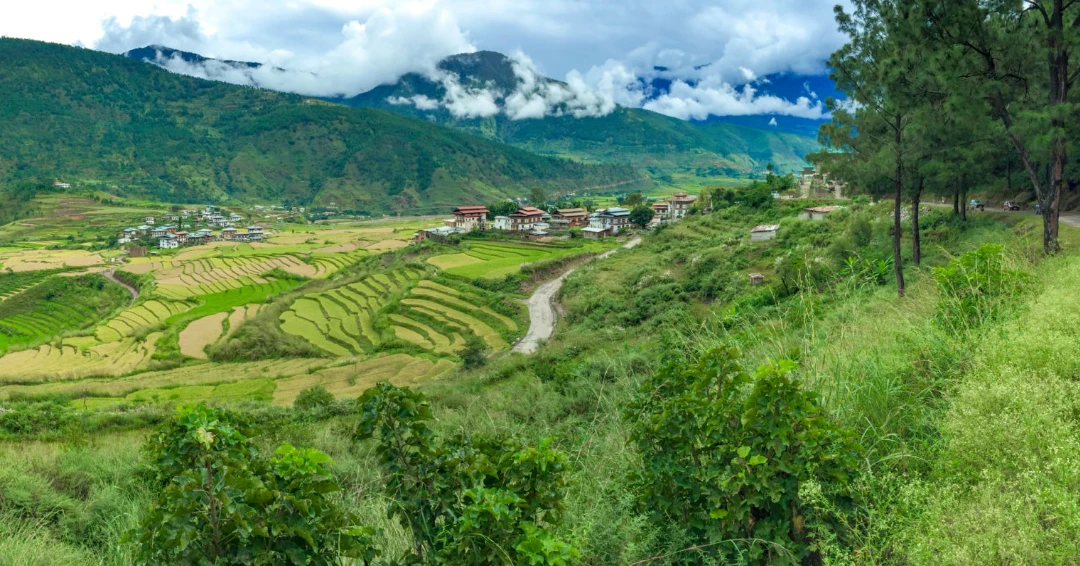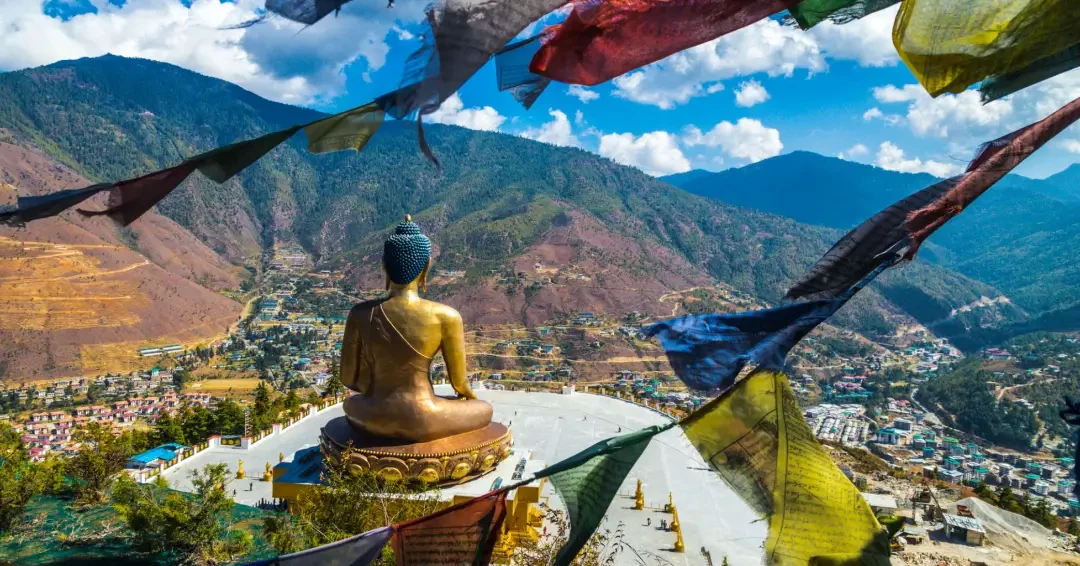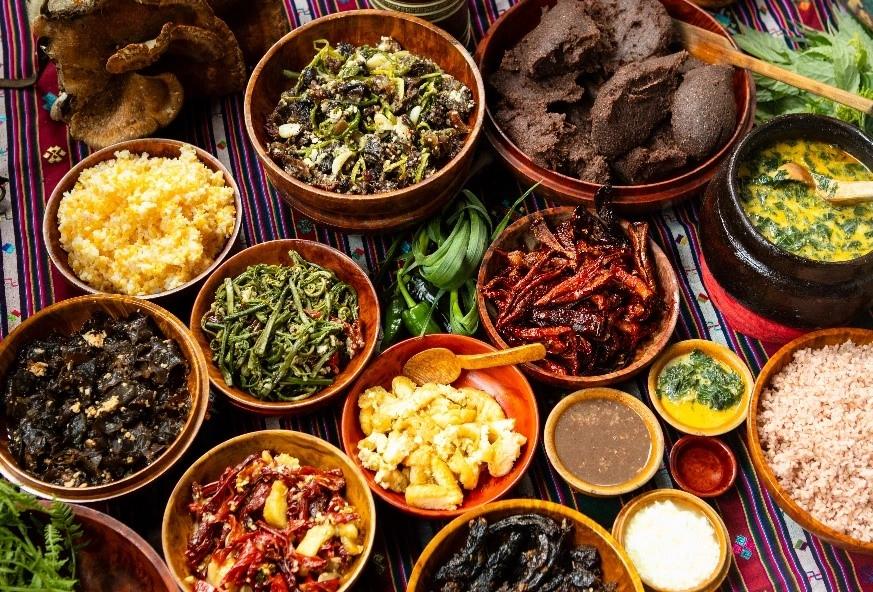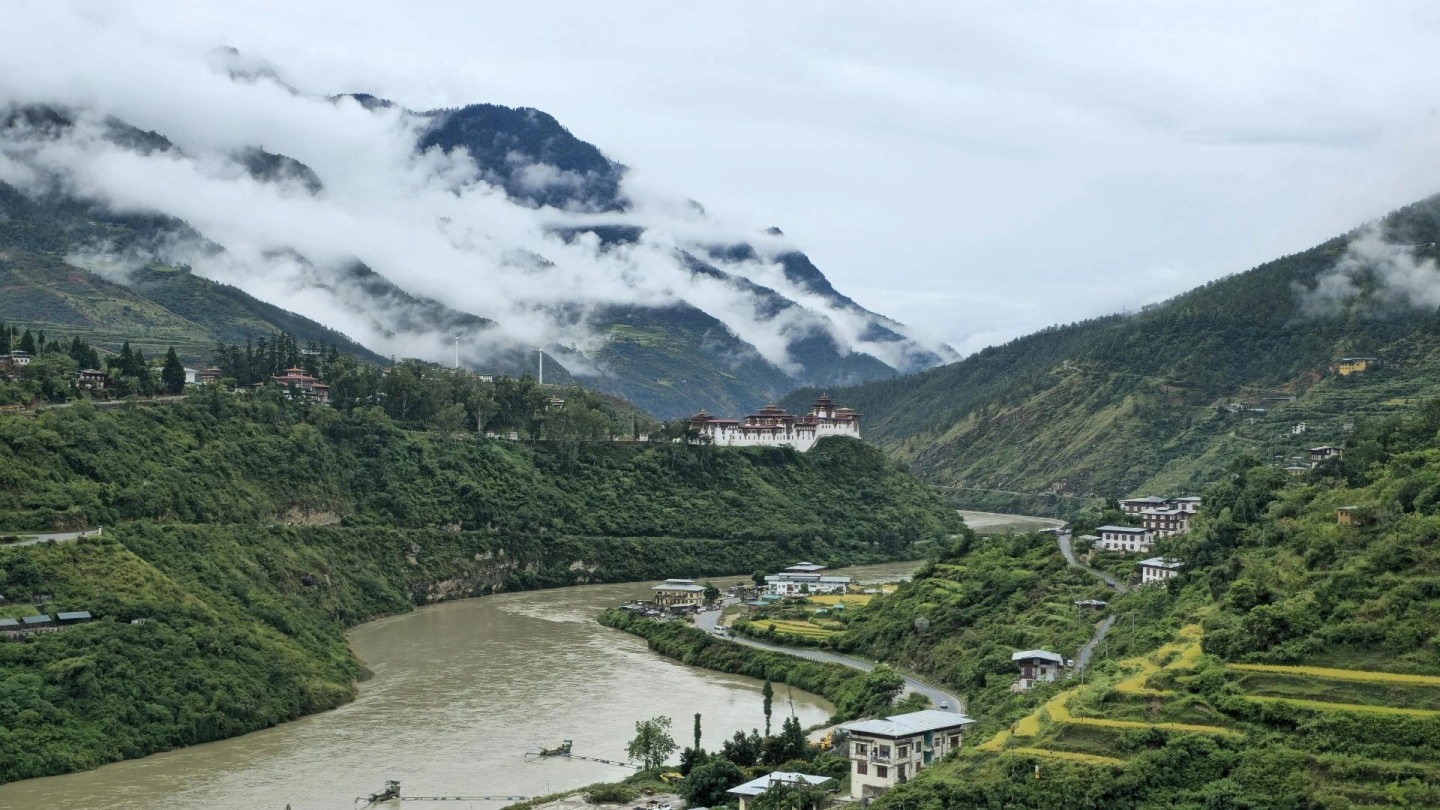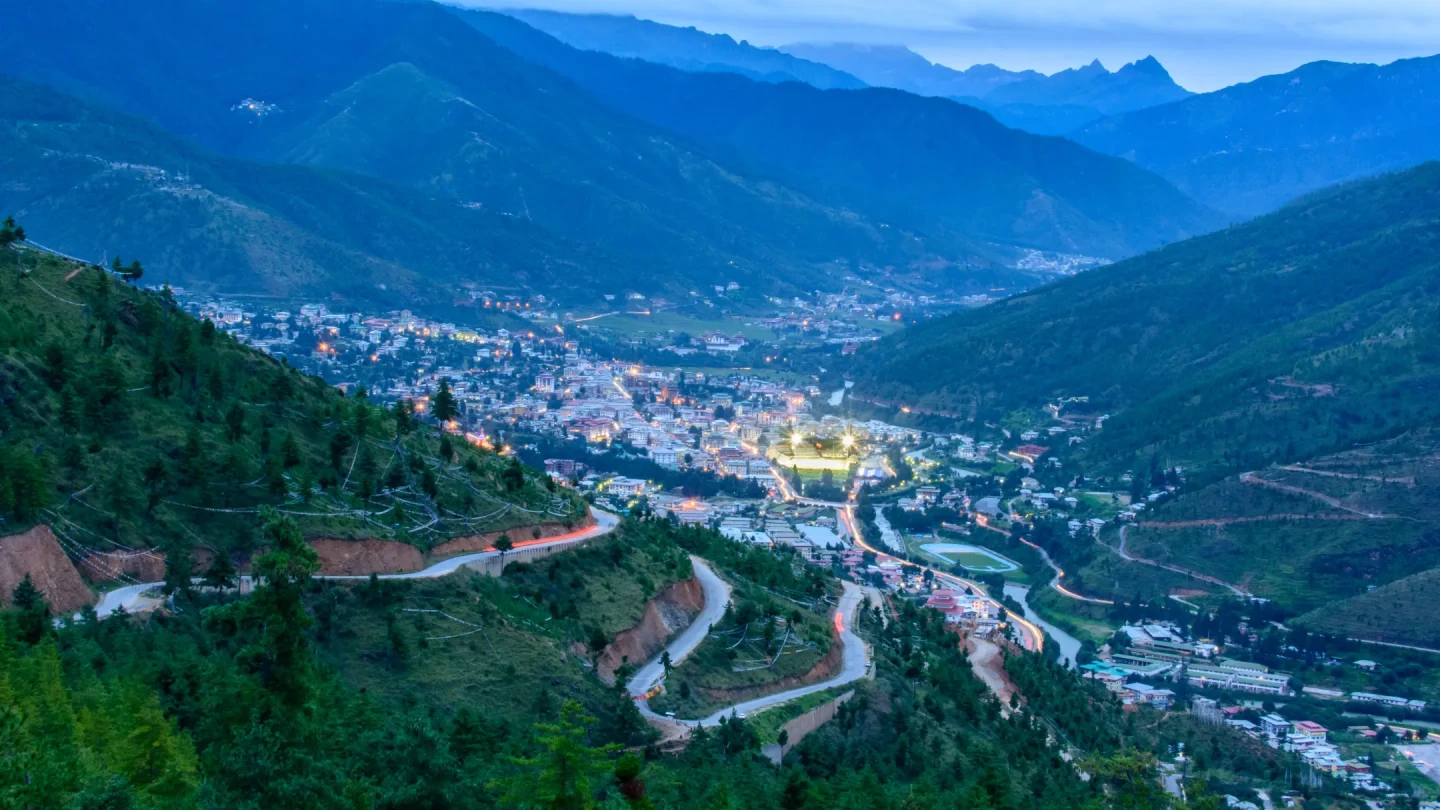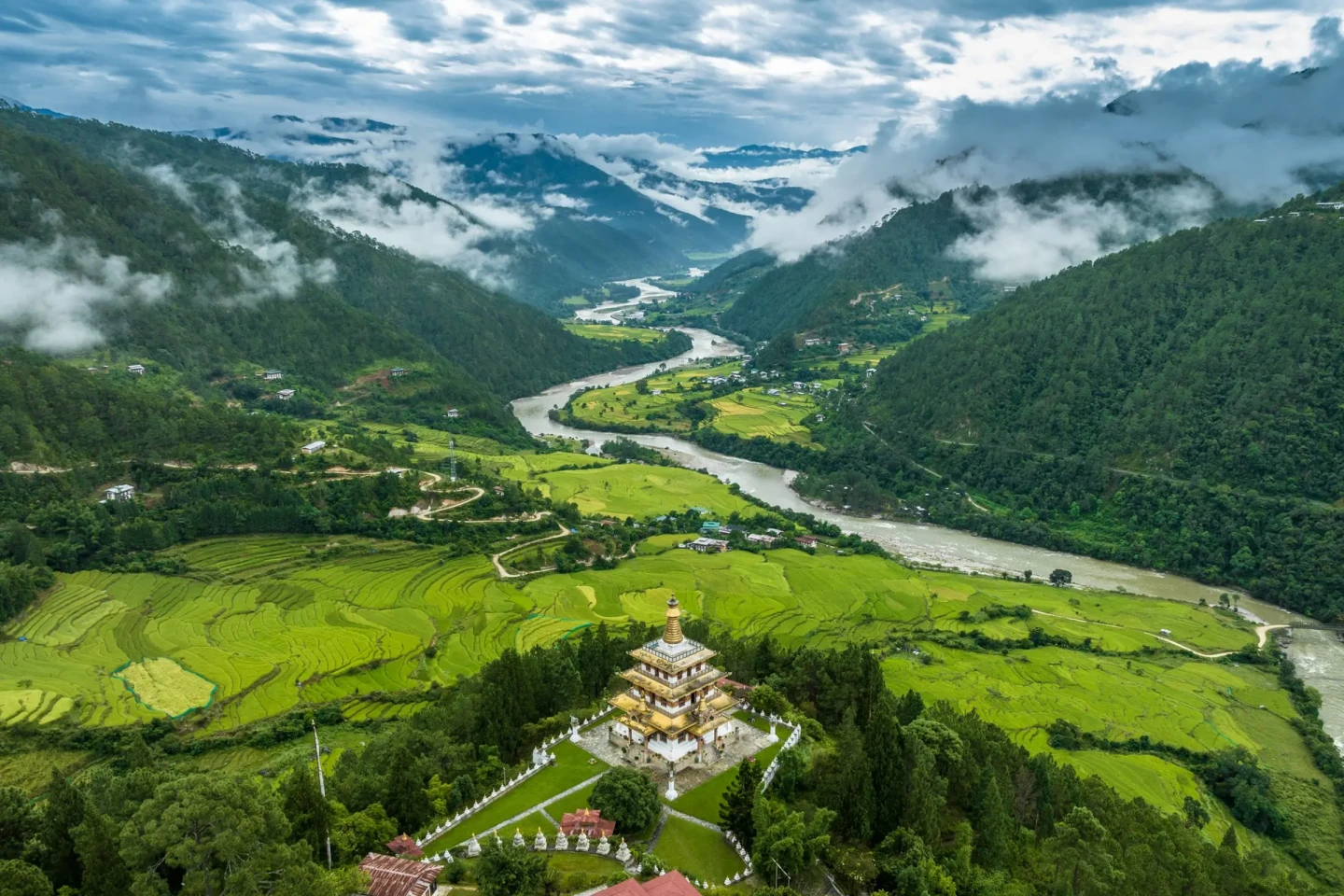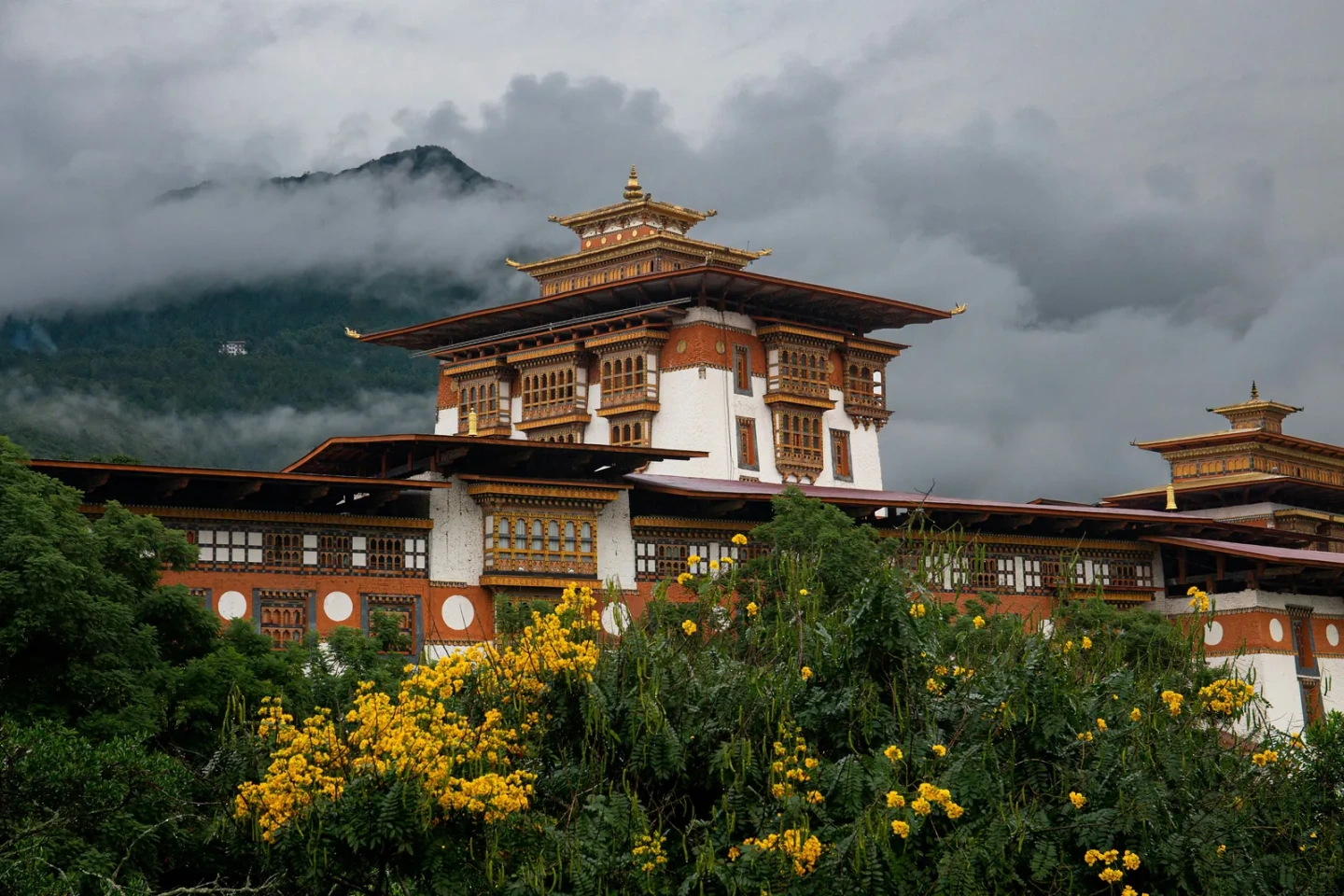


Tunis sits on a broad lagoon a short drive from the Mediterranean, and for most travellers leaving the Tunisian capital the trip to Bhutan begins at Tunis–Carthage International Airport (TUN), only a few kilometres from the city centre. There is no direct service to the Himalayan kingdom, so the journey is a chain of connections ending at Paro, the single international airport in Bhutan. This page walks through how that chain usually fits together from Tunis, what the clocks and seasons mean for you, and what paperwork to sort before you go.
Out of Tunis–Carthage: The Opening Leg
Because Tunis–Carthage is so close to town, getting to your first flight is rarely the hard part. The opening leg typically takes you east with a large network carrier. The Tunisia guide names Emirates, Qatar Airways and Turkish Airlines as the usual choices, each of which carries passengers onward through its home base towards South and South-East Asia.
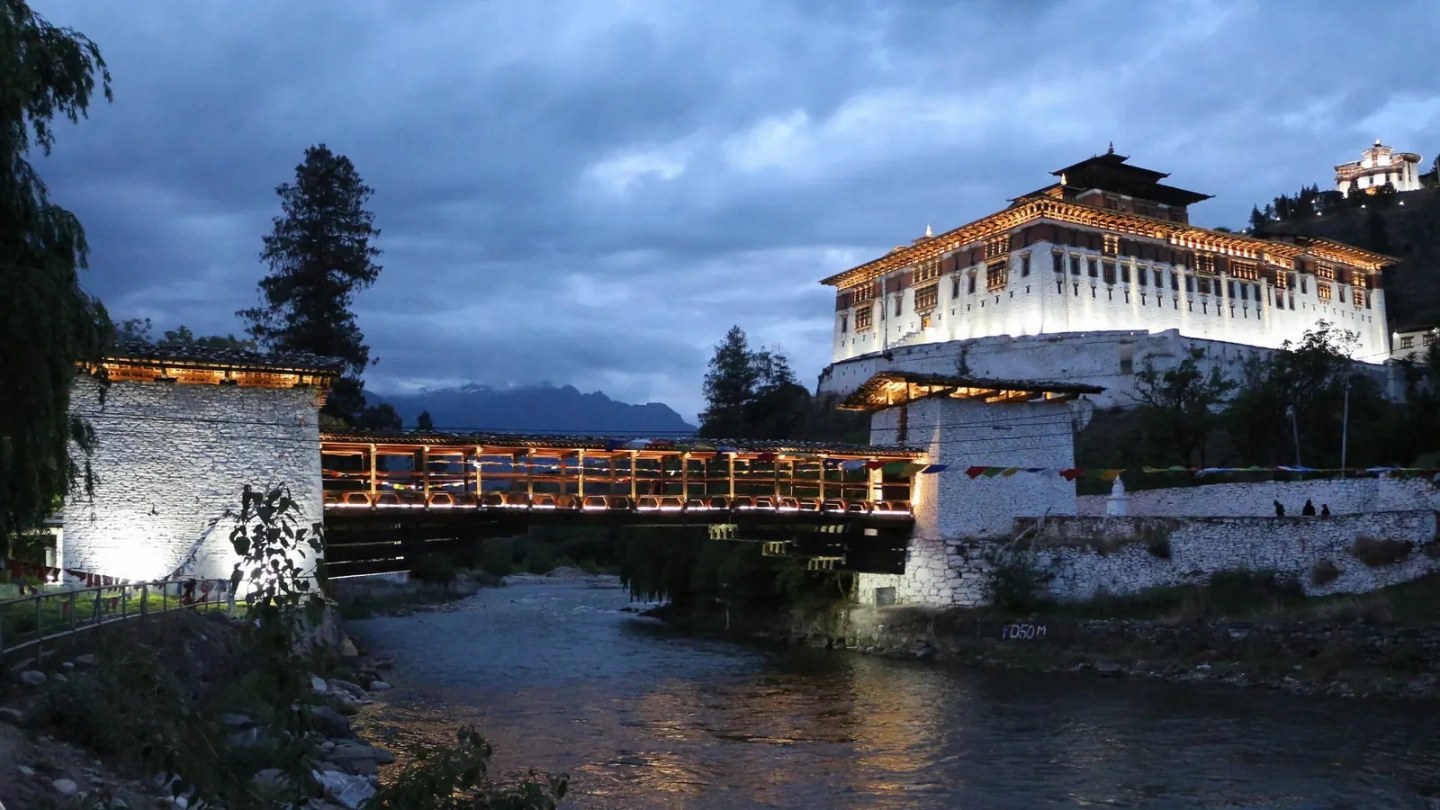
From Tunis, the aim of that first long flight is to reach one of the cities where you can pick up a Bhutanese carrier. The kingdom is served by just two airlines, Drukair (Royal Bhutan Airlines) and Bhutan Airlines. Whichever international carrier you choose, the last sector will be on one of them, so it pays to plan the whole ticket around their timetables rather than the other way round.
Where Tunisians Usually Change Planes
The three connection points most often used from Tunis are:
- Delhi – a common meeting point for long-haul arrivals and Bhutanese departures, and a natural choice if your first carrier serves India well.
- Bangkok – useful if you would like to break the trip with a night in South-East Asia before the final hop.
- Kathmandu – a good option for travellers who want to pair Bhutan with time in Nepal.
The Tunisia guide puts total travel time from Tunis at roughly 15 to 25 hours, depending on how long you wait between flights. Treat that as a broad range: routings change every season, so check current schedules with the airlines and with your tour operator before committing to dates.
A Tunis-to-Paro Journey, Step by Step
Here is one example of how the trip can look. It is an illustration, not a promise of any particular timetable.
- Day 1, evening: leave home in Tunis, check in at Tunis–Carthage and fly east with a Gulf or Turkish carrier.
- Day 2: connect onward and arrive in Delhi. Rather than chasing a tight same-day transfer, many travellers spend the night near the airport.
- Day 3, morning: board Drukair or Bhutan Airlines to Paro, where your guide meets you on arrival.
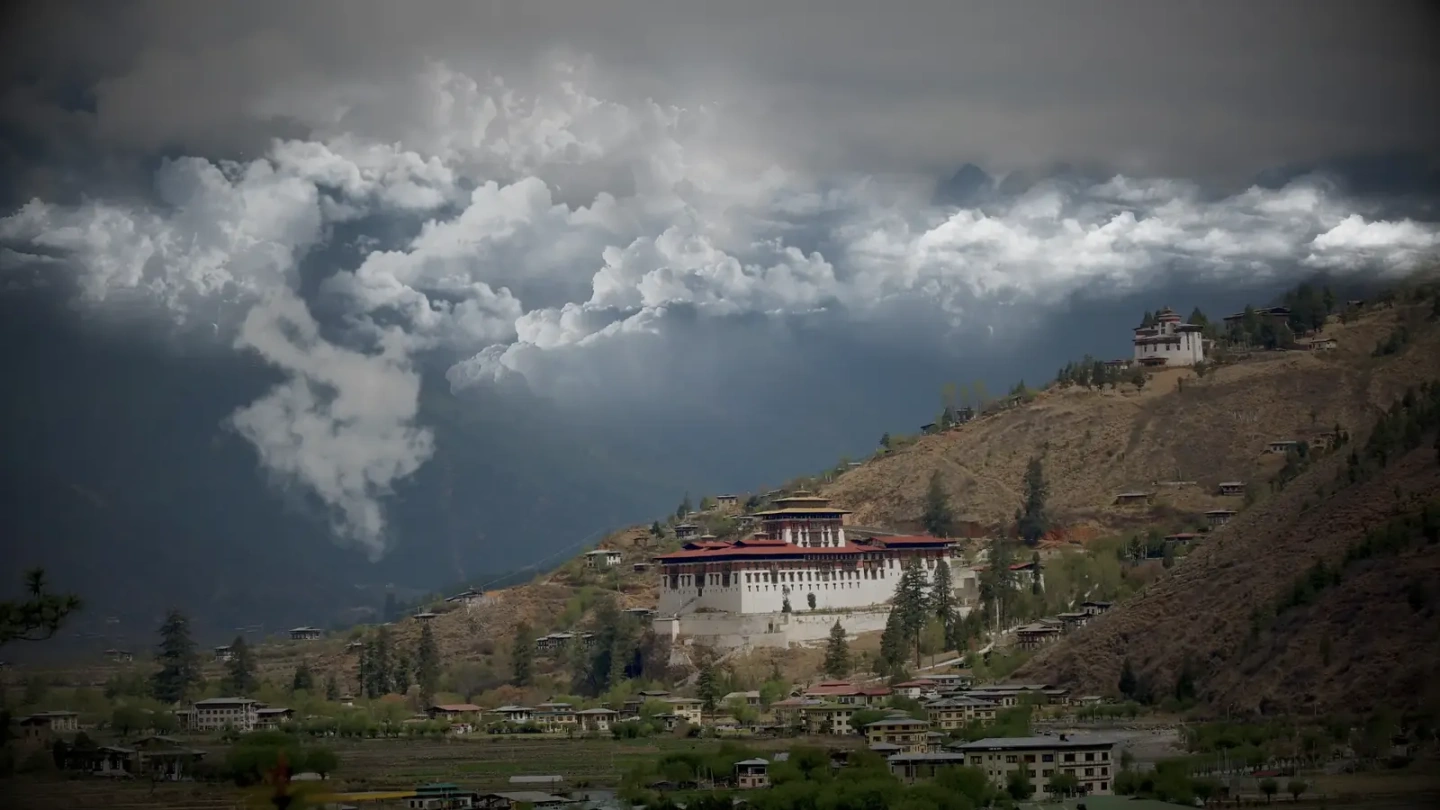
The overnight in Delhi is deliberate. Flights into Paro rely on a visual approach through the valley, and weather can delay them. A spare night on the way in, and ideally a buffer day on the way home, protects your onward connections. The Bhutanese carriers also apply tighter baggage limits than many long-haul airlines, so pack with that final short flight in mind.
Tunis Time and Bhutan Time
Tunisia keeps Central European Time (UTC+1) all year without daylight saving, and Bhutan Standard Time is UTC+6, also with no clock changes. That makes Bhutan five hours ahead of Tunis in every month of the year: when it is 8 am at home, it is 1 pm in Paro.
A five-hour shift eastward is manageable. Try to sleep on the longest leg, eat lightly, and spend your first afternoon in Bhutan outdoors in daylight. The stop in Delhi or Bangkok also helps your body catch up gradually.
From a Mediterranean Summer to Himalayan Seasons
Tunis has a classic Mediterranean pattern: long, hot, dry summers and mild, damper winters. Bhutan works differently. Its most popular seasons are spring (March to May) and autumn (September to November). Summer (June to August) is the monsoon, which is roughly the reverse of the dry Tunisian summer, while winter (December to February) is cold but often clear, especially at altitude.
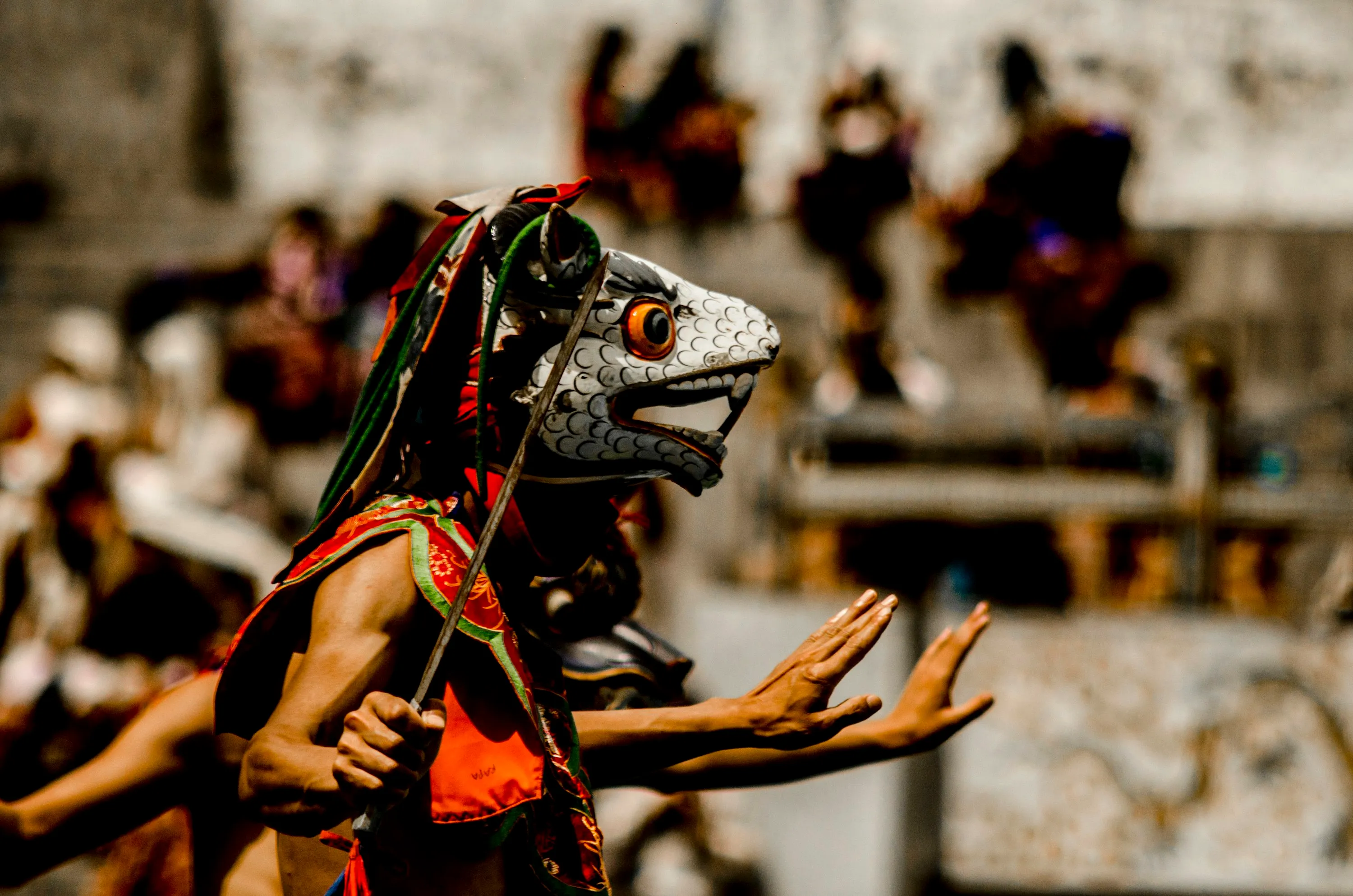
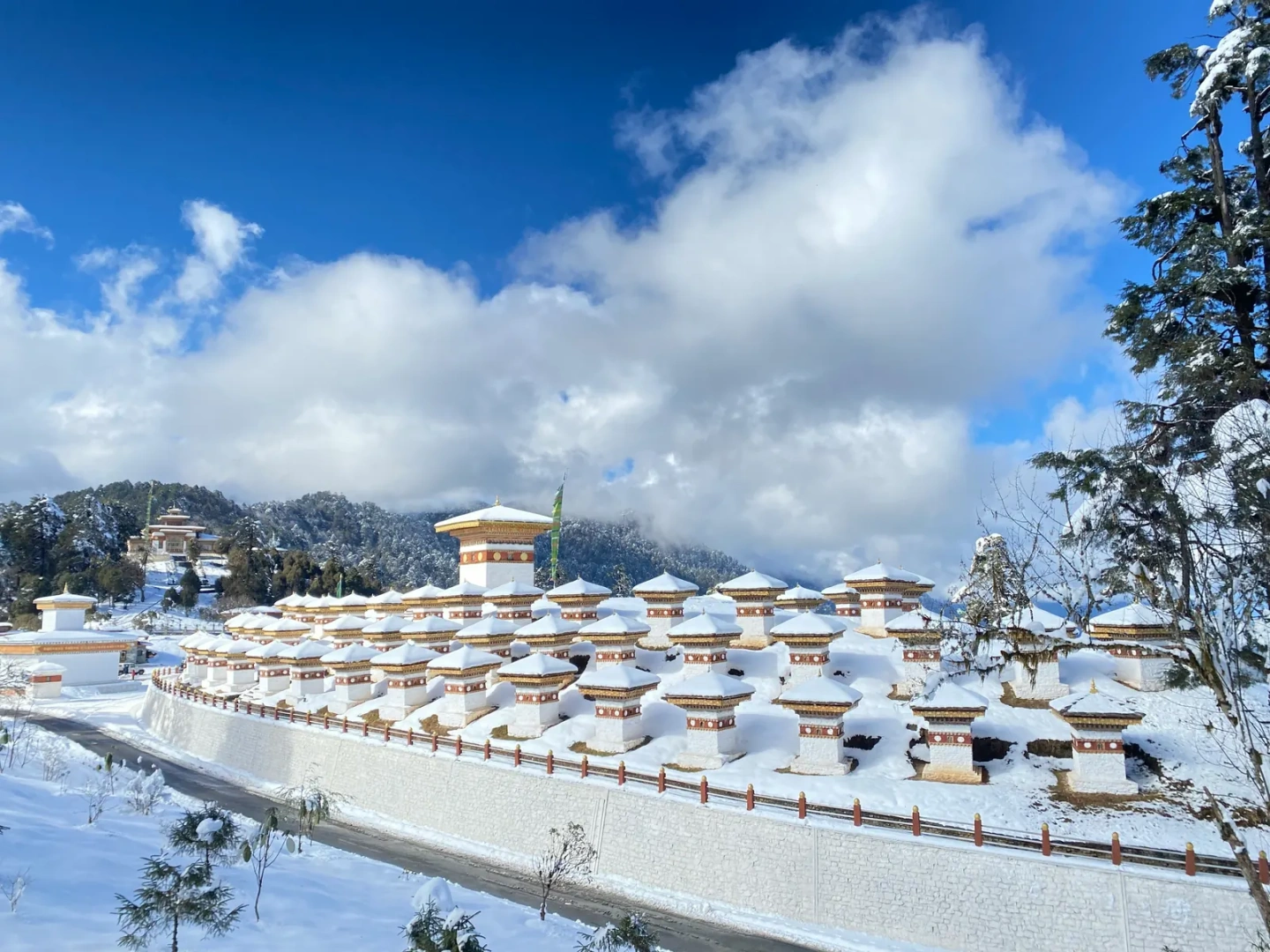
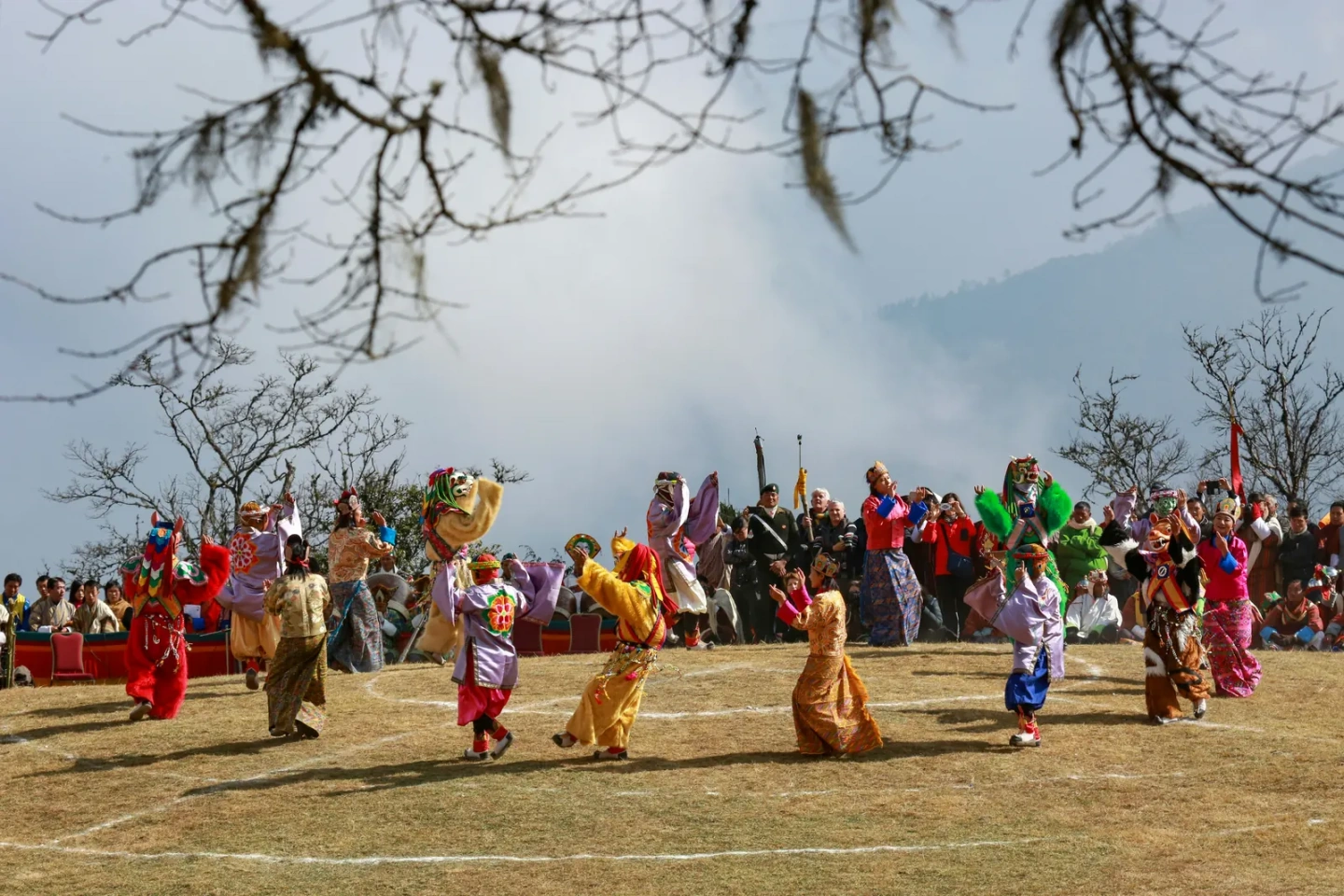
For many people in Tunis, autumn fits neatly: the heat at home is easing and Bhutan's skies are usually settling after the rains. Spring is the other strong choice. Both seasons include major tshechu festivals, with Paro Tshechu in spring and Thimphu Tshechu in autumn, but the dates follow the lunar calendar and move each year, so confirm them before you book flights.
Paperwork for Tunisian Passport Holders
Tunisian citizens need a Bhutan visa, which is applied for online in advance and usually arranged through a licensed Bhutanese tour operator. As your operator, Manifest Bhutan Expeditions collects your details, submits the application and sends the approval to you before departure. The Tunisia guide notes that a passport valid for at least six months beyond your stay and a recent photograph are part of the standard request.
You will also pay the Sustainable Development Fee (SDF), currently USD 100 per adult per night for most international visitors. Check the latest rates with the Department of Tourism before booking. Finally, buy travel insurance that covers your entire stay in Bhutan; visitors are required to hold it, so keep a copy of the policy on your phone and on paper.
How Many Nights Make Sense from Tunis
Given the time it takes to reach Paro, very short trips feel rushed. As a rough guide:
- 5 to 6 nights: a focused visit to Paro and Thimphu, suited to a first taste of the country.
- 7 to 9 nights: room to travel further inland at a relaxed pace, with time to absorb what you see.
- 10 nights or more: for trekking, festival timing or simply slower travel.
Add the nights spent in your transit city on either side when you work out your leave from work.
Tunis Travellers Ask
Is there a direct flight from Tunis to Bhutan?
No. You will connect at least once, typically via Delhi, Bangkok or Kathmandu, before flying into Paro on Drukair or Bhutan Airlines.
Can I fly from another Tunisian city?
Tunis–Carthage is the usual starting point mentioned in the Tunisia guide. If you live elsewhere in the country, compare options with your operator, but most itineraries are built around the capital's airport.
Do I need cash in Bhutan?
Yes, carry some. The local currency is the ngultrum (BTN), pegged 1:1 to the Indian rupee, and ATMs are found mainly in towns.
For a wider view of visas, routes and itineraries for every part of the country, read our full guide, How to Travel to Bhutan from Tunisia.