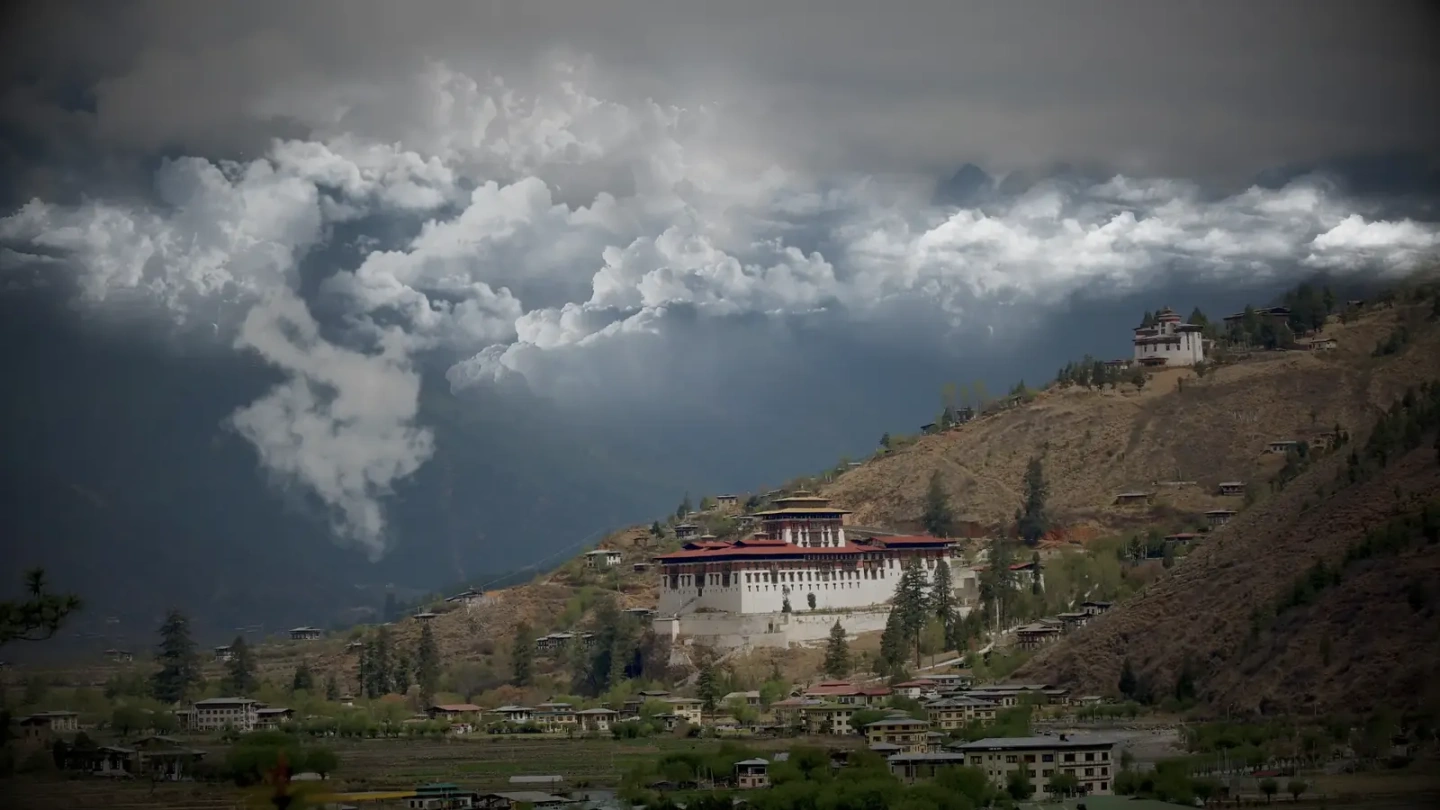


Since 2021, most international flights serving Tegucigalpa have used Palmerola International Airport (XPL), near Comayagua, roughly an hour or so from the capital by road, rather than the city's older Toncontín airport. From Palmerola, or from San Pedro Sula for travellers in the north, a trip to Bhutan is one of the longest journeys a Honduran traveller can make, crossing the Americas, an ocean and much of Asia. This page explains the realistic routing from Tegucigalpa, offers an example plan and covers the time difference, seasons and visa steps.
Palmerola, Toncontín and the First Flight North
Our Honduras guide describes the first step as typically being a flight to a US hub such as Miami or Houston, with airlines like American Airlines or United. The guide estimates Tegucigalpa to Miami at about two to three hours. Check which airport your flight uses, and allow enough time for the road journey from the capital to Palmerola.
Because you will connect through the United States, check whether you need a US visa or transit authorisation before booking. This requirement often catches travellers out.
From the United States to Asia: Choosing Your Gateway
After the US, our Honduras guide suggests continuing to an Asian gateway such as Delhi, Bangkok or Kathmandu, sometimes via a European stopover such as Frankfurt. From there, Drukair (Royal Bhutan Airlines) or Bhutan Airlines operates the final flight into Paro.
- Delhi: often reached via Europe, with Drukair continuing to Paro.
- Bangkok: a good place to rest before the mountain flight.
- Kathmandu: our guide notes it can serve as a fallback if Delhi services are affected by monsoon weather.
Seats on the Bhutanese carriers fill quickly in peak seasons, so check current schedules early and book through your tour operator.
A Sample Four-Day Journey from Tegucigalpa
This example shows how the trip might be structured. It is not a guarantee of particular connections:
- Day 1: drive to Palmerola and fly to Miami; connect to an evening transatlantic flight to Frankfurt.
- Day 2: arrive in Frankfurt and continue to Delhi.
- Day 3: reach Delhi, rest at an airport hotel.
- Day 4: morning Drukair flight to Paro, where your guide meets you.
Our Honduras guide estimates total travel times of 30 to 40 hours. It also suggests that stopovers can be turned into short visits, which makes the journey feel less like an ordeal.
Twelve Hours Ahead: Clocks in Tegucigalpa and Thimphu
Honduras stays on UTC−6 all year without daylight saving, and Bhutan keeps UTC+6 year-round. That means Bhutan is exactly twelve hours ahead of Tegucigalpa: 7 am in the Honduran capital is 7 pm in Thimphu. It is about as large a time shift as is possible, effectively turning day into night. Plan two or three light days on arrival, seek morning daylight and avoid long naps. A night or two in Europe or Asia along the way also helps your body adjust step by step.
Honduran Highlands and the Himalayan Year
Tegucigalpa sits in a highland valley with a mild climate, warm days and a rainy season through much of the middle of the year. Bhutan has more distinct seasons. Spring (March to May) and autumn (September to November) are the most popular, with clear views and comfortable temperatures. Summer (June to August) is the monsoon, similar in timing to Tegucigalpa's own wet months. Winter (December to February) is cold but clear, especially at altitude, and considerably colder than a Honduran highland winter. Bring warm layers, a waterproof jacket and solid walking shoes.
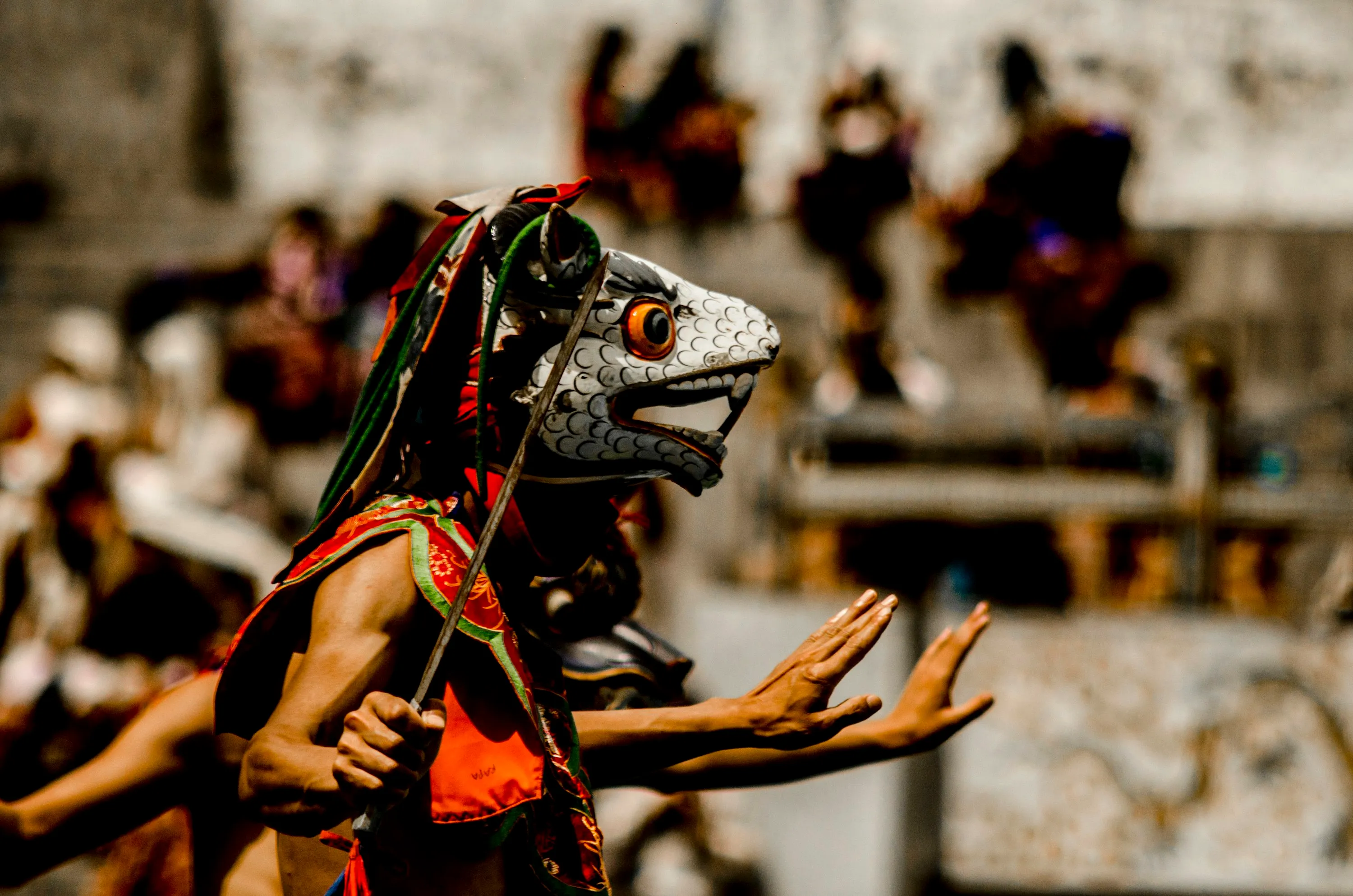
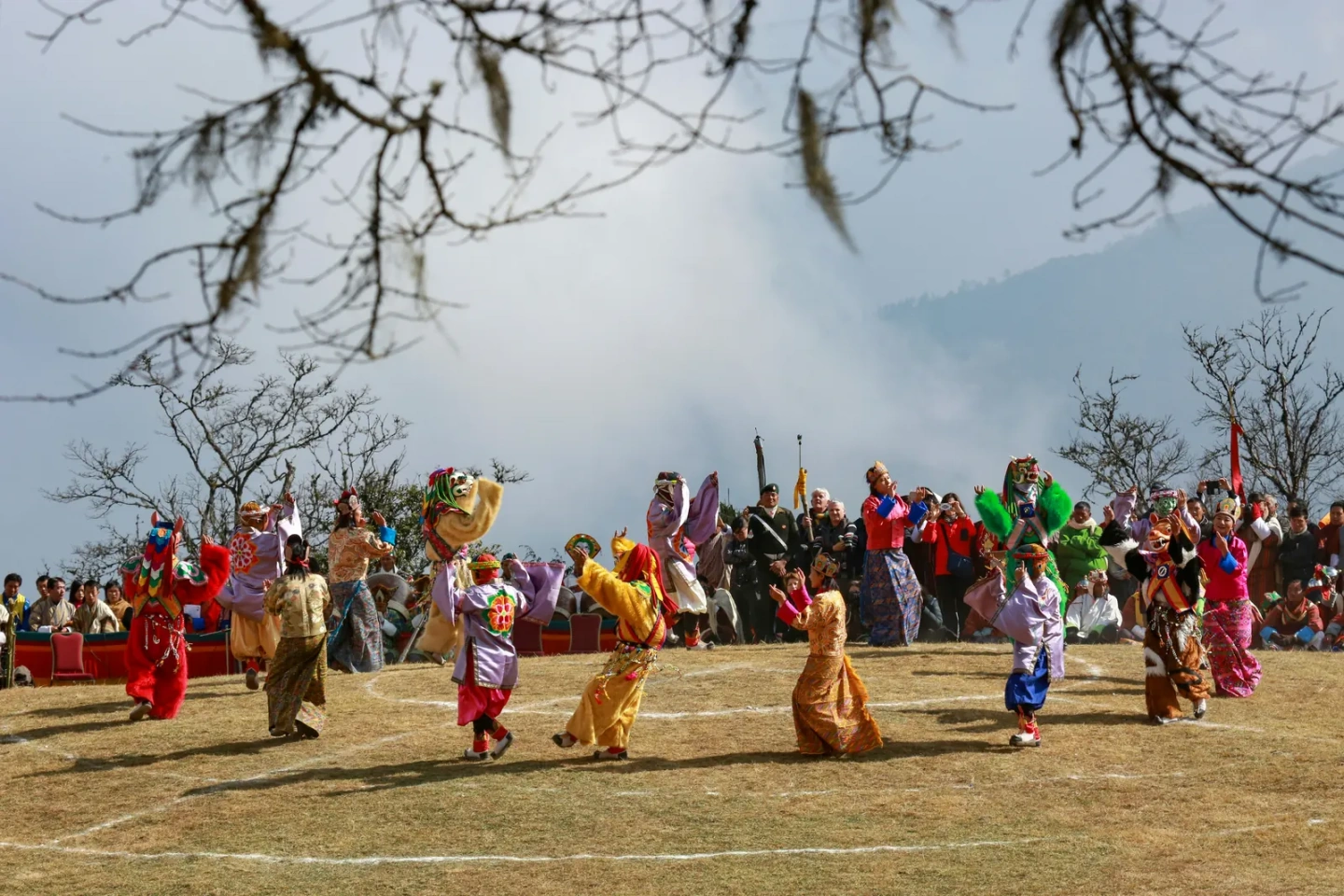
Paro Tshechu (spring) and Thimphu Tshechu (autumn) are the most famous festivals; dates follow the lunar calendar and change each year.
Visa and Fees for Honduran Citizens
Honduran passport holders need a Bhutan visa, applied for online in advance and usually arranged through a licensed Bhutanese tour operator. Your operator submits your passport details and itinerary and shares the approval with you.
Hondurans pay the Sustainable Development Fee too; most international visitors are charged USD 100 per adult per night under the current policy. Check the latest rates with the Department of Tourism before booking. Travel insurance covering your entire stay is required. Remember to check transit rules for every country on your route, including the United States and any European or Asian stopover.
Bhutan's currency is the ngultrum, pegged to the Indian rupee. ATMs are mainly in towns, so carry some cash; US dollars are useful along the way.
Confirm your Bhutan dates and Paro seats with your operator before purchasing the long-haul tickets. With such a long route, the most limited piece should set the timetable for everything else.
Pack with the whole route in mind. You will move from Honduras's mild highlands through air-conditioned US and European terminals to Delhi and finally Paro, so layers work better than a single heavy coat. Keep medication, a warm top and copies of your documents in your hand luggage.
How Long to Stay After Such a Long Trip
- Nine nights: western and central Bhutan, including Phobjikha.
- Twelve nights: adds Bumthang and more time to adjust to the time change.
- Two to three weeks: combines Bhutan with Nepal, India or a stop in Europe.
Tegucigalpa FAQ
Should I fly from Palmerola or San Pedro Sula?
Both appear in Honduran travel planning. Choose whichever offers the best connection to a US hub on your dates.
Do I need a US visa to connect in Miami?
Usually you need valid US entry or transit authorisation. Check the requirements well before booking.
How long does the whole journey take?
Our Honduras guide estimates 30 to 40 hours, so plan for at least two days in each direction.
For the complete guide with itineraries and costs, read How to Travel to Bhutan from Honduras.