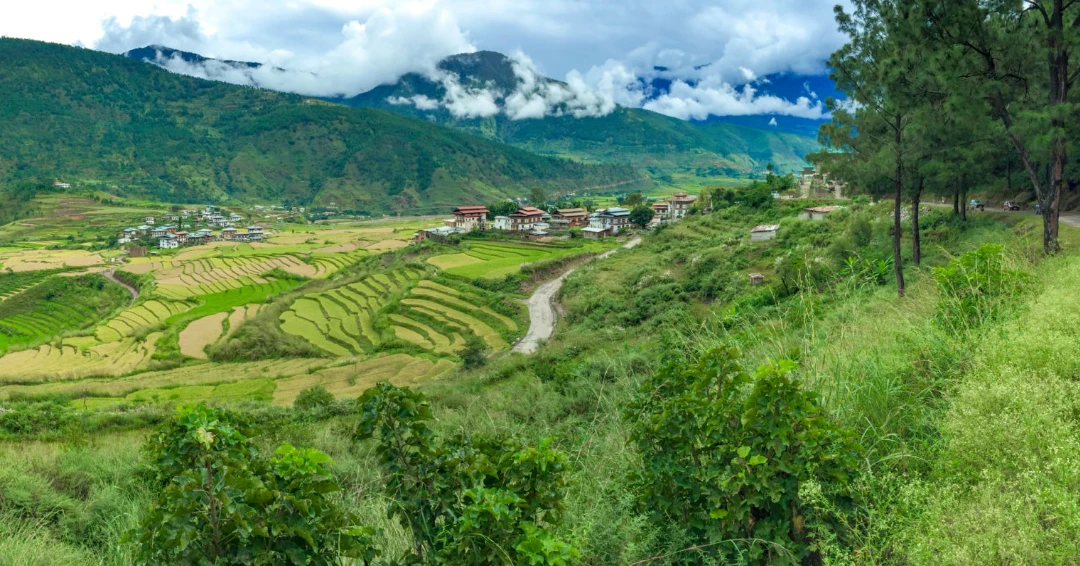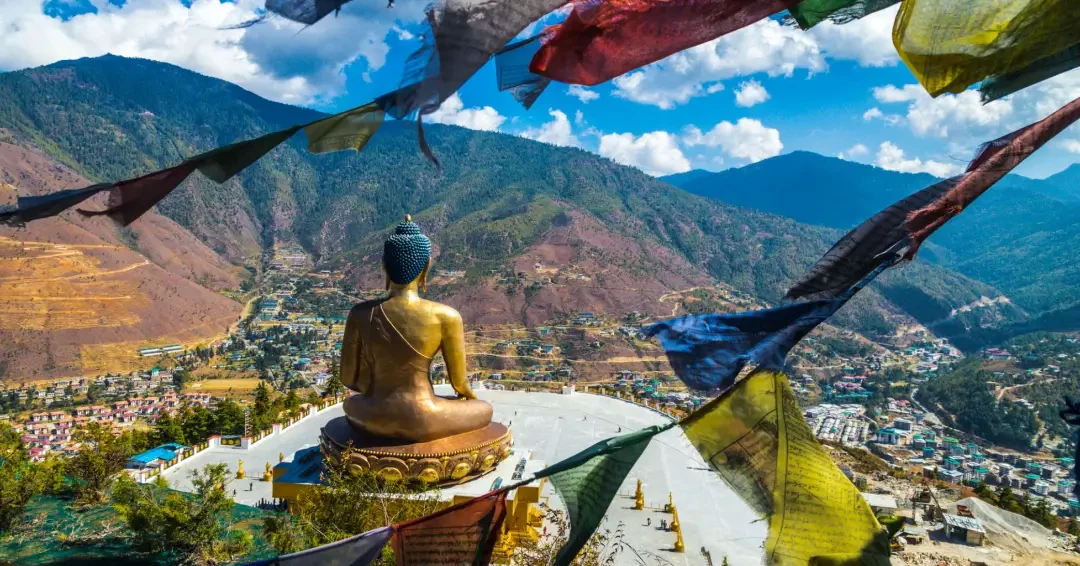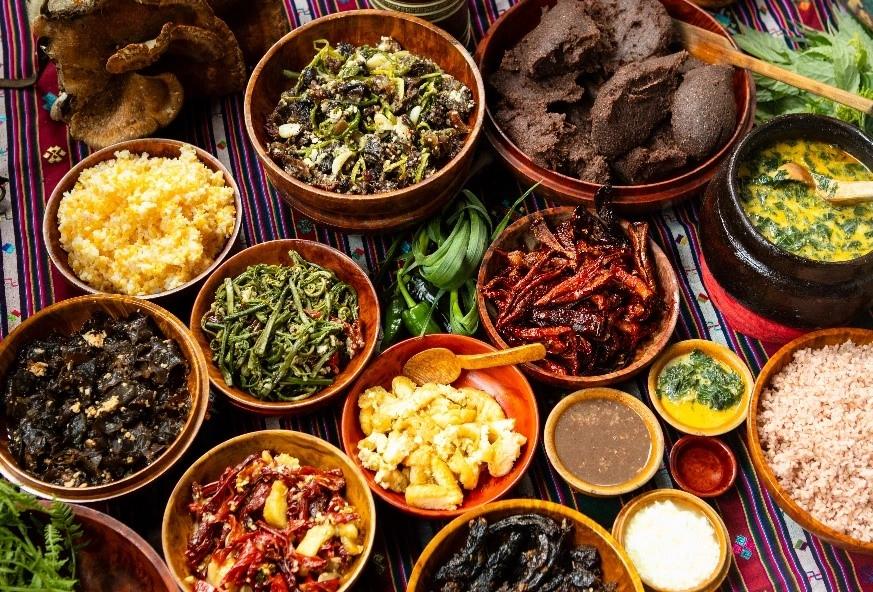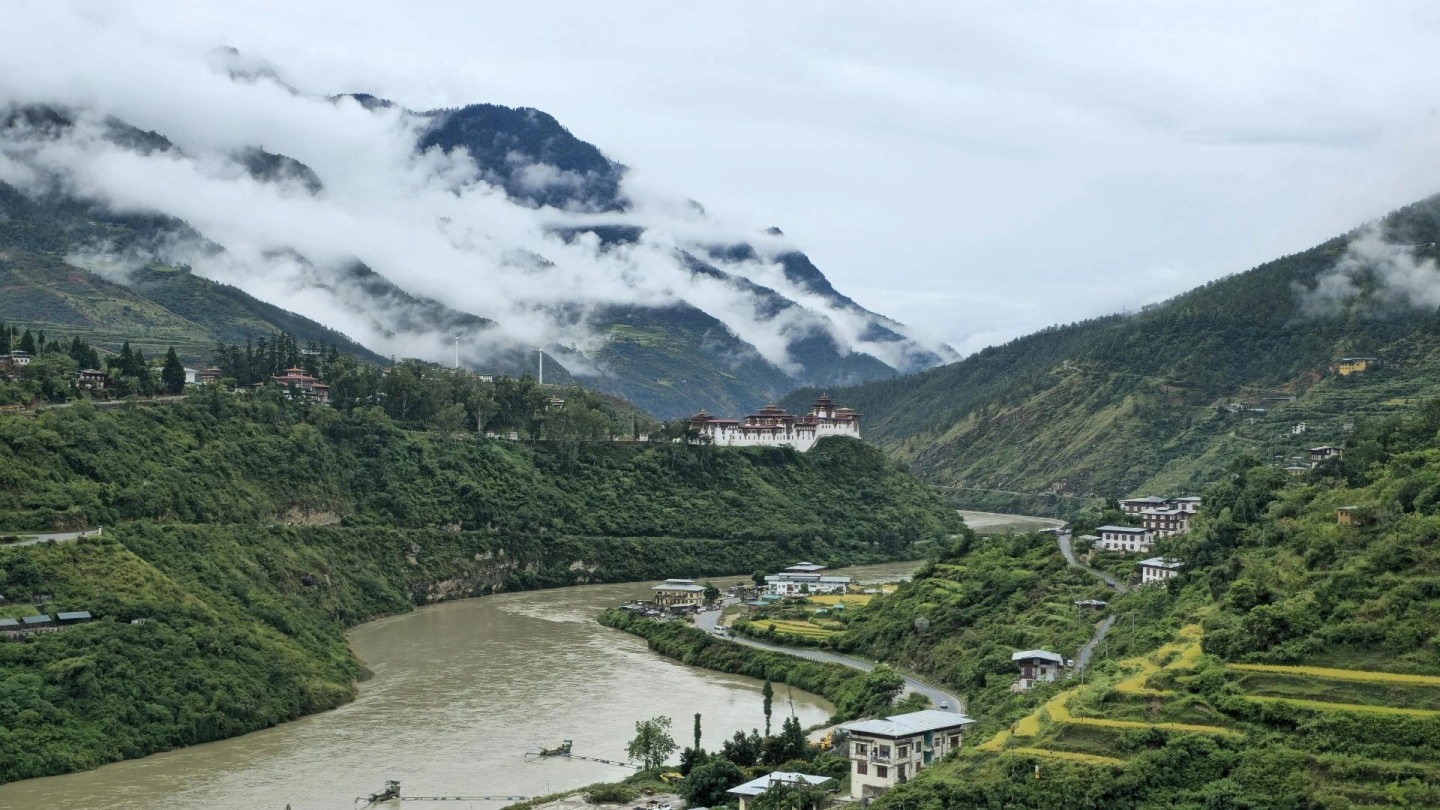
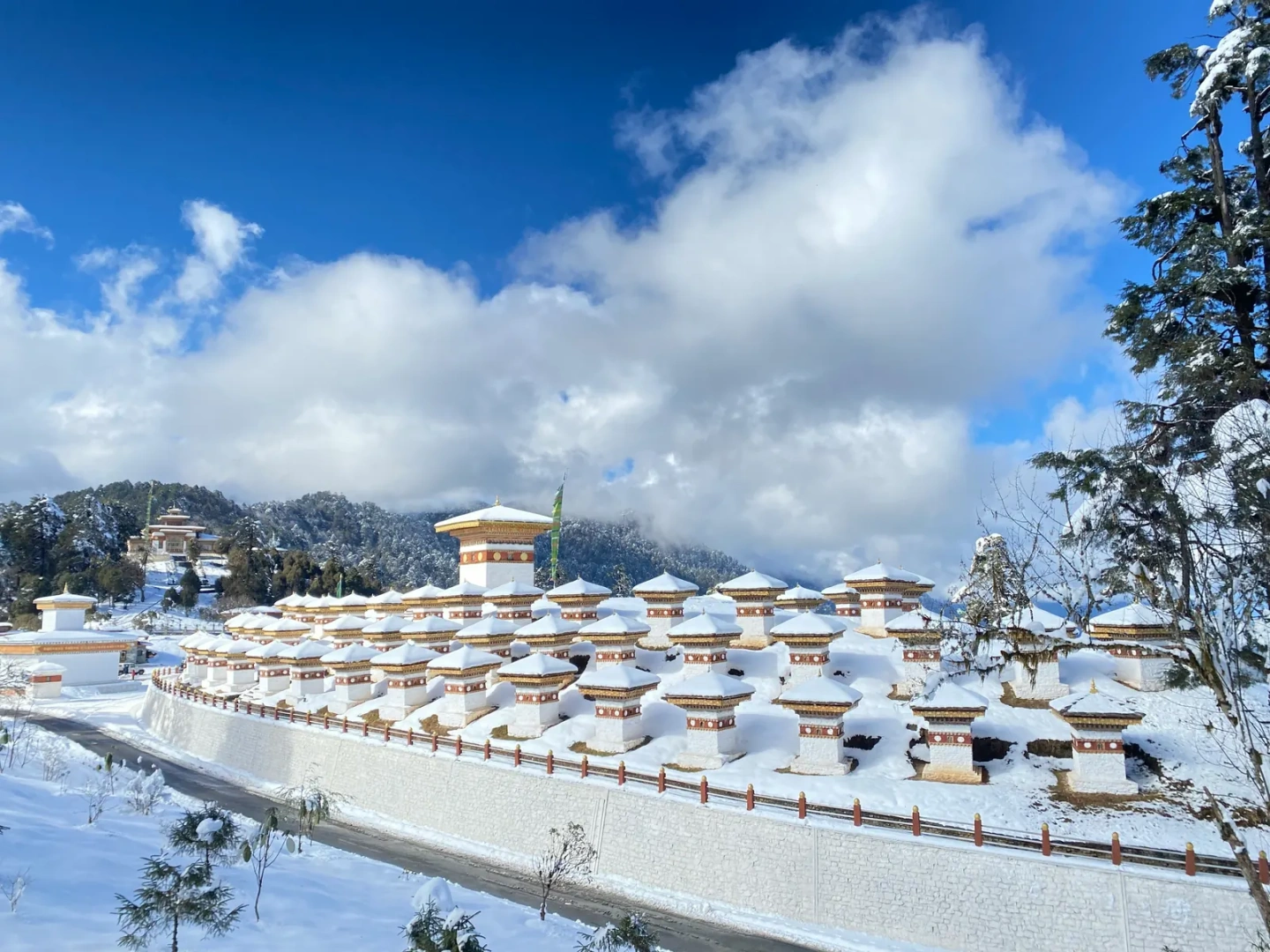
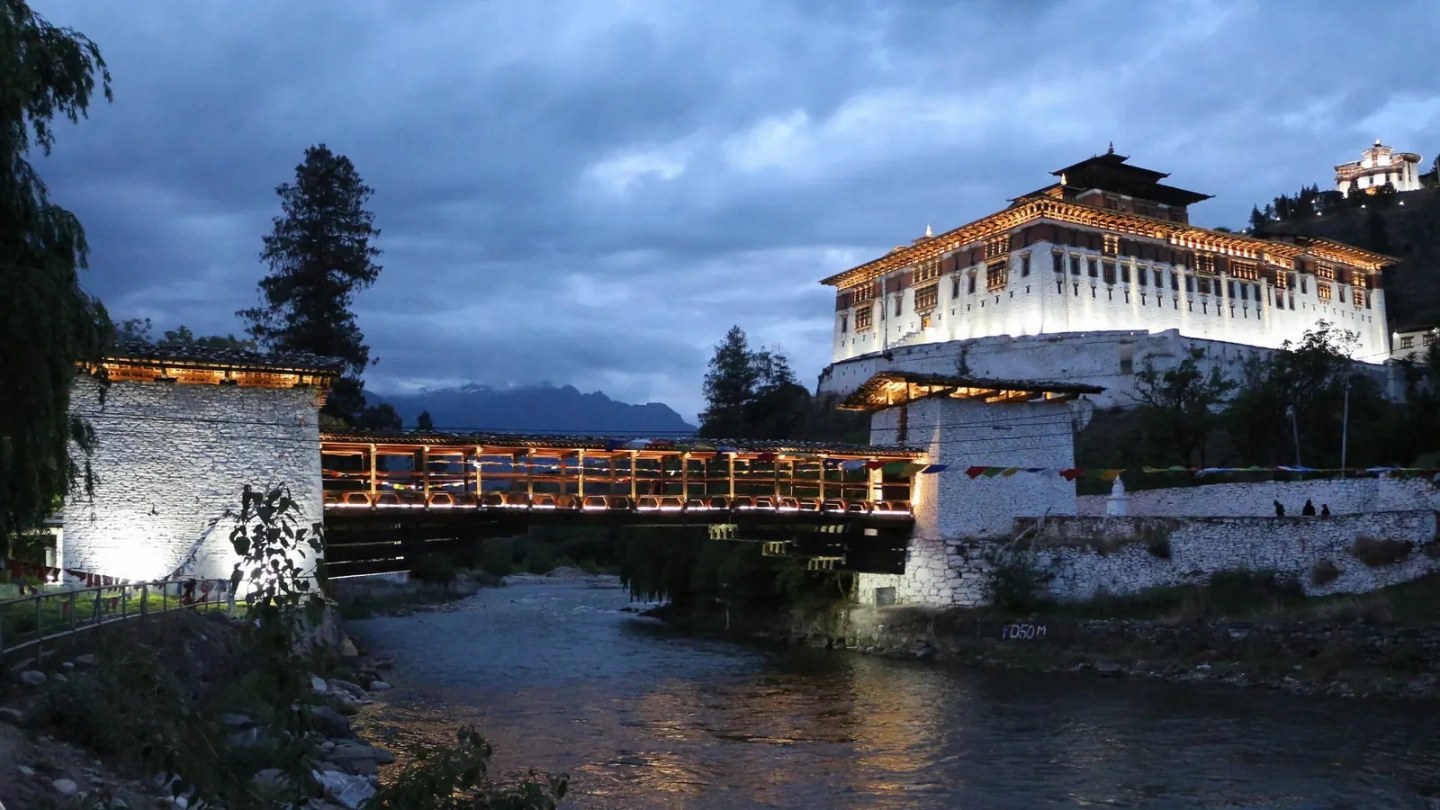
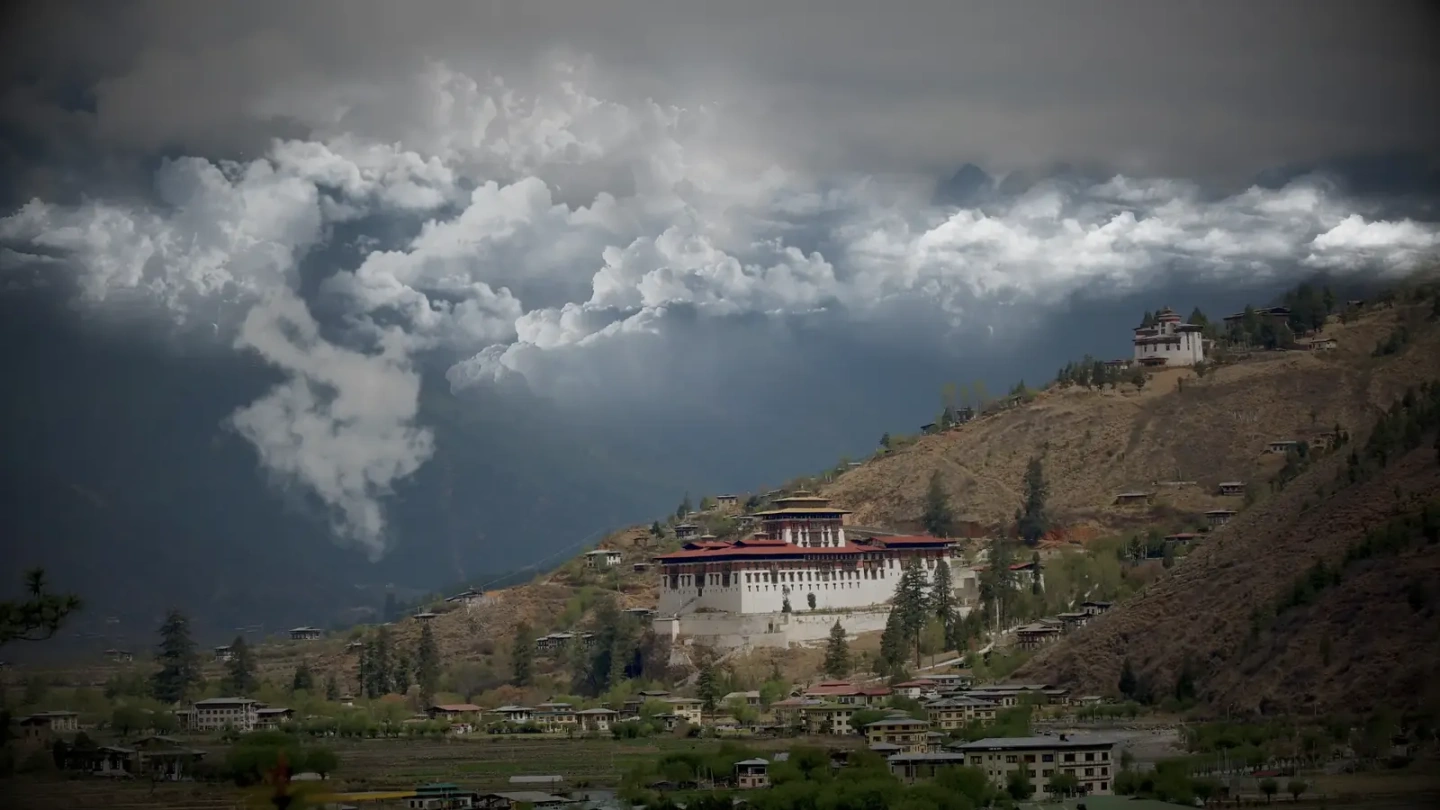
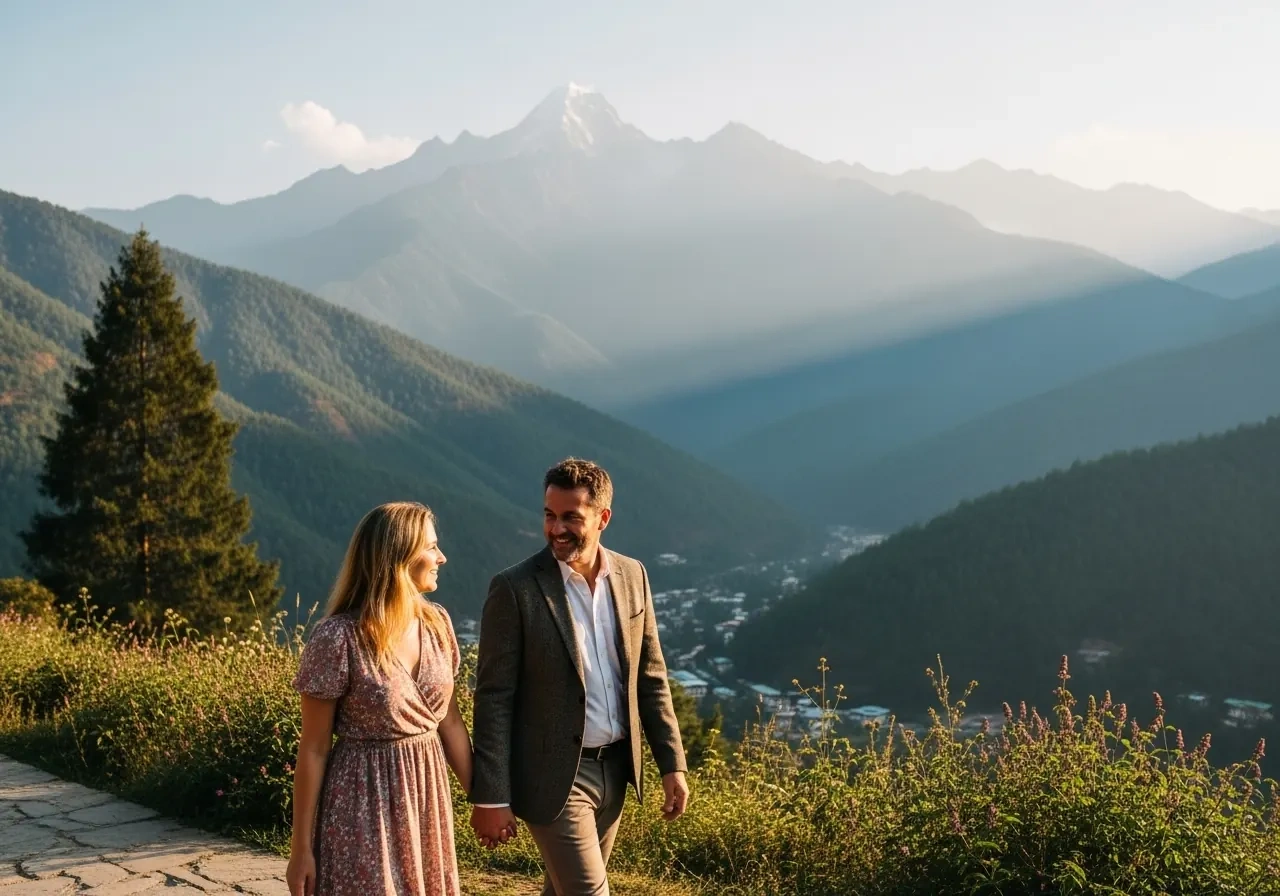


From Moroni, on Grande Comore, Bhutan lies thousands of kilometres away across the Indian Ocean and the Indian subcontinent. The trip starts at Prince Said Ibrahim International Airport (HAH), north of the capital, and usually involves two or three connections before the final descent into Paro. Here is what travellers leaving Moroni should know, written to sit alongside our complete Comoros guide.
Two Ways Out of Grande Comore, Then On to Asia
The first leg from Moroni is the most constrained part of the journey, so it is worth planning around. Our Comoros guide names two airlines for the opening sector:
- Ethiopian Airlines to Addis Ababa.
- Kenya Airways to Nairobi.
Both hubs open up connections towards Asia. Flights from Moroni are not as frequent as those from larger African cities, so start with whichever option fits your dates, then build the rest of the itinerary outwards from it. Check current schedules carefully.
Allow time for the drive north from Moroni to the airport, and keep your Bhutan visa approval and tour confirmation in your hand luggage from the start.
From Addis Ababa or Nairobi, you typically fly to one of three gateways for Bhutan. Our guide describes their personalities nicely: Delhi with its busy markets, Bangkok with its street food and Kathmandu with its old temples. Any of them can turn a long transit into a short holiday.
The final flight into Paro is always with Drukair (Royal Bhutan Airlines) or Bhutan Airlines, the only two airlines that fly into Bhutan. Our Comoros guide notes that flights from Delhi or Bangkok typically take two to three hours, while the hop from Kathmandu is around an hour. Check current schedules before committing to a gateway.
Moroni to Paro, One Example
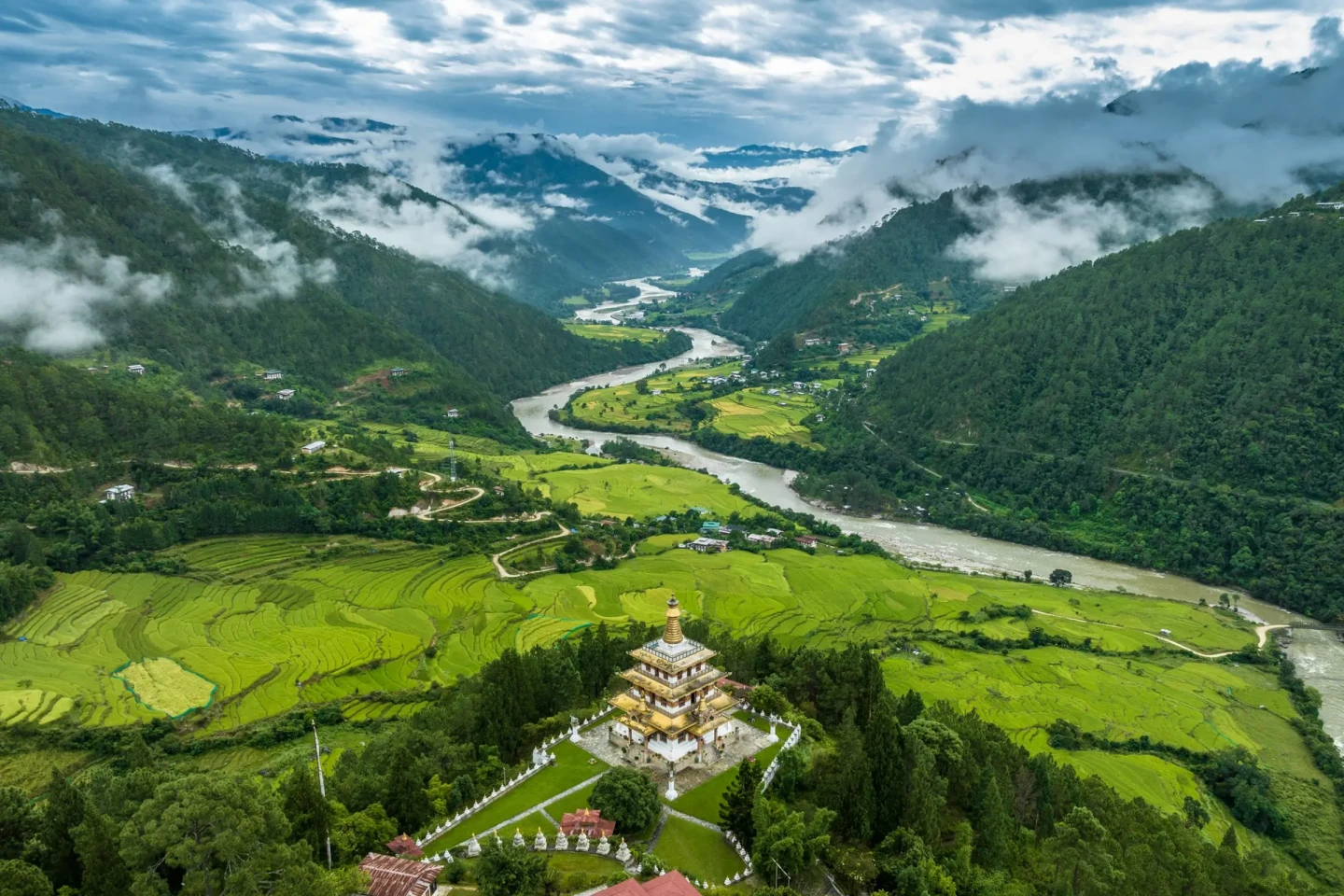
To illustrate, consider this sample route, not a promise of any particular timetable. A traveller flies from Moroni to Addis Ababa on Ethiopian Airlines, connects onwards to Delhi and arrives the following day. They spend a night in Delhi, then catch a morning flight to Paro. By early afternoon they are in the Paro valley with their guide, ready for a slow first day.
Our country guide puts total travel time at 20 to 30 hours including layovers. Resting during transits and building in an overnight stop makes the arrival much more enjoyable. If you stay overnight in India, Thailand or Nepal, check the entry requirements for Comorian passports first.
Three Hours Apart: Moroni and Bhutan
The Comoros keep East Africa Time, UTC+3, with no daylight saving. Bhutan uses UTC+6 all year. As a result, Bhutan is three hours ahead of Moroni throughout the year; 9am in Thimphu is 6am at home.
A three-hour difference is modest. Most travellers adapt within a day or so, especially if they get outside in the morning light.
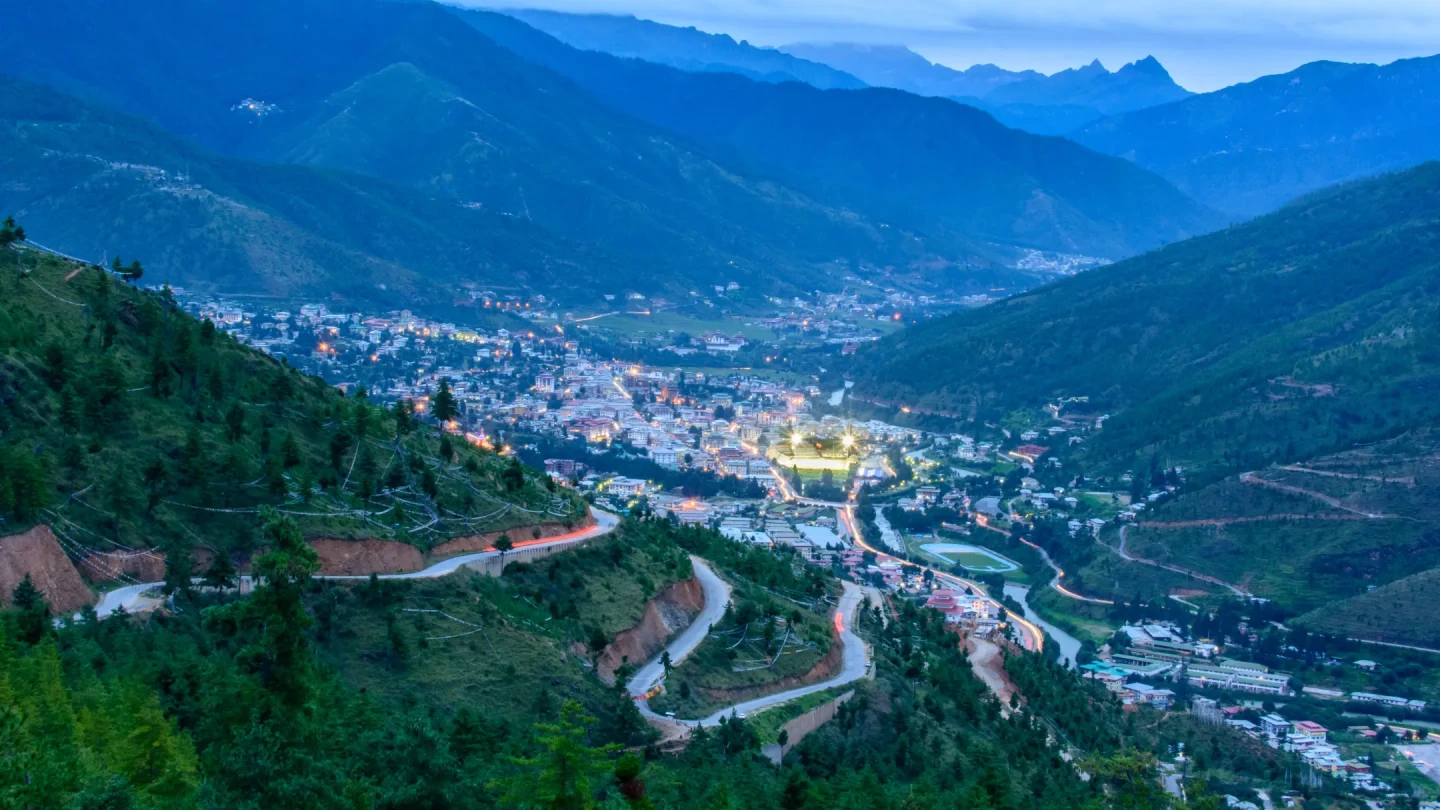
The more noticeable change is altitude. Moroni sits at sea level, while Paro and Thimphu are high mountain valleys, so walking uphill will feel harder at first. Drink plenty of water, take stairs slowly on the first day and save the steeper hikes, such as the trail to Taktsang, for later in the trip when your body has adjusted. Your guide will pace the itinerary with this in mind.
Island Warmth and Mountain Cold
Moroni is warm and humid year-round, with a hotter, rainier season roughly from November to April and a cooler, drier one in the middle of the year. Bhutan's climate is far more varied. Visitors favour spring, from March to May, and autumn, from September to November, above all. Summer, from June to August, is the monsoon. Winter, December to February, brings cold but generally clear weather, especially at altitude.
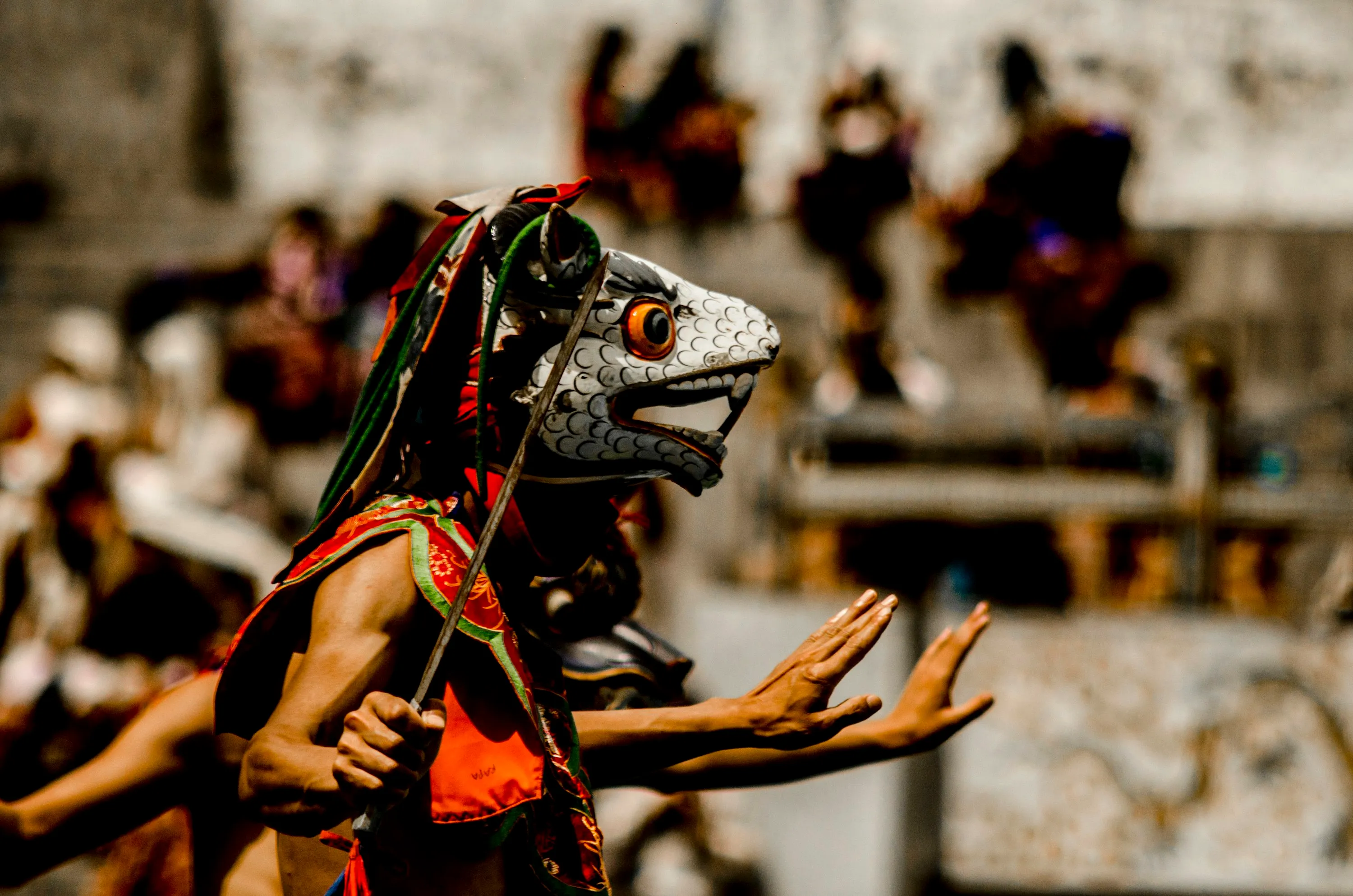
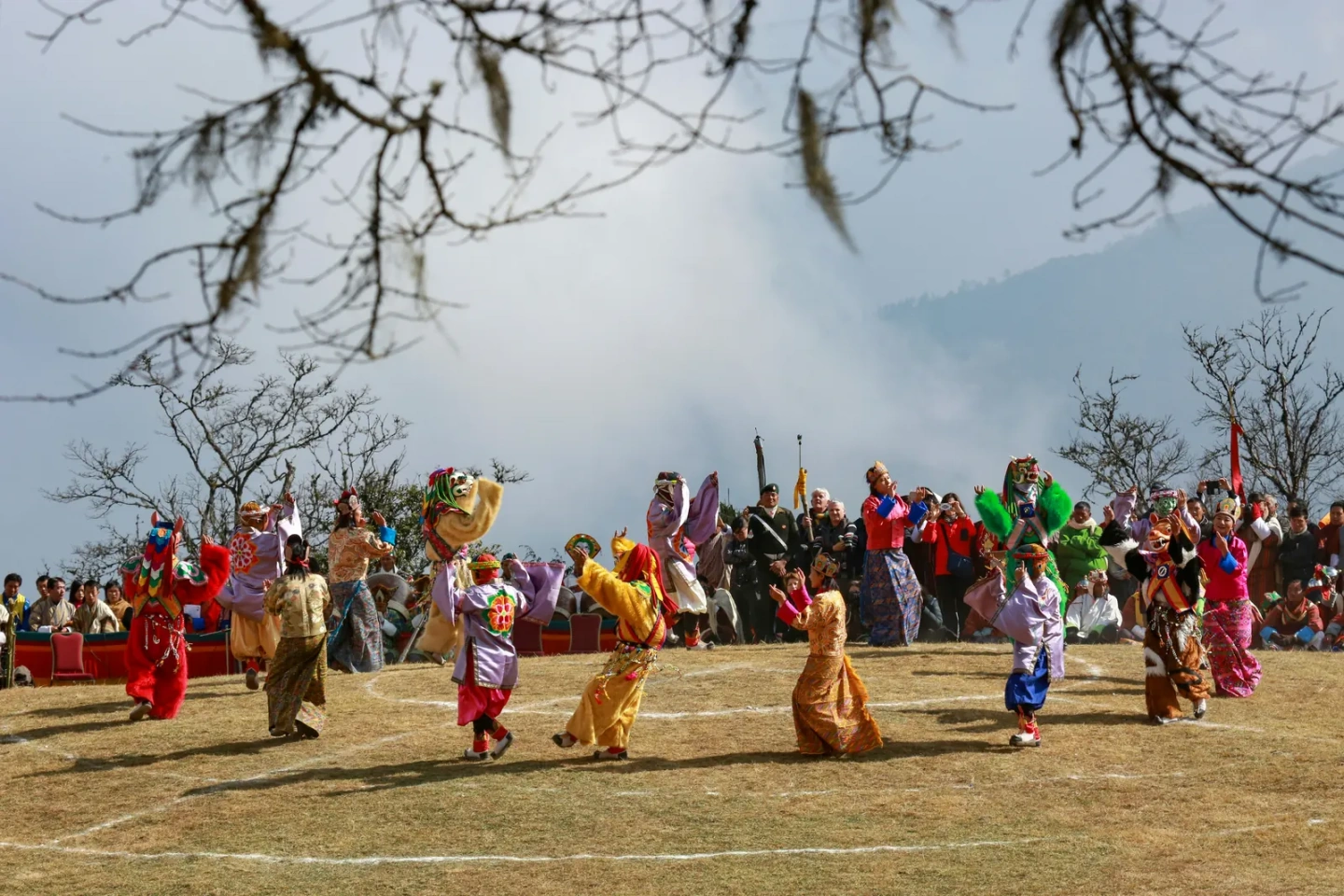
Our Comoros guide reminds visitors accustomed to tropical climates that timing matters. Comorians should pack for cold mornings and evenings even in spring and autumn. Paro Tshechu (spring) and Thimphu Tshechu (autumn) are major festivals, with dates that follow the lunar calendar and change each year.
Arranging Your Visa from the Comoros
Comorian citizens need a Bhutan visa, applied for online before travel. Our Comoros guide explains that your licensed Bhutanese tour operator handles the full application, using a scanned copy of your passport with adequate validity.
In addition:
- Pay the Sustainable Development Fee, currently USD 100 per adult per night for most international visitors. Check the latest rates with the Department of Tourism before booking.
- Hold travel insurance covering your full stay; it is required for visitors.
- Check transit rules for Ethiopia or Kenya and for your Asian gateway.
Booking early through your operator helps line up your flights, visa and SDF payment.
How Many Nights to Plan
- Six nights: Paro, Thimphu and Punakha.
- Nine nights: add Phobjikha and slow down between drives.
- Twelve nights or more: central Bhutan, a festival or a short trek.
Paro's visual-only approach means weather can delay flights, so keep a buffer day before you head home to Moroni.
Questions from Comorian Travellers
Is Nairobi or Addis Ababa better?
Both are typical. Choose the one whose schedule fits best, then connect to Delhi, Bangkok or Kathmandu.
Is the flight into Paro difficult?
The approach is visual-only, and weather can cause delays. It is also famously scenic.
How do I pay for things in Bhutan?
Bhutan uses the ngultrum, pegged 1:1 to the Indian rupee. ATMs are mainly in towns, so carry some cash.
Keep Planning with Our Comoros Guide
For deeper detail on visas, costs and itineraries, read How to Travel to Bhutan from Comoros. Then contact our team with your dates, and we will help plan your Bhutan programme around flights from Moroni.