Dublin Airport (DUB), north of the city, is the departure point for almost every Irish journey to Bhutan. There is no direct route, but well-established connections through the Gulf, Türkiye and Asia make it straightforward to reach the gateway cities for Paro. In this guide we look at the trip specifically from the Irish capital: how to route it, a sample journey, the time difference, how Dublin's weather compares with Bhutan's and the steps Irish passport holders should take.
Departing Dublin Airport
Dublin Airport is well served by coaches and taxis from the city, and most long-haul trips from here involve a connection. Our Ireland guide describes routes via Delhi, Bangkok or Kathmandu, with total travel times of 15 to 25 hours depending on layovers. For the first leg, the guide mentions carriers including Emirates, Qatar Airways, Turkish Airlines and Etihad, as well as Aer Lingus, typically connecting with a partner for the long-haul section.
Connecting Dublin with Delhi, Bangkok and Kathmandu
From Dublin, the three main routings described in our Ireland guide are:
- To Delhi – for example with Emirates via Dubai, then Drukair or Bhutan Airlines to Paro.
- To Bangkok – with Qatar Airways or Thai Airways, then Drukair's service to Paro.
- To Kathmandu – via Turkish Airlines or Etihad, then Bhutan Airlines into Paro.
The guide notes that Bhutanese airlines operate small fleets suited to Paro's runway, and that departures from the gateways often leave early in the morning. Check current schedules before booking, and remember that only Drukair and Bhutan Airlines fly into Bhutan.
Dublin to Paro: An Example Itinerary
Here is an illustration of how a Dublin traveller might plan the journey. It is not a fixed schedule:
- Day 1: afternoon departure from Dublin to Doha with Qatar Airways, then an overnight connection to Bangkok.
- Day 2: arrive in Bangkok and stay near the airport, perhaps with an evening in the city.
- Day 3: early morning Drukair flight to Paro; your guide meets you on arrival.
Our Ireland guide suggests adding buffer days in transit cities to absorb any weather disruption, and the example above follows that advice.
Irish Time Versus Bhutan Time
Ireland uses Greenwich Mean Time (UTC+0) in winter and Irish Standard Time (UTC+1) in summer. Bhutan is on UTC+6 all year. So Bhutan is six hours ahead of Dublin in winter and five hours ahead between late March and late October. If you are calling home, early evening in Bhutan reaches Dublin around lunchtime. A stopover in Bangkok or Delhi helps spread the adjustment over two nights.
Mild, Damp Dublin and Bhutan's Clear Seasons
Dublin's climate is mild and changeable, with rain possible in any month and few extremes of heat or cold. Bhutan's weather is more clearly defined by season. Spring (March to May) and autumn (September to November) are the most popular, with brighter skies and good visibility of the mountains. Summer (June to August) is the monsoon, wetter even than an Irish summer. Winter (December to February) is cold but clear, especially at altitude, and many Irish visitors are surprised by how much sunshine there is. Pack layers, as mornings and evenings are cool even in the shoulder seasons.
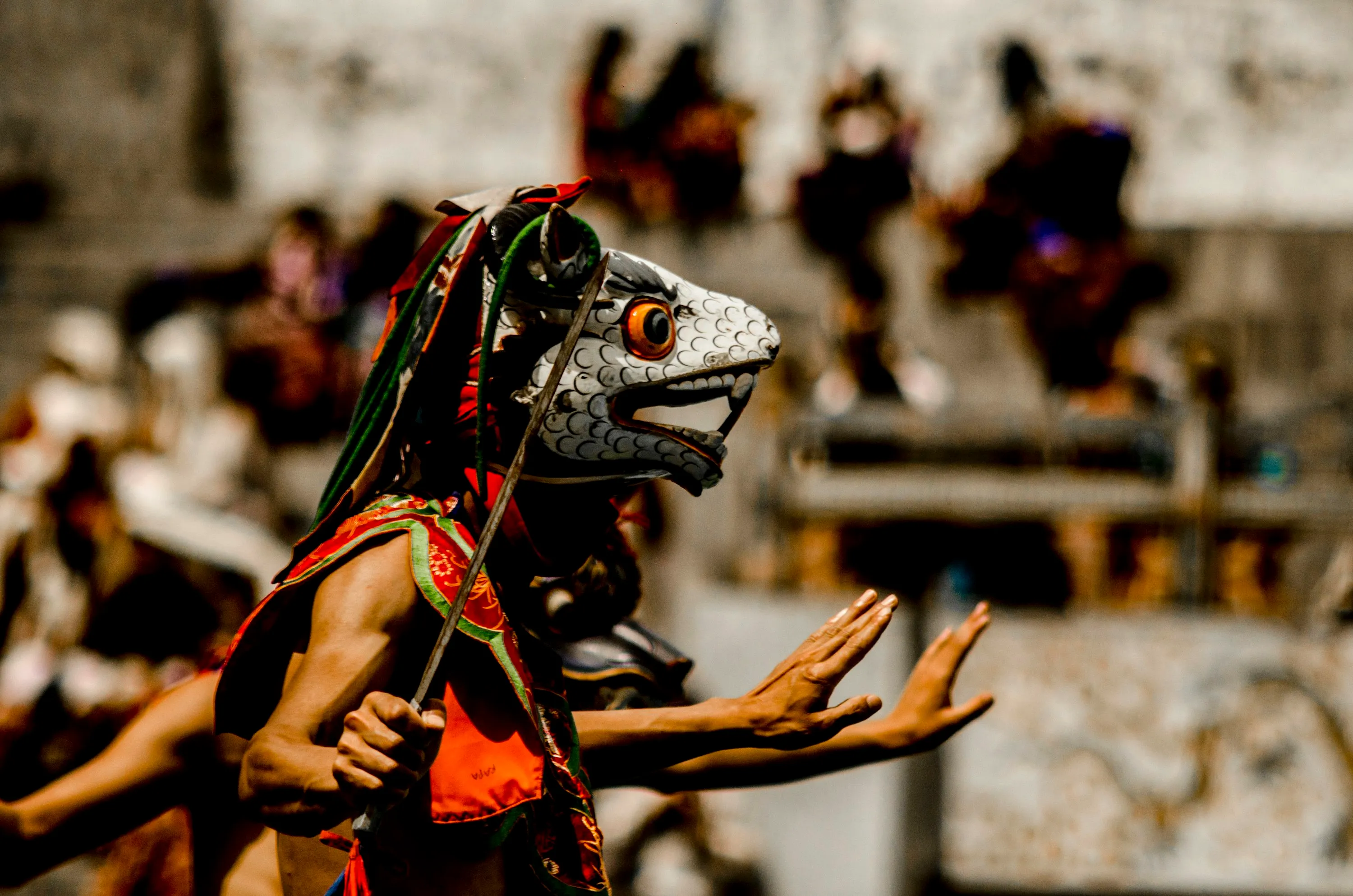
If you would like to attend a festival, Paro Tshechu takes place in spring and Thimphu Tshechu in autumn. Dates follow the lunar calendar and vary year to year.
What Irish Citizens Need for Bhutan
Irish passport holders need a visa for Bhutan, applied for online ahead of travel. It is usually arranged through a licensed Bhutanese tour operator, who submits your passport details and itinerary and sends you the approval.
Visitors from Ireland pay the Sustainable Development Fee at the standard international rate, which is USD 100 per adult per night at present. Check the latest rates with the Department of Tourism before booking. Travel insurance covering your entire stay in Bhutan is required. Our Ireland guide recommends booking flights through your tour operator so that they line up with your visa approval.
The local currency is the ngultrum, pegged to the Indian rupee. ATMs are found mainly in towns, so bring some cash.
When planning, it helps to fix your Bhutan dates and Paro seats before buying long-haul tickets from Dublin. Seats on the Bhutanese carriers are the scarcest part of the journey, especially around the October bank holiday and the spring festival period.
For the flights themselves, think about luggage. You will usually change airlines at the gateway, and the Bhutanese carriers fly smaller aircraft, so check the baggage allowance on your Paro ticket in advance rather than assuming it matches your long-haul fare. Keep a warm layer, any medication and printed copies of your visa approval and insurance in your hand luggage. If you are travelling as a family, ask your operator to request seats together on the Paro sector, as it is a short flight with memorable mountain views on a clear day.
How Many Nights to Book from Ireland
- Six nights: Paro, Thimphu and Punakha, with the Tiger's Nest hike.
- Nine nights: adds the Phobjikha Valley and a more relaxed rhythm.
- Twelve nights or more: includes Bumthang or a trek in spring or autumn.
Add a night in Bangkok or Delhi on the way home if you want a softer landing back in Dublin.
Dublin FAQ
Is there a direct flight from Dublin to Asia for this trip?
Most routes involve at least one stop before reaching Delhi, Bangkok or Kathmandu. Check current schedules for options on your dates.
Which gateway is easiest from Dublin?
Our Ireland guide describes all three. Bangkok suits stopovers; Delhi can be quickest; Kathmandu suits Nepal combinations.
Do I need a buffer day?
Yes. Paro flights depend on visibility, so a spare day protects your connection home.
For full itineraries and costs, read How to Travel to Bhutan from Ireland.