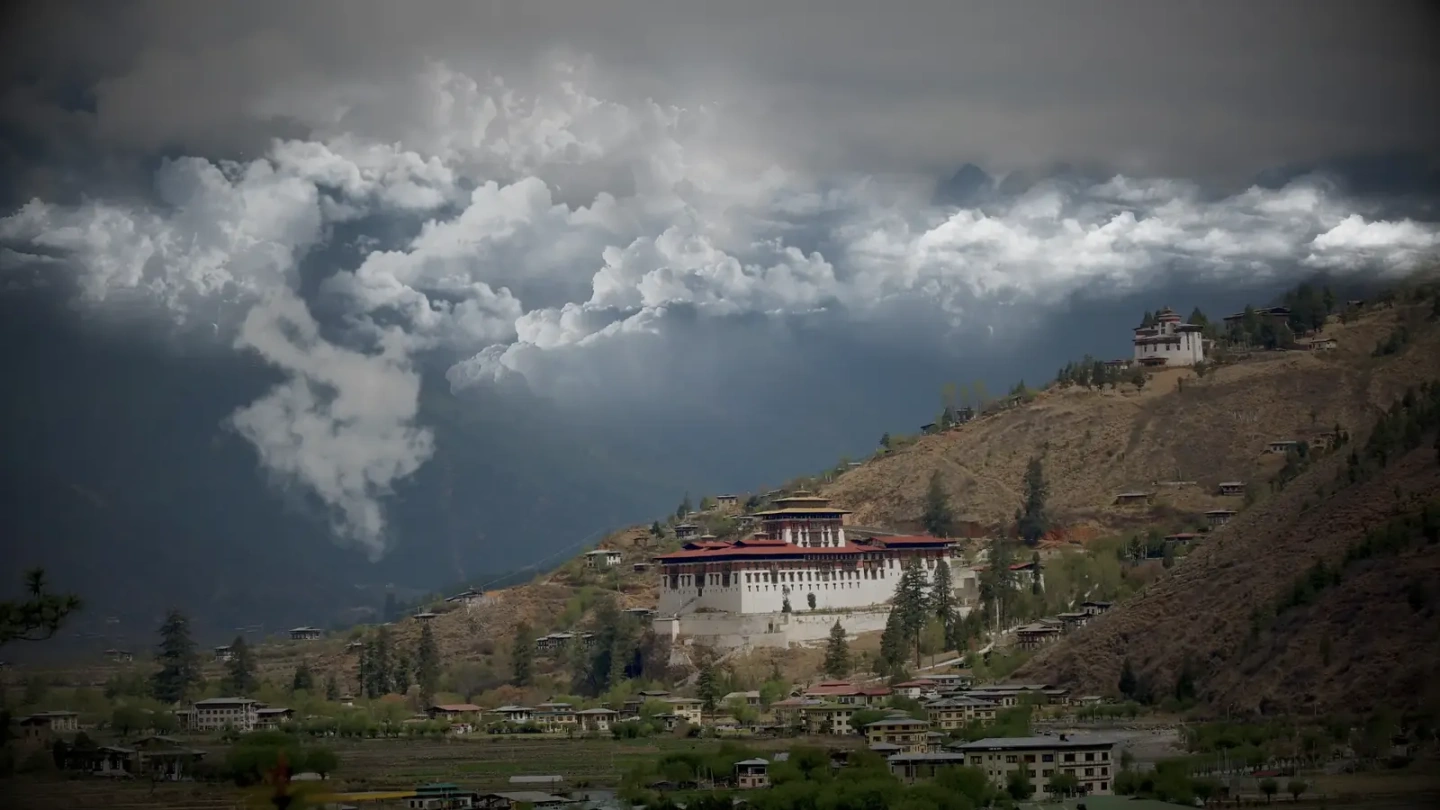
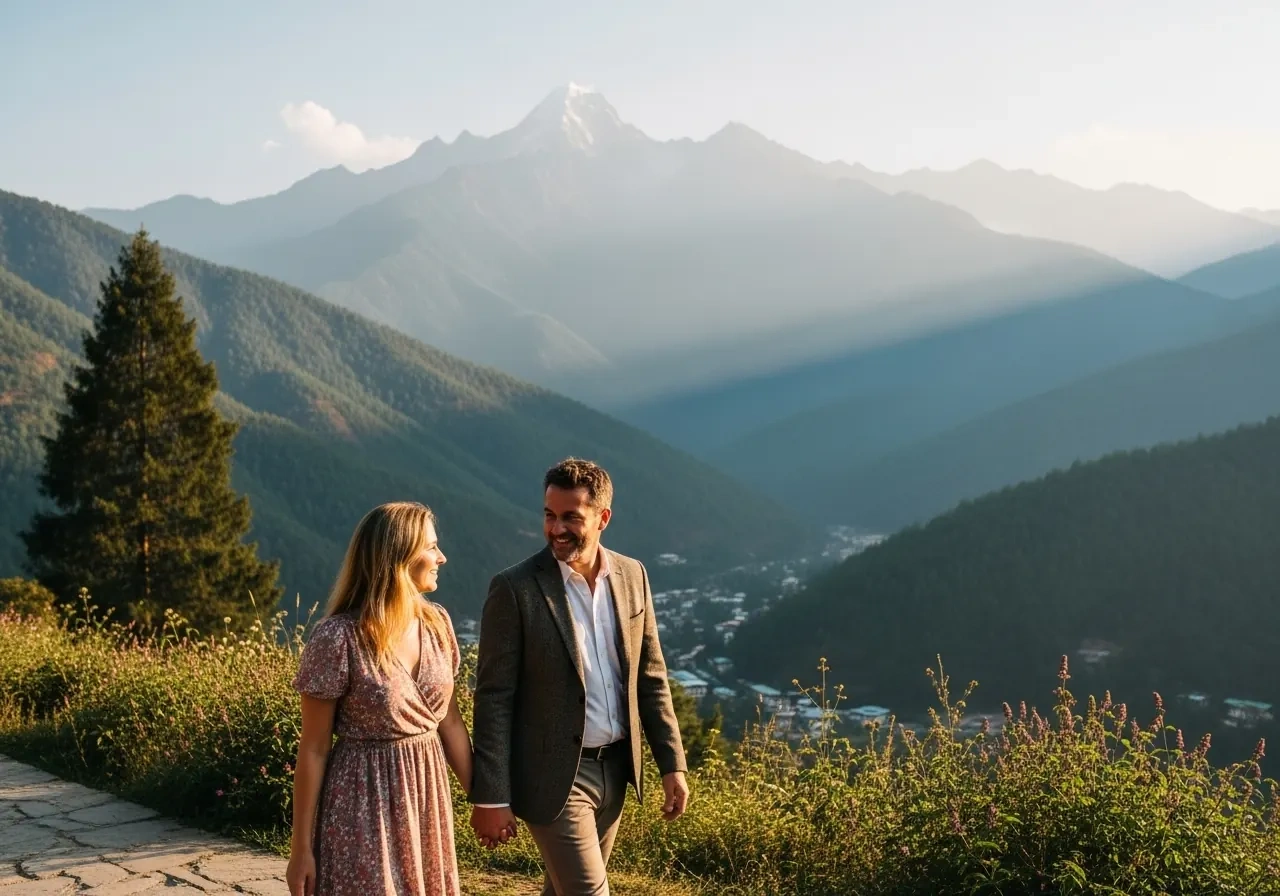


Most Senegalese travellers heading for Bhutan start in Dakar and leave from Blaise Diagne International Airport (DSS), which lies outside the city near Diass. Give yourself enough time for the road journey from central Dakar, because from that first check-in you are committing to a multi-stage trip that ends in the Himalaya.
Leaving Dakar via Blaise Diagne
There are no direct services between Dakar and Paro. The Senegal guide describes the most common itineraries as starting at Blaise Diagne and connecting through major hubs such as Istanbul, Delhi, Kathmandu or Bangkok before the final flight to Bhutan. Paro International Airport is Bhutan's only international airport, and only Drukair and Bhutan Airlines fly there.
The airport transfer is worth planning carefully, especially for night departures, so you arrive relaxed rather than rushed.
Two Classic Corridors: Istanbul and Addis Ababa
The Senegal guide sets out two typical approaches.
- Through Istanbul: Turkish Airlines from Dakar to Istanbul, then onward to Kathmandu, then Drukair or Bhutan Airlines to Paro.
- Through Addis Ababa: Ethiopian Airlines from Dakar to Addis Ababa, then on to Delhi for a connection to Paro.
The Istanbul corridor suits travellers who want to combine Nepal with Bhutan, while the Addis Ababa option keeps you on an African carrier for longer and brings you into Delhi. Bangkok is a further possibility. In every case, check current schedules, because the flights into Paro are limited and change by season.
What a Dakar to Paro Journey Could Look Like
Here is an example of how one trip might be pieced together. Use it as a guide to the shape of the journey, not as a fixed timetable.
- Day 1: Evening departure from Blaise Diagne to Istanbul.
- Day 2: Connect in Istanbul to Kathmandu; overnight in the Nepalese capital.
- Day 3: Fly from Kathmandu to Paro and start exploring with your guide.
Pausing in Kathmandu or Delhi is a good habit. The approach into Paro is flown visually and weather can cause delays, so a buffer helps keep the rest of the tour on track.
Before leaving Dakar, confirm with each airline whether your luggage is checked through to your final gateway or needs collecting at the transfer point. Where you are changing between separate tickets, such as an Ethiopian Airlines long-haul and a Drukair sector out of Delhi, you will usually need to collect bags and check in again, which is another reason the overnight stop makes sense. Keep printed copies of your visa approval and tour confirmation with your passport, as airline staff may ask to see them before letting you board the flight into Paro.
Dakar Time and Bhutan Time
Senegal keeps GMT (UTC+0) all year and does not use daylight saving. Bhutan is on UTC+6, also without seasonal changes. The result is a six-hour difference, Bhutan ahead, which never varies. At midday in Dakar, it is 6pm in Thimphu.
A six-hour shift eastward usually takes a couple of days to settle. Overnight flights help, as does getting into the daylight in Paro on your first morning.
Harmattan and Hivernage vs Bhutan's Seasons
Dakar's year divides into a long dry season, shaped by the dusty harmattan winds, and the hivernage, the rainy season from about July to October. Bhutan's monsoon (June to August) overlaps the first half of Dakar's rains, so midsummer is damp in both places.
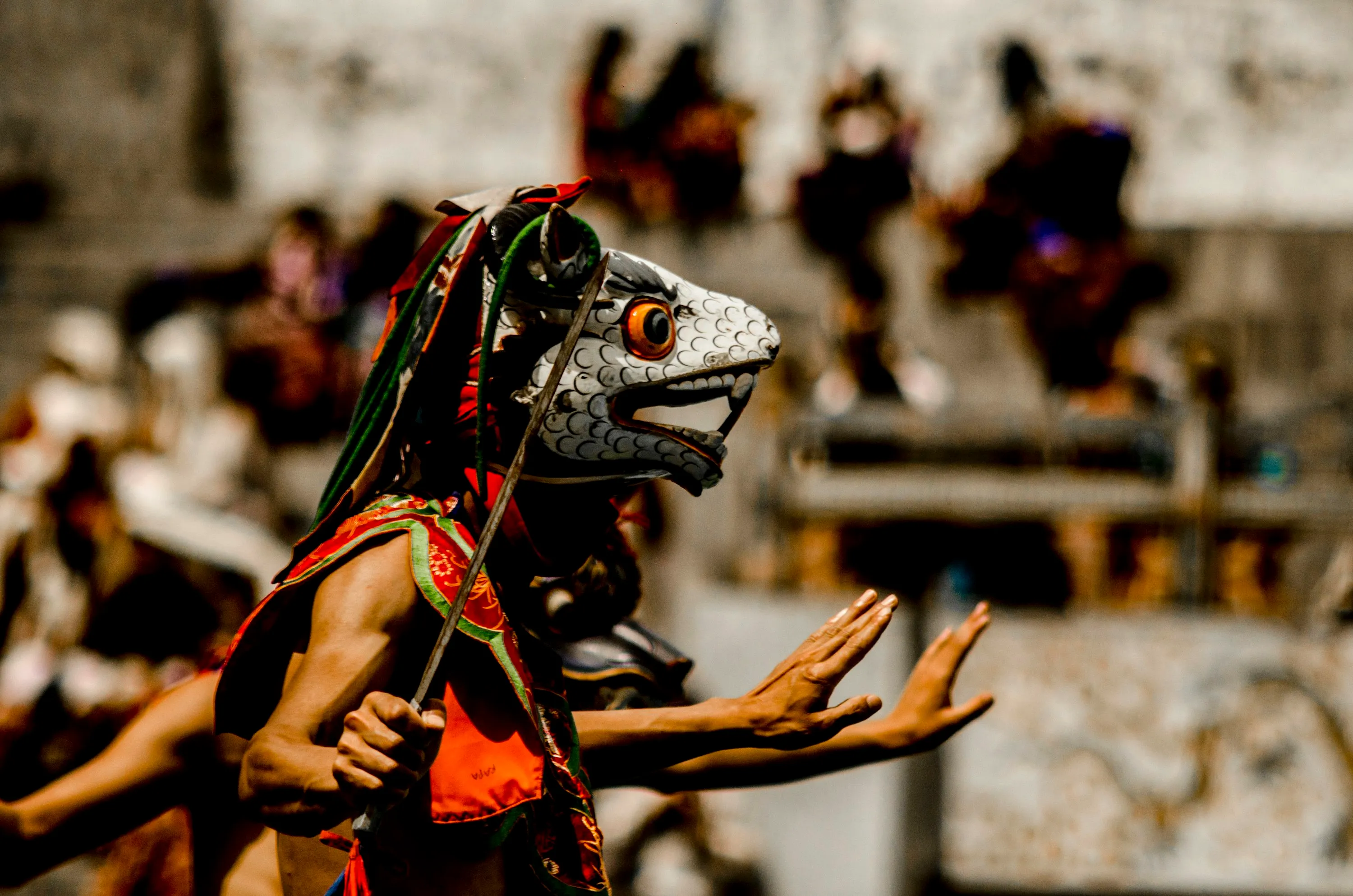
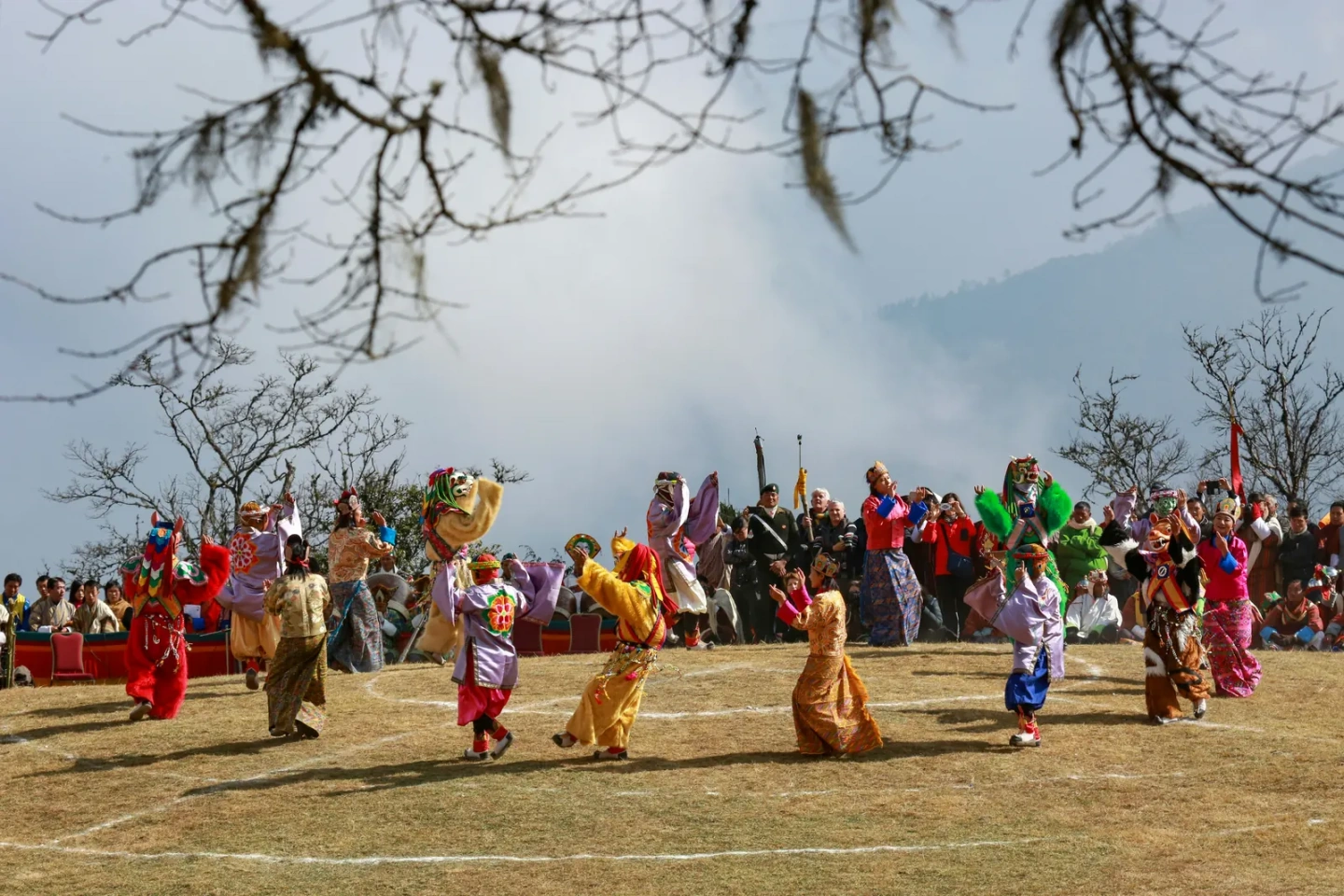
The most popular months in Bhutan are spring (March to May) and autumn (September to November). Spring fits neatly into Dakar's dry season and brings Paro Tshechu, while autumn includes Thimphu Tshechu. Festival dates follow the lunar calendar and shift each year. Winter (December to February) is cold but clear, especially at altitude, so pack much warmer clothes than you would wear in Dakar.
Visa, SDF and Insurance for Senegalese Nationals
Senegalese citizens need a Bhutan visa, applied for online in advance and normally organised by a licensed Bhutanese tour operator. The Senegal guide notes that payment for the tour is made in advance and is linked to the visa being issued.
- SDF: for most international visitors the fee is currently USD 100 per adult per night. Check the latest rates with the Department of Tourism before booking.
- Insurance: travel insurance covering your full stay is required.
- Transit: check whether you need any transit documents for Turkey, Ethiopia, Nepal or India, depending on your route.
- Cash: Bhutan uses the ngultrum, pegged to the Indian rupee; ATMs are mainly in towns.
How Many Nights from Dakar?
With two or three days of travel each way, we suggest at least six nights in Bhutan. That covers Paro and Thimphu with a day to spare. Eight to ten nights allow you to cross the passes into central Bhutan, and a fortnight suits trekking or attending a tshechu. If you route via Kathmandu, adding three or four days in Nepal makes the long trip feel well rounded.
Leave a spare day before your flight out of Paro too. It protects your long-haul connection home if weather causes a delay.
Frequently Asked in Dakar
Is Istanbul or Addis Ababa better from Dakar?
Both are typical options in the Senegal guide; Istanbul often pairs with Kathmandu, Addis Ababa with Delhi.
Can I get a visa on arrival in Paro?
No. The visa must be approved before travel, usually through your tour operator.
What is the time difference with Dakar?
Bhutan is six hours ahead of Dakar throughout the year.
For the wider overview of visas, SDF and itineraries, read How to Travel to Bhutan from Senegal, and contact our team to start planning your departure from Dakar.