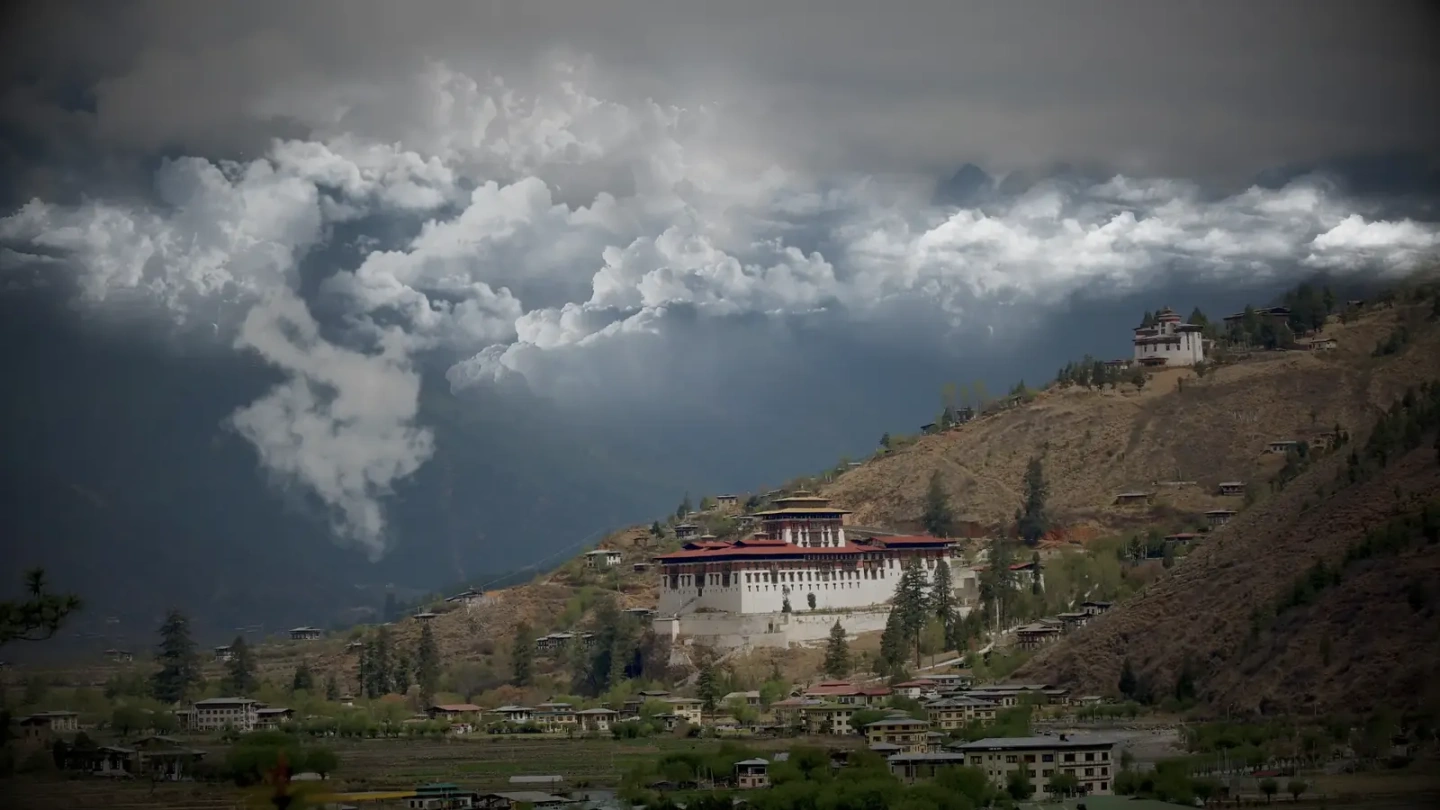
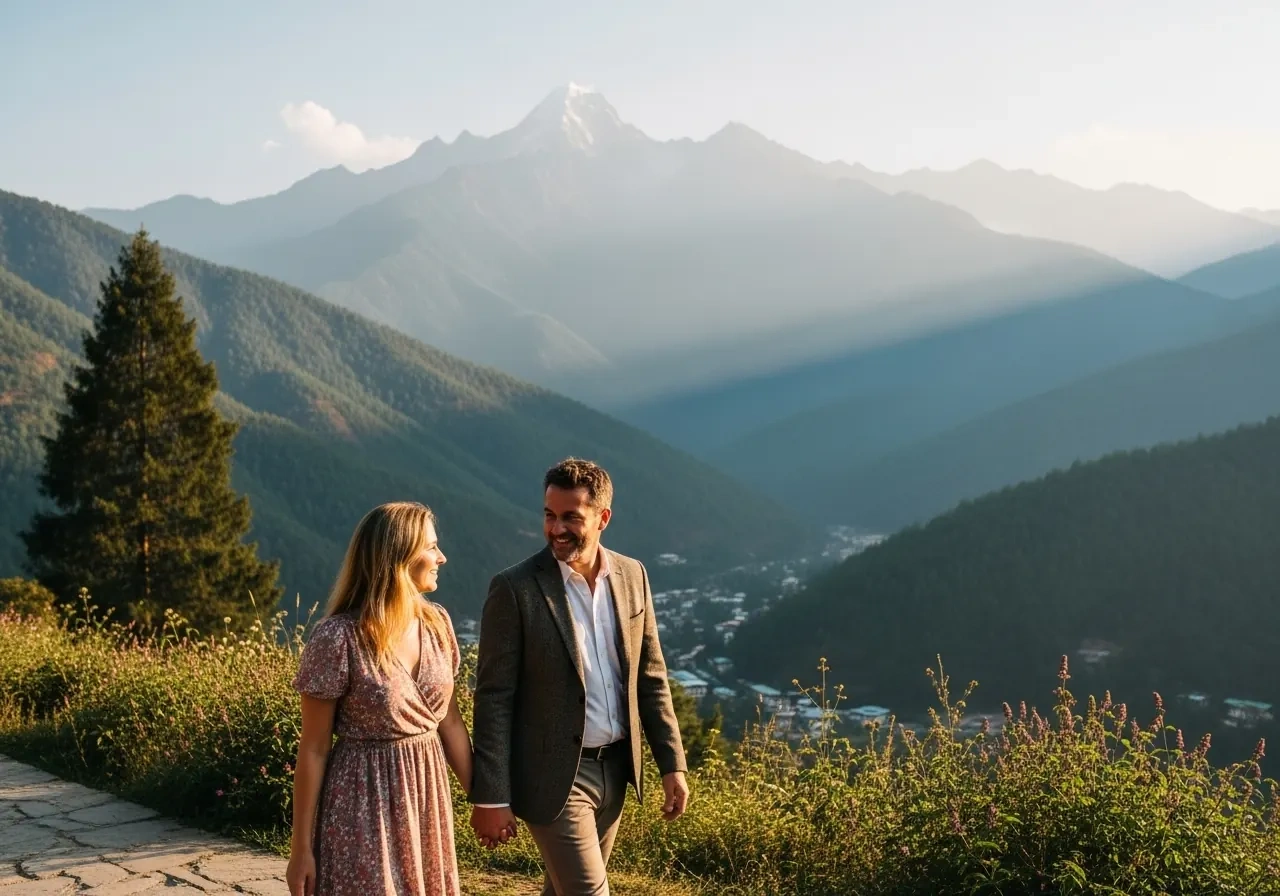


Bhutan is one of the few places on earth where Buddhist practice is part of everyday life rather than a tourist show. A meditation or spiritual retreat here can be as simple as morning sitting in a hotel shrine room or as deep as several days of guided practice near a monastery. This guide covers where to go, the kinds of retreat on offer, how long to stay, what a retreat day looks like and how to prepare.
Why meditate in Bhutan?
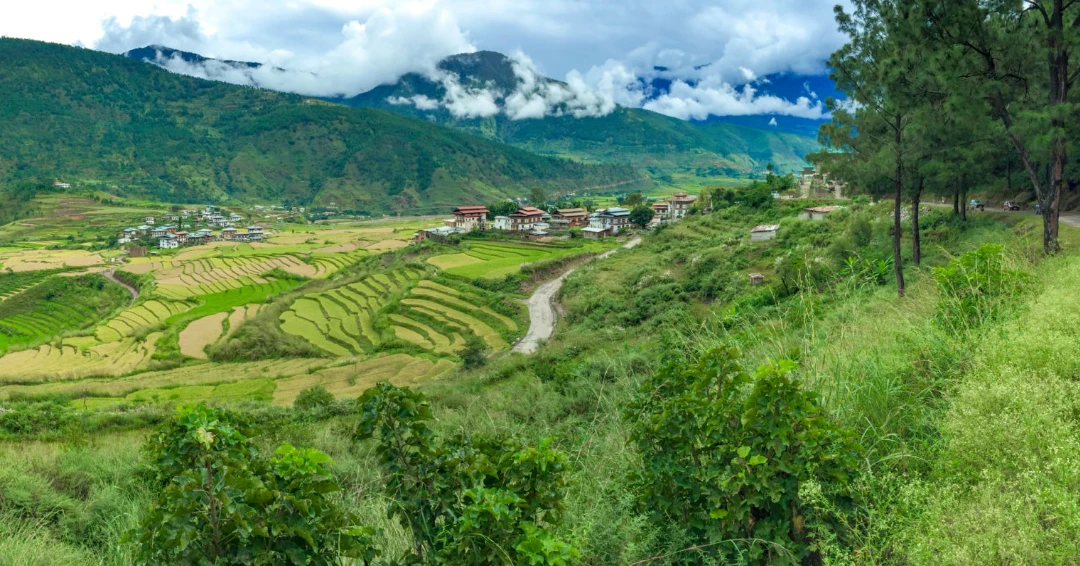
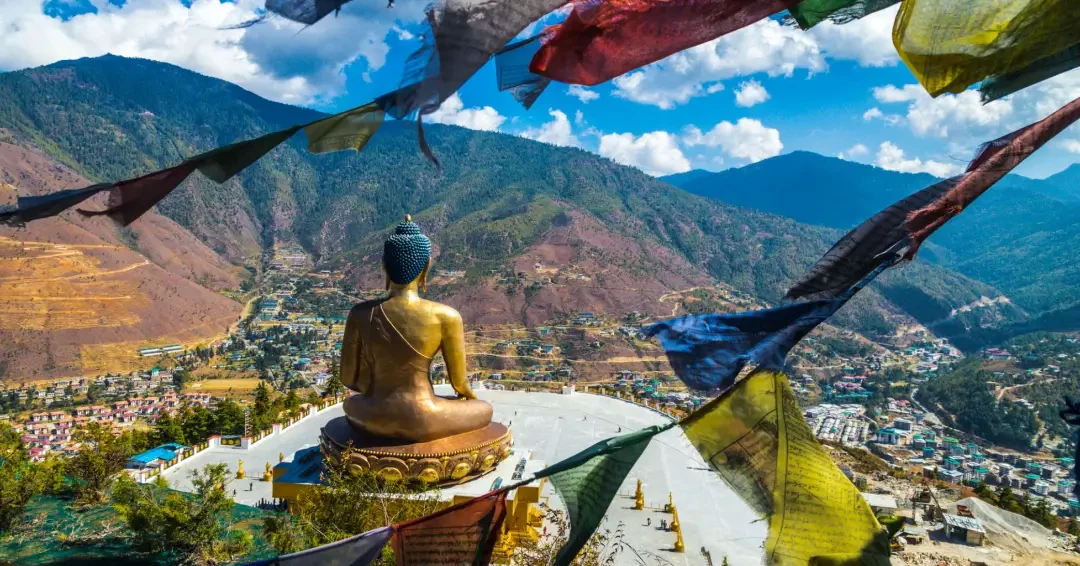
In Bhutan you do not have to look for a spiritual atmosphere: it is simply there. Farmers spin prayer wheels on their way to the fields, prayer flags carry mantras on the wind across every pass, and families light butter lamps at home. Elderly people circle chortens in the early morning, counting prayers on their malas. Practising meditation in this setting, with clean mountain air and very little noise, helps many visitors settle into a calm that is hard to find at home.
Bhutan also measures progress through Gross National Happiness, an idea that puts wellbeing, culture and the environment alongside economic growth. A retreat is a chance to experience that outlook from the inside.
Where to meditate in Bhutan
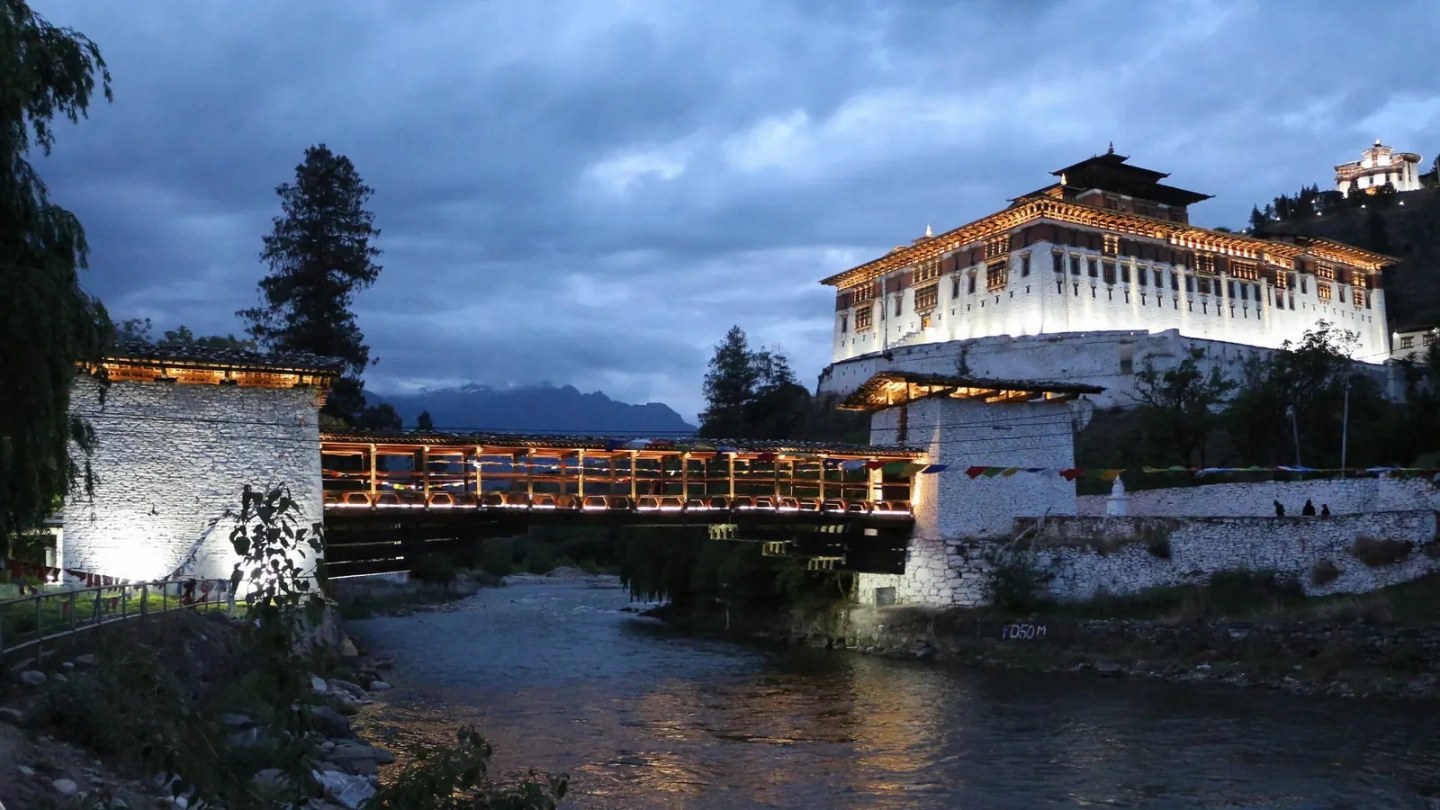
- Paro valley: quiet farmhouses, the Tiger's Nest (Taktsang) hike and ancient Kichu Lhakhang.
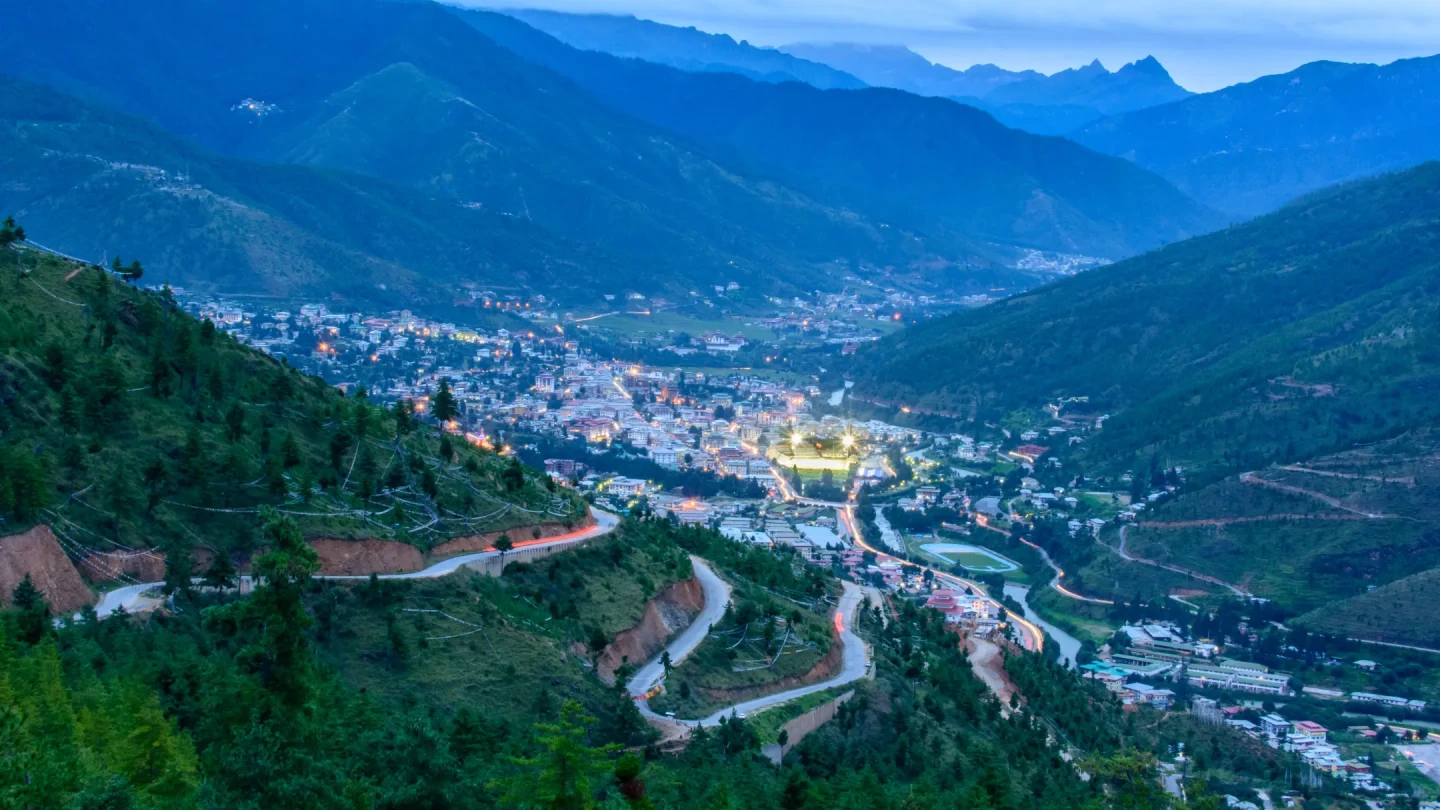
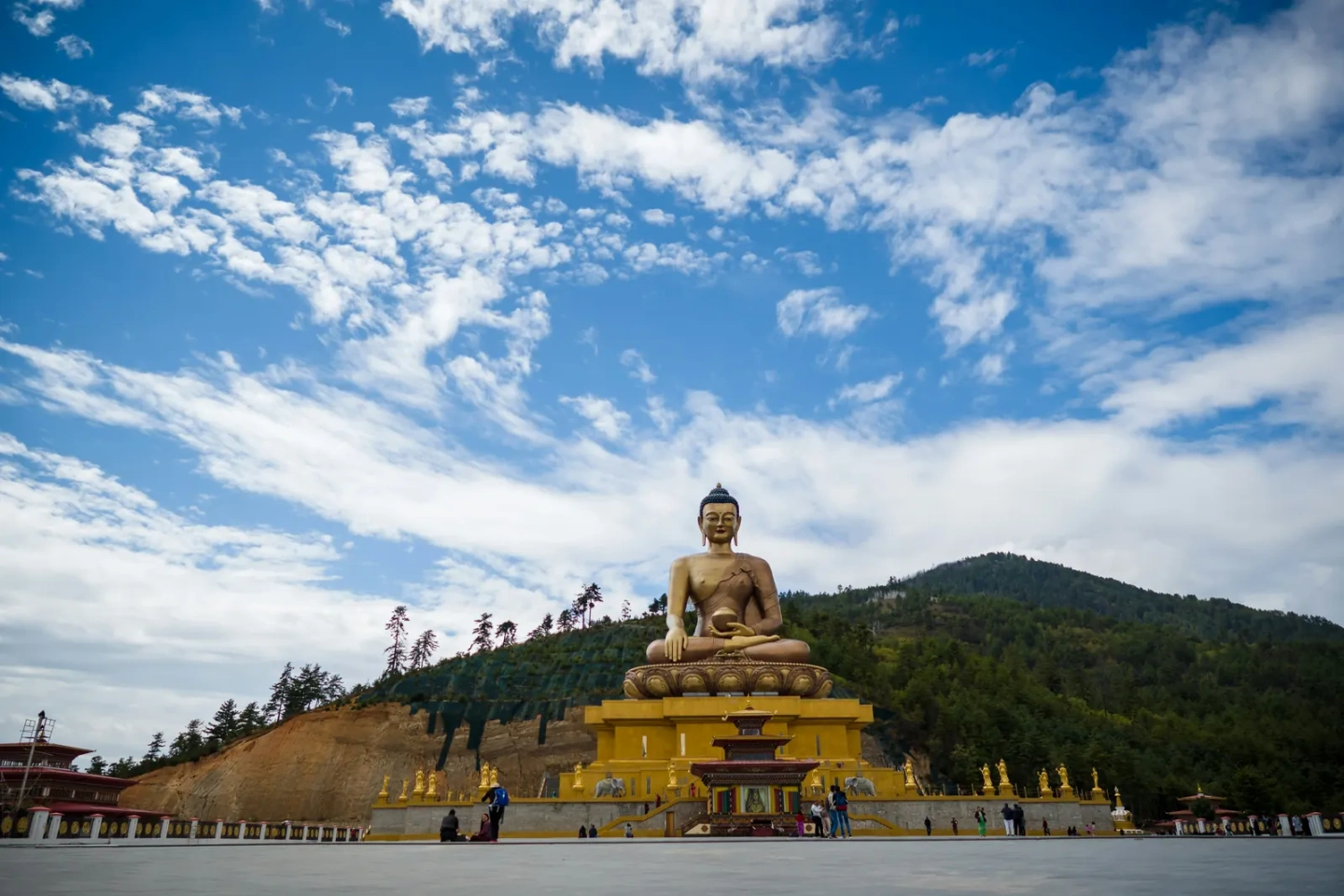
- Thimphu: easy access to teachers, the Buddha Dordenma and peaceful hillside temples.
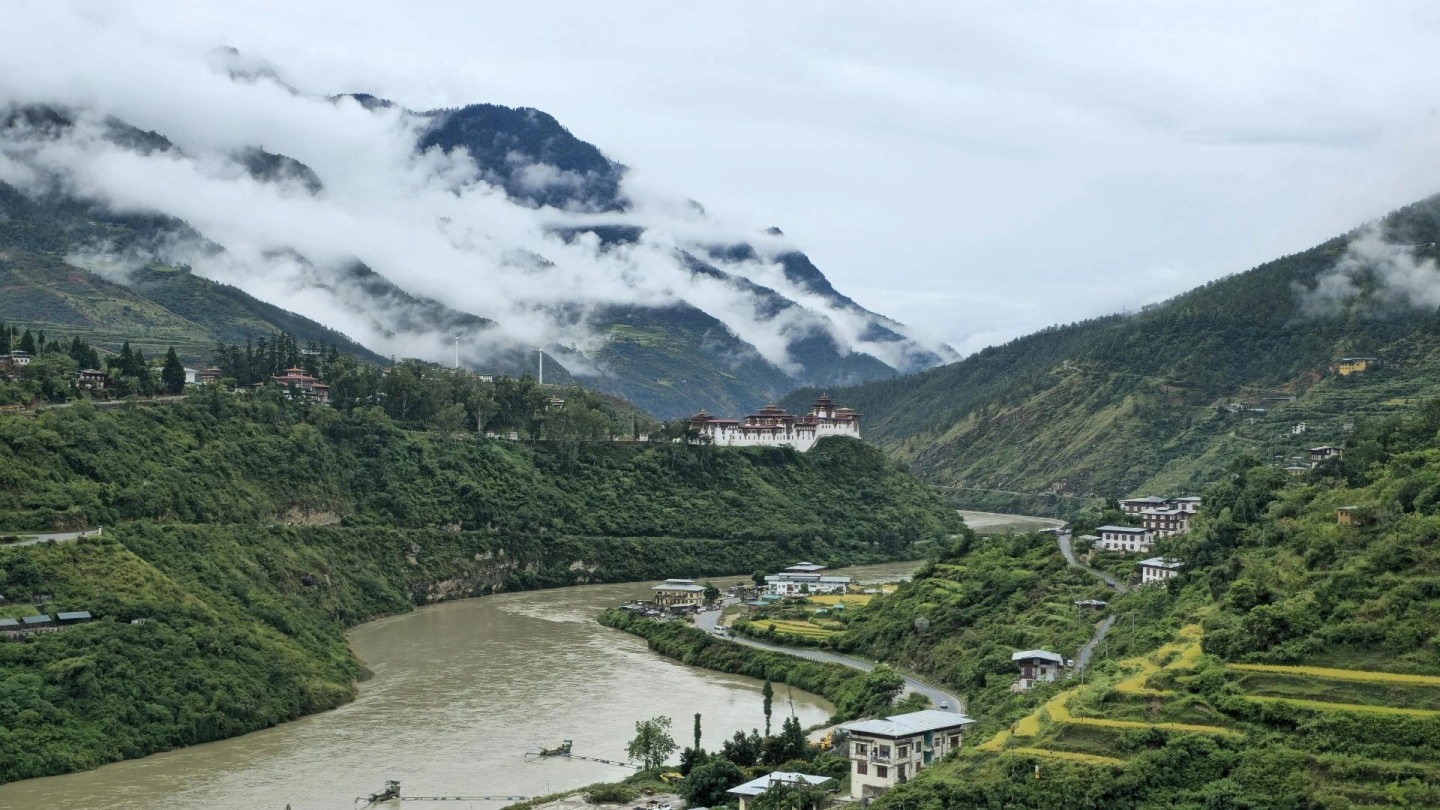
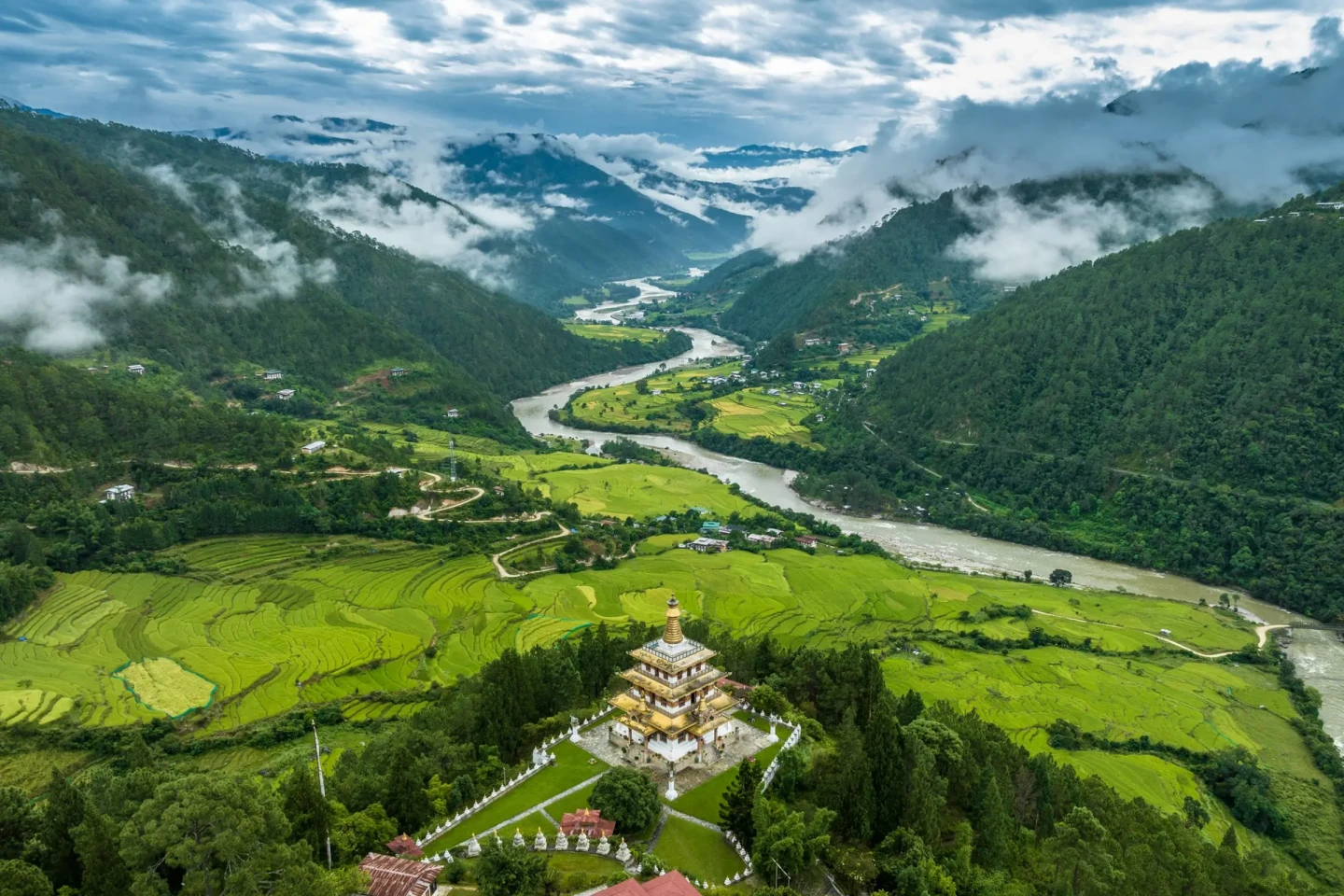
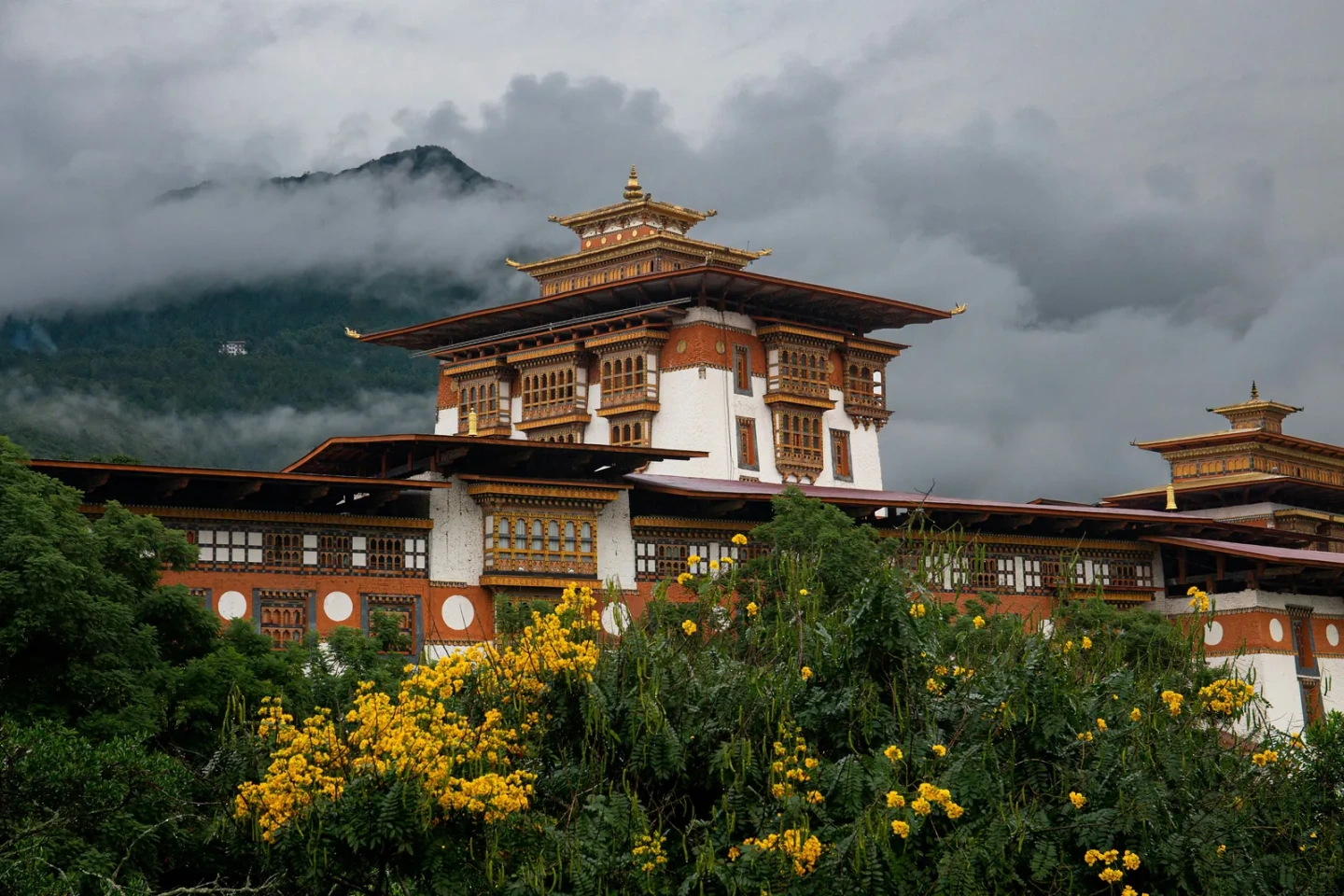
- Punakha: a warmer valley with river walks, Punakha Dzong and the Dochula Pass.
- Bumthang: the spiritual heartland, with some of the oldest temples in the kingdom.
- Gelephu: the new 108 stupas and the mindfulness city in the south.
Types of retreat
- Introductory meditation: daily guided sessions with a teacher, balanced with sightseeing. Good for first-timers.
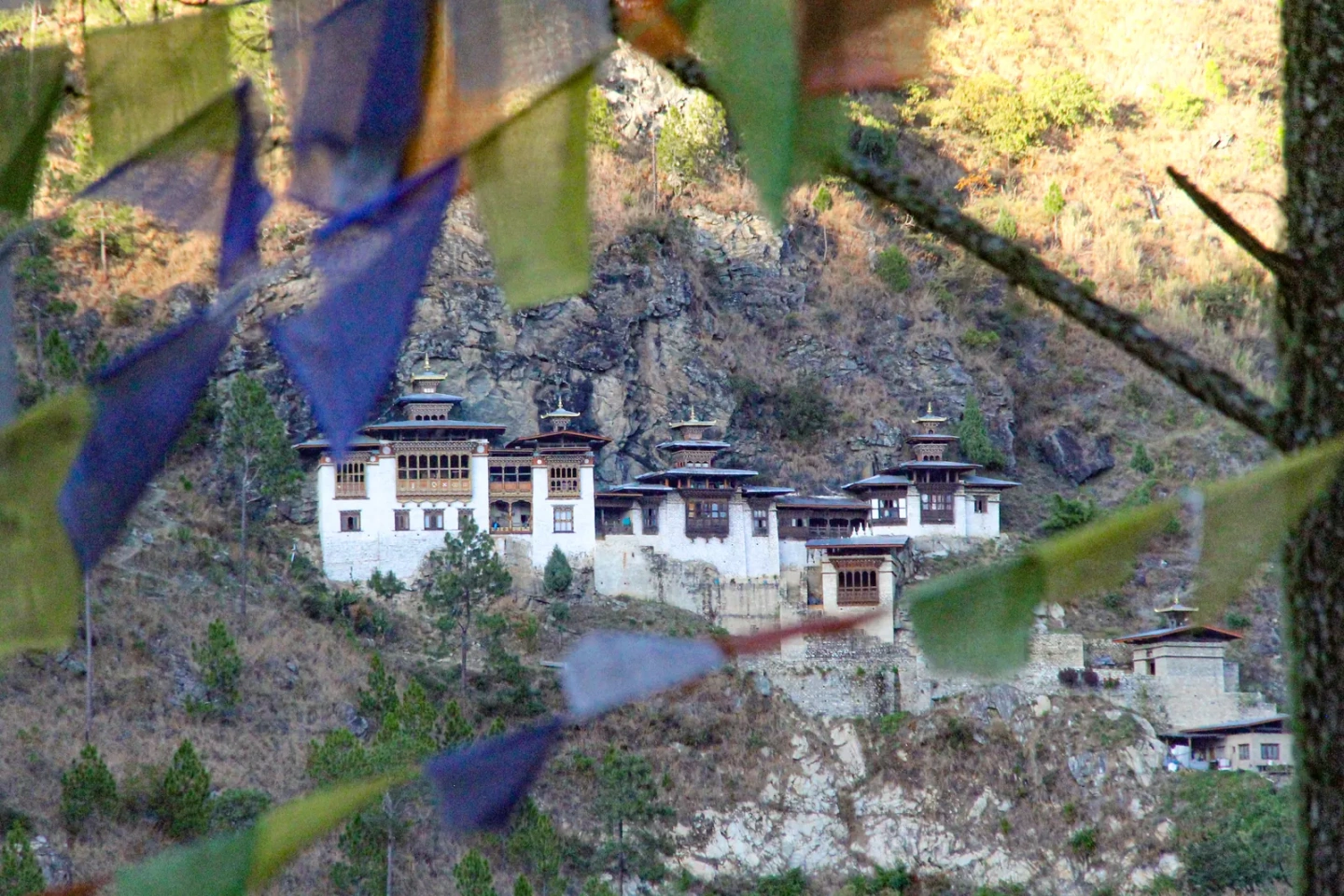
- Monastery-focused retreat: time at temples and monasteries, with butter-lamp offerings, prayers and talks.
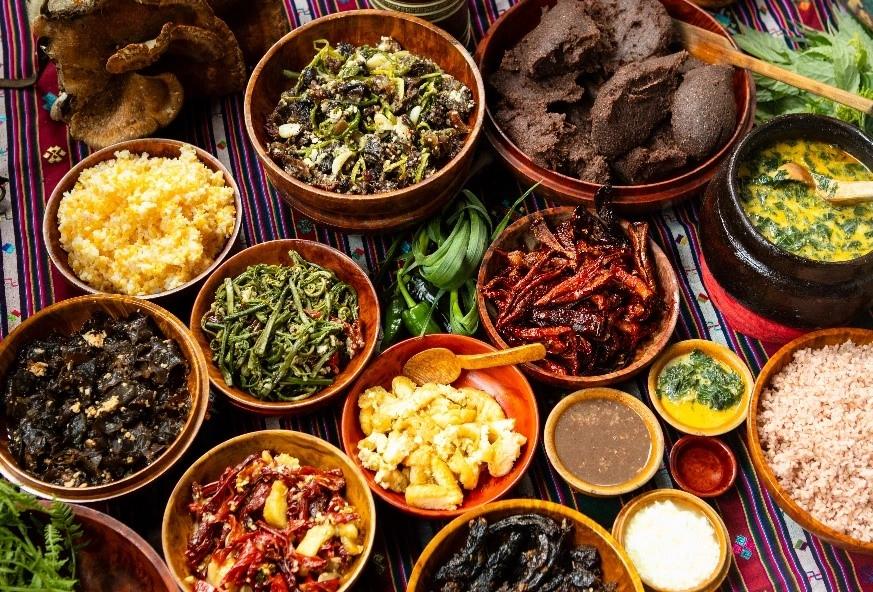
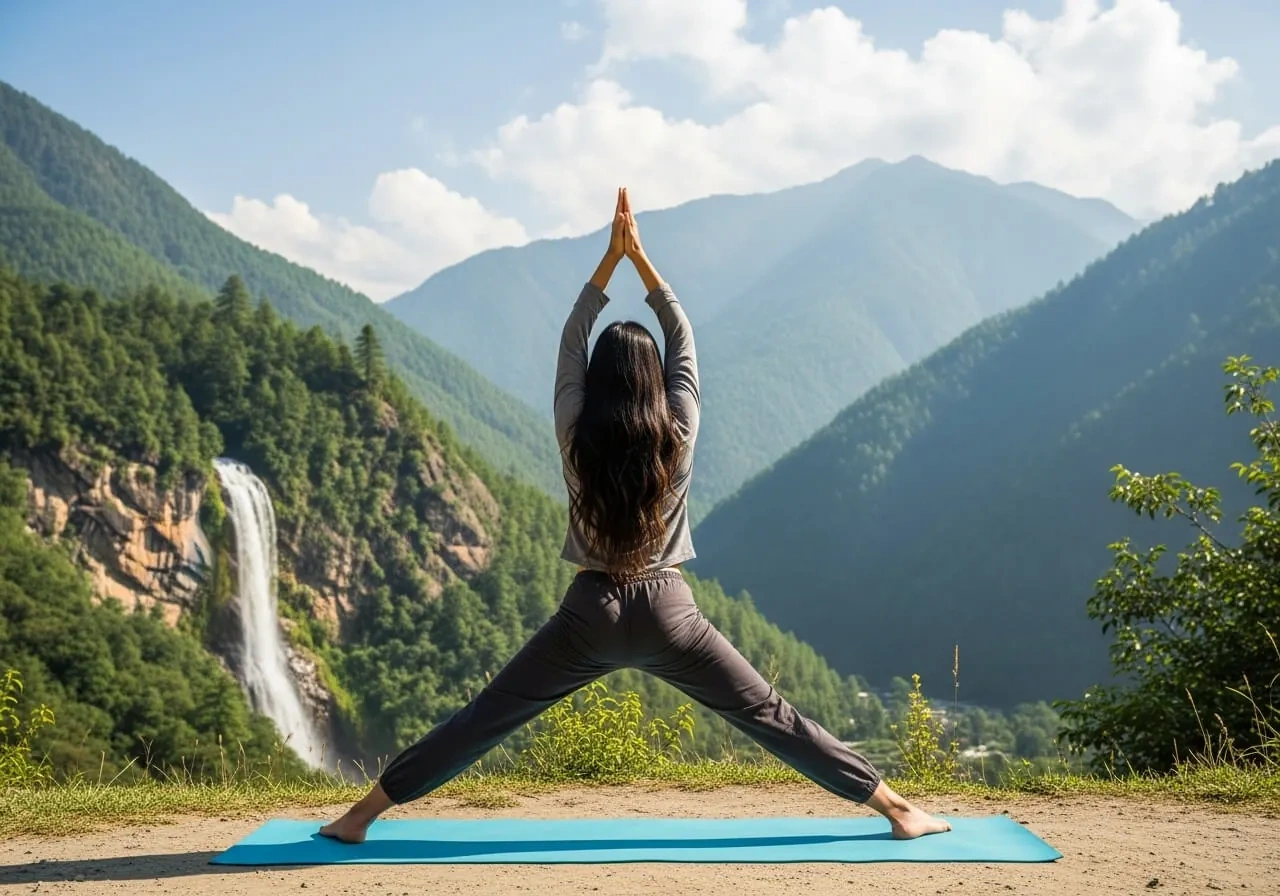
- Wellness retreat: meditation combined with yoga, hot-stone baths, nature walks and Bhutanese food.
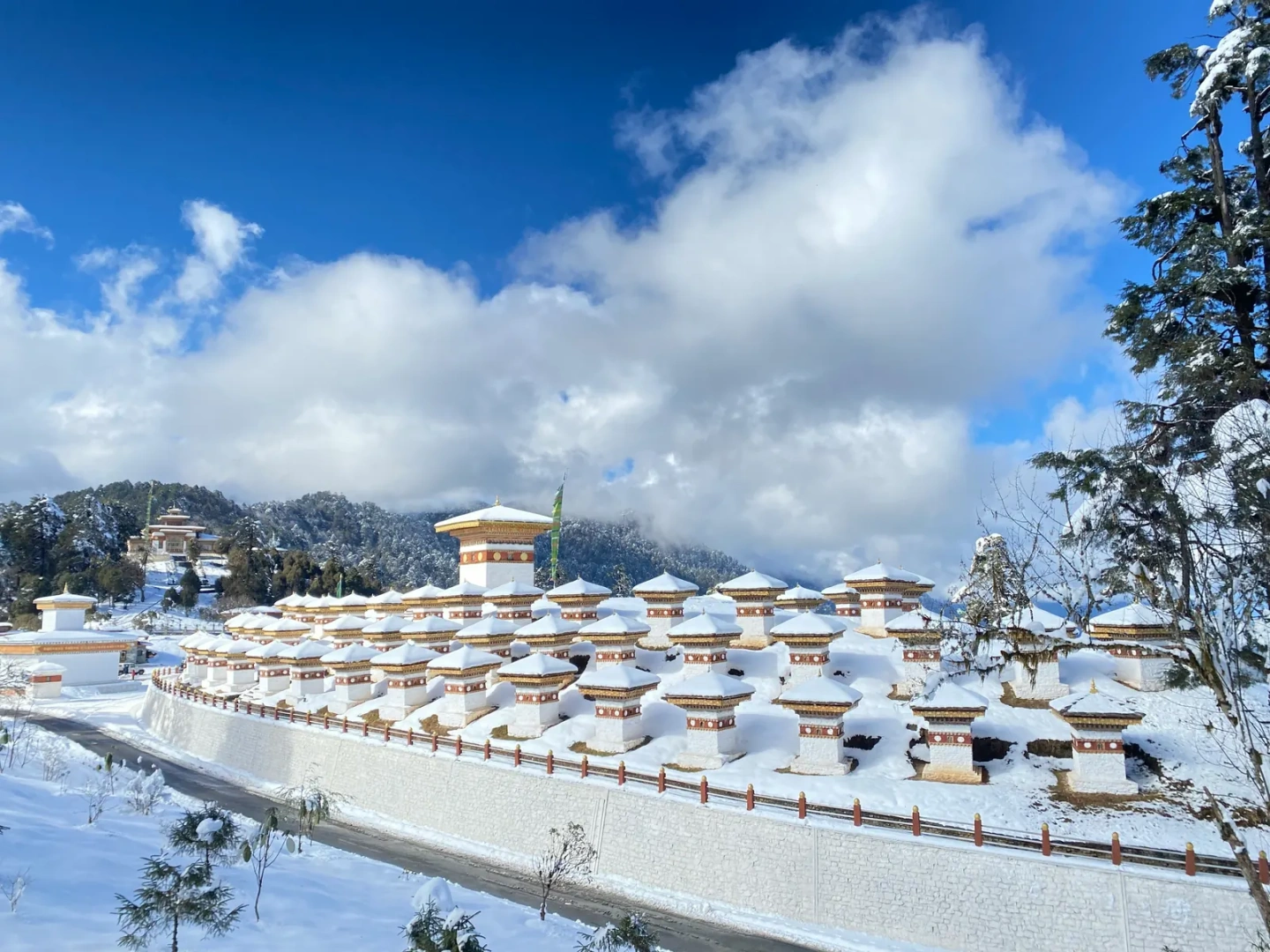
- Pilgrimage retreat: visiting sacred sites in turn, such as the 108 chortens of Dochula and Gelephu.
- Silent or semi-silent retreat: longer stretches of quiet practice, with guidance at the start and end of each day.
Learning from teachers
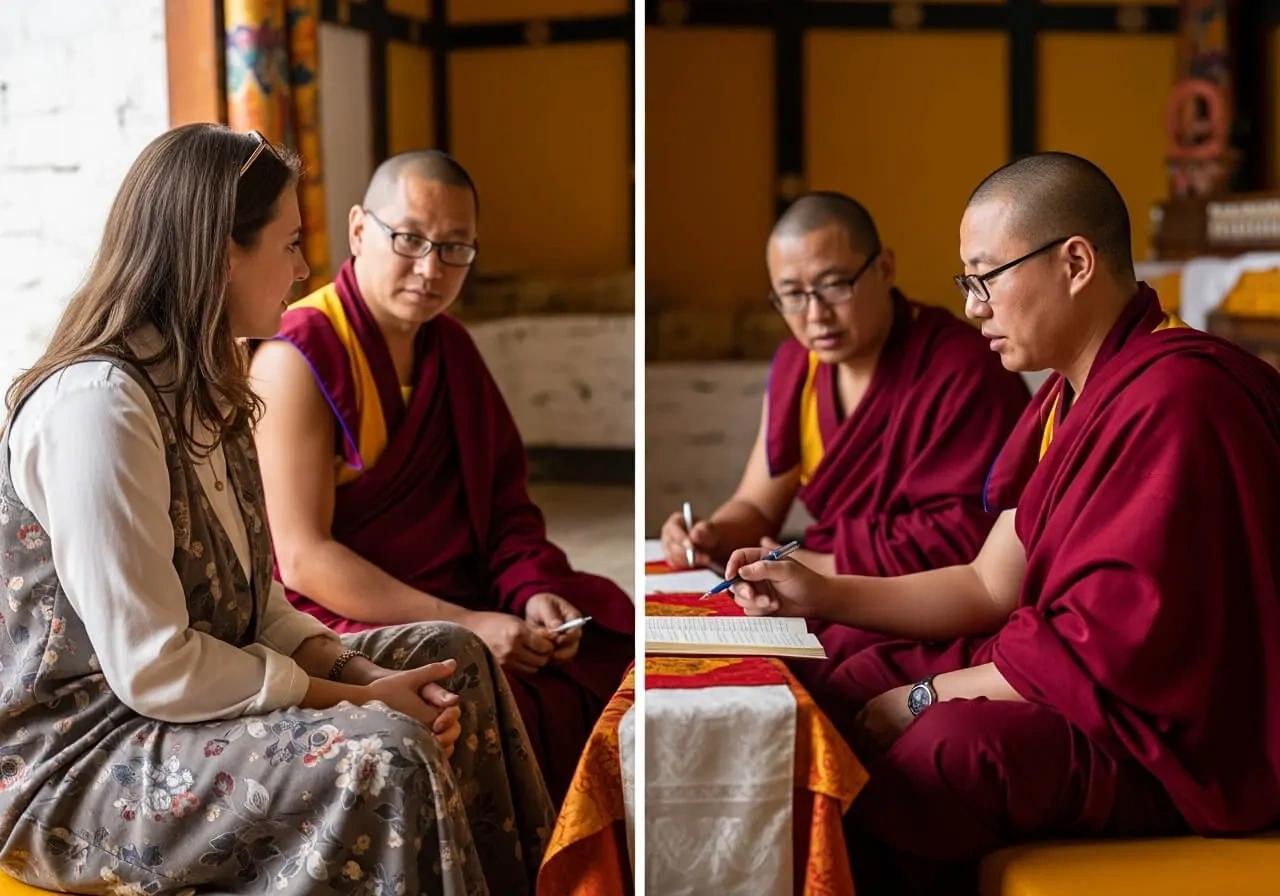
Depending on your interests and the season, sessions may be led by a monk, a lay meditation teacher or a practitioner trained in Bhutanese Buddhist traditions. Most begin with simple breathing and calm-abiding meditation, then introduce loving-kindness practice, short teachings on Buddhist ideas, and the meaning of the rituals you see at temples. Teachers are used to working with visitors of every background and will happily answer questions, however basic.
A teaching session is not a lecture. Expect to sit, listen, practise, and then talk things through. Your guide translates where needed and helps you understand the etiquette.
A typical retreat day
- Early morning: guided meditation and chanting, often as the valley wakes up.
- Breakfast: simple, warming food, then a walk to a temple or a quiet hike.
- Late morning: a visit to a monastery, a nunnery or a chorten, with time to sit.
- Afternoon: teachings, journaling, gentle yoga or a hot-stone bath.
- Evening: butter lamps and a short sitting before dinner, and an early night.
How long should a retreat be?
Five to seven nights allows a gentle rhythm of morning practice and afternoon visits. Ten nights or more lets you add Bumthang or a longer silent stretch. If you have only a few days, even a short stay with daily sessions in Paro and Thimphu can be deeply restorative. Plan your fees with the Trip Cost Calculator.
Sample itinerary: a 7-night retreat
- Day 1: Arrive in Paro. Rest, a short walk and an evening introduction to meditation.
- Day 2: Morning practice, then a visit to Kichu Lhakhang to sit among local devotees.
- Day 3: An early start for the Tiger's Nest hike, walked mindfully at your own pace.
- Day 4: Drive to Thimphu. Afternoon teaching and a visit to the Buddha Dordenma.
- Day 5: Over the Dochula Pass to Punakha, with a sitting among the 108 chortens on a clear day.
- Day 6: A day of practice in Punakha: river walk, temple visit and a hot-stone bath.
- Day 7: Return to Paro, with a closing session and time for reflection.
- Day 8: Depart from Paro.
See our Spiritual and Wellness Retreats journey for a ready-made itinerary that we tailor to you.
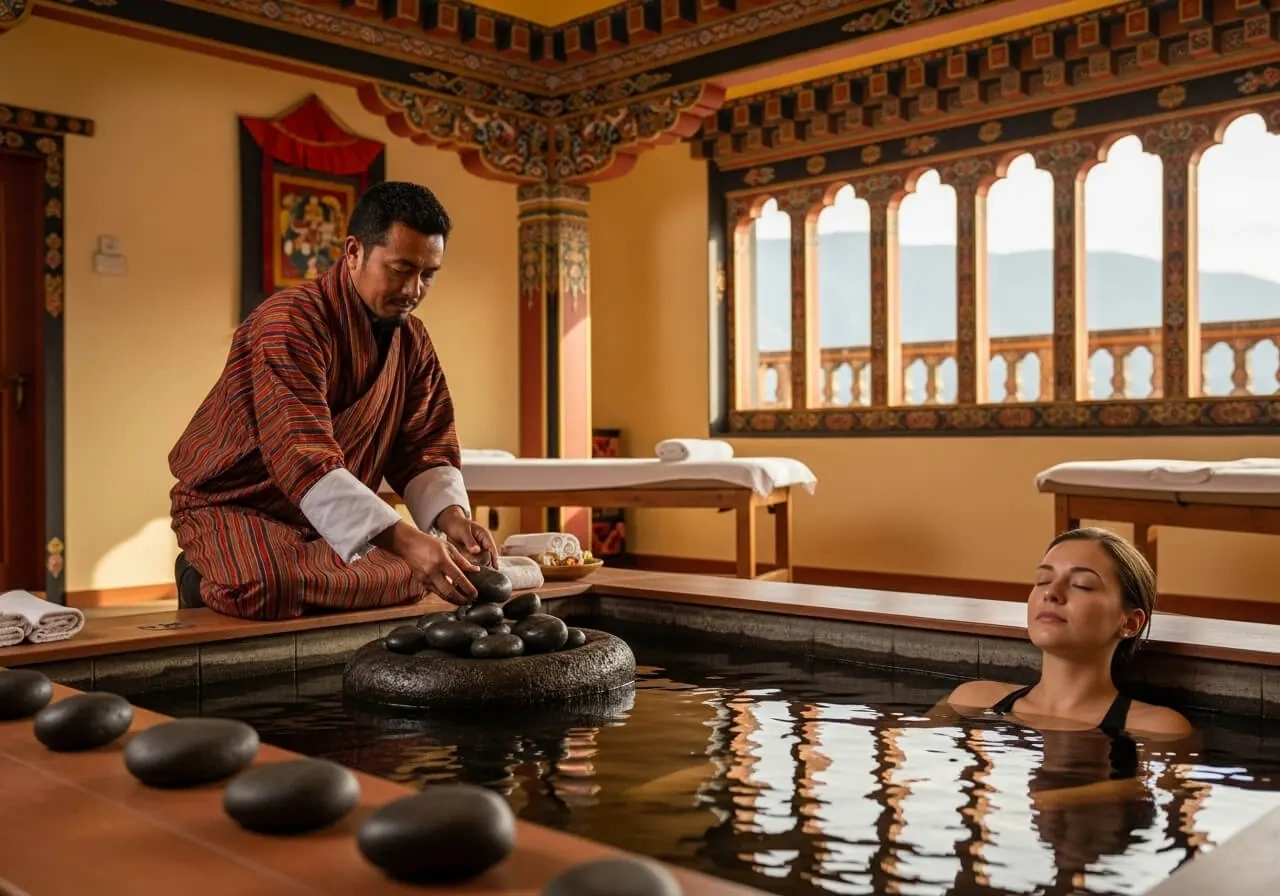
The Bhutanese hot-stone bath
The traditional hot-stone bath, or dotsho, is a perfect companion to meditation. River stones are heated in a fire until they glow, then lowered into one end of a wooden tub, where they warm the water and release minerals. Herbs are often added to the water. After a day of walking and sitting, a long soak in the evening is one of the great pleasures of Bhutan. Many farmhouses and hotels can arrange one with notice.
Best time for a retreat
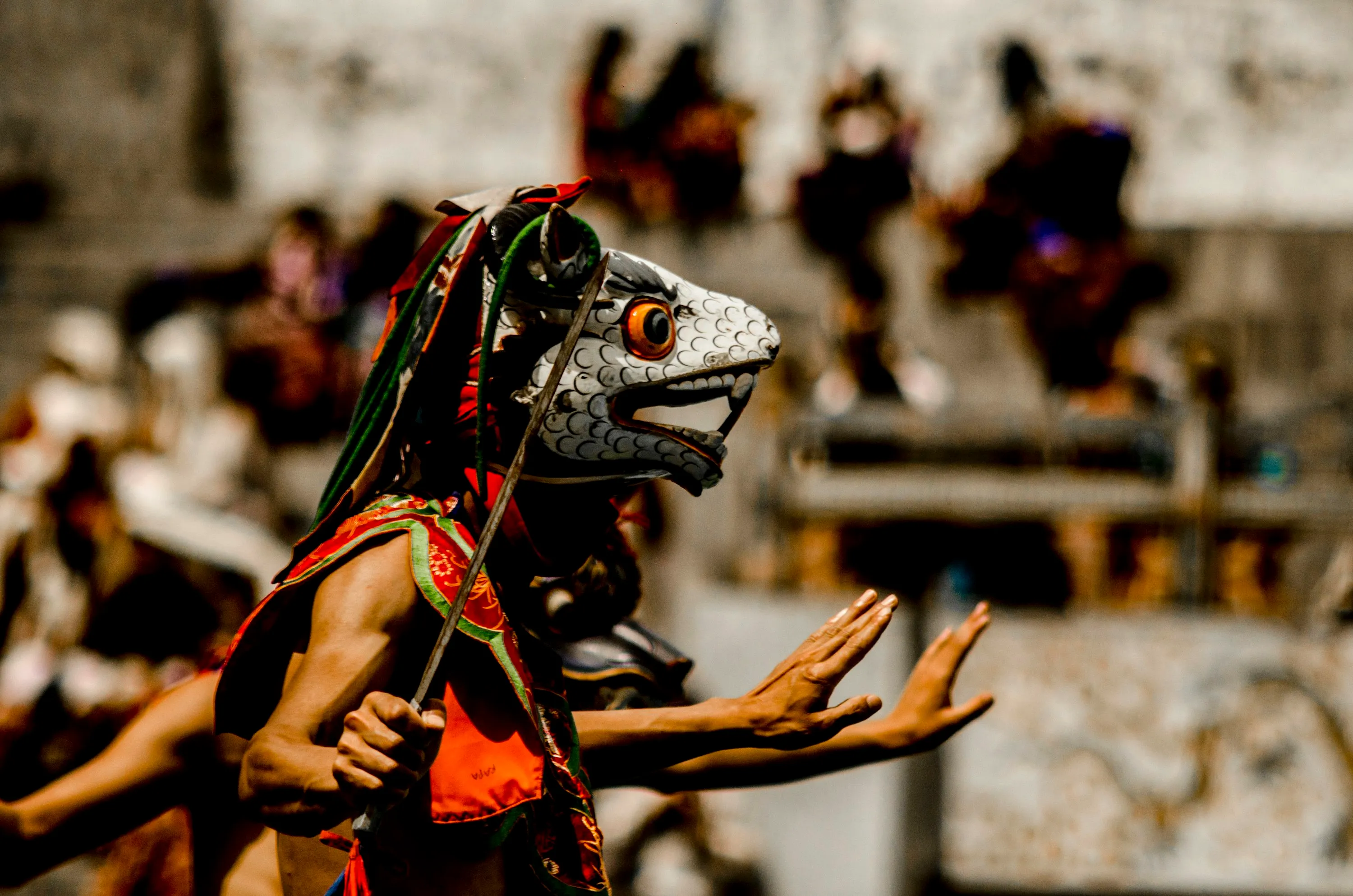
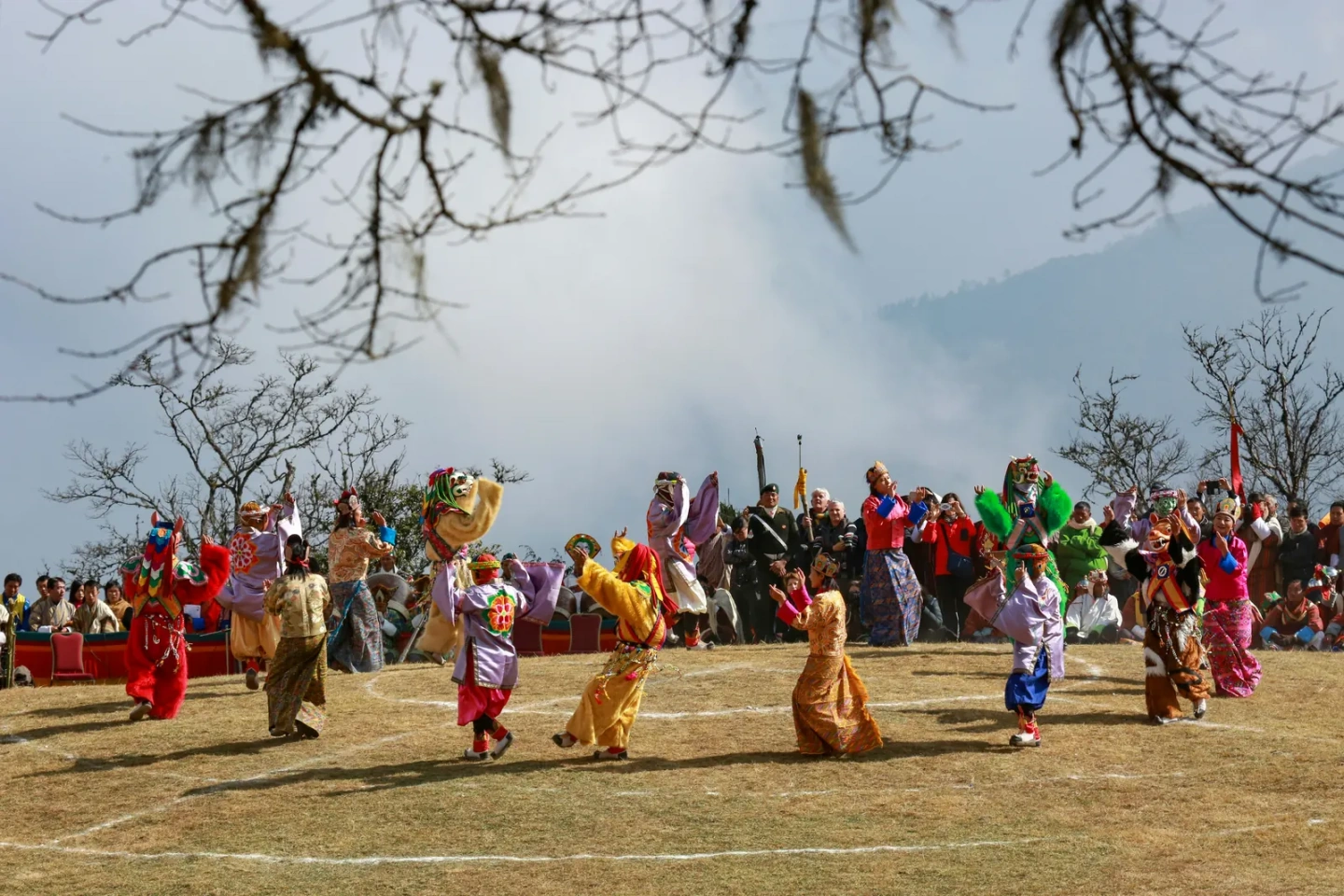
Spring (March to May) brings flowering rhododendrons and mild days, and autumn (September to November) the clearest skies and crisp mornings. Winter is cold in the high valleys but often sunny, and quieter, which suits practice well. Punakha stays warmer through winter. The summer monsoon is green and peaceful, with rain usually falling in showers, though some mountain views will be hidden by cloud. If you would like to see a sacred festival, check our festival calendar.
Temple etiquette
- Wear clothing that covers your shoulders and knees, and remove hats in temples.
- Take off your shoes before entering shrine rooms where asked.
- Walk clockwise around temples, chortens and prayer wheels.
- Do not point your feet at altars or teachers when sitting.
- Photography is not allowed inside most temples and dzongs.
- A small offering at a temple is welcome but never required.
What to pack
- Warm, loose layers you can sit comfortably in, plus a fleece or down jacket for early mornings.
- A light shawl or blanket for sitting in cool shrine rooms.
- Comfortable shoes that slip on and off easily.
- Good walking shoes for the Tiger's Nest and other hikes.
- A notebook for journaling, and a reusable water bottle.
- Any personal meditation cushion or mala you like to use, though cushions are usually provided.
Practical tips
- Paro and Thimphu are well over 2,000 metres above sea level. Take the first day gently and drink plenty of water.
- Consider switching off your phone for part of each day. It is a simple change that makes a real difference to a retreat.
- Tell us about any injuries or dietary needs so we can adapt sessions, walks and meals.
- A licensed guide is required for travel beyond Thimphu and Paro, and your guide will be with you throughout.
Bringing the practice home
A retreat in Bhutan is a beginning rather than an end. Before you leave, ask your teacher for a simple daily practice you can keep up at home, even if it is only ten minutes each morning. Many visitors find that the memory of a particular place, a temple courtyard at dawn or the sound of prayer wheels, becomes an anchor for their practice long after they return. Writing a few lines in a journal each evening of your retreat helps you hold on to what you learned.
How we help
We design the retreat around you: the valleys, the balance of practice and sightseeing, the teachers, the accommodation and the pace. We arrange your visa, permits, guide, driver and hotels, and we leave space in each day for rest. Start with our free Bhutan trip planner or send us a message.
Ready to plan your retreat? Message us on WhatsApp +975 17661648 or email [email protected].
Frequently asked questions
Can beginners join a meditation retreat in Bhutan?
Yes. Most retreats we arrange are designed for beginners, with guided sessions and plenty of time to rest and explore.
What is the best time for a retreat in Bhutan?
Spring (March to May) and autumn (September to November) bring the most settled weather, but winter retreats in the warmer valleys of Punakha are peaceful too.
Do I need to be Buddhist?
No. Visitors of every faith and none are welcome. Teachers adapt sessions to your background.
How long should a meditation retreat in Bhutan be?
Five to seven nights gives a gentle rhythm of practice and visits. Ten nights or more lets you add Bumthang or a longer period of silent practice.
Can I stay in a monastery?
Overnight stays inside monasteries are not usually part of a visitor retreat. We arrange visits, sittings and teachings at monasteries, with nights in nearby hotels or farmhouses.
What is a Bhutanese hot-stone bath?
A traditional dotsho: river stones heated in a fire are placed in a wooden tub of water, often with herbs. It is a relaxing way to end a day of walking and practice.
Do I need a guide for a retreat?
A licensed guide is required for travel beyond Thimphu and Paro, and your guide also translates, explains etiquette and handles the logistics.
More guides: Tiger's Nest hike guide; Bumthang temples; Dochula Pass 108 chortens.