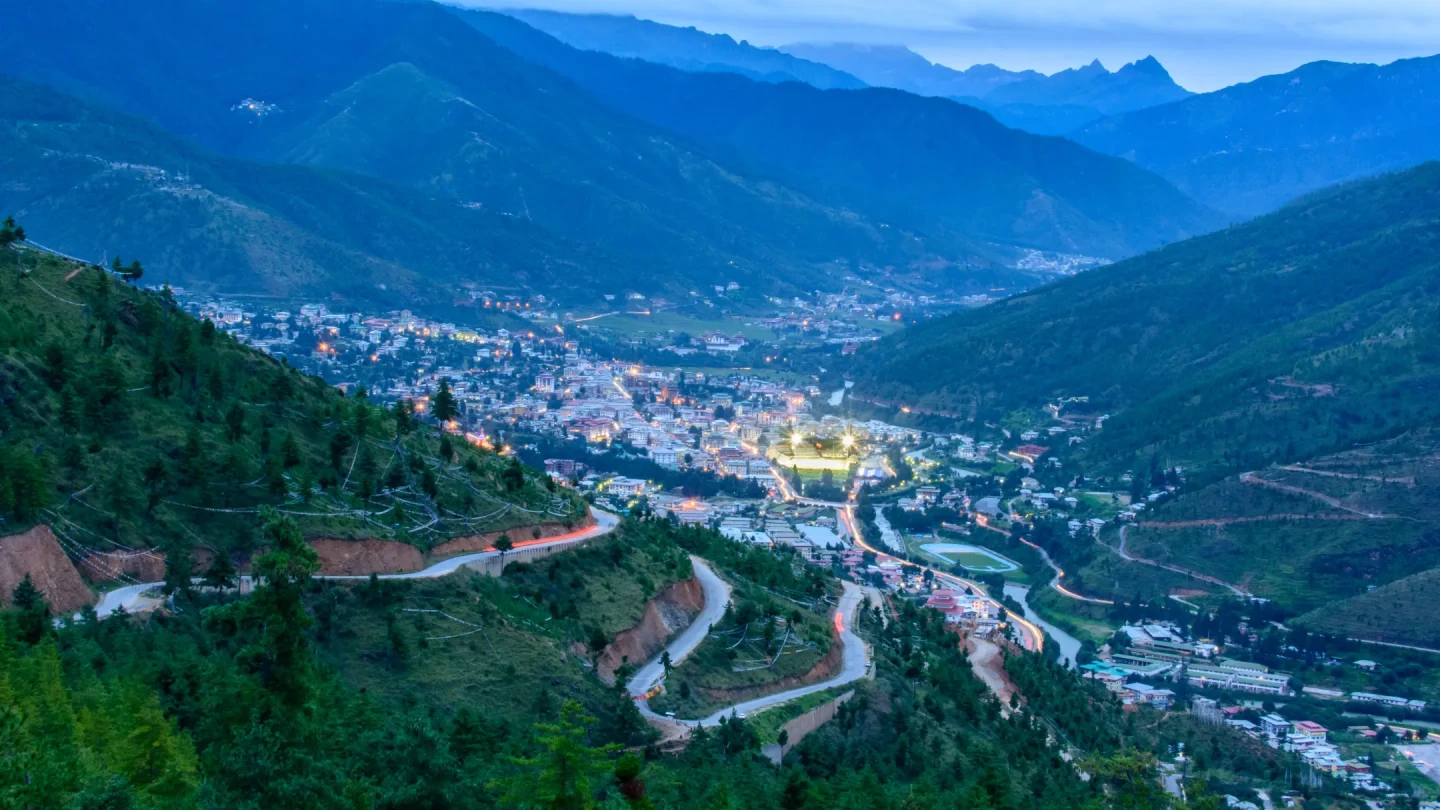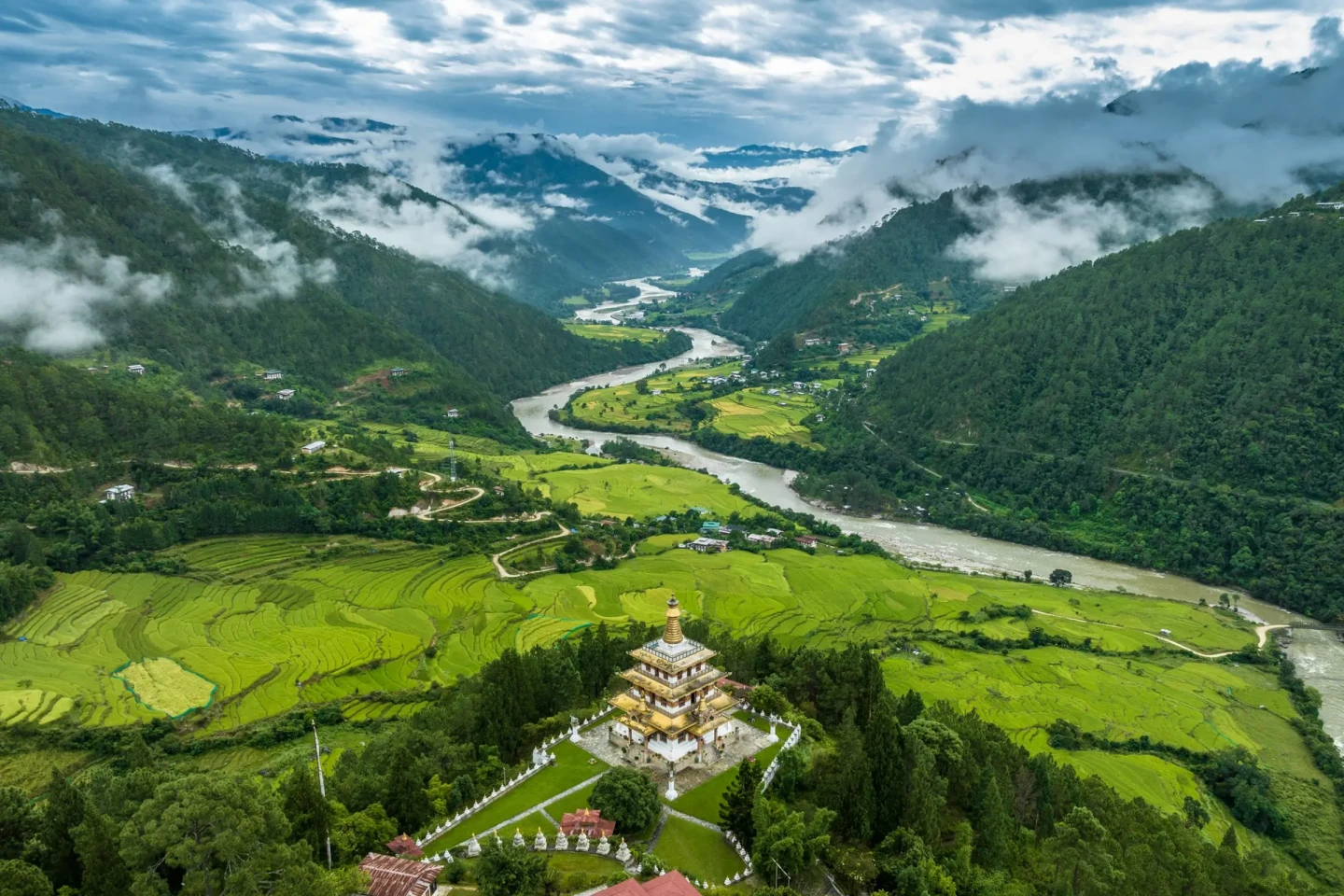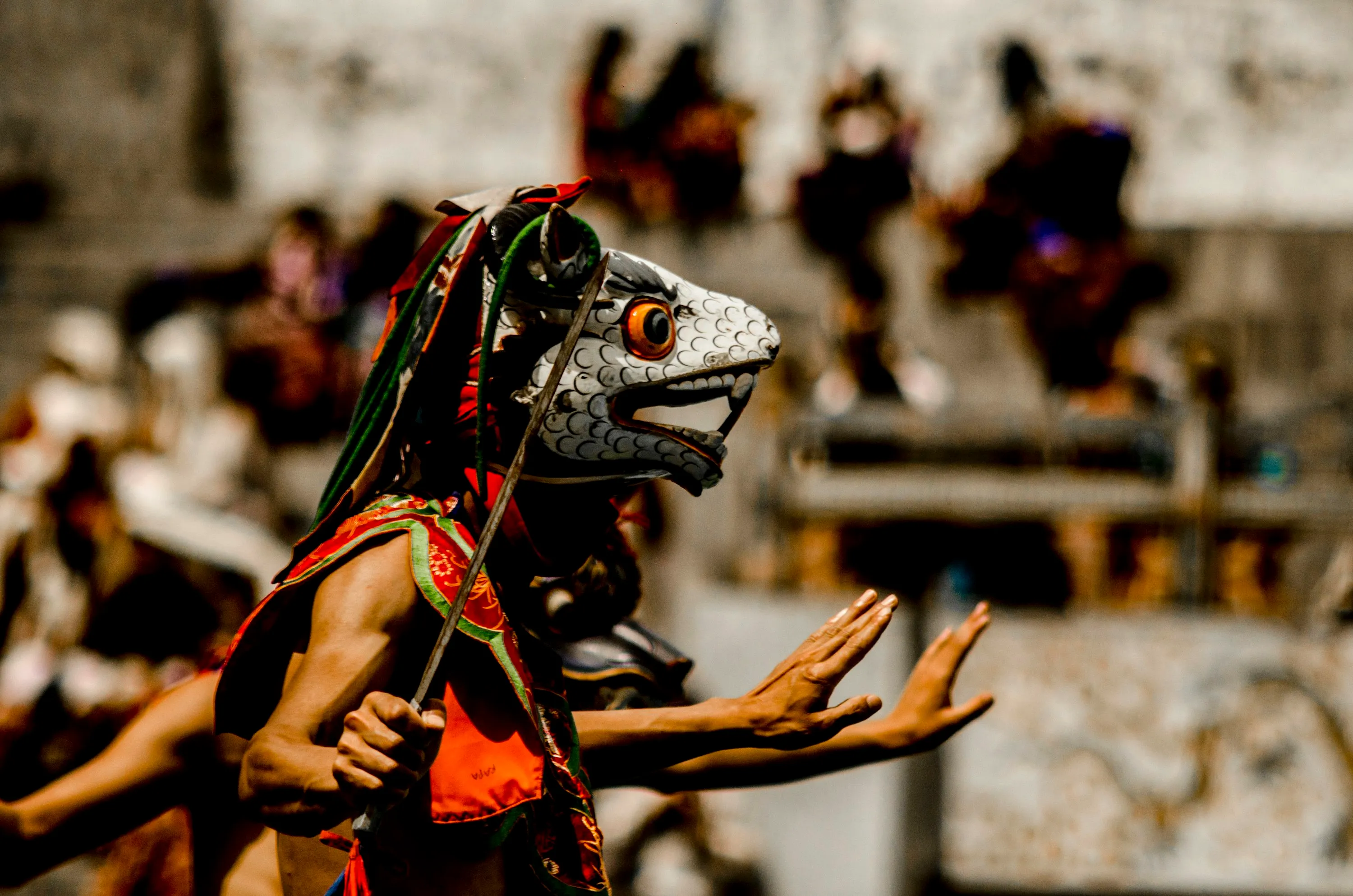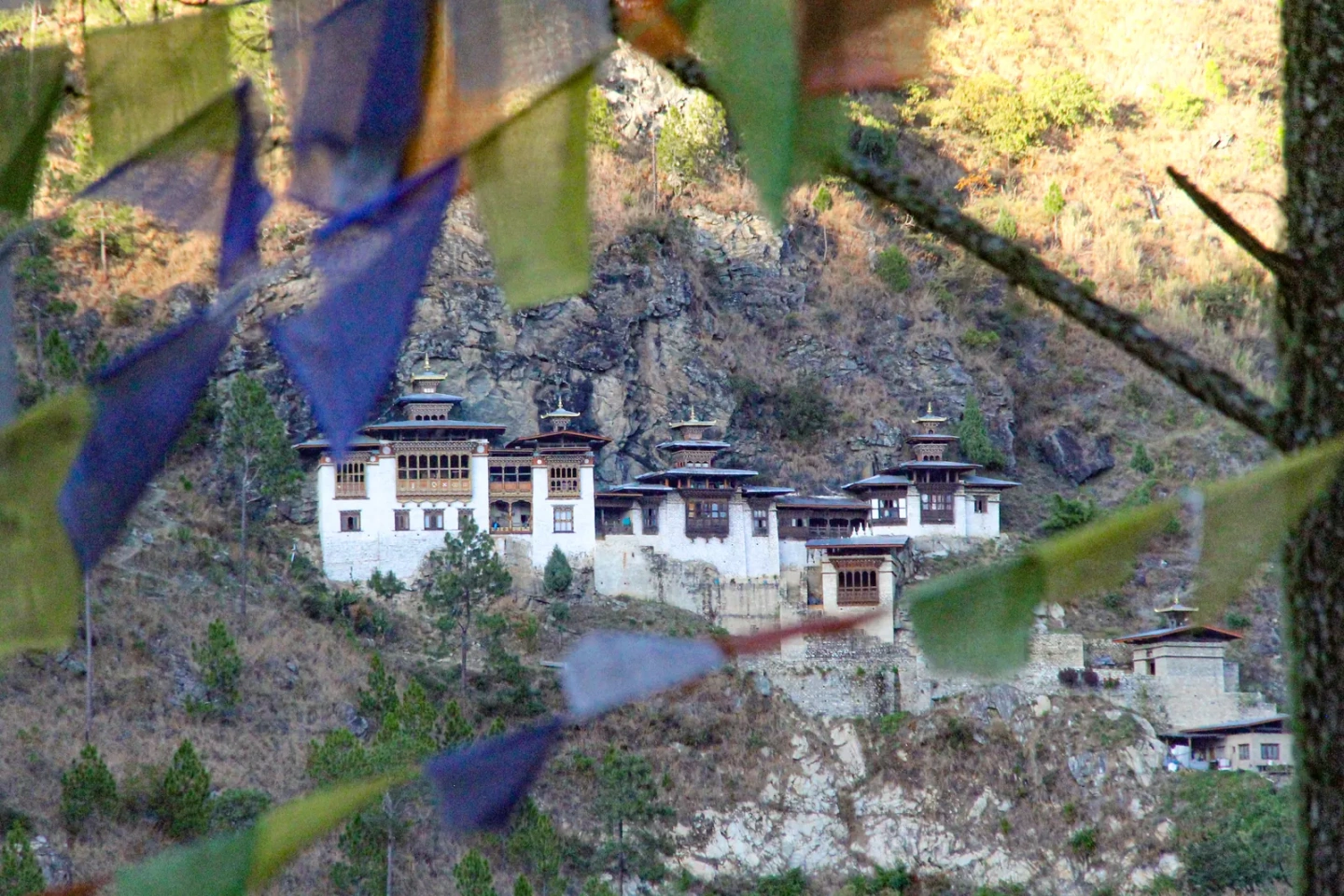





Setting off for the Himalayas from Nouakchott means swapping the Atlantic dunes for some of the highest valleys in Asia. Mauritania's capital is served by Nouakchott–Oumtounsy International Airport (NKC), north of the city, and that is where almost every Bhutan journey from the country begins. What follows is a city-specific companion to our Mauritania guide, covering the airport, the usual connections, the clock change, the climate contrast and the paperwork.
Nouakchott–Oumtounsy and the Outbound Flight
Oumtounsy sits some distance outside central Nouakchott, so book a reliable transfer and allow extra time for check-in, particularly if you are carrying trekking gear or travelling during a busy holiday period. The first leg will be with an international carrier rather than a Bhutanese one, because neither Drukair nor Bhutan Airlines flies to West Africa.
Before leaving home, make digital and paper copies of your passport, visa clearance letter and insurance certificate. Connections through two foreign airports mean more document checks than a regional trip, and having everything printed saves time if a phone battery runs low. It is also worth confirming any transit requirements for Morocco, Turkey or India with the relevant authorities, as rules vary by nationality and can change.
Two Practical Corridors East from Nouakchott
Our Mauritania guide identifies two well-used ways out of the capital:
- Via Istanbul with Turkish Airlines. The guide gives an example of roughly 7 to 8 hours from Nouakchott to Istanbul, followed by another 6 to 7 hours on to Delhi.
- Via Casablanca with Royal Air Maroc, connecting onward towards South Asia.
Either corridor typically brings you to one of Bhutan's gateway cities, most often Delhi, Bangkok or Kathmandu. The final short flight into Paro is operated only by Drukair (Royal Bhutan Airlines) or Bhutan Airlines. Schedules shift with the seasons, so check current schedules before you commit to any ticket.
Nouakchott to Paro, Step by Step (An Example)
Here is one way the journey could unfold. Treat it as an illustration of the sequence rather than a fixed timetable.
Day one: you leave home for Oumtounsy and fly to Istanbul with Turkish Airlines. After a connection there, you continue overnight to Delhi. Day two: you land in Delhi, pass through immigration and rest at an airport hotel. Building in this night matters, because flights into Paro operate only in good daylight conditions and can be delayed by weather. Day three: you take the Drukair or Bhutan Airlines flight to Paro, where your Manifest Bhutan guide is waiting.
If you route via Casablanca instead, the shape is similar: long-haul connection first, a rest stop at the gateway, then the Himalayan hop.
Six Hours Ahead: The Nouakchott–Thimphu Clock Gap
Mauritania keeps UTC+0 year-round, and Bhutan keeps UTC+6 with no daylight saving. The result is a constant six-hour difference, with Bhutan ahead. Lunch at 1pm in Nouakchott coincides with 7pm in Thimphu.
Flying east makes this shift harder on the body than the reverse. Try to sleep on the overnight leg, get daylight on arrival in Delhi, and keep your first afternoon in Paro gentle.
Saharan Heat vs Himalayan Seasons
Nouakchott is hot and dry for most of the year, with a short rainy spell in late summer and dusty harmattan winds at times. Bhutan offers a striking contrast. Spring (March to May) and autumn (September to November) are its most popular seasons, with comfortable valley weather. Summer (June to August) is the monsoon, and winter (December to February) is cold but frequently bright and clear.
For many Mauritanian visitors, autumn is the sweet spot: Nouakchott is still warm, while Bhutan's air is fresh and the Thimphu Tshechu festival often falls in this period. Remember that festival dates follow the lunar calendar and change every year, so confirm them before you plan around one.
Visa, SDF and Insurance for Mauritanian Citizens
Mauritanian passport holders need a Bhutan visa, which is applied for online before travel and is usually arranged by a licensed Bhutanese tour operator. Once your trip is confirmed and paid, your operator submits the application and you receive the approval electronically; the visa is then issued on arrival at Paro.
- SDF: most international visitors pay USD 100 per adult per night. Check the latest rates with the Department of Tourism before booking.
- Insurance: you must hold travel insurance that covers your entire stay in Bhutan.
- Money: the Bhutanese ngultrum is pegged 1:1 to the Indian rupee. Cash machines are mostly in towns, so keep some notes on hand.
Choosing a Trip Length from Mauritania
With two or three days spent getting there and back, it pays to give Bhutan itself enough time.
- A week in country: Paro and Thimphu, with time to adjust to the altitude and the clock.
- Nine to eleven nights: add more of the central valleys and some hiking.
- Two weeks: suitable for a trek or for combining a festival with quieter countryside.
Quick Answers for Nouakchott Departures
Is there any direct flight from Nouakchott to Bhutan?
No. You will always connect at least twice, typically through Istanbul or Casablanca and then a gateway such as Delhi.
Why spend a night in Delhi or Bangkok?
Paro's approach is visual-only and weather can delay flights, so a buffer night protects your tour start date.
Can my operator arrange the Paro flight?
Yes. Licensed operators routinely book the Drukair or Bhutan Airlines segment alongside your visa.
To see the wider picture, including more detail on routes and seasons for the whole country, read How to Travel to Bhutan from Mauritania. When you are ready, our team can help you turn a Nouakchott departure into a well-paced Himalayan journey.