




Sofia Airport (SOF), on the eastern edge of the Bulgarian capital, is the natural starting point for anyone travelling from Sofia to Bhutan. It is Bulgaria's main international airport, and from here a single connection in Istanbul or Doha opens the way to the cities where Bhutan's own airlines operate. This page walks through the practical journey from Sofia to Paro, with an example itinerary, the time difference, seasonal advice and the entry steps for Bulgarian citizens.
Sofia Airport: How the Trip Begins
Getting to SOF is simple: the metro line runs to Terminal 2, and taxis from the centre are quick outside rush hour. Our Bulgaria guide singles out two first legs that travellers typically use. The first is Turkish Airlines from Sofia to Istanbul, a short regional hop. The second is Qatar Airways from Sofia to Doha. Both carriers then fly on to South Asia, which is where you pick up a Bhutanese flight.
When you book, try to keep the Sofia departure and the long-haul sector on one ticket. That way, if the short first flight is delayed, the airline is responsible for rebooking your onward connection, and your bags can usually be checked through to the gateway city.
Istanbul, Doha or Bangkok: Linking Sofia with Paro
From the first hub, you continue to a city with flights into Paro. The Bulgaria guide describes these combinations:
- Sofia – Istanbul – Kathmandu or Delhi: Turkish Airlines throughout, then Drukair or Bhutan Airlines to Paro.
- Sofia – Doha – Delhi: Qatar Airways to India, followed by a Drukair flight.
- Via Bangkok: possible with airlines such as Thai Airways, though the guide notes seasonal variations.
Drukair (Royal Bhutan Airlines) and Bhutan Airlines are the only carriers flying into Bhutan. Their schedules shift with the seasons, so check current schedules before you commit to dates, and let your tour operator coordinate the Paro leg with your visa.
Example Journey: Sofia to Paro via Doha and Delhi
To illustrate, here is one possible way of travelling. It is an example rather than a guaranteed routing or timetable:
- Day 1: afternoon Qatar Airways flight from SOF to Doha, then an overnight connection to Delhi.
- Day 2: arrive in Delhi, transfer to an airport hotel and rest.
- Day 3: early Drukair departure to Paro, followed by a gentle first afternoon in the valley.
Our Bulgaria guide puts typical total journey times at around 15 to 20 hours including layovers. The night in Delhi adds time, but it also means that if cloud delays the Paro flight, your holiday is not cut short. The guide recommends booking three to six months ahead, which is especially wise for autumn travel.
Sofia's Summer Time and Bhutan's Fixed Clock
Bulgaria changes its clocks twice a year; Bhutan does not. During Bulgarian winter time (UTC+2), Bhutan, on UTC+6, is four hours ahead of Sofia. From late March to late October, when Sofia moves to UTC+3, the difference is three hours, as our Bulgaria guide also notes. If you fly near the end of March or October, double-check connection times around the changeover weekend.
Three or four hours is a manageable shift. Most travellers from Sofia feel normal after one good night's sleep in Bhutan.
Balkan Seasons Compared with Bhutan's
Sofia has a fairly continental climate: warm summers, cold winters with snow on nearby Vitosha, and changeable springs. Bhutan's seasons line up differently. Its most popular periods are spring (March to May) and autumn (September to November), when skies are generally clearer and walking is comfortable. Summer, from June to August, is the monsoon, so July in Bhutan is wet while July in Sofia is usually warm and dry. Winter (December to February) is cold but clear, especially at altitude, and Bulgarians used to snowy Januaries tend to cope well.
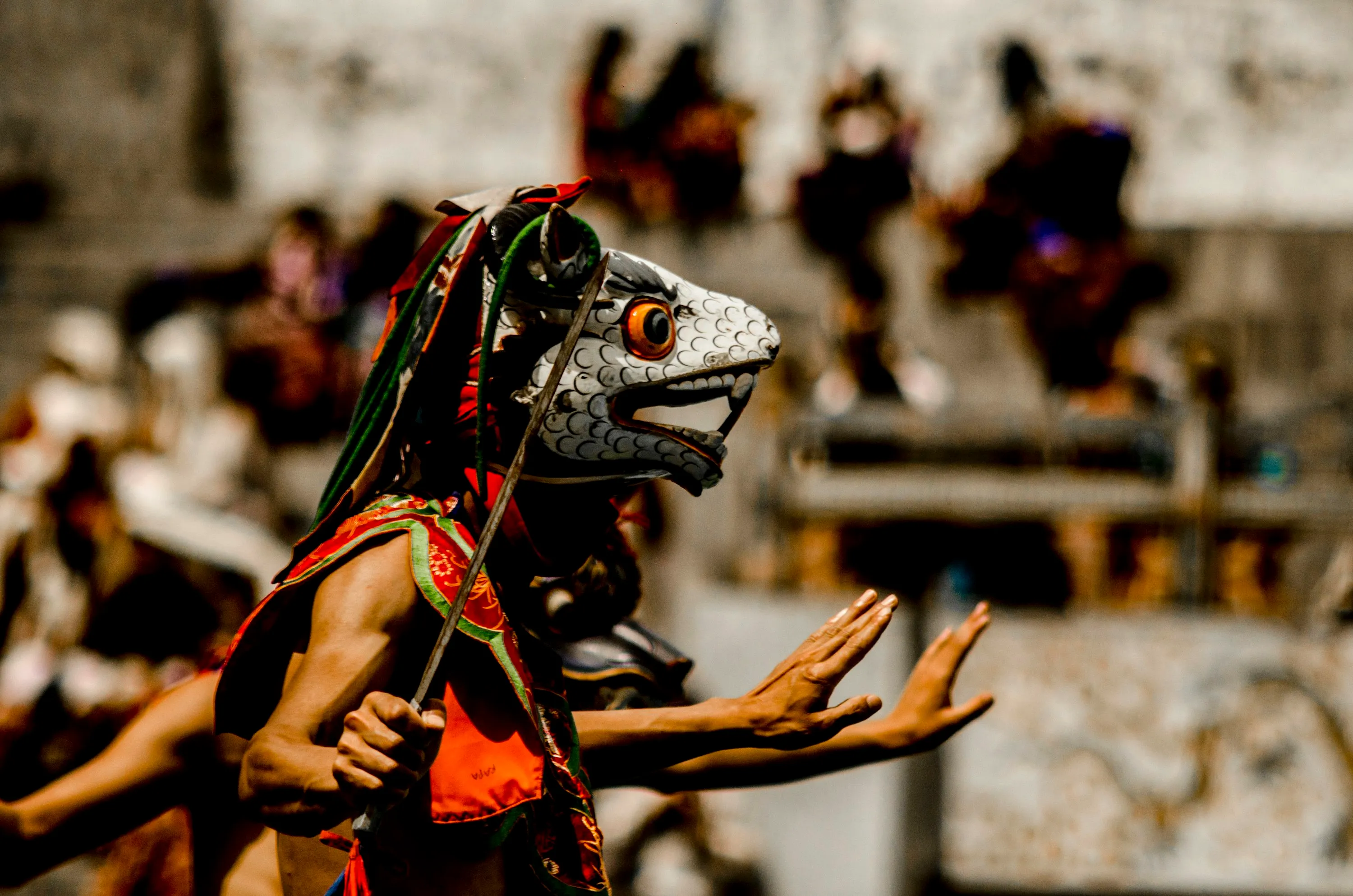
Paro Tshechu takes place in spring and Thimphu Tshechu in autumn. Both are lunar-calendar festivals, so their dates move from year to year; ask your operator for the current dates before booking.
What Bulgarian Citizens Need Before Flying
Bulgarian passport holders need a Bhutan visa, which must be applied for online in advance. It is usually arranged through a licensed Bhutanese tour operator. You provide a passport scan and your intended dates; the operator files the application alongside your itinerary and sends you the approval.
The Sustainable Development Fee currently stands at USD 100 per adult per night for most international visitors. Check the latest rates with the Department of Tourism before booking. You must also hold travel insurance that covers your entire stay in Bhutan. Our Bulgaria guide reminds travellers that transit visas may be needed for some connecting countries, such as India or Nepal, so confirm the rules for your route.
A tidy approach is to settle your Bhutan programme first, let your operator secure the Paro seats and visa, and only then book the Sofia flights to match. Seats into Paro are the scarcest part of the journey, so they should set the dates.
Trip Lengths That Suit Travellers from Sofia
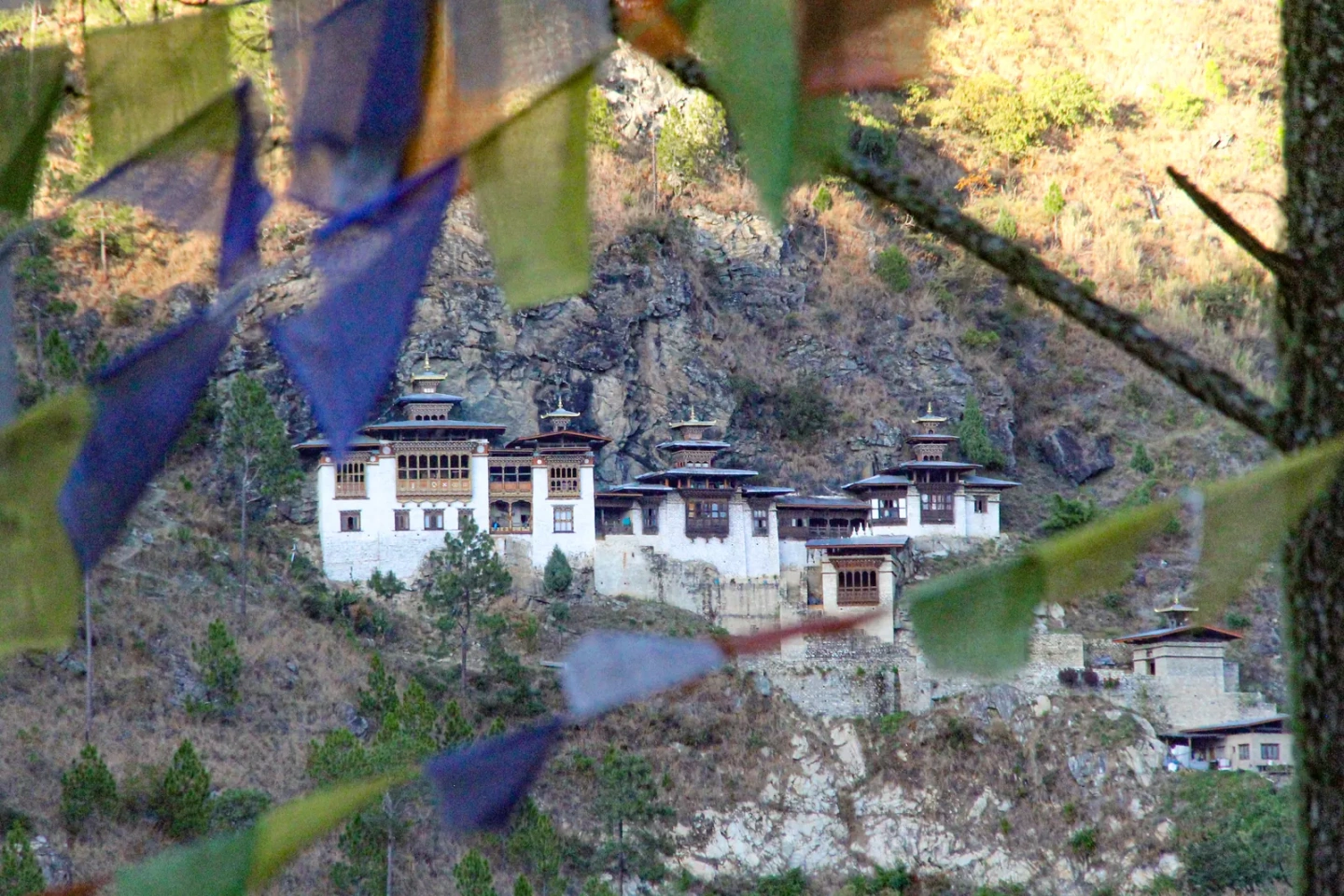
- Five nights: Paro and Thimphu, with the climb to Taktsang Monastery.
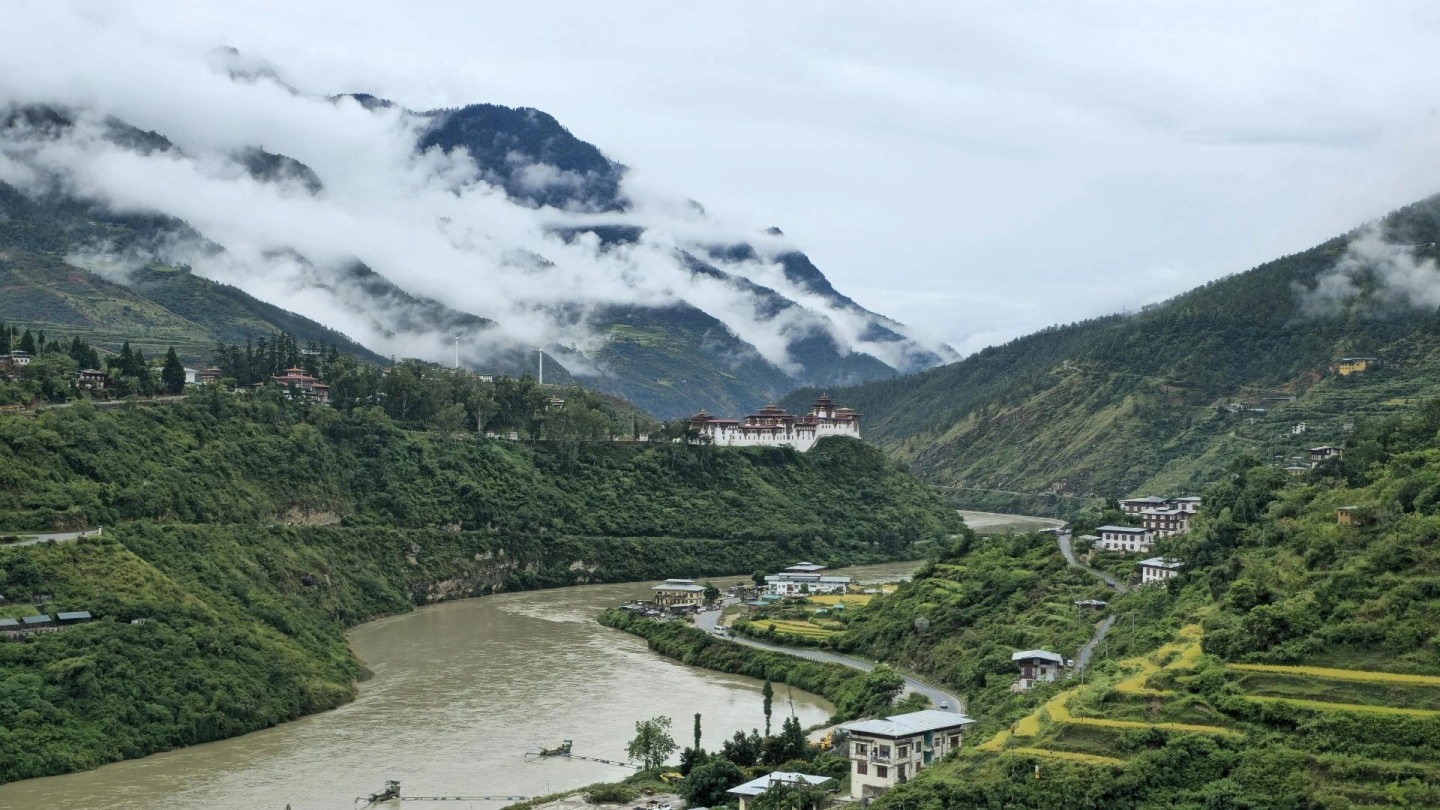
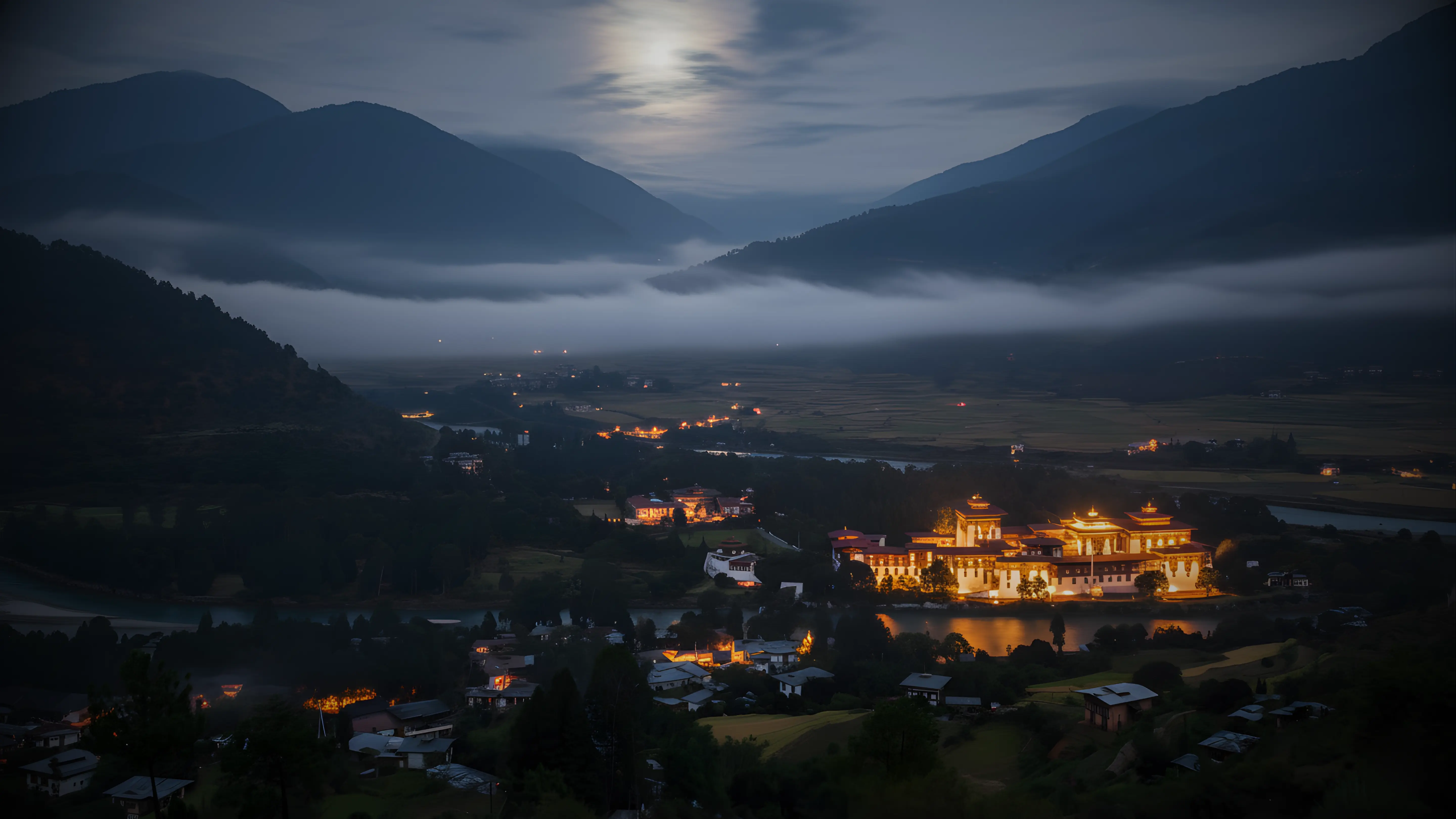
- Seven nights: adds Punakha, its riverside dzong and the Dochula pass.
- Ten nights or longer: includes the Phobjikha Valley and possibly Bumthang.
Whatever length you choose, leave a buffer day at the end for the flight out of Paro. Bhutan uses the ngultrum, pegged to the Indian rupee, and ATMs are mainly in towns, so carry some cash.
Sofia FAQ
Is Istanbul or Doha the better connection from Sofia?
Both appear in our Bulgaria guide. Istanbul links well to Kathmandu and Delhi; Doha links well to Delhi. Compare layovers and check current schedules.
How long does the journey take?
Around 15 to 20 hours including layovers, according to our Bulgaria guide, though an overnight stop will lengthen it.
Can I travel independently once in Bhutan?
Visits are usually arranged through a licensed tour operator, who plans your itinerary, guide and transport.
For full itineraries and costs, read our complete guide, How to Travel to Bhutan from Bulgaria.