

Monaco has no airport of its own, so a journey from the Principality to Bhutan begins with a short transfer along the coast to Nice Côte d'Azur Airport (NCE). From Nice, travellers connect through a major hub and an Asian gateway before reaching Paro. It is a long trip from the Riviera to the eastern Himalaya, but the route is well established. Here is how it usually works for residents and visitors setting out from Monaco.
Monaco to Nice Côte d'Azur
The Monaco guide describes Nice Côte d'Azur as conveniently close to the Principality. Road transfers are the usual way to get there, and on a long-haul day it is worth allowing extra time for coastal traffic, particularly during the busy summer months and major events in Monaco. Many travellers prefer to arrange a car well in advance so they can arrive at the terminal relaxed rather than rushed. From Nice, the guide lists Air France, Emirates and Qatar Airways among the airlines used for the first long sector.
From the Riviera to Asia: Usual Gateways
The first long flight takes you to one of the cities from which Bhutanese carriers fly to Paro. The Monaco guide mentions three:
- Delhi, a practical meeting point for connections from Nice;
- Bangkok, where the guide notes Thai Airways connects with Drukair;
- Kathmandu, convenient if Nepal is on your list.
Only Drukair (Royal Bhutan Airlines) and Bhutan Airlines fly into the kingdom, so your final sector will be with one of them. Their frequencies vary by season, so check current schedules and let your tour operator time the Paro flight to match your arrival.
Example Journey: Monaco, Nice, Delhi, Paro
To give you a feel for the stages, here is an example rather than a fixed timetable:
- Day 1: transfer from Monaco to Nice and fly east via a Gulf hub with Emirates or Qatar Airways.
- Day 2: arrive in Delhi and rest overnight near the airport.
- Day 3: take Drukair or Bhutan Airlines to Paro, where your guide greets you.
The Monaco guide recommends confirming bookings around 72 hours in advance and allowing flexibility, as Paro's visual approach makes flights sensitive to weather. A spare night on the way home is a good habit too.
Riviera Time vs Bhutan Time
Monaco follows Central European Time, UTC+1, in winter and UTC+2 during summer time, from late March to late October. Bhutan stays on UTC+6 all year. As a result, Bhutan is five hours ahead of Monaco in winter and four hours ahead in summer.
If your trip straddles the end of October, remember that the gap widens by an hour once European clocks go back, which can affect the timing of calls home or onward connections. That is a manageable change overall. Sleeping on the overnight sector and getting outdoors after you land will help you settle quickly into Bhutanese time.
Mediterranean Monaco and Bhutan Through the Year
Monaco enjoys a Mediterranean climate with warm, dry summers and mild winters. Bhutan offers a different rhythm. Spring (March to May) and autumn (September to November) are the most popular visiting seasons; summer is the monsoon; and in winter, from December to February, days are cold but generally clear, particularly at altitude.
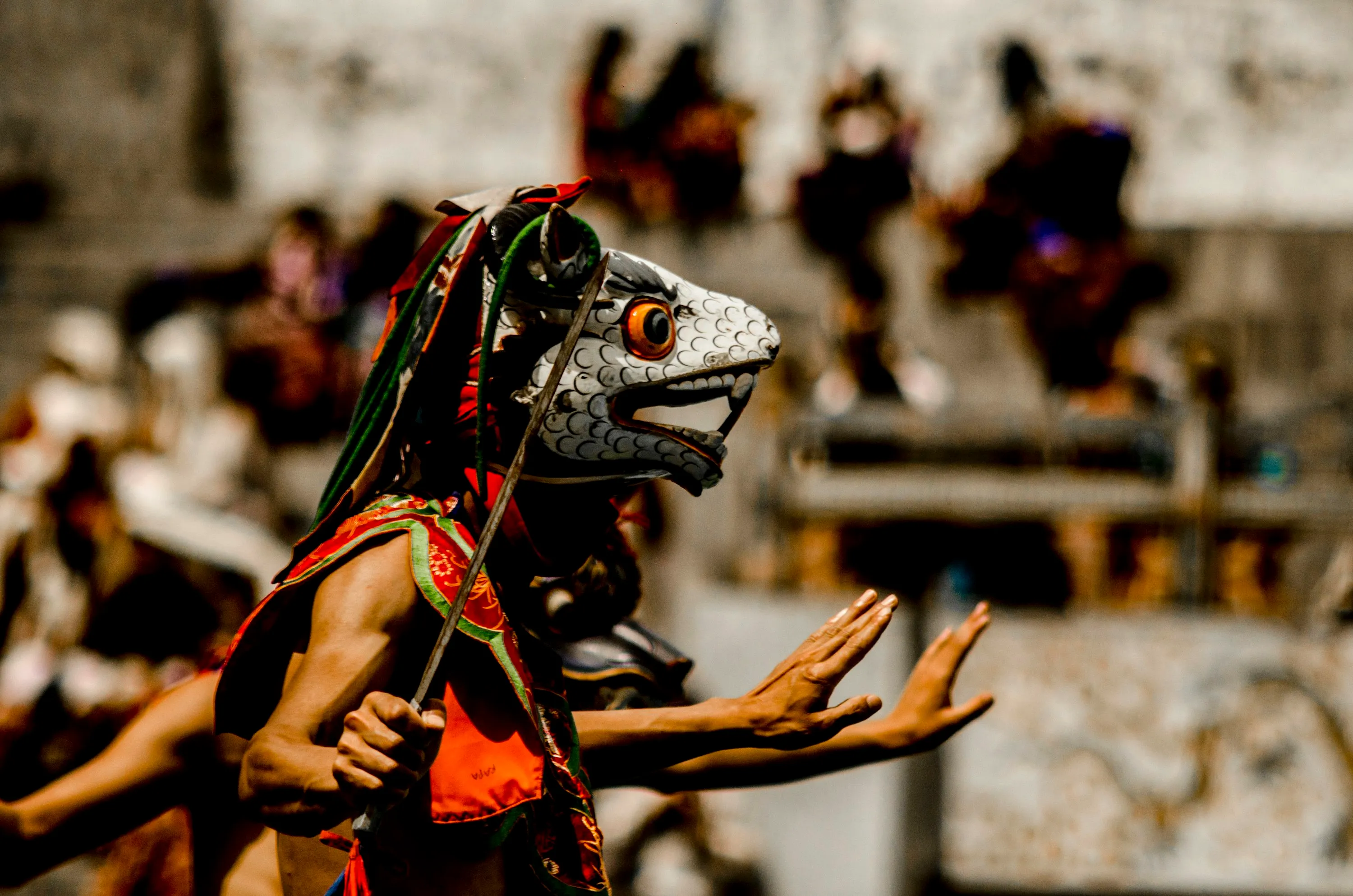
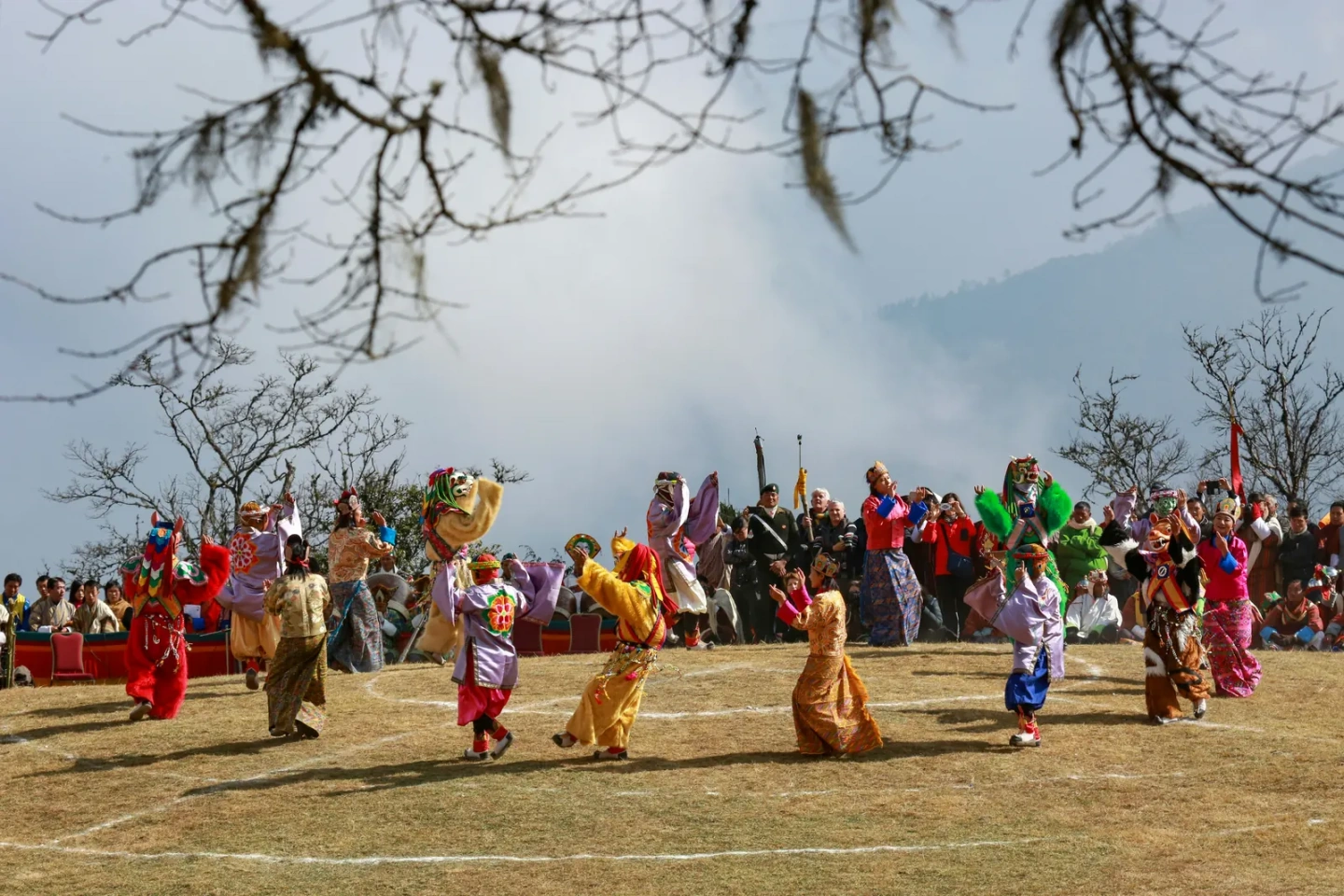
Many Monaco-based travellers choose Bhutan's autumn, after the busy summer season on the Riviera. Spring is equally rewarding. Paro Tshechu falls in spring and Thimphu Tshechu in autumn, though dates are set by the lunar calendar and differ each year. Even in the best seasons, nights in Bhutan are much cooler than on the coast, so pack warm layers.
Visa, Fee and Insurance Checklist
Monegasque citizens, and most other passport holders living in Monaco, need a Bhutan visa. It is applied for online in advance and is usually handled by a licensed Bhutanese tour operator. Manifest Bhutan Expeditions prepares and submits the application for our guests. The Monaco guide advises a passport with at least six months' validity remaining, and notes that you receive a visa clearance letter by email before travel.
On top of the daily package cost, visitors pay a Sustainable Development Fee, at present USD 100 per adult per night for most international guests. Check the latest rates with the Department of Tourism before booking. Comprehensive travel insurance for the whole of your stay is required; the Monaco guide suggests choosing cover that includes medical emergencies and evacuation.
How Many Nights to Plan
- 5 nights: Paro and Thimphu as an introduction.
- 7 to 9 nights: a wider circuit with time for longer walks.
- 10 nights or more: trekking or festival travel at a gentle pace.
Remember to count the transit night in Asia at each end. Travellers who live in Monaco but hold another nationality should follow the visa rules for their own passport, though the process through your operator is the same.
Questions from Monaco
Which airport should I use from Monaco?
Nice Côte d'Azur Airport, a short drive from the Principality, is the usual departure point.
Can my operator book the Paro flight?
Yes. Your tour operator normally secures the Drukair or Bhutan Airlines sector so it fits your visa and itinerary.
Is it worth stopping in Bangkok?
For many travellers, yes. A night in Bangkok breaks up the trip from Nice, and the Monaco guide mentions Thai Airways connections there with Drukair.
What about money in Bhutan?
The ngultrum (BTN) is pegged 1:1 to the Indian rupee. ATMs are mainly in towns, so carry some cash.
For full guidance on visas, flights and itineraries, read How to Travel to Bhutan from Monaco.