

For travellers based in Malawi’s capital, a journey to Bhutan usually starts at Kamuzu International Airport (LLW), north of Lilongwe. From the warm plateau of central Malawi to the mountain valleys of the eastern Himalayas is a long way, and there are no direct flights, but with sensible planning the route is entirely manageable. This guide covers the departure from Lilongwe, the clock change, the seasons and the paperwork in one place.
Departing Lilongwe via Kamuzu International
Kamuzu International is the natural starting point for anyone living in or near Lilongwe; Blantyre residents may instead begin at their own city’s airport. Your opening flight will be regional, carrying you to a larger connecting hub before the long-haul leg towards Asia. Airlines adjust their regional timetables regularly, so check current schedules when you start planning rather than relying on what operated last year.
Our Malawi guide notes that the whole journey can take 20 to 30 hours including layovers. Bear that figure in mind when you pick your travel dates, and allow yourself a rest stop rather than trying to do it all in one push.
Gateways into Paro
Every route from Lilongwe eventually funnels into one of the cities from which Bhutan’s two airlines operate. Only Drukair (Royal Bhutan Airlines) and Bhutan Airlines fly into Paro International Airport, the country’s only international airport. Common gateways for these flights include Delhi, Kolkata, Kathmandu, Bangkok, Singapore and Dhaka, although no particular route should be assumed to run on a given day.
In practice, travellers from Malawi typically aim for a gateway in India, Nepal or Thailand, since these link most naturally with long-haul services from Africa. We usually suggest choosing the gateway that gives you the gentlest overall connection, then booking the Paro sector to match.
If you are flexible, look at both an Indian and a Thai gateway when you compare fares. Sometimes the difference in total journey time is small, and the more comfortable connection is worth more than a modest saving.
A Possible Itinerary from LLW to PBH
The outline below is an example of how the trip might run, not a fixed schedule.
- Day one: depart Lilongwe from Kamuzu International on a regional flight to a connecting hub.
- Day one to two: continue on a long-haul sector to an Asian gateway such as Delhi or Bangkok.
- Overnight: rest near the gateway airport, which also absorbs any delays.
- Day three: fly Drukair or Bhutan Airlines to Paro, where your guide meets you.
Our Malawi guide recommends allowing at least 24 hours for connections and considering flexible tickets. The approach into Paro is flown visually, and weather can hold flights on the ground, so that spare time is valuable.
Clock Change: Lilongwe to Thimphu
Malawi uses Central Africa Time (UTC+2) all year, and Bhutan uses UTC+6 with no daylight saving. Bhutan is therefore four hours ahead of Lilongwe throughout the year. Noon in Lilongwe is 4pm in Thimphu.
A four-hour shift is noticeable but modest. Most visitors from Malawi feel settled after one or two nights, especially if they spend the first afternoon walking in daylight around Paro rather than napping.
Malawi’s Rains and Bhutan’s Seasons
Lilongwe has a clear rhythm: a warm, wet season from roughly November to April, then a cool, dry spell in the middle of the year and a hot build-up before the rains return. Bhutan’s pattern is different. Spring (March to May) and autumn (September to November) are the most popular seasons, summer (June to August) brings the monsoon, and winter (December to February) is cold but clear, especially at altitude.
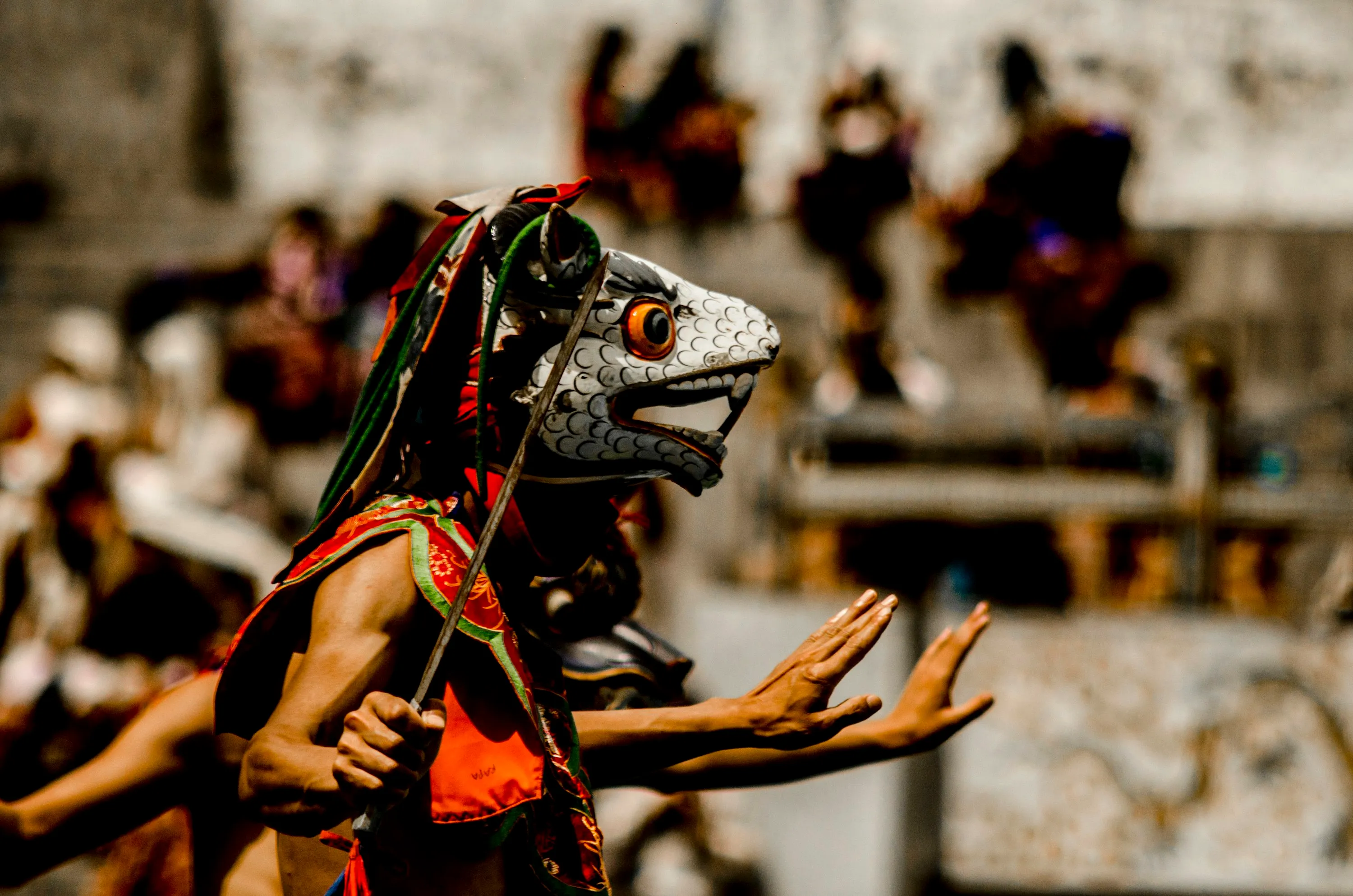
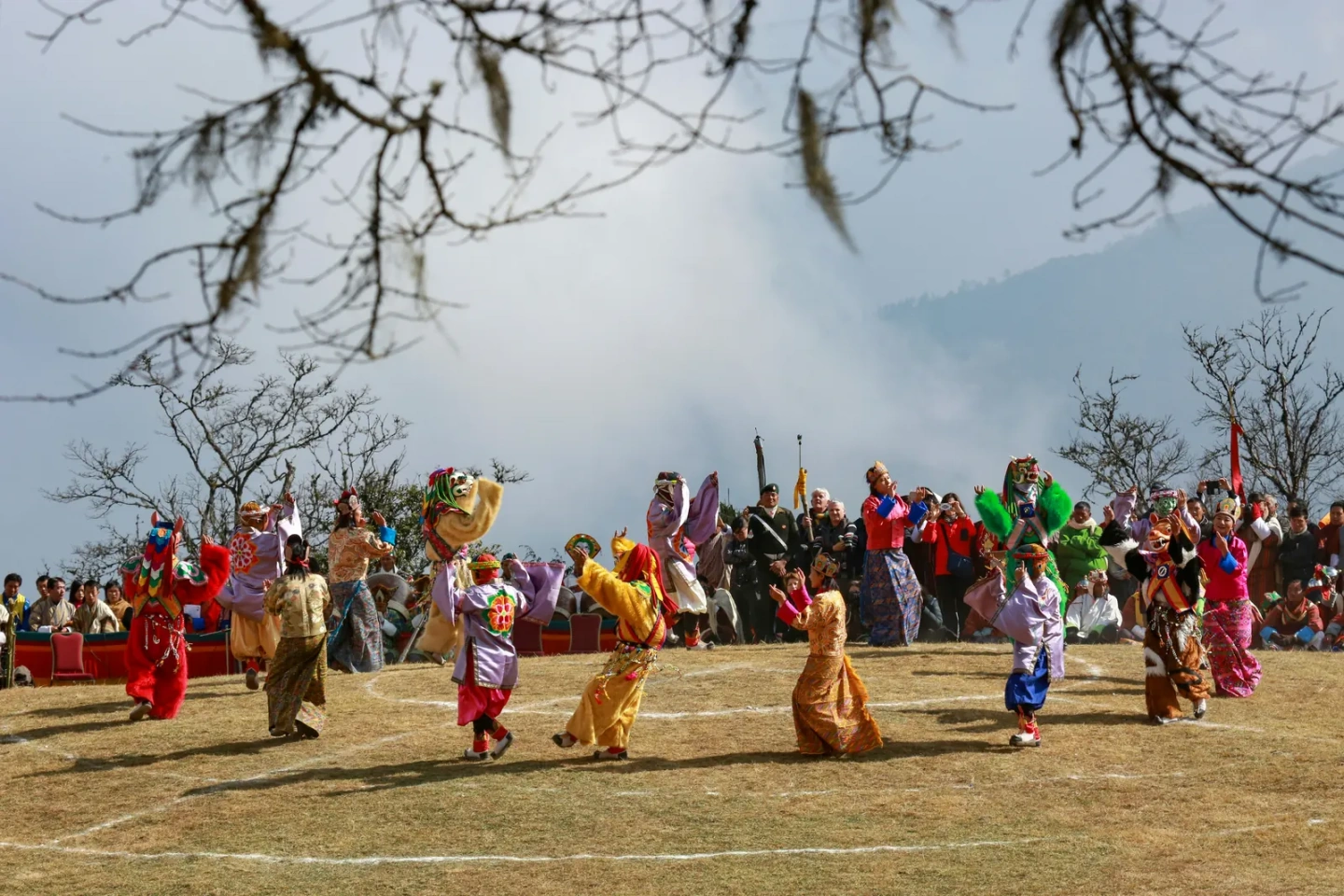
One appealing quirk for Malawians is that Bhutan’s autumn coincides with the hot, dry weeks before Malawi’s rains, so an October trip offers a crisp change of air. Autumn is also when Thimphu Tshechu usually takes place, while Paro Tshechu falls in spring; both follow the lunar calendar, so dates move each year.
Visa, SDF and Insurance for Malawians
Malawian citizens need a Bhutan visa, applied for online before travel and usually arranged through a licensed Bhutanese tour operator. As our country guide explains, the tour package and fees are paid in advance, and visa clearance follows once payment is confirmed. The visa is then stamped on arrival at Paro.
The Sustainable Development Fee (SDF) is currently USD 100 per adult per night for most international visitors; check the latest rates with the Department of Tourism before booking. You will also need travel insurance that covers your whole stay. On the ground, the currency is the ngultrum, pegged 1:1 to the Indian rupee, and ATMs are mainly found in towns.
Suggested Lengths of Stay
Given two travel days at either end, we find that Lilongwe travellers rarely regret a longer stay. A sensible range looks like this:
- Five nights: Paro and Thimphu, with a hike to a cliffside monastery.
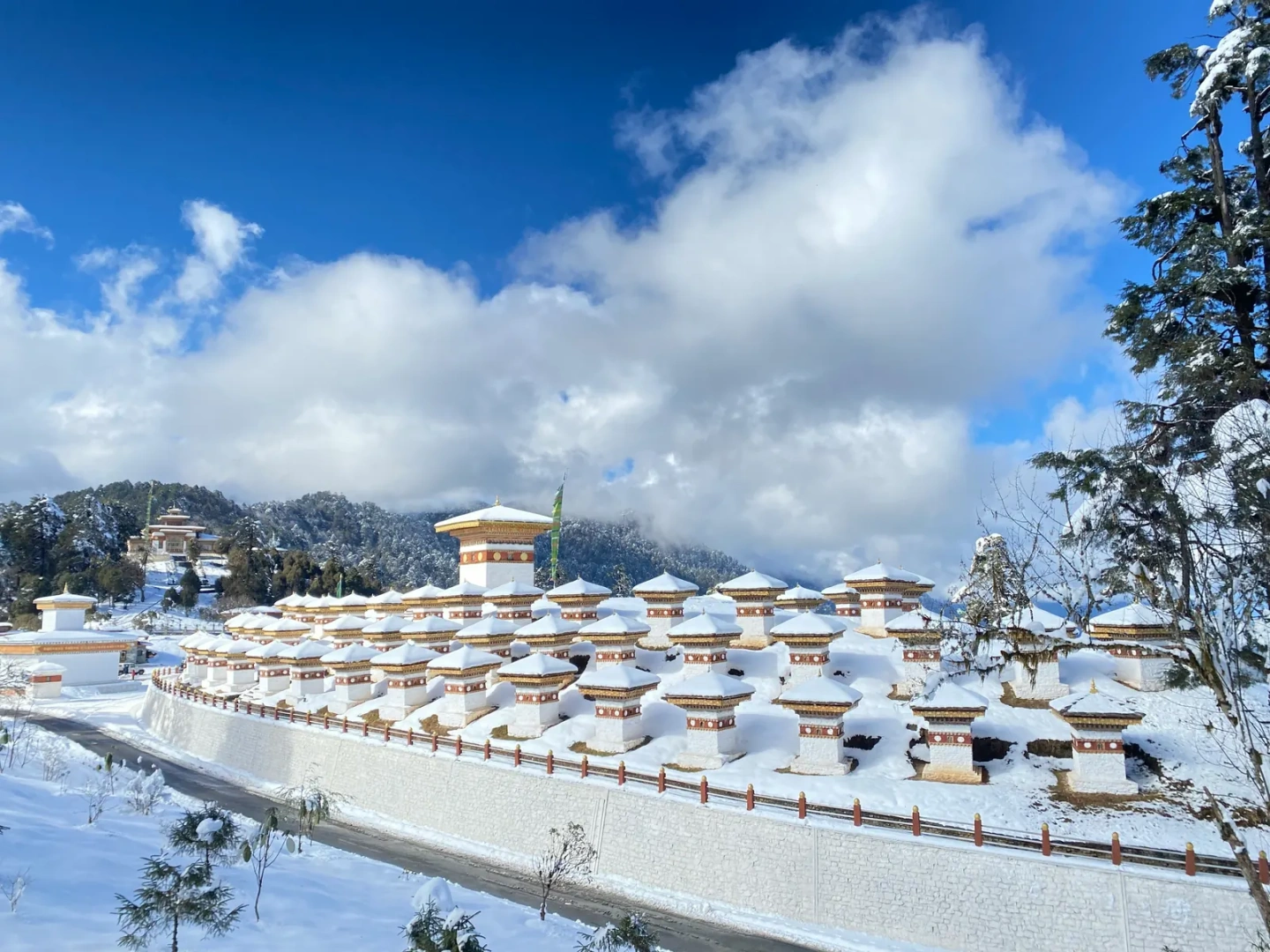
- Seven to eight nights: add Punakha and the Dochula pass.
- Ten nights or more: continue into central Bhutan or include a short trek.
Lilongwe FAQ
Is there a direct flight from Lilongwe to Bhutan?
No. You will connect at least once on the way to an Asian gateway, then take Drukair or Bhutan Airlines to Paro.
How early should I book?
Our Malawi guide suggests booking international flights at least three months ahead, particularly for spring and autumn, when Paro seats are in demand.
Can I travel independently once I land?
Visits are arranged through a licensed tour operator, which also handles your visa. Your guide and driver accompany you through the itinerary.
For the broader picture, including more on routes and itineraries for Malawian visitors, see our full guide How to Travel to Bhutan from Malawi. When you have dates in mind, we would be glad to help you plan.