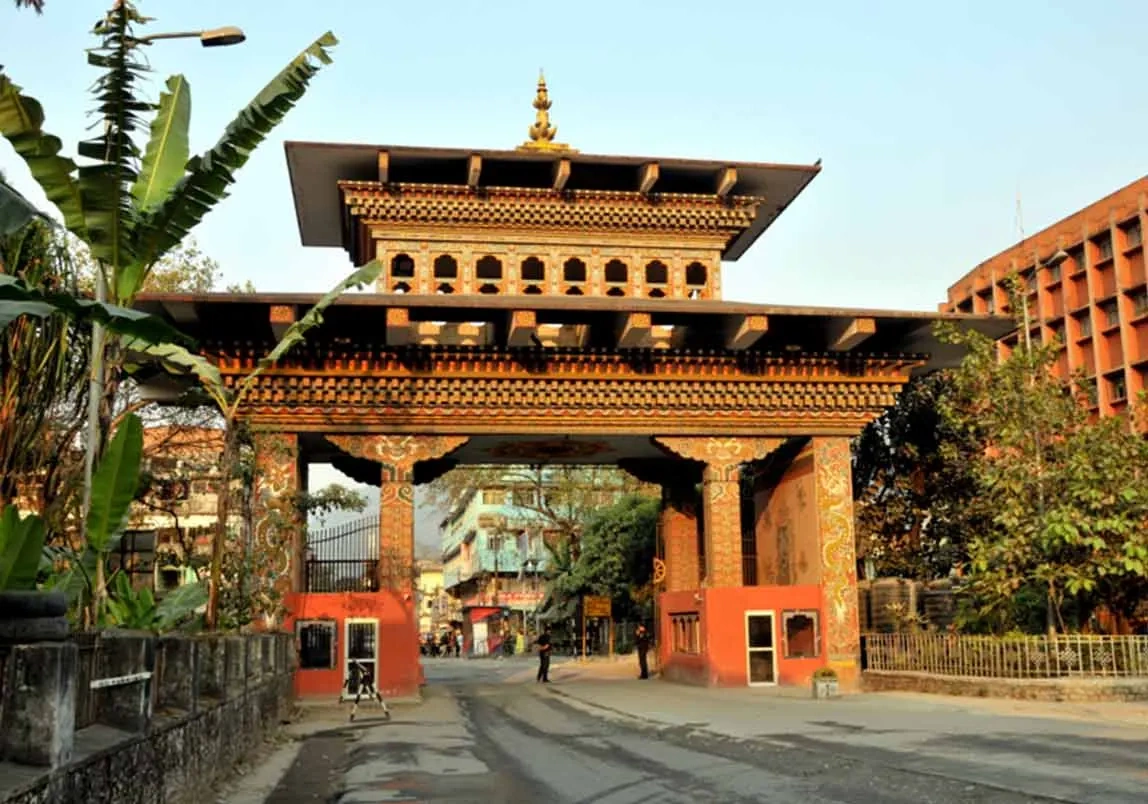
Naypyidaw has been Myanmar's capital since the mid-2000s, but it is not where international journeys usually begin. Naypyidaw International Airport handles very few international flights, so travellers from the capital typically make their way to Yangon International Airport (RGN), the country's main gateway, and fly out from there. Mandalay is another possibility for some. From Yangon, a short regional flight brings you to a hub where Bhutan's own airlines take over for the final stretch into Paro. Here is how that looks from the capital.
Naypyidaw or Yangon? Picking Your Departure Airport
For nearly everyone, Yangon is the realistic choice. You can reach it from Naypyidaw by road or on a domestic flight, depending on what is operating and what suits your budget. Because the international departure is the one that matters, we suggest arriving in Yangon the day before rather than trying to connect on the same day. That turns a potentially stressful transfer into a relaxed evening.
Mandalay International Airport, also mentioned in our Myanmar guide, can occasionally offer a convenient alternative if you live closer to the north of the capital region.
Half an Hour Apart: Naypyidaw Time and Bhutan Time
Myanmar Standard Time is UTC+6:30, one of the few half-hour time zones in Asia. Bhutan Standard Time is UTC+6 all year. That leaves Bhutan just 30 minutes behind Naypyidaw, and since neither country uses daylight saving, the gap stays fixed. In practice you can ignore jet lag entirely. Just remember to wind your watch back half an hour when you land in Paro, or your guide may be waiting for you longer than expected.
Via Bangkok, Delhi or Kathmandu from Yangon
According to our Myanmar guide, Bangkok is often the most convenient and frequent connection. Myanmar Airways International and Thai AirAsia typically fly from Yangon to Bangkok, where you can join a Drukair (Royal Bhutan Airlines) or Bhutan Airlines flight to Paro International Airport. The guide gives the Bangkok to Paro leg as about three to four hours. Only these two airlines are permitted to fly into Paro, so the last sector is always with one of them.
Delhi is the second option, with IndiGo or Air India mentioned for the first leg, and the guide notes it can give more flexibility with scheduling. Kathmandu is the third hub. Check current schedules for whichever route you prefer, because timetables shift by season, and the guide recommends booking two to three months ahead.
How a Trip from Naypyidaw Might Unfold
The sequence below is purely an example, meant to help you plan. Real flight times depend on what is running when you travel.
- Day 1: travel from Naypyidaw to Yangon and stay overnight near the airport.
- Day 2, morning: fly Yangon to Bangkok.
- Day 2, afternoon: connect to Paro, or rest in Bangkok and fly the next morning.
- Arrival: your Manifest Bhutan Expeditions guide and driver meet you at Paro.
The guide suggests a total journey from Yangon of seven to ten hours including layovers. It also warns that weather can ground Paro flights for hours or occasionally days, because the approach is visual and landings happen in daylight only. Travel light, too; the guide points out that the small aircraft into Paro have strict weight limits.
Myanmar Passport Holders: Visa, SDF and Insurance
Myanmar citizens need a Bhutan visa, applied for online before departure. The usual route is through a licensed Bhutanese tour operator, who lodges the application for you. Our guide lists a scanned passport valid for at least six months from arrival and a recent passport photo as the key documents.
- The SDF for most international visitors is currently USD 100 per adult per night; check the latest rates with the Department of Tourism before booking, as they are reviewed from time to time.
- Travel insurance for the whole length of your stay is a requirement, not an option.
- Ngultrum, Bhutan's currency, is pegged 1:1 to the Indian rupee. ATMs are found mainly in towns, so arrive with some cash.
If you are transiting Bangkok or Delhi, check Thai or Indian transit rules for your passport as well.
When to Travel and How Long to Stay
Naypyidaw's climate is hot for much of the year, with a fierce dry-season build-up before the monsoon rains arrive and stay into autumn. Bhutan works differently. Its spring (March to May) and autumn (September to November) are the most popular seasons. Summer (June to August) is the monsoon, as at home, while winter (December to February) is cold but clear, particularly at altitude.
Autumn is a natural fit for travellers leaving the capital once the rains ease, and it brings the Thimphu Tshechu. Spring offers rhododendrons and the Paro Tshechu, with both festival dates set by the lunar calendar. Pack fleece and a warm jacket whatever the season, since valley evenings in Bhutan are much cooler than central Myanmar.
As for trip length, the short flying time from Yangon makes even four or five nights in Paro and Thimphu worthwhile. With a week or more, you can travel deeper into the country at a gentler pace. Add a night in Yangon before departure and, if you route via Bangkok, think about one there too.
Naypyidaw FAQ
Can I fly abroad from Naypyidaw's own airport?
International services there are very limited, so most travellers fly out from Yangon.
Which hub is most convenient?
Bangkok typically offers the most frequent connections from Yangon, with Delhi and Kathmandu as alternatives.
Is jet lag a concern?
No. The difference is only half an hour.
For routes from Mandalay, deeper seasonal notes and the full visa process, read How to Travel to Bhutan from Myanmar. Let us know your dates and we will plan your Bhutan trip around the connections from Yangon.