

Astana, Kazakhstan's capital on the northern steppe, is served by Astana International Airport (NQZ). For travellers bound for Bhutan, though, much of the action happens in the south: our Kazakhstan guide focuses on departures from Almaty, the country's other main international airport. That means many Astana residents begin with a domestic hop before heading for South or Southeast Asia and, finally, Paro. Here is how to plan that trip from the capital.
Astana or Almaty? Where Your Journey Really Starts
There are two sensible approaches. You can fly from NQZ to Almaty and pick up an international flight there, or look for international routings that leave directly from Astana and connect elsewhere. A through ticket from Astana via Almaty usually makes sense, because it protects you if the domestic flight runs late.
Whichever you choose, the international leg will take you to a hub such as Delhi, Bangkok or Kathmandu. Check current schedules carefully, as routes out of both Kazakh cities change between seasons.
If you prefer to break the journey, an evening in Almaty before the international flight is easy to arrange and gives you a calm start. Travellers who already live in the south of the country, or who are visiting family there, may find it simplest to begin the trip in Almaty altogether. Either way, keep your Bhutan visa clearance, insurance certificate and onward booking together, as check-in staff for international flights may ask to see them.
Air Astana, Delhi and the Other Gateways
Our guide highlights Air Astana, Kazakhstan's national carrier, on the Almaty to Delhi route, which takes about three to four hours. From Delhi, Druk Air (Royal Bhutan Airlines) or Bhutan Airlines fly the final sector of about two hours to Paro International Airport. They are the only airlines that serve Paro.
The guide also mentions SCAT Airlines and FlyArystan for travel towards Thailand, followed by a Druk Air connection from Bangkok. Kathmandu is the third possible hub. For most travellers from Astana, the Delhi route typically offers the simplest connection, but your choice will depend on dates and transit requirements.
Kazakhstan's Single Time Zone and Bhutan
Since March 2024, the whole of Kazakhstan, Astana included, has used a single time zone, UTC+5, with no daylight saving. Bhutan Standard Time is UTC+6 all year. As a result, Bhutan is one hour ahead of Astana throughout the year. If you remember the older arrangement, when Astana shared Bhutan's clock, note that the change means you now set your watch forward on arrival.
Steppe Winters, Himalayan Autumns
Astana is one of the coldest capitals in the world, with long, severe winters and warm, short summers on the open steppe. Bhutan is gentler. Its spring (March to May) and autumn (September to November) are the most popular seasons, summer (June to August) is the monsoon, and winter (December to February) is cold but clear, especially at altitude.
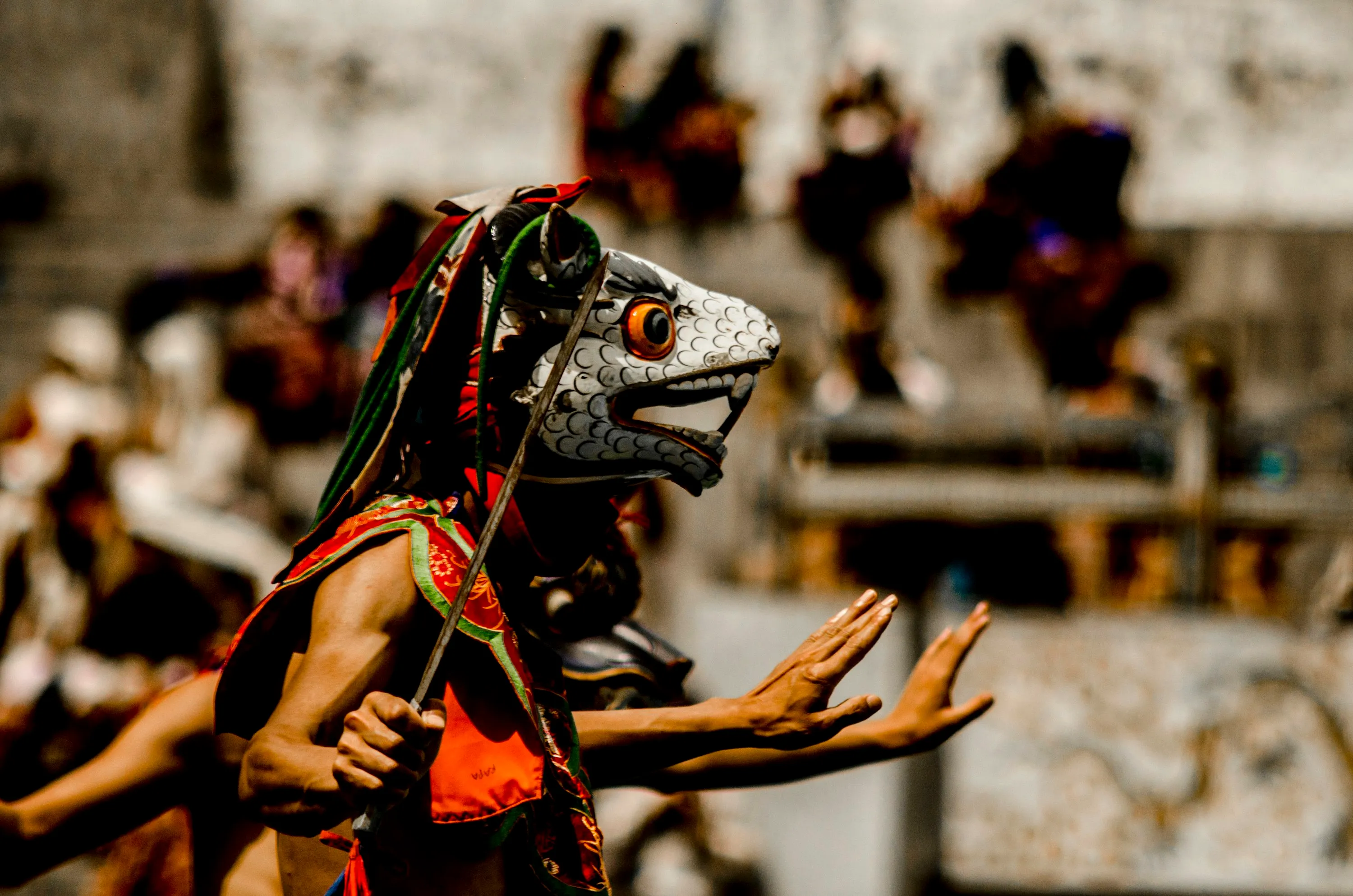
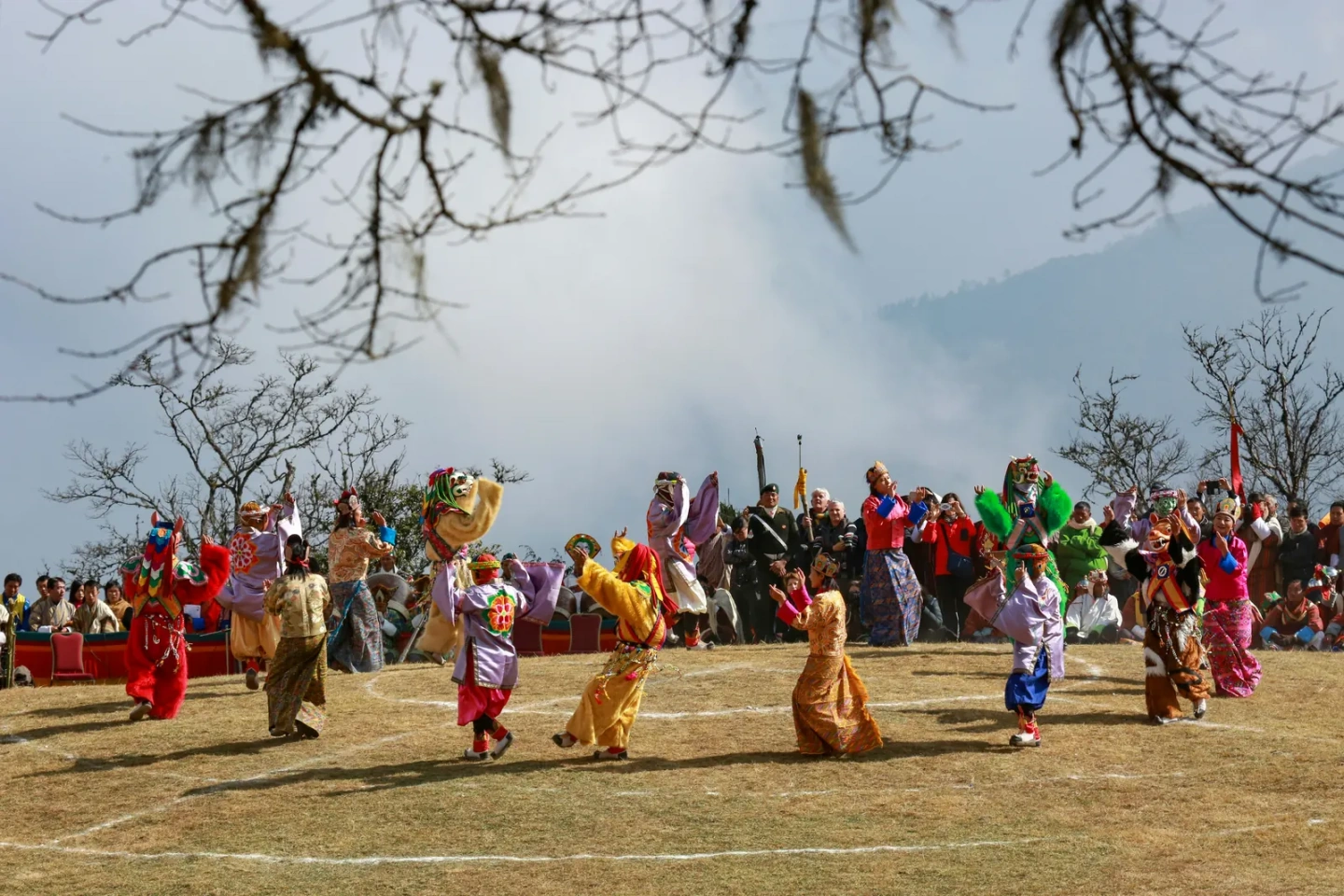
For Astana travellers, a Bhutanese winter will feel mild and often sunny. Autumn delivers crisp air and the Thimphu Tshechu; spring brings flowering valleys and the Paro Tshechu. Both festivals follow the lunar calendar, so dates change annually. Pack warm layers in any season; even in spring, Bhutanese evenings can be cool, although nothing like Astana in January. Our guide flags the monsoon months and winter fog as the periods most likely to bring flight delays, so plan buffer days if travelling then.
Example Itinerary: Astana via Almaty to Paro
Treat this as an example rather than a timetable. Flight times will depend on schedules operating when you book.
- Day 1, morning: fly NQZ to Almaty.
- Day 1, afternoon: Air Astana from Almaty to Delhi; overnight near the airport.
- Day 2, morning: Druk Air or Bhutan Airlines to Paro.
- Arrival: your guide from Manifest Bhutan Expeditions meets you and takes you into the valley.
The guide estimates 10 to 15 hours of travel from Kazakhstan including layovers. It also notes that baggage allowances on Bhutanese flights are typically 20kg checked and 5kg carry-on, so pack accordingly. Paro flights are daylight-only and visual, which is why an overnight before the final leg is worthwhile.
Visa and Fees for Kazakhstani Citizens
Kazakhstani passport holders need a Bhutan visa, applied for online in advance. Our guide confirms that your licensed Bhutanese tour operator handles the process, so you do not apply at an embassy. Check any transit requirements for India, Thailand or Nepal separately.
- SDF: USD 100 per adult per night is the present rate for most international visitors. Check the latest rates with the Department of Tourism before booking, since policies are reviewed.
- Insurance: required for the entire stay.
- Money: Bhutan's ngultrum is pegged to the Indian rupee. ATMs are mostly in towns, so bring some cash.
On trip length, five nights covers Paro and Thimphu, but with a domestic flight plus an international connection each way, seven to ten nights will feel far more rewarding. That also lets you add a day in Delhi or Almaty without squeezing your time in Bhutan.
Astana FAQ
Do I have to go through Almaty?
Not always, but our guide's main routes start there, and a through ticket from Astana is usually the simplest approach.
What is the time difference now?
Bhutan is one hour ahead of Astana, following Kazakhstan's 2024 switch to UTC+5.
How much luggage can I take?
Our guide notes a typical allowance of 20kg checked and 5kg carry-on on Bhutanese flights. Confirm with your airline.
For the full picture, including seasonal notes and visa details, read How to Travel to Bhutan from Kazakhstan. Send us your preferred dates and we will plan your Bhutan trip around connections from Astana.