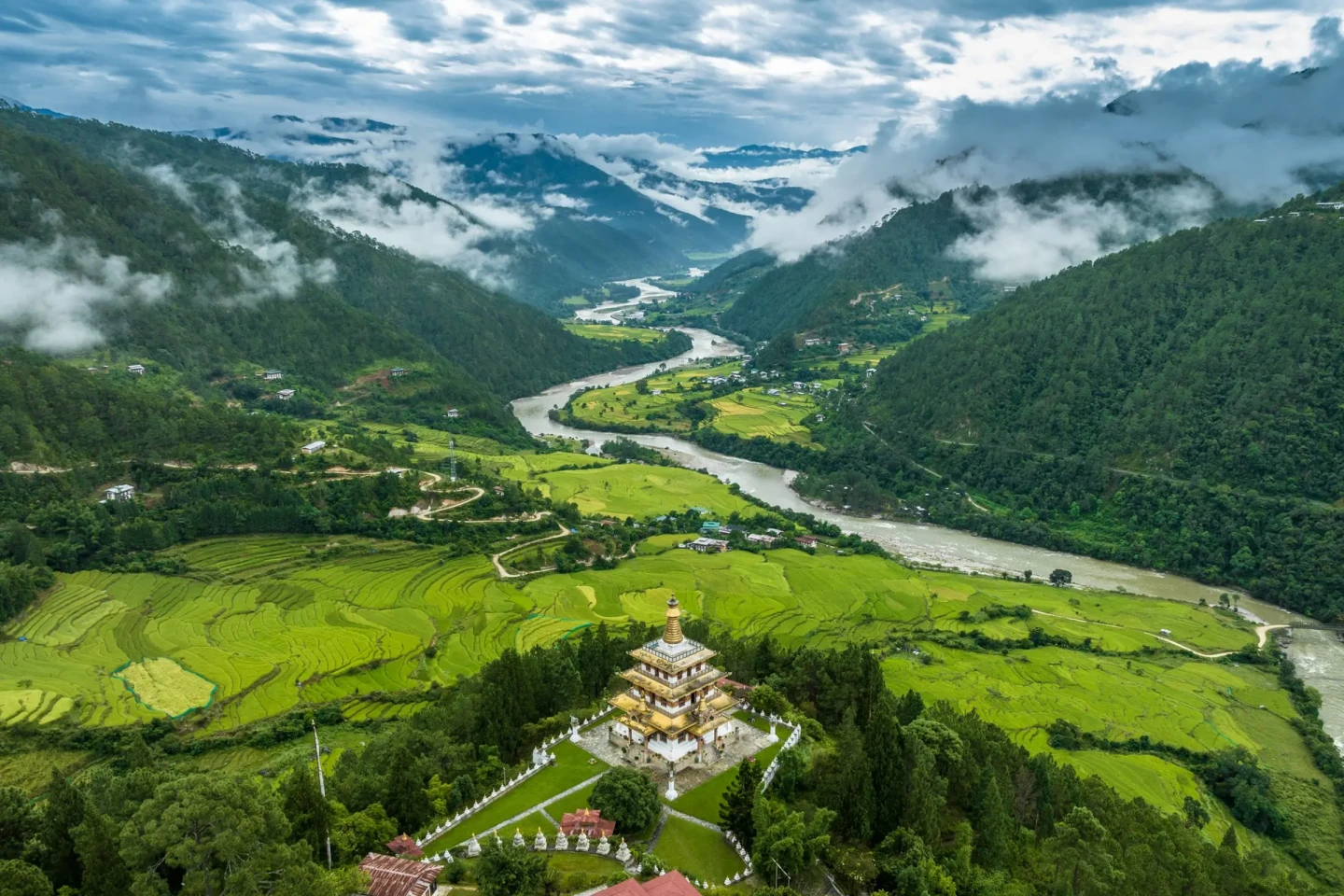


Ashgabat and Paro are separated by deserts, mountains and the plains of northern India, yet the journey between them can be surprisingly compact. Ashgabat International Airport (ASB), Turkmenistan's main hub and the obvious starting point, connects to the South Asian gateways from which Bhutan's airlines operate. This page complements our Turkmenistan guide with capital-specific advice on routes, timing and preparation.
Leaving Ashgabat International: Carriers and Gateways
Ashgabat International is close to the city, so getting there is rarely an issue. Your main task is choosing the first connection. Our Turkmenistan guide suggests flying Turkmenistan Airlines or Turkish Airlines to Delhi as one straightforward option, before transferring to Drukair or Bhutan Airlines for Paro.
Turkish Airlines services would typically route via Istanbul, while the guide also mentions Istanbul or Dubai as alternative transit points if they offer better timing. As always, check current schedules, as frequencies change.
Bhutan's two airlines, Drukair and Bhutan Airlines, are the only carriers flying into Paro. For travellers from Turkmenistan, three gateways stand out in our guide:
- Delhi — often the most natural choice for travellers coming from Central Asia.
- Bangkok — a longer detour but useful if you want a stopover in South-East Asia.
- Kathmandu — handy for combining Nepal with Bhutan.
Our guide cites final-leg flight durations of roughly 1.5 to 4 hours depending on origin, with Delhi and Kathmandu at the shorter end. Typically, the gateway you pick determines how much time you spend in transit, so compare the options against current schedules.
A Sample Trip from Ashgabat to the Paro Valley
As an example only: a traveller leaves Ashgabat on a Turkmenistan Airlines service to Delhi, arrives the same day and checks into an airport hotel. The next morning, they take a Drukair flight to Paro and spend the afternoon settling in with their guide. If the timings line up neatly, the whole move can be done within a day; if not, the overnight adds a cushion.
Our guide estimates 10 to 20 hours overall depending on your route, with layovers of 4 to 12 hours possible. Plan for transit visas where they are needed, especially for any overnight in India.
One Hour Apart: Ashgabat and Bhutan Time
Turkmenistan uses UTC+5 all year and does not observe daylight saving. Bhutan sits on UTC+6, likewise without seasonal change. So Bhutan is just one hour ahead of Ashgabat, whatever the month.
Jet lag is therefore minimal. The bigger adjustment is altitude: Paro sits much higher than Ashgabat, so take the first day gently and drink plenty of water.
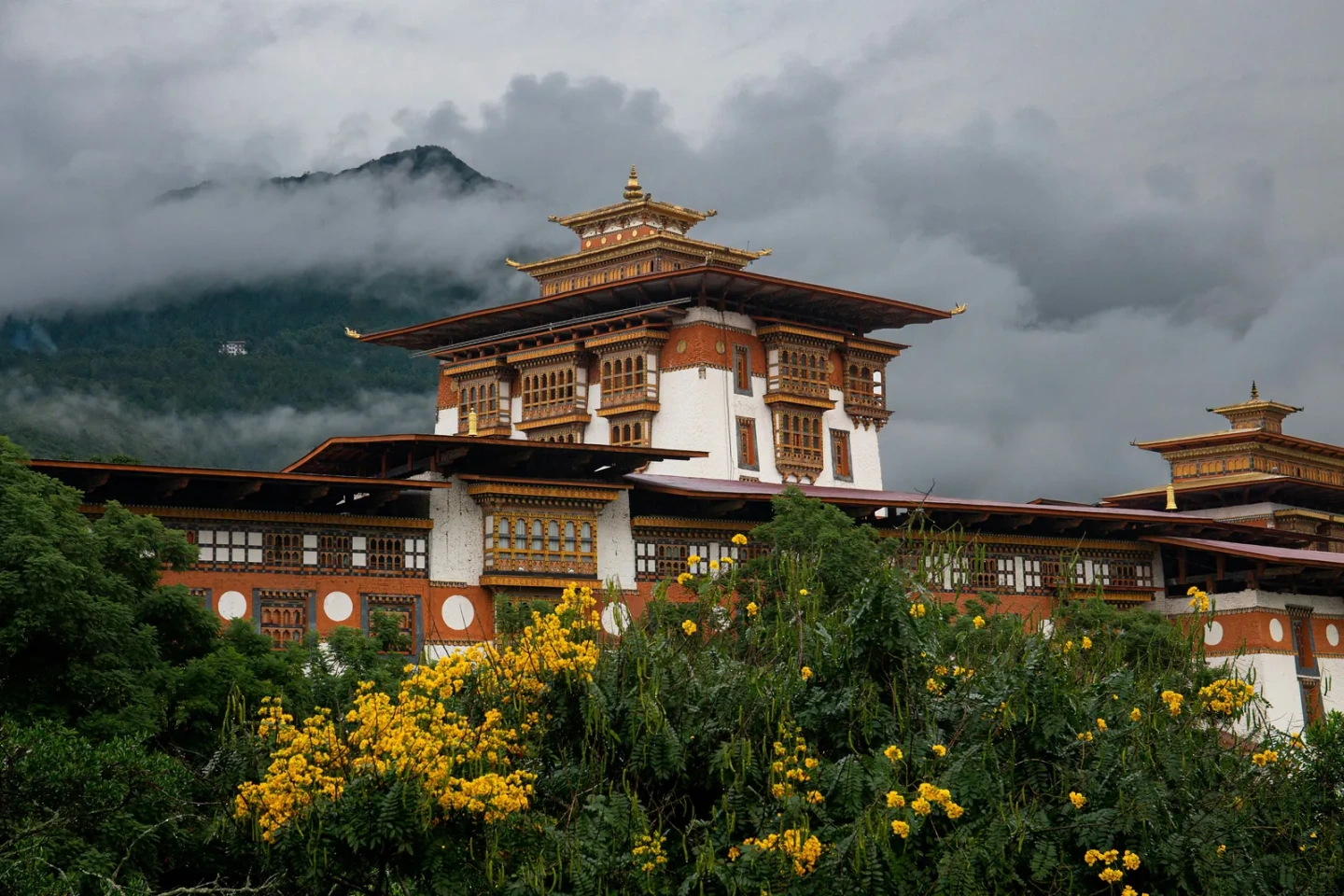
The small time difference also makes it easy to stay in touch with family and colleagues at home. Calls in the early evening in Thimphu land at a comfortable time in Ashgabat, and you will not need to rearrange your sleep pattern before the trip. That leaves your energy for the walking, which in Bhutan often involves steady climbs to monasteries and fortresses.
Desert Heat and Himalayan Weather
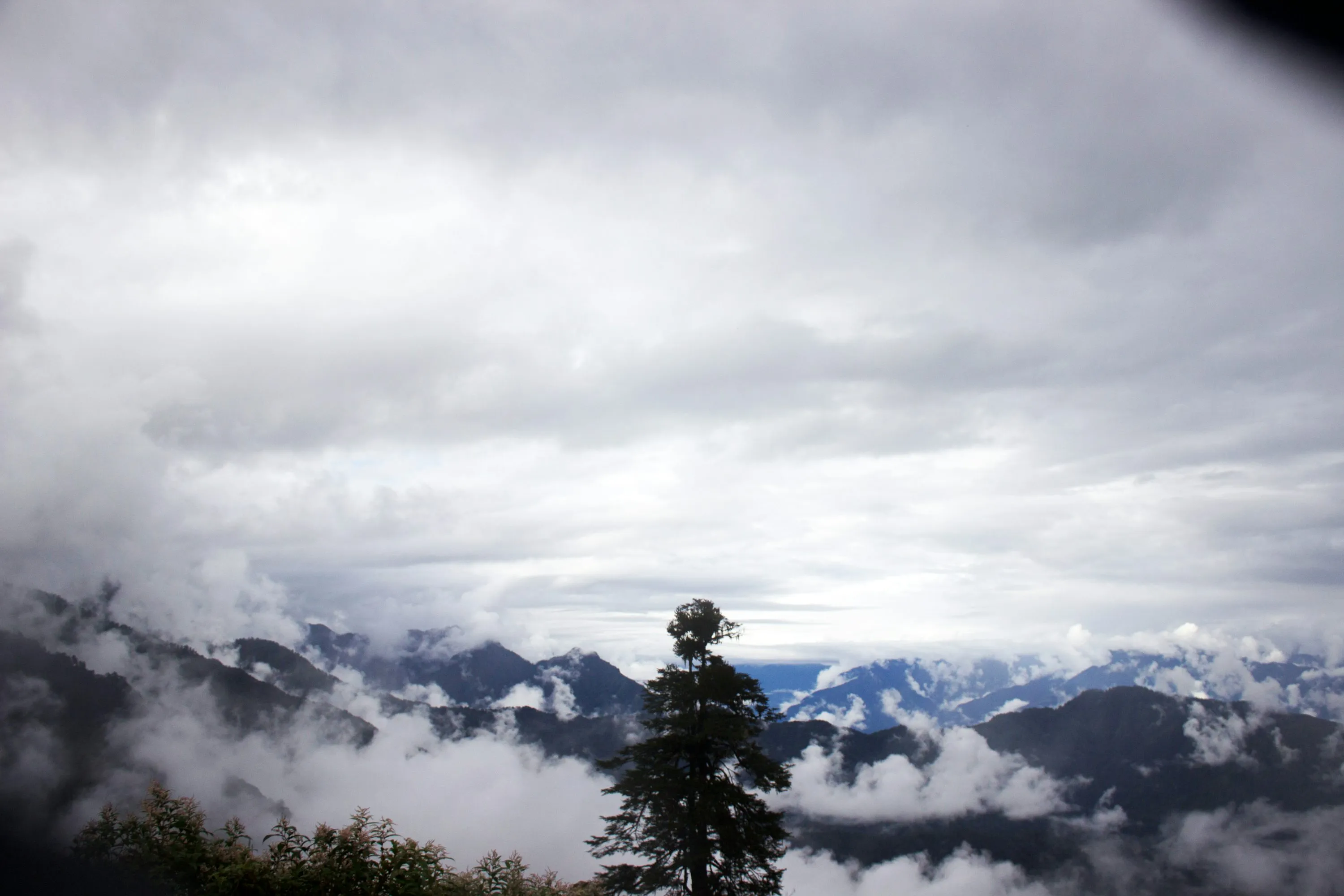
Ashgabat has very hot, dry summers and cool winters, with short, pleasant spring and autumn periods. In Bhutan, the favoured windows are spring, from March to May, and autumn, from September to November. June to August is monsoon season, with rain and cloud. December to February is cold but clear, especially at altitude.
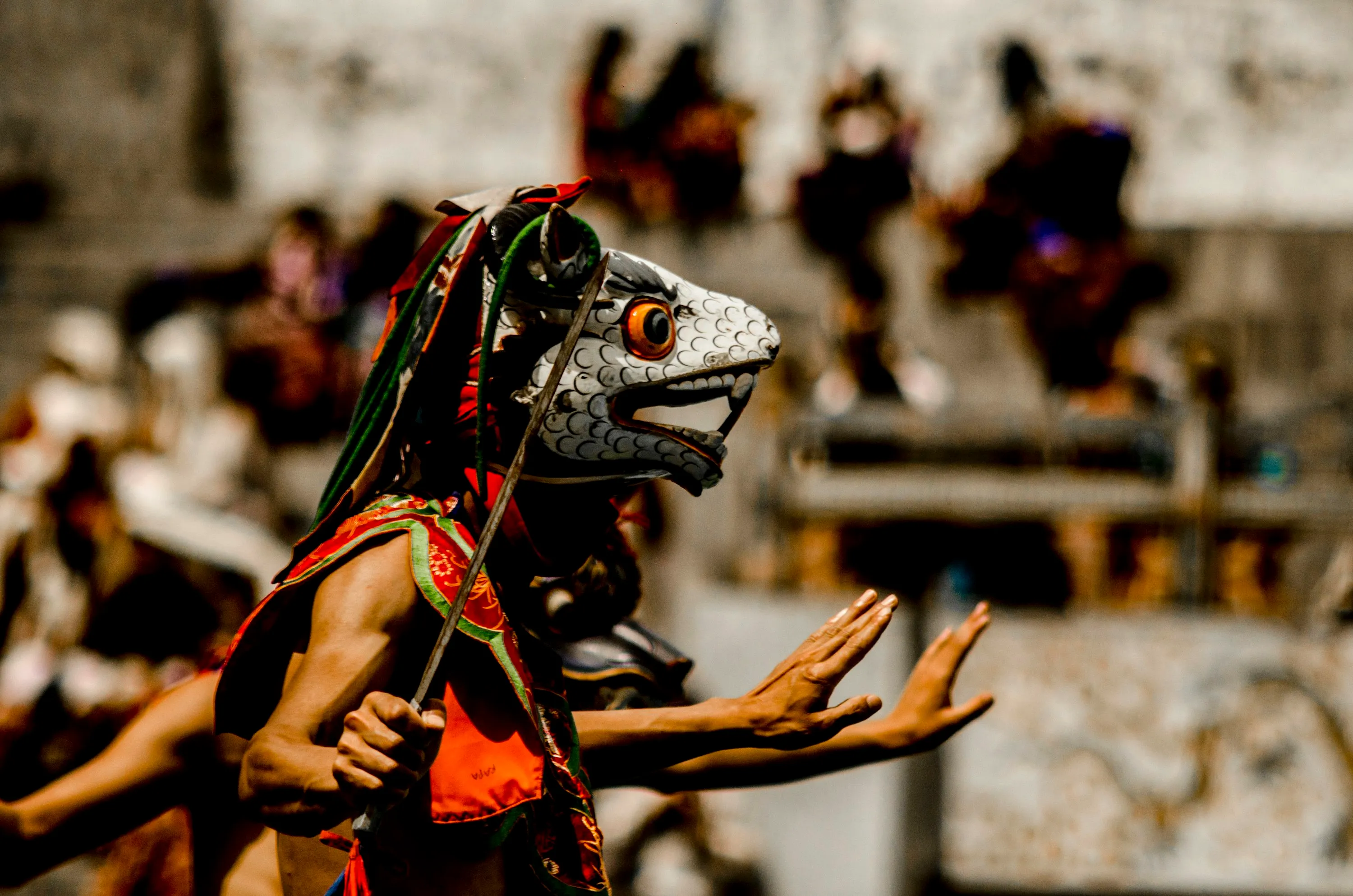
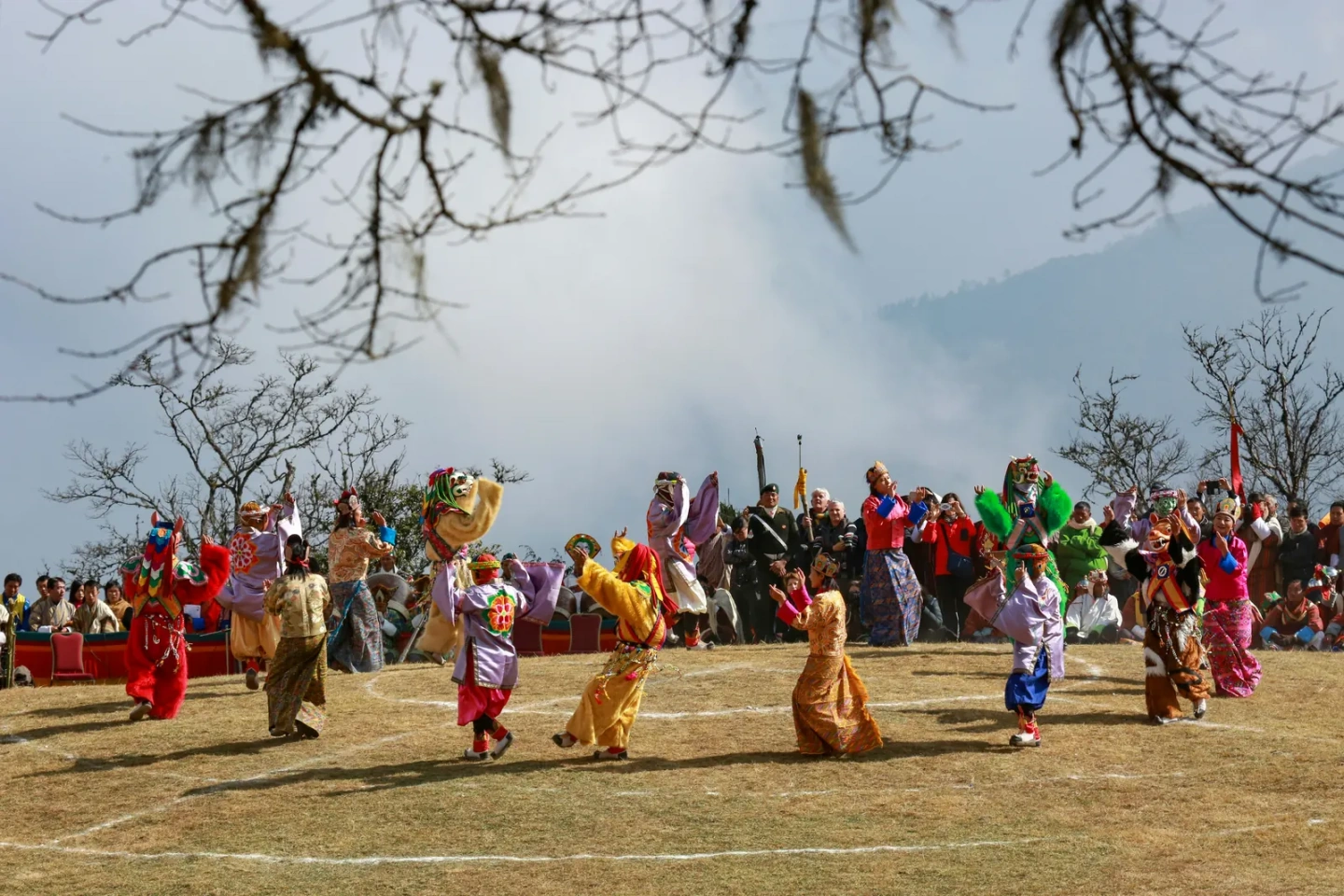
For travellers used to Turkmenistan's dry climate, the summer humidity in Bhutan can feel unfamiliar, so spring and autumn are the easiest fit. Paro Tshechu and Thimphu Tshechu fall in spring and autumn respectively; their dates are set by the lunar calendar and change each year.
Visa, SDF and Insurance from Turkmenistan
Citizens of Turkmenistan need a Bhutan visa obtained online in advance, usually arranged by a licensed Bhutanese tour operator. Our Turkmen guide notes that you will need a passport with at least six months of remaining validity.
There is also the Sustainable Development Fee, currently USD 100 per adult per night for most international visitors; check the latest rates with the Department of Tourism before booking. Travel insurance covering your full stay is required.
Separately, check any rules for transit through Turkey, the UAE or India, as these apply in addition to the Bhutan visa.
Our Turkmenistan guide advises booking flights three to six months ahead and doing so through, or in step with, your tour operator. That way the dates on your visa, your SDF payment and your flight into Paro all line up, and your operator can keep you informed if schedules shift.
Trip Lengths for Visitors from Ashgabat
With a short journey and little jet lag, even a modest trip works well.
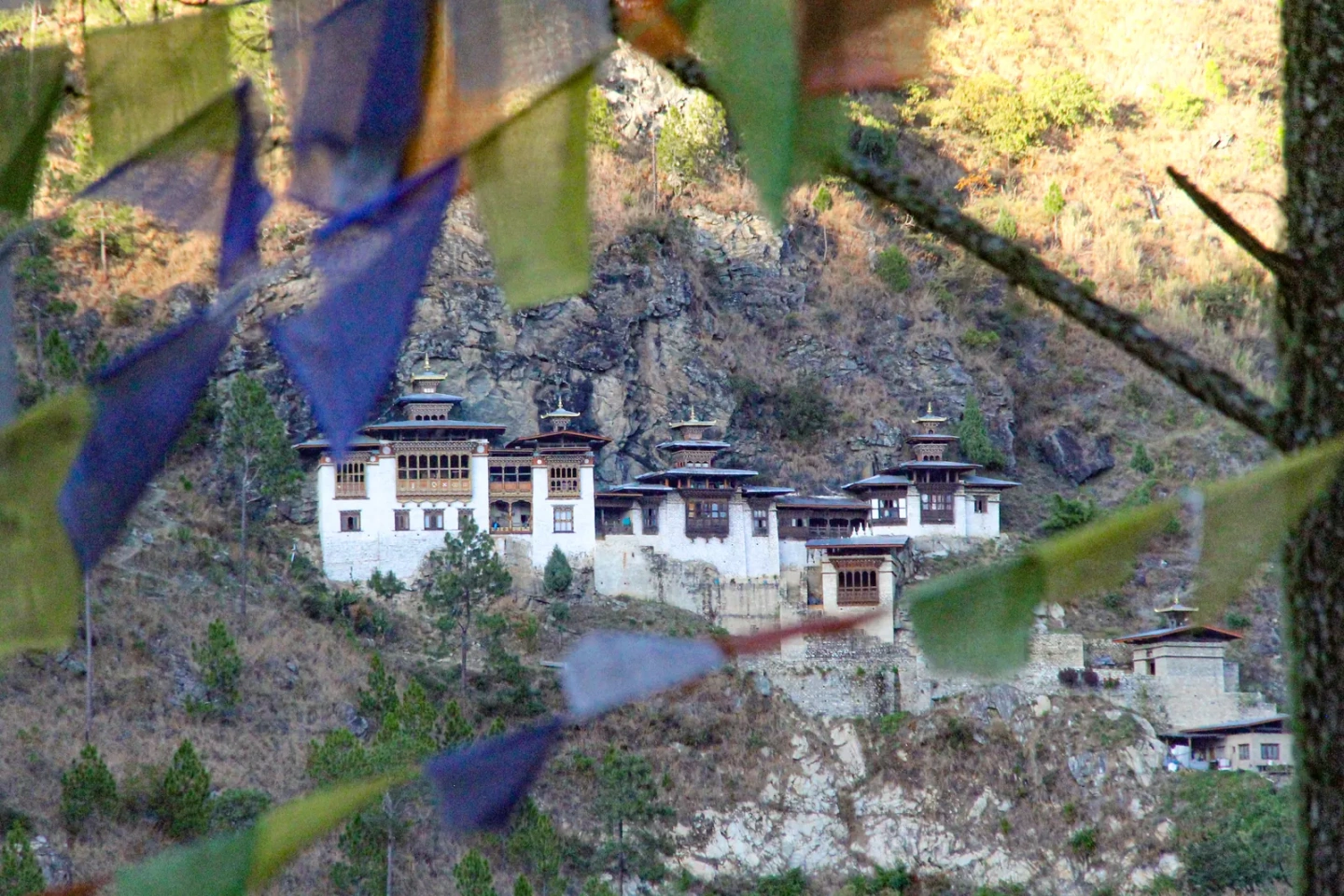
- Four nights: Paro and Thimphu, including the hike to Taktsang.
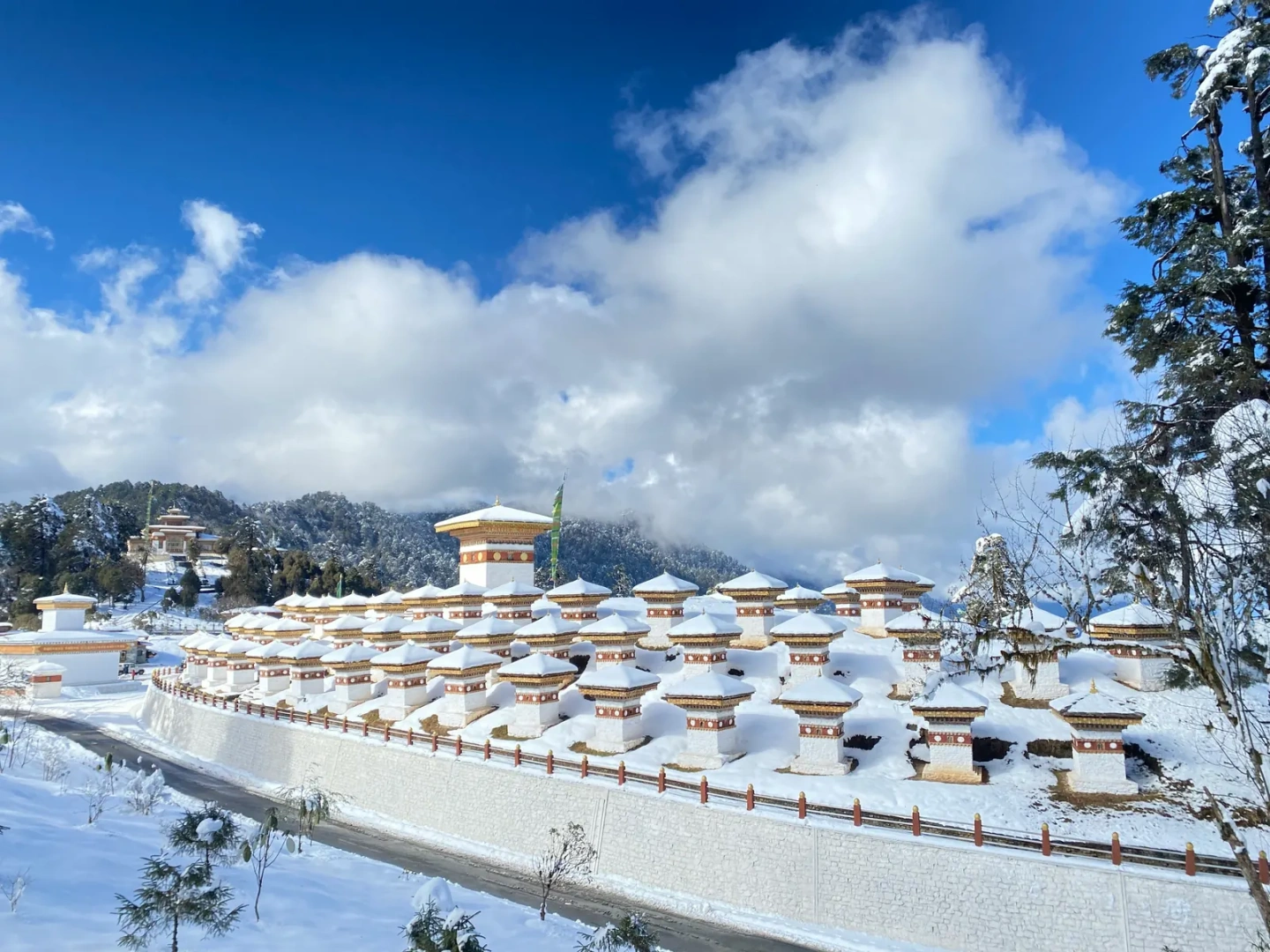
- Seven nights: add Punakha and the Dochula pass.
- Ten or more: central Bhutan, a festival or a trek.
Because Paro's approach is visual-only and weather can delay flights, leave a buffer day before your return.
Frequently Asked from Ashgabat
Is there a direct flight from Ashgabat to Paro?
No. Expect to connect in Delhi, Bangkok or Kathmandu, sometimes after a stop in Istanbul or Dubai.
Can I enter Bhutan by land?
Bhutan can be entered overland via Phuentsholing from West Bengal, but most long-distance visitors fly into Paro.
What money will I need?
Bhutan uses the ngultrum, pegged 1:1 to the Indian rupee. ATMs are found mainly in towns, so carry some cash.
Read More About Travelling from Turkmenistan
For complete coverage of visas, costs and itineraries, see How to Travel to Bhutan from Turkmenistan. Contact us when you have dates and we will help connect your Bhutan programme to flights from Ashgabat.