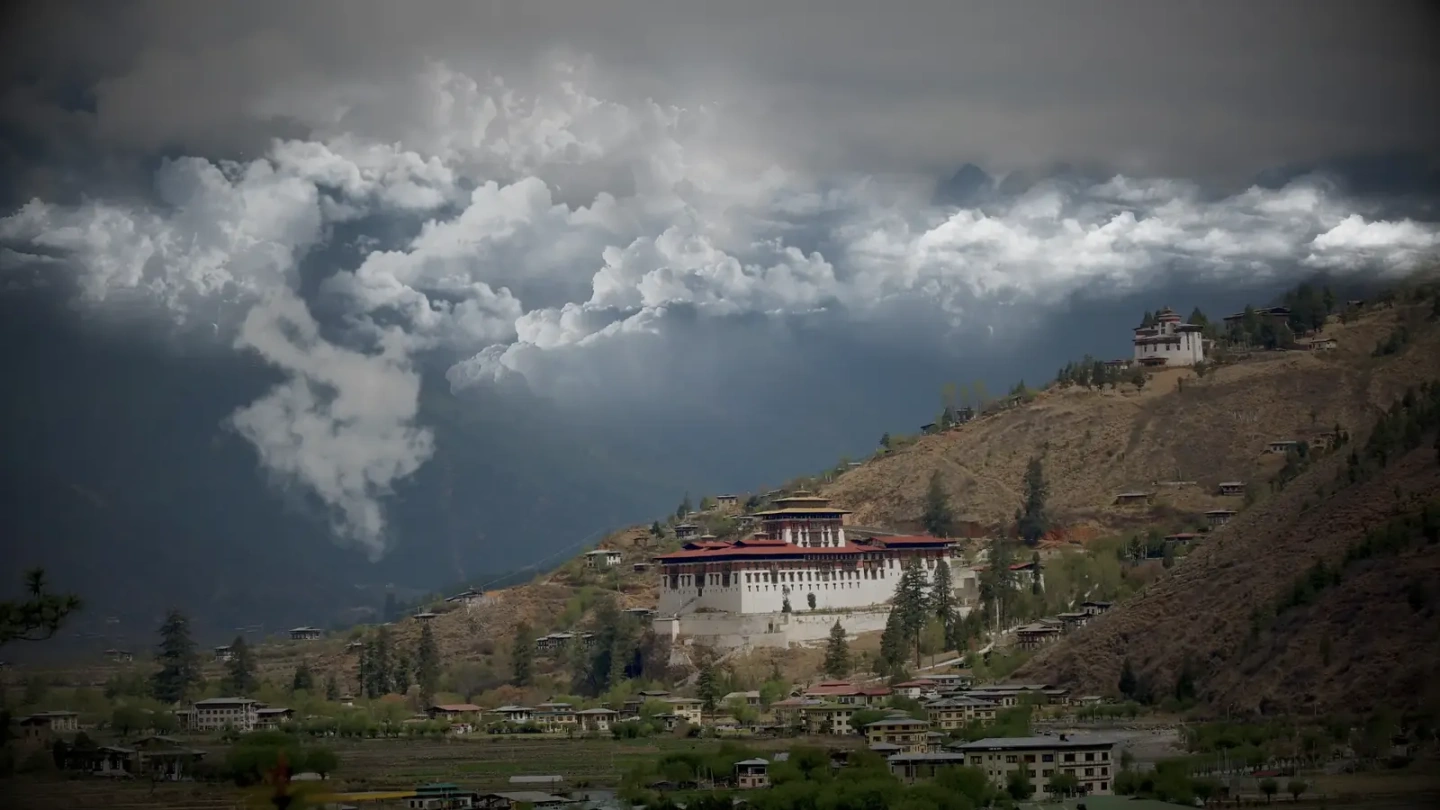


A trip from Washington, D.C. to Bhutan is one of the longer journeys covered in our capital-city series, but it is far from complicated. Most travellers leave from Washington Dulles International Airport (IAD), the region's main long-haul gateway, and cross to Asia before boarding one of Bhutan's own airlines for the final leg. Depending on fares and timings, some choose to start their trip at another major US gateway instead. Below we walk through how the journey typically works, as a companion to our complete guide for travellers from the USA.
Dulles and Your Transatlantic or Transpacific Start
There are no direct flights between the United States and Bhutan. Paro International Airport (PBH) is the country's only international airport, and only Drukair (Royal Bhutan Airlines) and Bhutan Airlines fly into it. From Dulles, the first step is to reach one of the Asian cities they serve.
Our USA guide notes that East Coast travellers typically fly with United or Air India to Delhi, then connect to Drukair or Bhutan Airlines for the final leg of around 1 to 2 hours to Paro. Depending on your fare, the flight to Delhi may route through another US gateway such as New York (JFK) or Chicago (ORD). Always check current schedules, as long-haul timetables change by season.
Delhi, Bangkok or Elsewhere: Hubs for Capital Region Travellers
- Delhi: the most natural choice from the East Coast and one of the busiest gateways into Paro.
- Bangkok: our guide mentions West Coast departures typically routing this way on Thai Airways or Cathay Pacific. From Washington, that may mean a domestic flight west first.
- Kathmandu or Singapore: both appear in our USA guide as possible transit points and suit travellers combining Bhutan with Nepal or South-East Asia.
Our guide suggests total travel times of 20 to 30 hours including layovers, and it recommends an overnight stop in the transit city to help with jet lag. Since Paro's approach is visual-only and weather can cause delays, that stopover is also a valuable buffer.
Washington to Paro: One Possible Itinerary
This example is intended to show the shape of the trip, not to promise any specific flight. You leave home in Arlington or Capitol Hill in the evening, check in at Dulles and fly overnight towards Delhi, perhaps via another gateway. On arrival you rest at a hotel near the airport, enjoy a proper meal and a night's sleep, then catch a morning flight to Paro. Your guide meets you at the airport and keeps the first afternoon gentle so you can adjust.
Homeward, a similar stop in Delhi or Bangkok gives you breathing space if a Paro flight is held by weather.
Ten or Eleven Hours Ahead: Managing the Time Shift
Washington keeps Eastern Time: EST (UTC−5) in winter and EDT (UTC−4) from March to November. Bhutan stays on UTC+6 all year. As a result, Bhutan is 11 hours ahead of Washington during standard time and 10 hours ahead while daylight saving is in force.
That is a substantial shift. Breaking the journey for a night, staying hydrated and getting outside in daylight on your first day all help. Plan easy sightseeing for the first afternoon rather than a demanding hike.
Washington's Weather vs Bhutan's Calendar
Washington is known for hot, humid summers, cold winters with occasional snow, and pleasant spring and autumn seasons, famously marked by the cherry blossoms around the Tidal Basin. Bhutan's year has its own pattern. In Bhutan, the busy windows are spring (March to May) and autumn (September to November). June to August is monsoon time, and the winter months of December to February are cold, with clear skies especially at altitude.
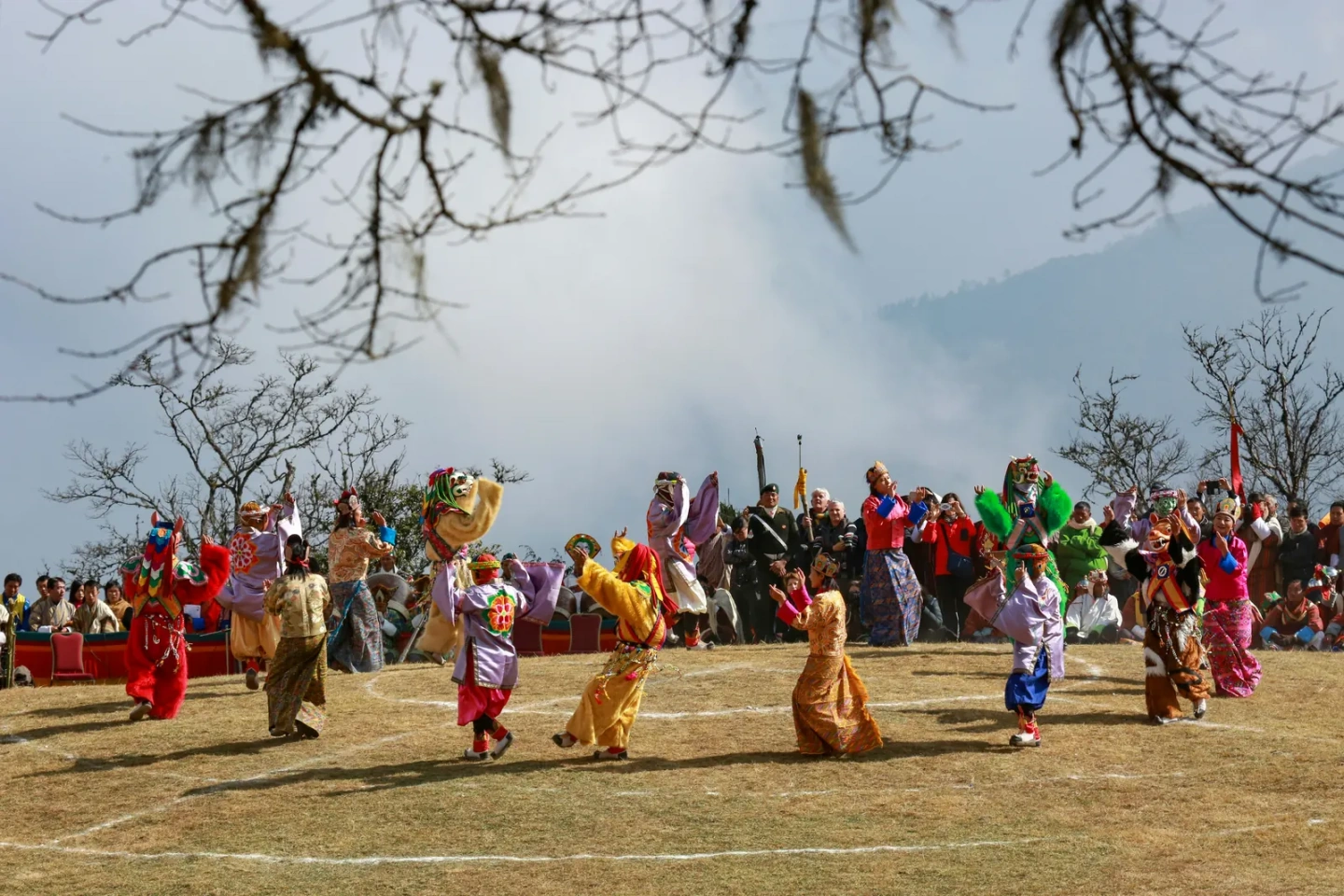
In other words, the seasons Washingtonians enjoy most at home are also the best times in Bhutan. Spring brings the Paro Tshechu and autumn the Thimphu Tshechu, though festival dates follow the lunar calendar and move each year. If you want to escape the capital's sticky summers, bear in mind that Bhutan's monsoon months bring rain and a greater risk of delays.
Visa and Fee Checklist for US Citizens
US citizens need a Bhutan visa, applied for online in advance and usually arranged through a licensed Bhutanese tour operator. Our USA guide explains that your operator will ask for a scanned passport valid for at least six months beyond your planned arrival date, plus a recent photograph, and will submit the application for you.
The Sustainable Development Fee is currently USD 100 per adult per night for most international visitors, including Americans. Please check the latest rates with the Department of Tourism before booking. You will also need travel insurance covering your entire stay in Bhutan; check that your policy also includes cover for missed connections on such a long journey.
The ngultrum (BTN) is pegged 1:1 to the Indian rupee. Carry some cash, as ATMs are found mainly in towns.
Making the Long Journey Worthwhile
- 6 to 7 nights: the shortest trip we would suggest from Washington, centred on Paro and Thimphu.
- 8 to 10 nights: a fuller programme with time to recover from jet lag and explore further.
- 11 nights or more: ideal for treks, festivals or adding Nepal or Thailand to the trip.
Washington Travellers Ask
Can I fly non-stop from Dulles to Delhi?
Routings change over time. Our guide mentions United and Air India for East Coast departures to Delhi; check current schedules for what operates from Dulles.
Is an overnight stop really necessary?
It is not compulsory, but our guide recommends one to help with jet lag, and it adds a buffer for weather delays at Paro.
When is the best time to go?
Spring and autumn are the most popular seasons in Bhutan, offering clearer weather and the major festivals.
For the full picture on visas, SDF, seasons and itineraries for American travellers, read our main guide: How to Travel to Bhutan from the USA. We are ready to help you plan around your departure from the capital.