

Vaduz, the small Alpine capital of Liechtenstein, has no airport of its own, and neither does the rest of the principality. For a trip to Bhutan, the realistic starting point is Zurich Airport (ZRH) in neighbouring Switzerland, which Liechtensteiners reach easily by train or car. From Zurich the journey runs east to an Asian gateway and then into Paro. Here is how that plays out for travellers based in Vaduz and the Rhine valley.
Getting from Vaduz to Zurich Airport
Our Liechtenstein guide notes that Zurich offers convenient connections for Liechtensteiners by rail or road. Many travellers take a bus to a nearby Swiss station and continue by train straight to the airport, while others drive and use airport parking. Whichever you choose, plan to arrive with a comfortable margin, particularly in winter when Alpine weather can slow the roads.
Pack your passport, the emailed visa clearance letter and proof of insurance in one easily reached pocket; you will be asked for them before you board.
Connecting Through Asia: Zurich's Gateways to Paro
There are no direct flights between Europe and Bhutan, so expect at least one transit. According to the guide, journeys typically pass through Delhi, Bangkok or Kathmandu, and the first long-haul leg from Zurich may be with Swiss International Air Lines or another international carrier. From the gateway city, the final flight to Paro is operated exclusively by Drukair (Royal Bhutan Airlines) or Bhutan Airlines.
- Bangkok: a popular choice for travellers who like a stopover in Thailand.
- Delhi: a common transit city with onward services to Paro.
- Kathmandu: appealing if you want to add a few days in Nepal.
Other gateways in Bhutan's network include Kolkata, Singapore and Dhaka. Check current schedules with the airlines or your tour operator before fixing dates.
A Possible Vaduz–Paro Itinerary
This example shows how the pieces could fit together; it is not a guaranteed timetable.
You leave Vaduz in the afternoon, take the train to Zurich Airport and board an evening long-haul flight to Bangkok. You arrive the following day and check into a hotel near the airport for a proper night's rest. The next morning you fly with Drukair or Bhutan Airlines to Paro. Because the approach to Paro is visual-only and weather can disrupt departures, that spare night in Bangkok is a sensible safeguard rather than a luxury.
Vaduz Time and Bhutan Standard Time
Liechtenstein uses Central European Time, UTC+1, and switches to summer time (UTC+2) between late March and late October. Bhutan stays on UTC+6 year-round with no daylight saving. As a result, Bhutan is five hours ahead of Vaduz in winter and four hours ahead in summer.
The eastbound shift tends to hit hardest on the first night. A daytime arrival in the gateway city, some time outdoors and an early night usually help.
Vaduz's Alpine Weather vs Himalayan Seasons
Vaduz has cold, often snowy winters and warm summers, with the occasional föhn wind sweeping down the valley. Bhutan's seasons are worth reading carefully. Spring (March to May) and autumn (September to November) are the most popular times to visit. Summer (June to August) brings the monsoon, while winter (December to February) is cold yet often clear, especially higher up.
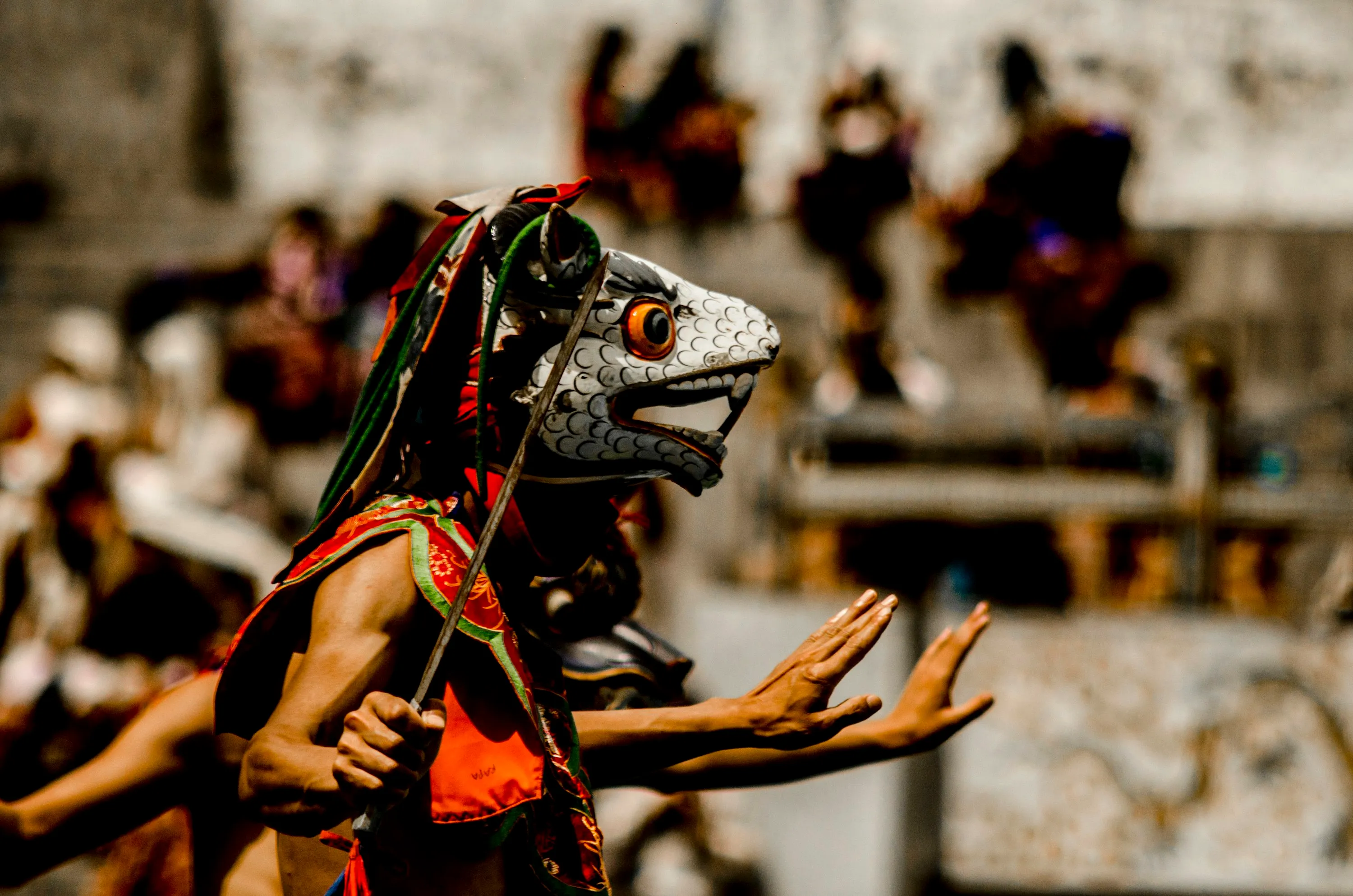
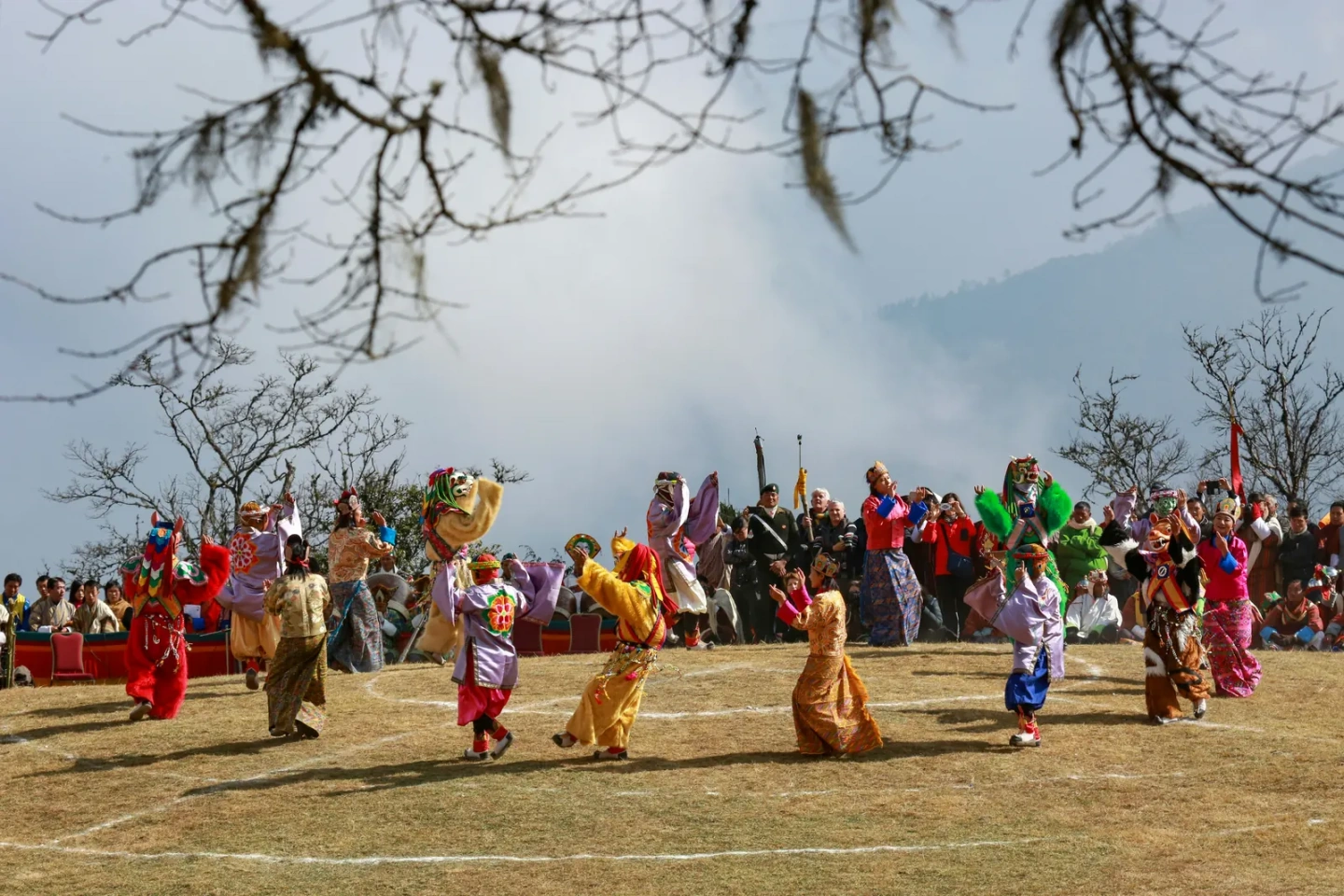
If you enjoy hiking at home, spring and autumn will feel familiar: crisp mornings, mild afternoons and long views. Paro Tshechu (spring) and Thimphu Tshechu (autumn) add a cultural highlight, though their dates follow the lunar calendar and move each year.
Entry Steps for Liechtenstein Nationals
Liechtenstein citizens need a visa for Bhutan. It is applied for online in advance and is usually handled by a licensed Bhutanese tour operator. Our guide notes that approval commonly takes around 72 hours, after which the clearance letter is emailed to you and the visa is stamped on arrival.
- Documents: a passport scan with ample validity and a recent photo.
- SDF: most international visitors pay USD 100 per adult per night. Check the latest rates with the Department of Tourism before booking.
- Insurance: mandatory cover for the full length of your stay in Bhutan.
Swiss francs are not used in Bhutan; the local currency is the ngultrum, pegged to the Indian rupee. ATMs are mostly in towns, so carry some cash.
A practical tip for Vaduz residents: send your passport scan to your operator before buying the Zurich ticket. Confirming the Bhutan dates first, then the long-haul flight, avoids the frustration of an expensive change fee if the Paro connection does not line up with your plans.
How Long to Stay When Leaving from Vaduz
- 5 nights: a compact introduction to Paro and Thimphu.
- 7 to 9 nights: the most popular range, adding central Bhutan and a few gentle walks.
- 10 to 14 nights: time for a festival or a multi-day trek, plus rest days.
Pairing Bhutan with a few days in Bangkok or Kathmandu is a common way to make the most of the long-haul flights.
Vaduz FAQ
Can I fly from St. Gallen-Altenrhein instead of Zurich?
Smaller regional airports have limited long-haul links, so Zurich remains the practical choice for most Bhutan journeys.
Do I need to visit an embassy for the visa?
No. The visa is processed online, typically through your tour operator, and stamped on arrival.
Is one transit really enough?
Often, yes: Zurich to a gateway city, then the flight to Paro. We still recommend an overnight at the gateway.
For a broader overview of routes and seasons for the whole principality, see our main guide, How to Travel to Bhutan from Liechtenstein, then contact us to plan your journey from Vaduz.