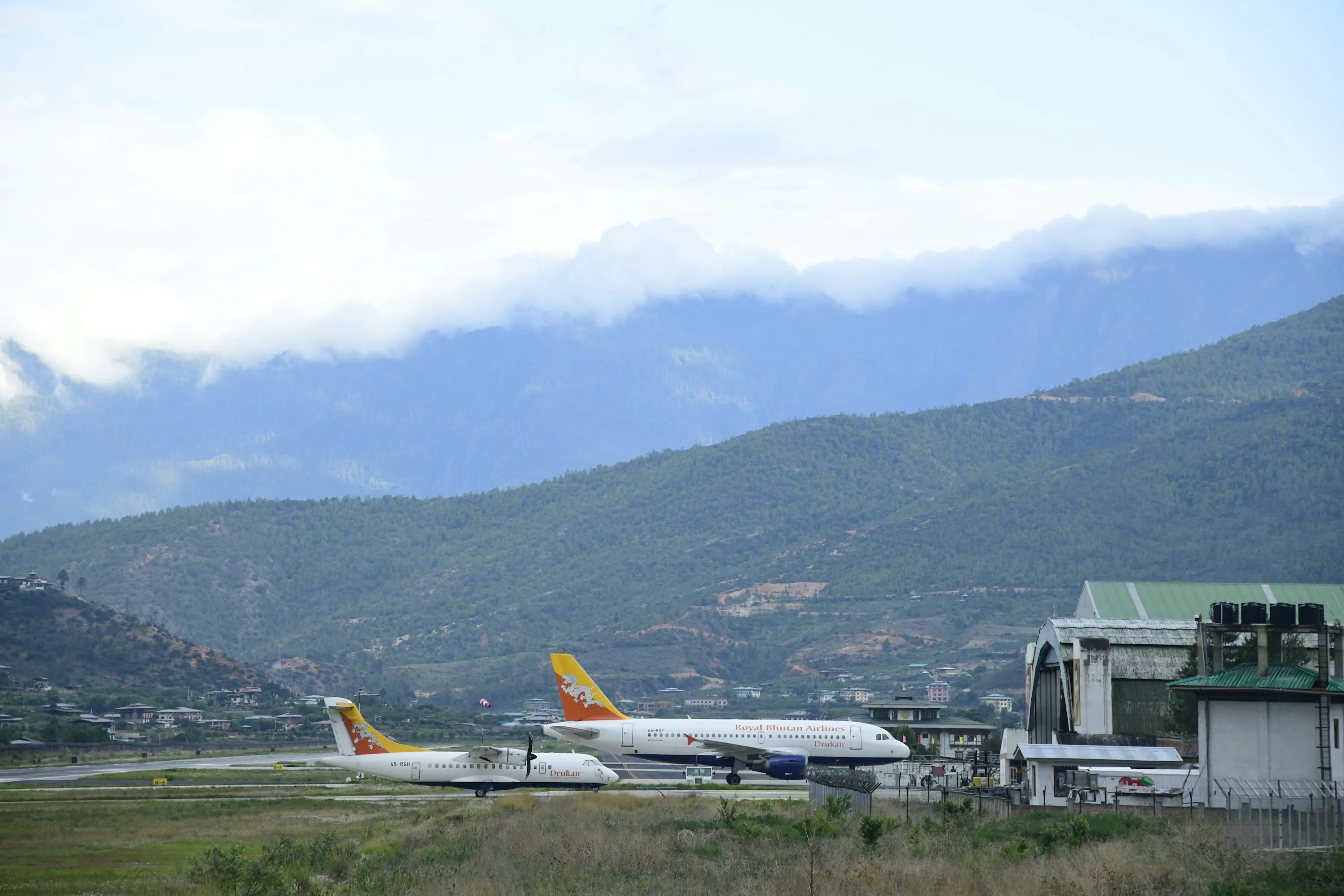
Tashkent is one of the closer capitals to Bhutan in this part of Asia, and the trip can be done in a single long day if connections line up. Tashkent International Airport (TAS), just south of the city centre, is the natural point of departure, with links to the South Asian gateways from which Bhutan's two airlines fly. What follows is a capital-specific companion to our Uzbekistan guide, focused on the logistics of getting from Tashkent to Paro.
The Route at a Glance from Tashkent
Our Uzbekistan guide sets out a typical pattern: fly from Tashkent to Delhi with Uzbekistan Airways or Turkish Airlines, then connect to Drukair (Royal Bhutan Airlines) for Paro. The guide estimates about three to four hours to Delhi, around two to three hours onwards to Paro, and 10 to 15 hours overall once layovers are included.
Alternatives in the guide include:
- Via Bangkok: with Thai Airways or Uzbekistan Airways, then Drukair to Paro.
- Via Kathmandu: with Nepal Airlines, then Bhutan Airlines to Paro.
Only Drukair and Bhutan Airlines fly into Bhutan. Check current schedules for both your first flight and the Bhutanese connection before you pay for anything.
Tashkent Airport Practicalities
The airport is close enough to the centre that most travellers simply take a taxi. Arrive in good time for international check-in, and keep printed copies of your Bhutan visa approval and tour confirmation with you, since they may be checked before you board the Paro flight.
If your Delhi connection is tight, consider whether you would rather spend a night in India. That gives you breathing space if the first sector is late, and it means you start the Himalayan leg rested. Remember that leaving the airport in India requires the correct entry permission for Uzbek passport holders, so check this in advance.
Sample Plan: Breakfast in Tashkent, Dinner in Paro?
In the best case, a same-day transfer is possible. Here is one illustrative version, not a promise. A traveller leaves Tashkent early on a flight to Delhi, has a few hours in transit, then catches an afternoon flight to Paro and reaches the valley by evening. A more relaxed alternative is to spend the night in Delhi and fly into Paro the next morning, when weather in the valley is often more settled.
Our guide recommends planning buffer time, because Paro can close at short notice due to fog or wind. Treat any same-day plan as ambitious rather than guaranteed.
For many Uzbek travellers, the Bangkok option makes sense when they want a holiday within a holiday: a few days in Thailand before or after Bhutan, with the Drukair flight as the link. The Kathmandu route appeals to those keen on Himalayan scenery from both sides of the range. Whichever you choose, our guide suggests aiming for the shoulder seasons to avoid the busiest periods, and booking well in advance through your tour operator so seats on the limited Bhutanese flights are secured.
One Hour Ahead: Time in Bhutan versus Uzbekistan
Uzbekistan uses UTC+5 all year with no daylight saving. Bhutan Standard Time is UTC+6 and also fixed. That puts Bhutan one hour ahead of Tashkent in every month, as our Uzbekistan guide also notes.
In practical terms, jet lag barely registers. You will need to adjust more to altitude than to the clock, so plan easy walking on your first afternoon.
Continental Summers and Bhutan's Monsoon
Tashkent has a strongly continental climate: hot, dry summers and cold winters, with lovely springs and autumns. Bhutan's prime travel periods neatly mirror those shoulder months. Travellers most often choose March to May for spring blossom or September to November for autumn clarity. June to August is monsoon time, with heavy rain and cloud. December to February is cold, though often bright, particularly at height.
Our guide points out that Uzbek travellers accustomed to dry summers may find Bhutan's monsoon humidity challenging. Spring brings Paro Tshechu and autumn brings Thimphu Tshechu, with dates set by the lunar calendar each year.
Visa and Fees for Uzbek Passport Holders
Citizens of Uzbekistan need a Bhutan visa, applied for online in advance. Our Uzbekistan guide notes that a licensed Bhutanese tour operator lodges the application after your itinerary and payments are confirmed.
- Visa: online, before you travel, through your operator.
- SDF: the Sustainable Development Fee is currently USD 100 per adult per night for most international visitors. Please check the latest rates with the Department of Tourism before booking.
- Insurance: cover for the entire duration of your stay is a requirement.
- Transit: check the rules for India, Thailand or Nepal depending on your gateway.
How Long Should You Stay?
Short travel times mean even a brief trip is rewarding from Tashkent.
- Four nights: Paro and Thimphu, with the hike to Taktsang.
- Seven nights: Punakha, Dochula and perhaps Phobjikha.
- Ten nights or more: central Bhutan, a tshechu or a trek.
Keep a spare day at the end in case weather delays the flight out of Paro.
Can I fly via Kathmandu instead of Delhi?
Yes. Our guide mentions Nepal Airlines to Kathmandu followed by Bhutan Airlines to Paro. Compare current schedules.
Will I feel jet lag?
Hardly. Bhutan is just one hour ahead of Tashkent throughout the year.
Is cash necessary?
Some is useful. Bhutan's ngultrum is fixed at par with the Indian rupee, and ATMs are mostly found in the towns.
Read Our Uzbekistan Guide
For complete information on visas, costs and itineraries, read How to Travel to Bhutan from Uzbekistan. Contact us with your dates and we will help shape your Bhutan programme around flights from Tashkent.