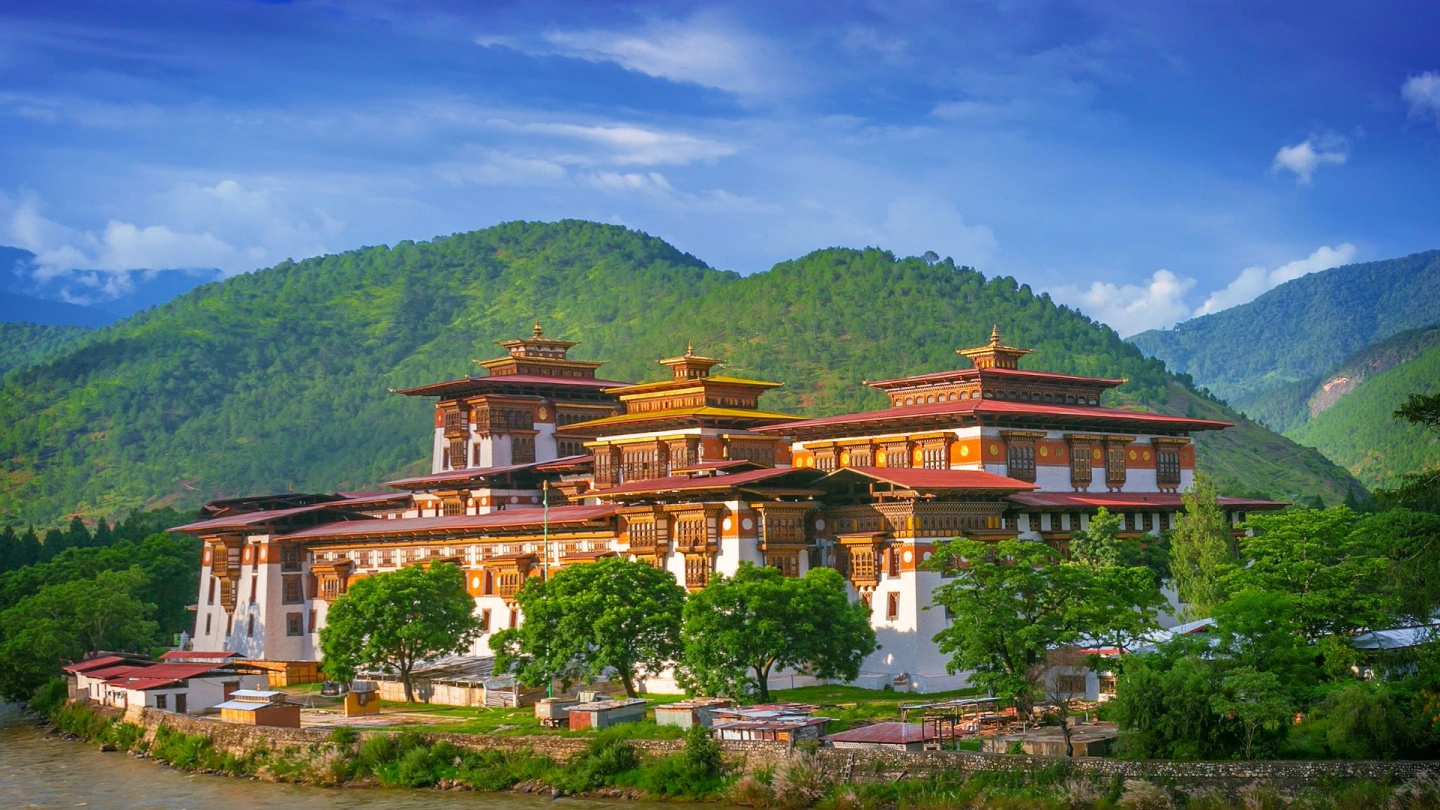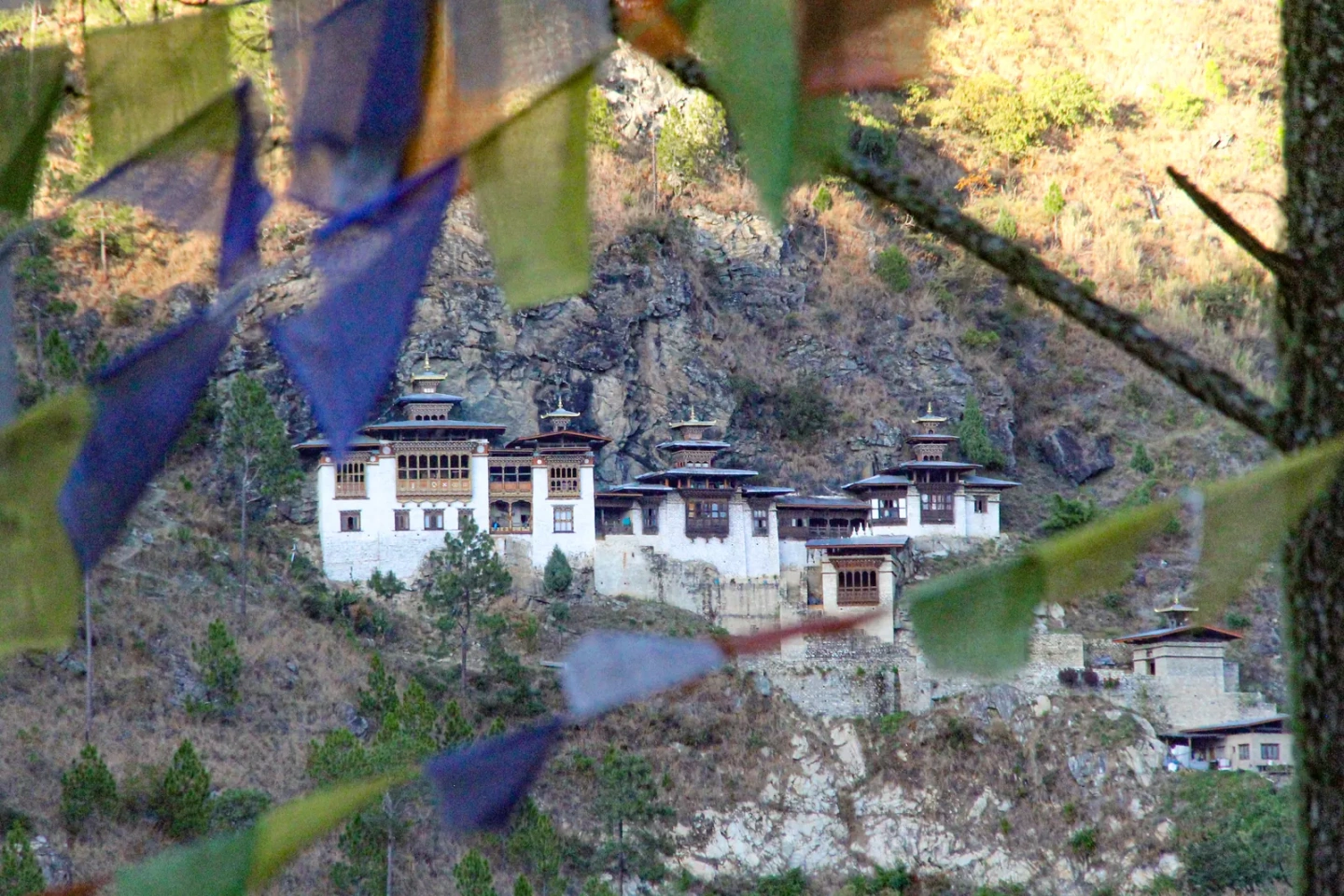
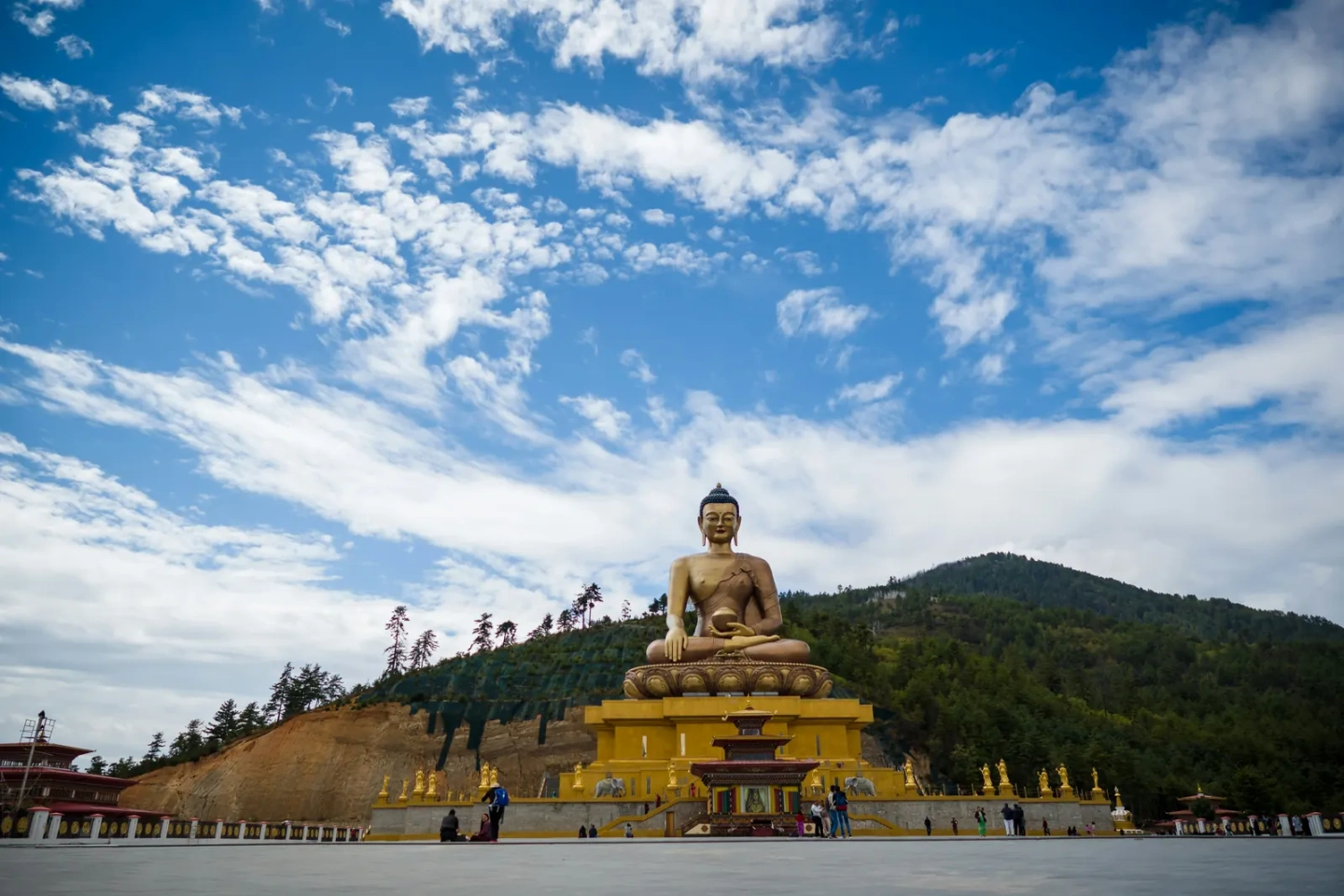





Tallinn's compact Lennart Meri Airport (TLL) sits only a few kilometres from the Old Town, which makes the first stage of a trip to Bhutan refreshingly easy. The rest takes some planning: one European connection, a long-haul flight to Asia and a final hop into Paro with one of Bhutan's own airlines. This guide is written for travellers starting in the Estonian capital and complements our broader Estonia guide.
Lennart Meri Airport and the Road to an Asian Gateway
From central Tallinn, a tram or short taxi ride brings you to the terminal. Because Tallinn has no long-haul links to South Asia, everyone heading for Bhutan connects somewhere in Europe or Turkey first. Our Estonia guide names three typical options:
- Helsinki with Finnair, just across the Gulf of Finland.
- Istanbul with Turkish Airlines.
- Frankfurt with Lufthansa.
Which works best depends on the day you travel and the Asian gateway you are aiming for, so check current schedules for all three before choosing. If you can, keep the whole journey to Asia on one ticket; a missed connection is then the airline's problem to rebook rather than yours. In winter, allow a little extra time for de-icing delays at the Tallinn end, which can squeeze a tight transfer in Helsinki or Frankfurt.
From your European hub, the next aim is one of the cities from which Drukair (Royal Bhutan Airlines) and Bhutan Airlines fly into Paro. For Estonians, the guide highlights Delhi, Bangkok and Kathmandu. These are the only two airlines that serve Bhutan, so your ticket into Paro will be with one of them, usually booked in coordination with your tour operator.
Delhi is often the most direct line from Europe. Bangkok makes sense if you would enjoy a few days in Thailand on the way. Kathmandu lets you combine Nepal and Bhutan in one trip. Our guide suggests a Tallinn to Delhi journey with one stop can take roughly 10 to 12 hours, followed by the short flight to Paro.
One Way the Journey Could Look
As an example only, a traveller might leave Tallinn on an early Finnair flight to Helsinki, connect onto a long-haul service towards Delhi and arrive late the same day or the next morning, depending on timings. After a night's rest near the airport, a morning Drukair flight brings them into Paro, with the Himalaya filling the windows on the approach.
That outline will change with real schedules, so treat it as a template. A deliberate overnight in Delhi or Bangkok gives you a cushion if anything runs late, and if you stay overnight in India or Thailand, confirm the entry rules for Estonian passports first.
From Baltic Time to Bhutan Time
Estonia uses Eastern European Time (UTC+2) in winter and switches to summer time (UTC+3) from late March to late October. Bhutan stays on UTC+6 all year with no daylight saving. In practice, Bhutan is four hours ahead of Tallinn in winter and three hours ahead in summer.
So a spring or autumn trip that straddles the clock change can shift the gap by an hour. Check which period your dates fall in when you arrange calls home or connections.
Weather Back Home and in the Himalaya
Tallinn has long, dark, cold winters and mild, bright summers. Bhutan's most popular seasons are spring (March to May) and autumn (September to November). June to August is the monsoon season, and December to February is cold but usually clear, particularly at altitude.
Estonians will find Bhutan's winter familiar in temperature but brighter, while autumn offers crisp days and festival colour. Paro Tshechu is a spring festival; Thimphu Tshechu takes place in autumn. Both follow the lunar calendar, so their dates change each year.
Visa, SDF and Insurance for Estonian Citizens
Estonian passport holders need a Bhutan visa, applied for online ahead of travel and usually arranged through a licensed Bhutanese tour operator. The steps are simple once you know them:
- Agree your itinerary and dates with your operator.
- Provide your passport details so the online visa application can be submitted.
- Allow for the Sustainable Development Fee, currently USD 100 per adult per night for most international visitors. Check the latest rates with the Department of Tourism before booking.
- Arrange travel insurance that covers your full stay; this is required for visitors.
Estonians follow the same process as other international visitors, so there is no separate route to learn.
How Many Days to Spend in Bhutan
From Tallinn, the travel time is moderate by long-haul standards, which gives you some flexibility.
- Five nights: Paro and Thimphu, including the walk to Taktsang Monastery.
- Eight nights: adds Punakha and the Phobjikha valley.
- Eleven nights or more: time for Bumthang, a festival or a trek.
Weather can delay flights in and out of Paro, where the approach is visual-only, so a buffer day before your return connection is wise.
Your Tallinn Questions Answered
Is Helsinki the easiest connection?
It is often convenient, but Istanbul and Frankfurt also work. Compare current schedules for your travel dates.
Can I add Nepal on the way?
Yes. Kathmandu is one of the gateways to Paro, so a few days in Nepal fit naturally into the route.
What currency should I take?
Bhutan uses the ngultrum, pegged 1:1 to the Indian rupee. ATMs exist mainly in towns, so bring some cash.
Next Steps from Estonia
For full details on visas, costs and itineraries for Estonian travellers, read How to Travel to Bhutan from Estonia. Then tell us your preferred dates, and we will help match your Bhutan programme to flights from Tallinn.