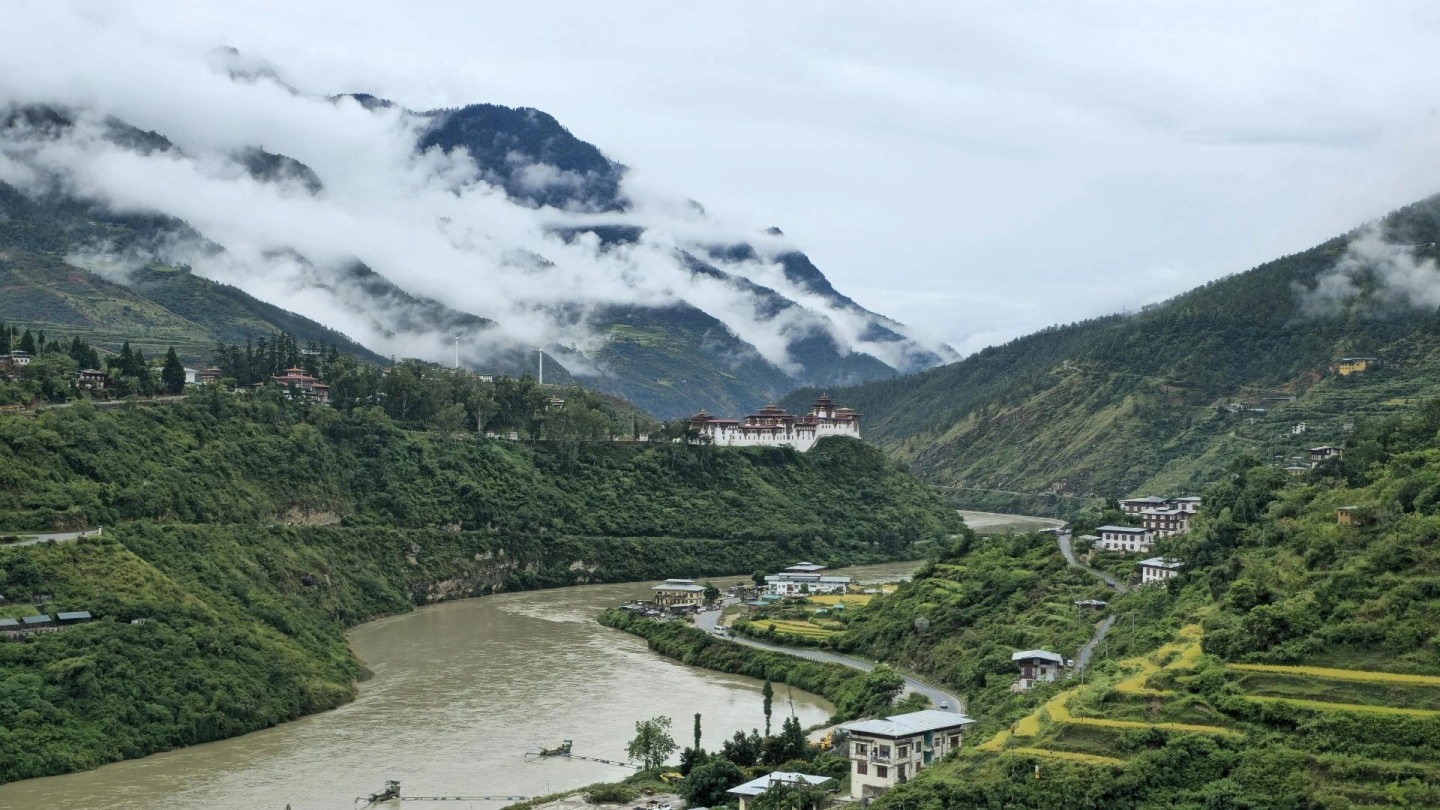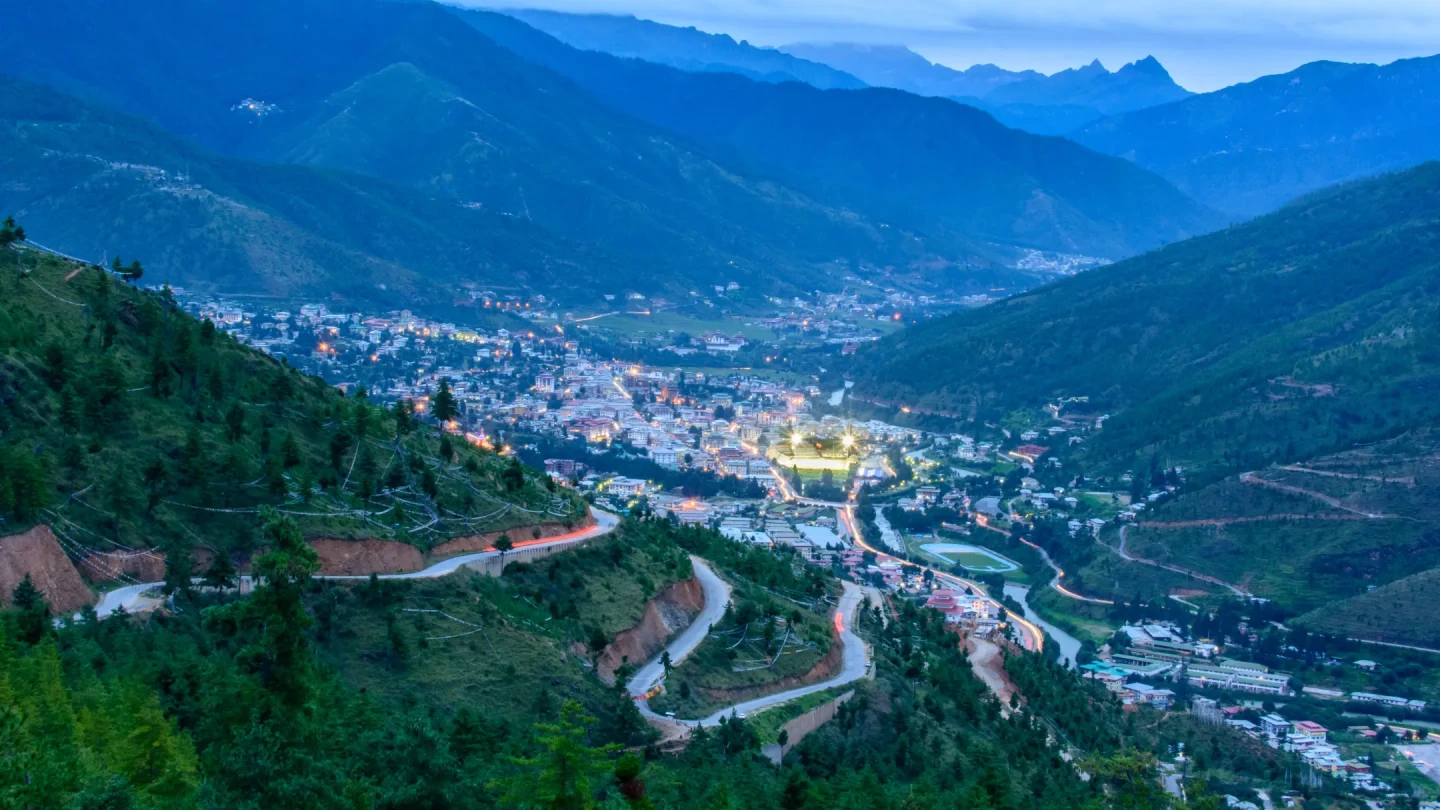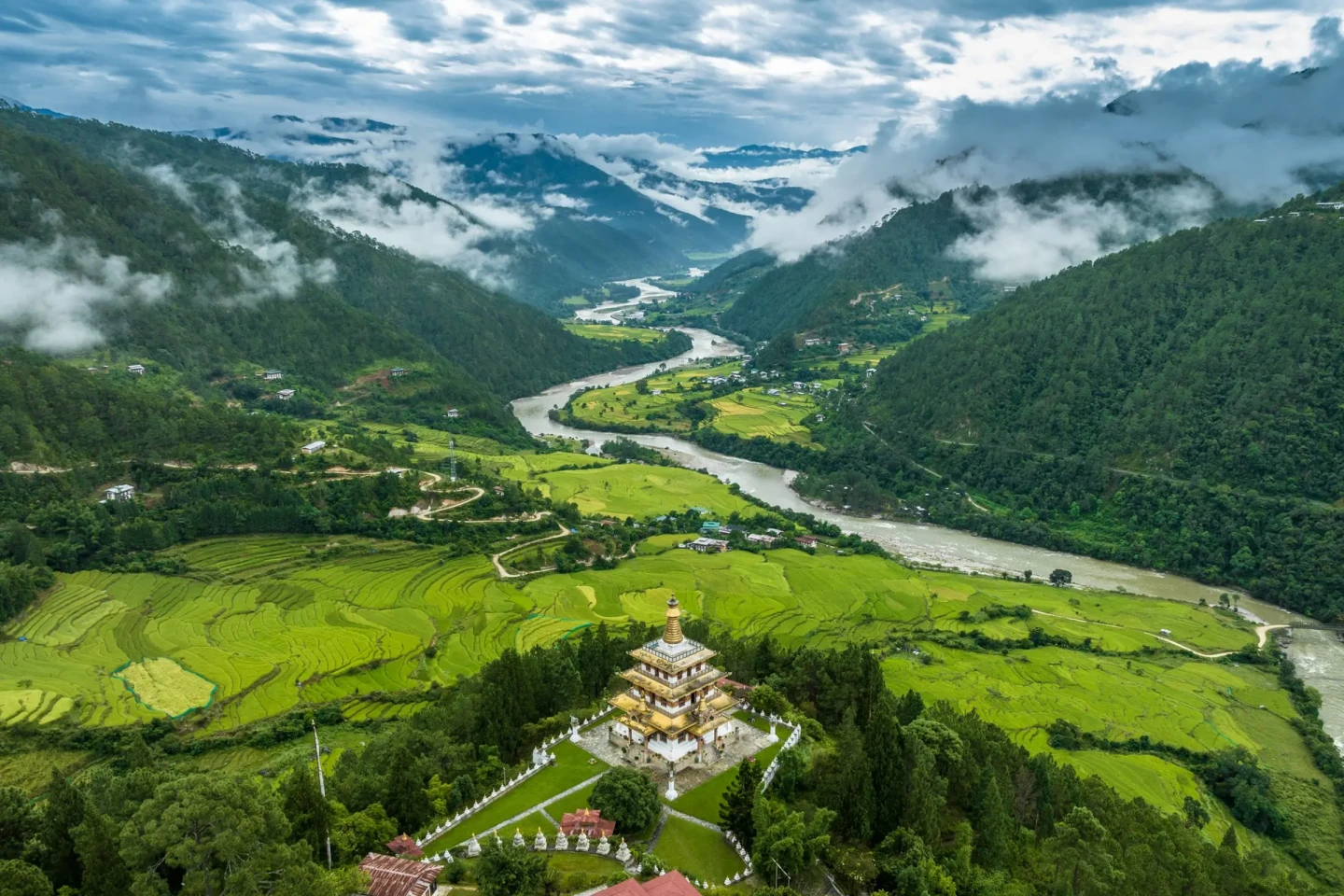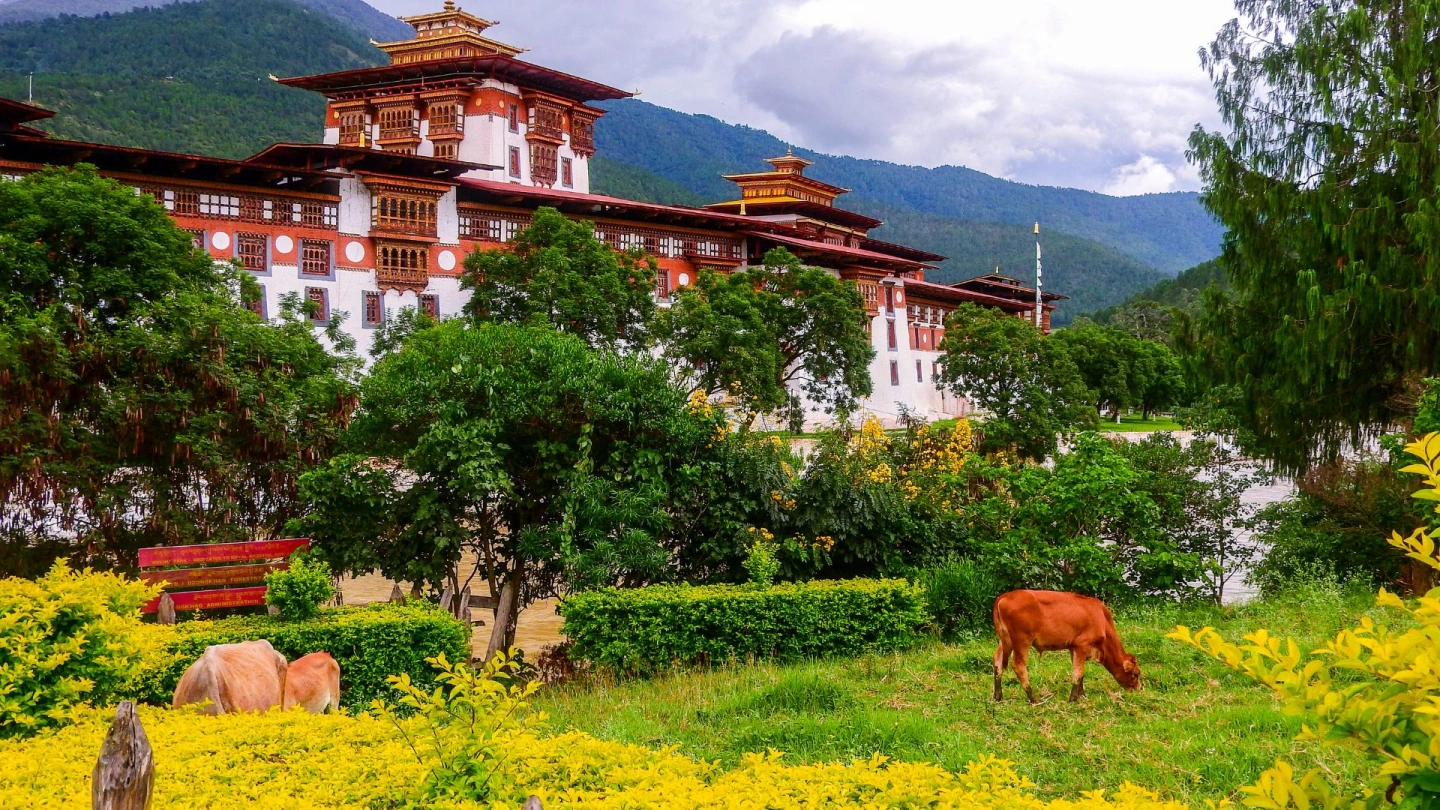





Seoul’s main international gateway, Incheon International Airport (ICN), lies on reclaimed land west of the city and links the Korean capital to much of Asia. For South Koreans planning a journey to Bhutan, it offers one of the more straightforward routes, with Bangkok as the usual stepping stone. There is no direct flight from Seoul to Bhutan, but with a single well-planned connection you can be in the Himalayas within a couple of days. This page focuses on travel from the capital.
Incheon and the First Flight South-West
Most Seoul residents reach Incheon by the airport railway or limousine bus. Our South Korea guide notes that you can fly Korean Air or Asiana Airlines to Bangkok’s Suvarnabhumi Airport, then connect with Drukair or Bhutan Airlines for the final leg. Check current schedules for both the Bangkok flight and the Paro sector, as these need to dovetail.
Travellers from Busan can follow the same pattern, though our guide is written mainly with the capital in mind.
Bangkok, Delhi or Kathmandu as the Gateway
According to our South Korea guide, the most common routes from Korea transit via Bangkok, Delhi or Kathmandu. Bangkok is usually the most convenient from Seoul, being directly on the way. Delhi and Kathmandu are worthwhile if you want to combine Bhutan with India or Nepal.
- Bangkok: Korean Air or Asiana from Incheon, then Drukair or Bhutan Airlines to Paro.
- Delhi: an option if you are adding time in India.
- Kathmandu: a good fit for a Nepal and Bhutan combination.
Drukair (Royal Bhutan Airlines) and Bhutan Airlines are the only airlines flying into Bhutan, landing at Paro International Airport, the country’s only international gateway. Our South Korea guide notes that these airlines often operate just a few times weekly on a route, so booking well ahead is important.
Seoul to Paro: A Two-Day Example
Here is an illustration of how the trip might look; actual timings will vary. You fly from Incheon to Bangkok in the evening and check into a hotel near Suvarnabhumi on arrival. Early the next morning you board your Drukair or Bhutan Airlines flight, watching for the Himalayan range as the plane approaches. You land in Paro, meet your guide, and begin with a relaxed afternoon in the valley.
Paro’s approach is surrounded by steep mountains and subject to weather-related delays, especially in the monsoon, as our South Korea guide points out. The overnight in Bangkok is your buffer, and we recommend keeping it on the return journey too.
Seoul Time vs Bhutan Time
South Korea uses Korea Standard Time (UTC+9) all year, without daylight saving, while Bhutan uses UTC+6, also with no clock changes. Bhutan is three hours behind Seoul. When it is 9am in Seoul, it is 6am in Paro.
Flying west, you gain three hours, which most people find easy. Expect to wake early for the first few days, a pleasant side effect when Bhutan’s mornings are often the clearest part of the day.
Korea’s Four Seasons and Bhutan’s
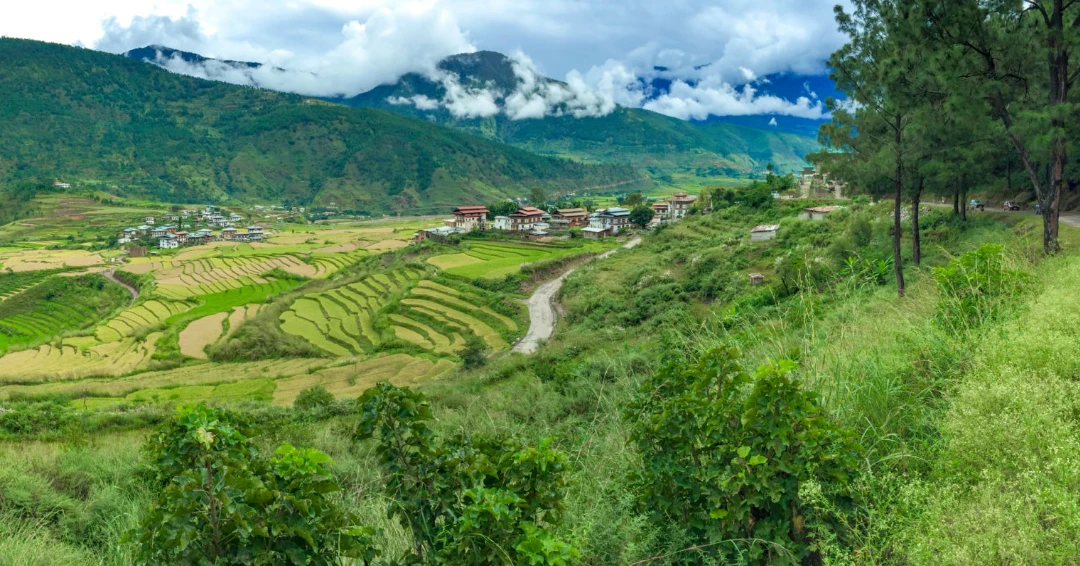
Seoul has sharply defined seasons: a humid summer with a rainy spell, cold, dry winters, and short, beautiful springs and autumns. Bhutan has a similar four-season rhythm but at higher altitude. Spring (March to May) and autumn (September to November) are its most popular times. Summer (June to August) brings the monsoon, and winter (December to February) is cold but clear, especially in the mountains.
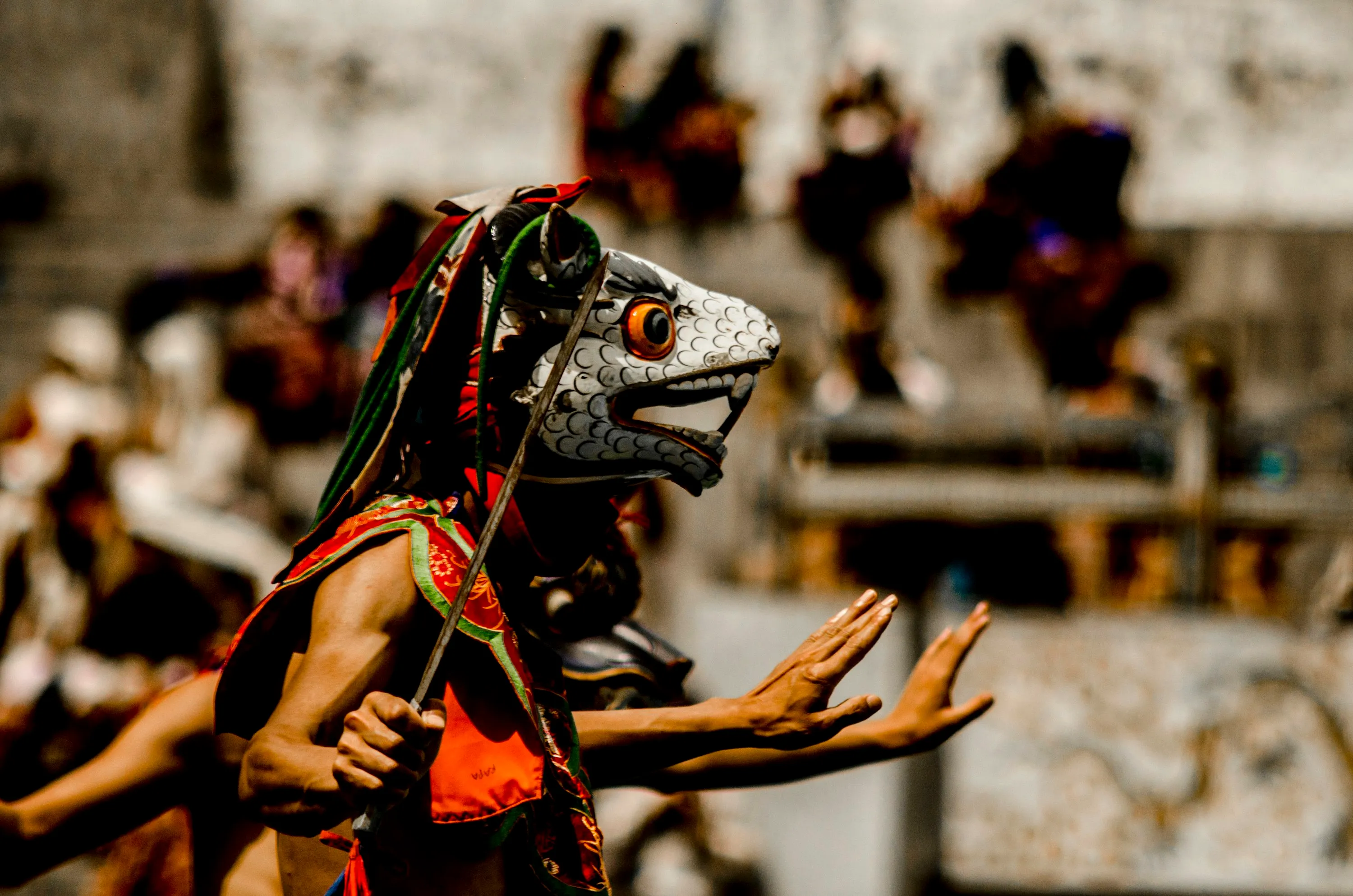
Korean travellers will find the pattern familiar: Bhutan’s spring and autumn mirror the seasons many Seoulites already love. Autumn in Bhutan coincides with the Chuseok period in some years, which can make it a convenient time to travel. Paro Tshechu falls in spring and Thimphu Tshechu in autumn, with dates that follow the lunar calendar.
Paperwork for South Korean Passport Holders
South Korean nationals need a Bhutan visa, applied for online in advance and usually arranged through a licensed Bhutanese tour operator. Our South Korea guide notes that approval usually takes about 72 hours, after which the visa is issued electronically and presented on arrival in Paro.
The Sustainable Development Fee is currently USD 100 per adult per night for most international visitors, and it is sensible to check the latest rates with the Department of Tourism before you book. Insurance covering the full stay is required. The ngultrum, pegged to the Indian rupee, is Bhutan’s currency; ATMs are mostly found in towns, so carry some cash, as card acceptance can be limited outside them.
Trip Lengths for Travellers from Seoul
Because the journey from Seoul is comparatively short, even a compact trip works well. Four nights covers Paro and Thimphu, ideal for a long weekend extended with annual leave. Six or seven nights adds Punakha and the Dochula pass. Ten nights or more allows central Bhutan, a festival or a trek.
Seoul Travellers’ Questions
What is the simplest route from Seoul?
Korean Air or Asiana from Incheon to Bangkok, then Drukair or Bhutan Airlines to Paro, as described in our South Korea guide.
Do I need a stopover in Bangkok?
It is strongly recommended, both for timing and as a buffer against weather delays at Paro.
How far ahead should I book?
Well in advance, particularly for spring and autumn, as Bhutan’s airlines operate limited weekly frequencies.
For a wider look at visas, routes and itineraries for Korean travellers, read How to Travel to Bhutan from South Korea. We would be glad to plan your journey from Seoul.