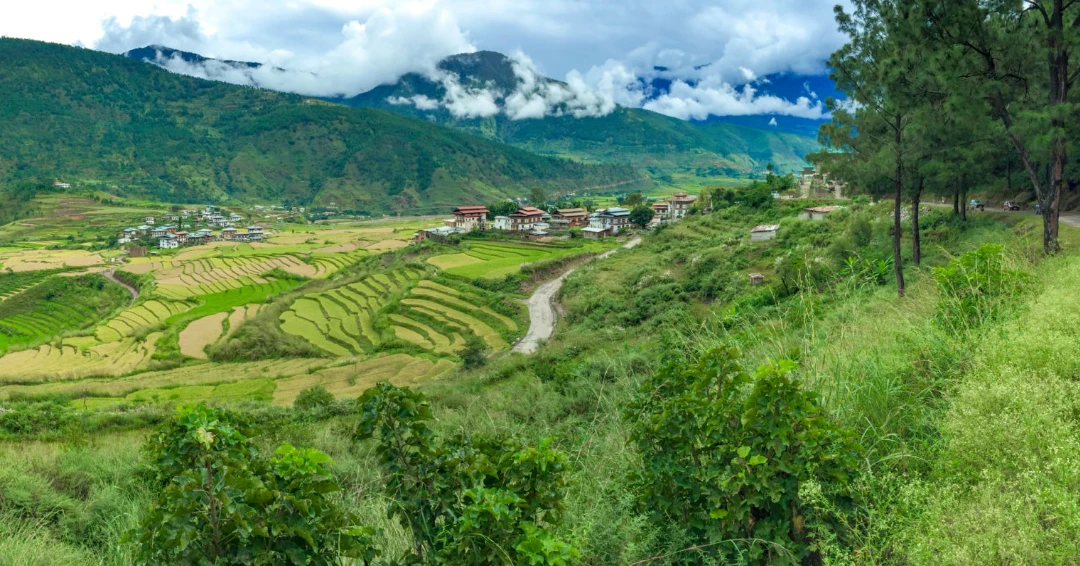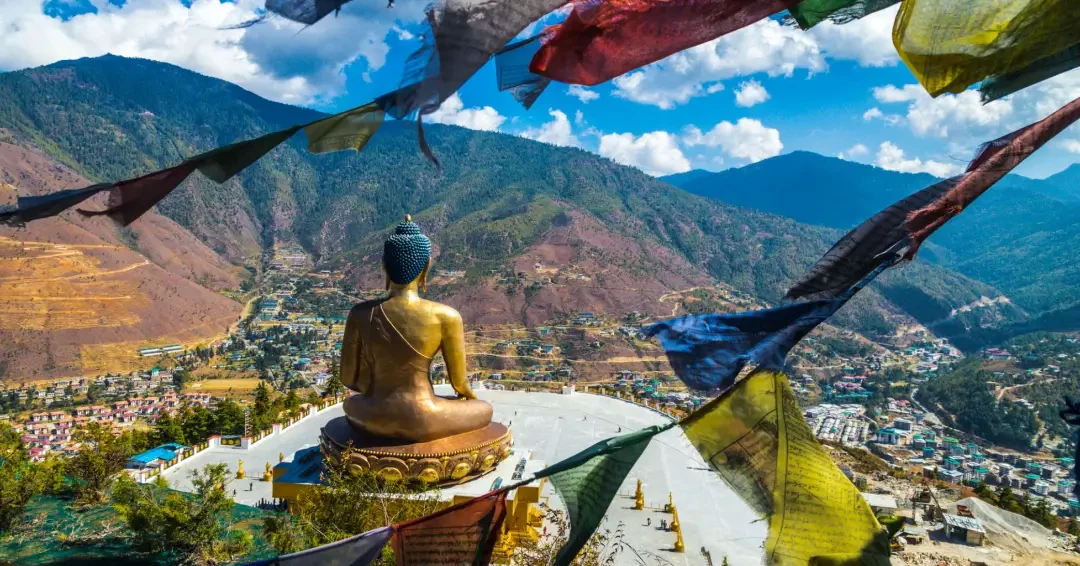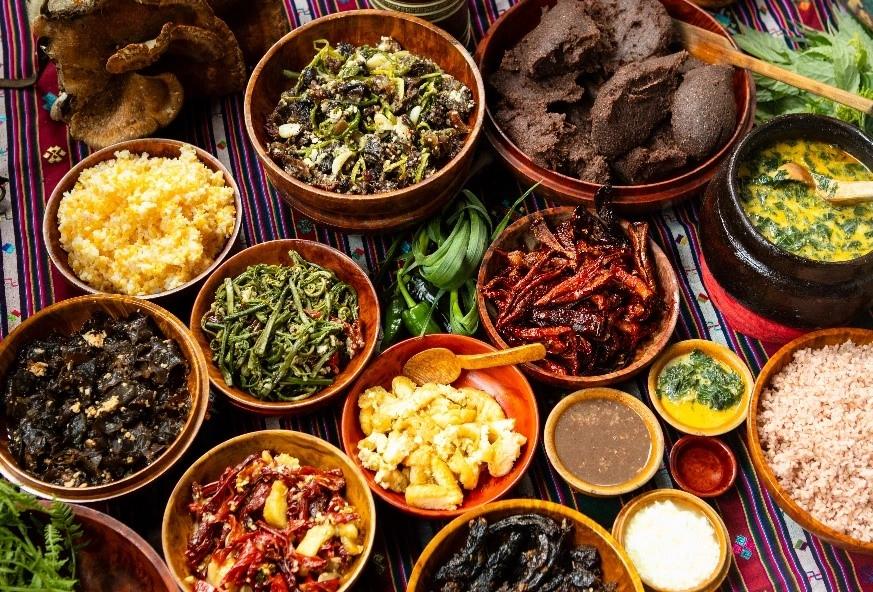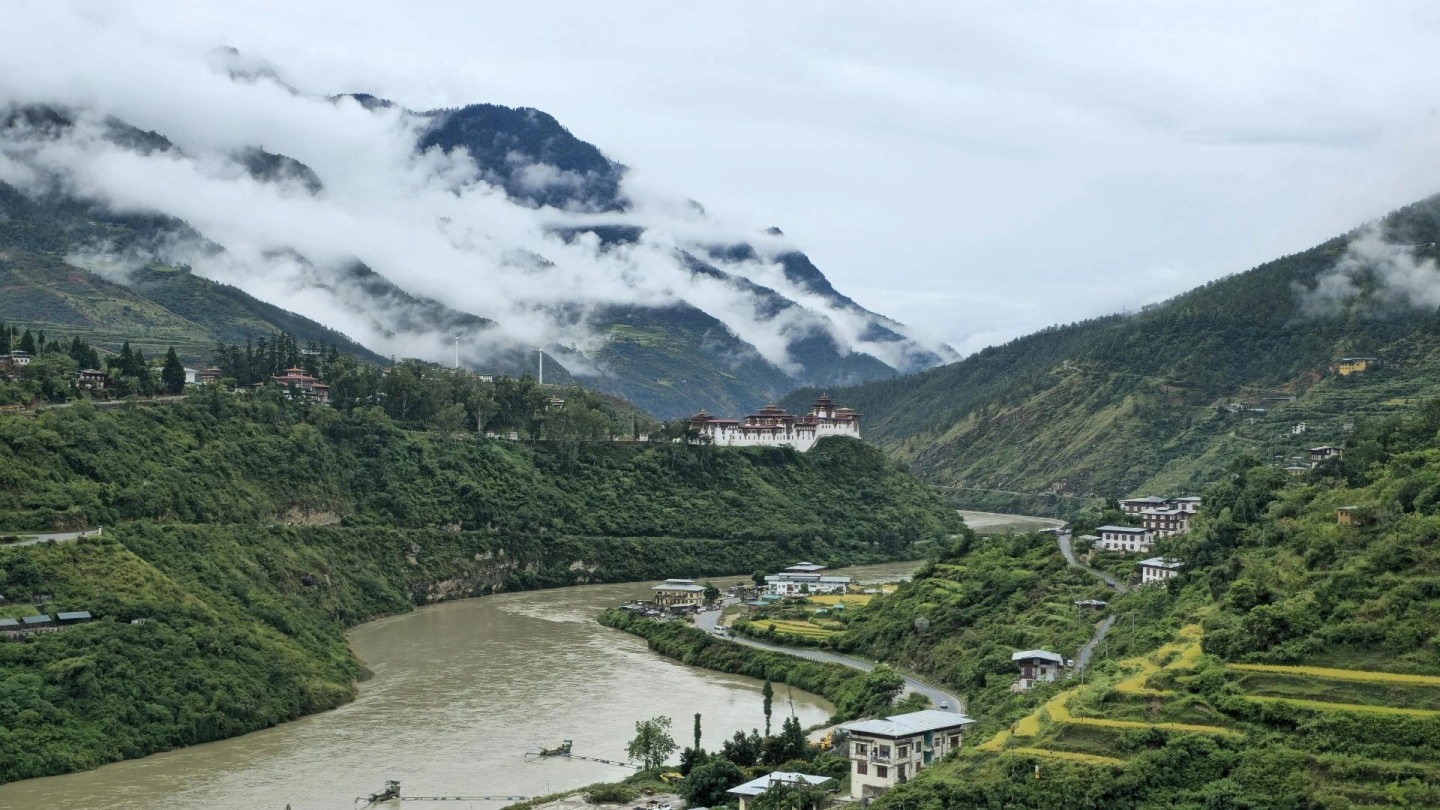


Iceland and Bhutan are both lands shaped by dramatic landscapes, and travellers from Reykjavik often feel at home among Bhutan's mountains and valleys. The journey, however, needs some planning. International flights leave from Keflavik International Airport (KEF) on the Reykjanes peninsula, a drive from the capital, and the route usually involves two connections: one in Europe, then another in Asia before the final flight into Paro. This page explains how the trip typically works from Reykjavik, complementing our complete guide for Icelandic travellers.
Keflavik and the First Hop to Europe
There are no direct flights between Iceland and Bhutan. Paro International Airport (PBH) is Bhutan's only international airport, and only Drukair (Royal Bhutan Airlines) and Bhutan Airlines fly into it.
Our Iceland guide explains that travellers typically begin with Icelandair or SAS, flying from Keflavik to a European gateway such as Frankfurt, London or Copenhagen. Allow time for the transfer from Reykjavik to Keflavik, and check current schedules, as winter and summer timetables can be quite different.
The Long-Haul Middle Section
From Europe, the guide lists onward flights to Delhi, Bangkok or Kathmandu with airlines such as Lufthansa, British Airways or Qatar Airways. Then comes the final leg to Paro on Drukair or Bhutan Airlines.
- Frankfurt to Delhi: a natural pairing with Lufthansa.
- London to Delhi or Bangkok: with British Airways or other carriers.
- Via Doha: Qatar Airways connects to all three Asian gateways.
Our guide notes that Drukair's seasonal timetables may offer more frequent flights from Delhi than from Bangkok, so check which gateway gives the best fit. Total travel time is typically 15 to 25 hours depending on layovers.
Reykjavik to Paro: A Sample Two-Stop Journey
To illustrate, and without promising a timetable, you might take the airport bus from Reykjavik in the morning and fly from Keflavik to Copenhagen. After connecting to a long-haul flight to Delhi, you arrive the next morning and rest at an airport hotel for a night. The following morning you board a Drukair flight to Paro, where your guide meets you. It is a long trip, so breaking it into stages makes a big difference to how you feel on arrival.
Our guide recommends flexible tickets and buffer days in transit cities. Since Paro's approach is visual-only and weather can delay flights, that advice applies on the return too.
Six Hours Ahead of Reykjavik, All Year
Iceland keeps Greenwich Mean Time, UTC+0, all year and does not use daylight saving. Bhutan keeps UTC+6, also without seasonal changes. As a result, Bhutan is always six hours ahead of Reykjavik. When it is 9am on Laugavegur, it is 3pm in Thimphu.
A six-hour shift is significant, but because neither country changes its clocks, it is easy to calculate. Rest in your transit city, then plan an easy first afternoon in Paro. Many Icelandic travellers find that adjusting their sleep by an hour or two in the days before departure softens the change, particularly when the route includes an overnight long-haul flight.
Midnight Sun, Winter Darkness and Bhutan's Year
Reykjavik has a cool, windy, changeable climate, with long, light summer days and short, dark winter ones. Bhutan's travel calendar is centred on spring (March to May) and autumn (September to November), which see the most visitors. Summer, from June to August, is the monsoon season, while winter, December to February, is cold but often clear and bright, especially at altitude.
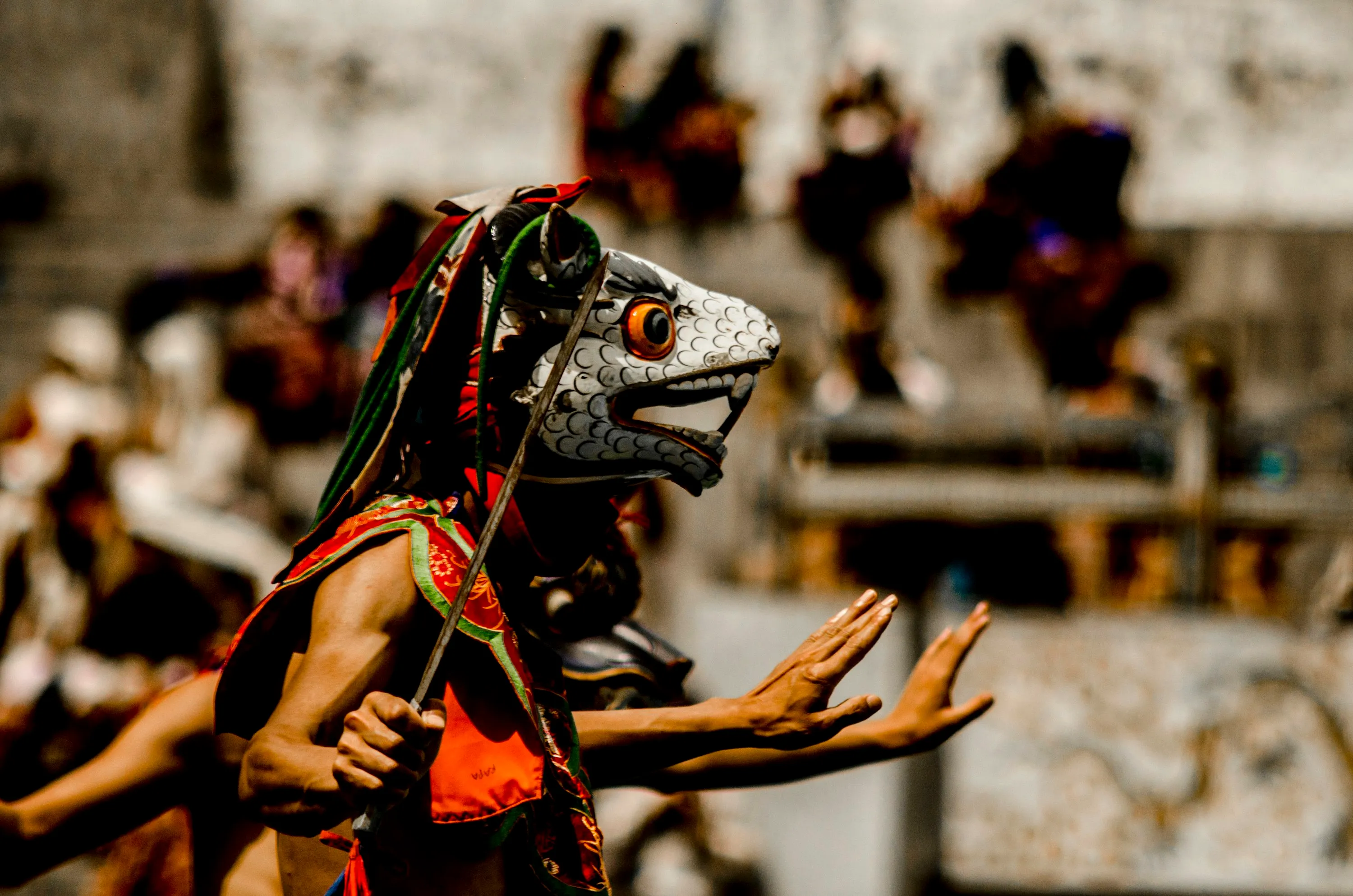
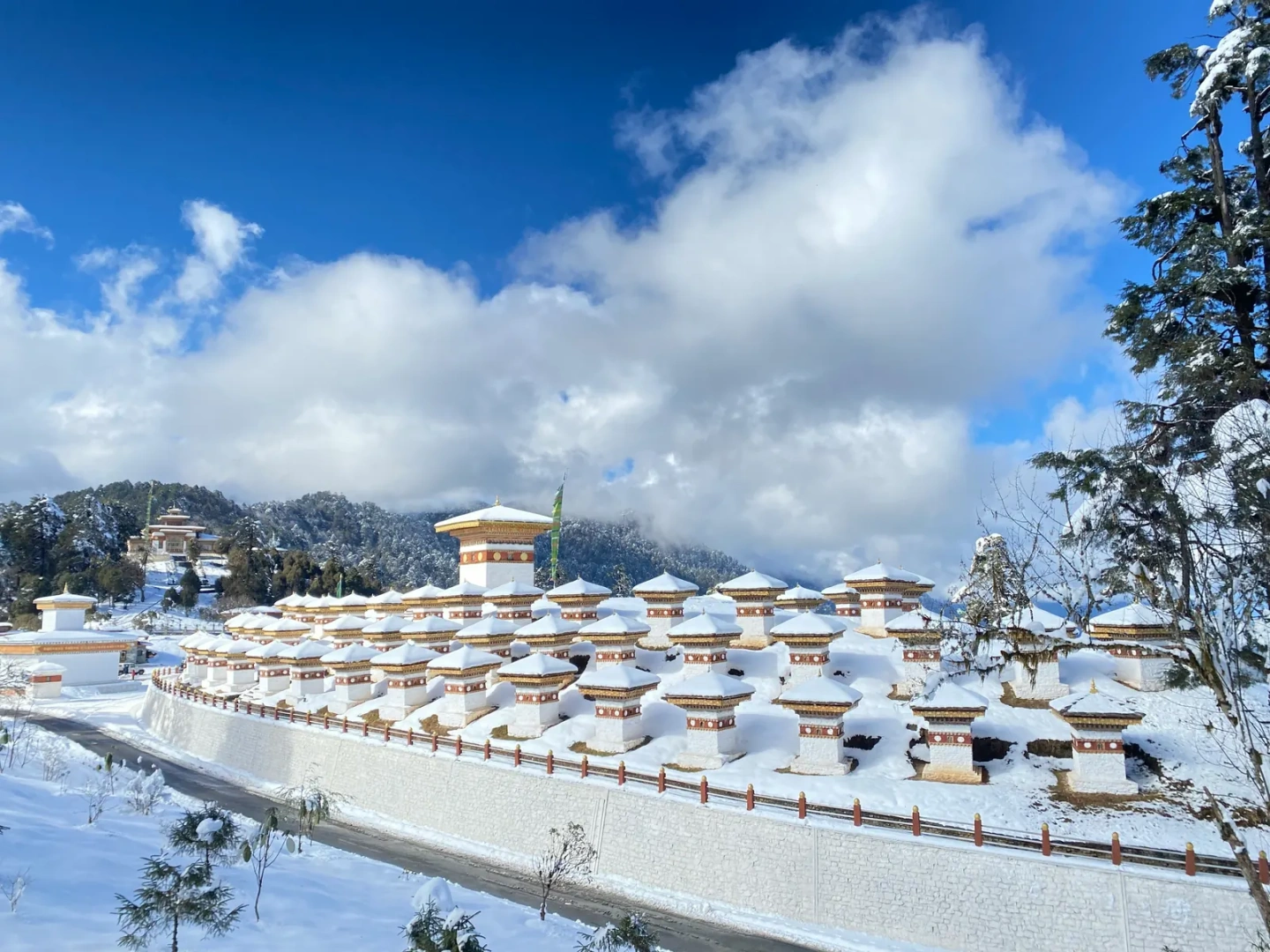
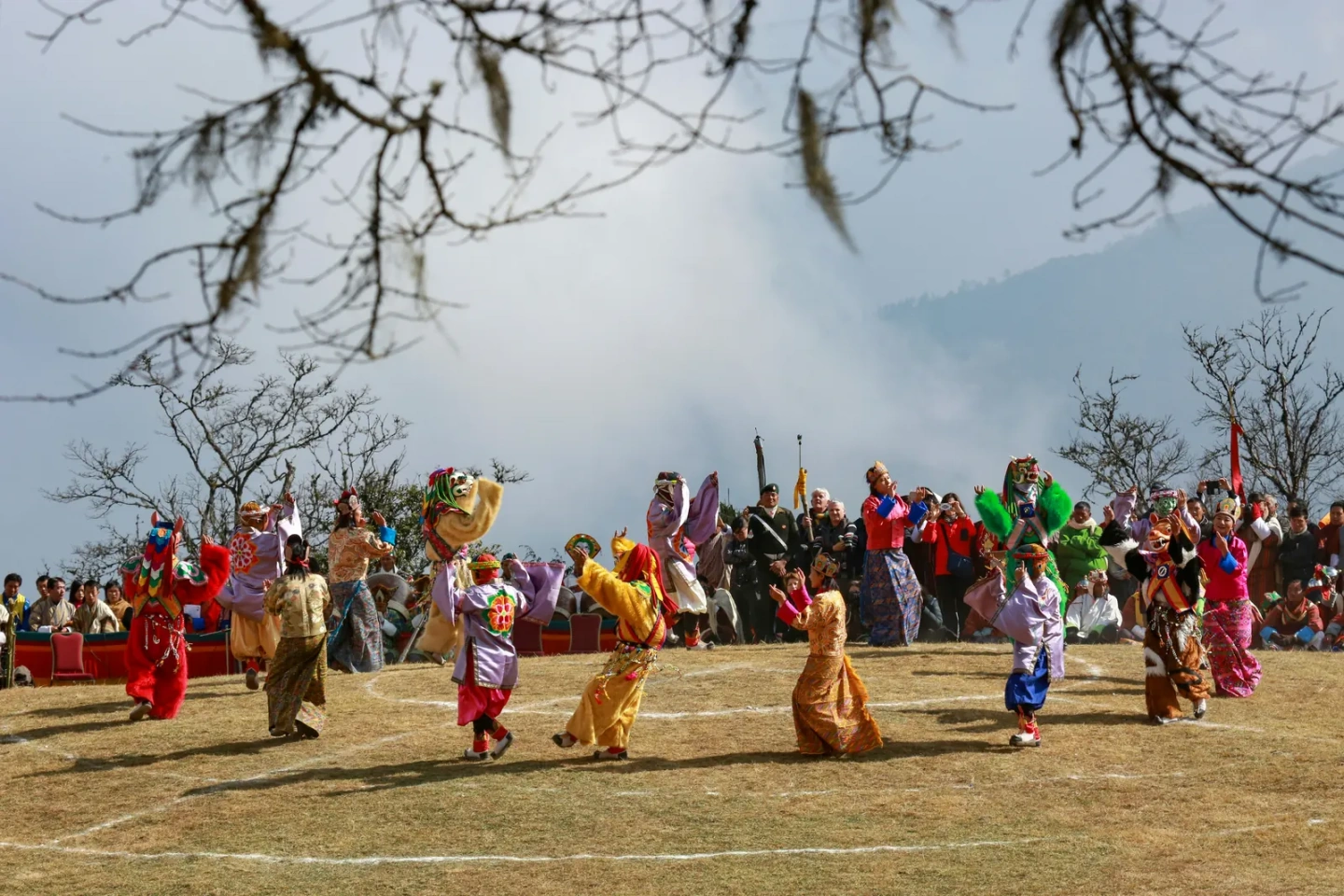
For Icelanders, Bhutan's autumn is an appealing way to escape the shortening days, and it usually includes the Thimphu Tshechu. Spring, with the Paro Tshechu, is equally attractive. Both festivals follow the lunar calendar, so dates move each year. A winter visit may surprise you with how much sunshine there is, though nights are cold.
Entry Checklist for Icelandic Citizens
Icelandic passport holders need a Bhutan visa, applied for online in advance and usually arranged through a licensed Bhutanese tour operator. Our Iceland guide recommends coordinating your arrival with your operator so that flights and visa clearance line up neatly.
The Sustainable Development Fee is currently USD 100 per adult per night for most international visitors, including Icelanders. Check the latest rates with the Department of Tourism before booking, as government fees can change. Travel insurance that covers your whole stay is required; given the number of connections, a policy that covers delays is worth considering.
The ngultrum (BTN) is Bhutan's currency, pegged 1:1 to the Indian rupee. Unlike in Iceland, where cards work almost everywhere, cash is useful in Bhutan, and ATMs are mainly found in towns.
Making the Most of the Distance
- 7 nights: the minimum we would suggest from Reykjavik, focused on Paro and Thimphu.
- 9 to 12 nights: a fuller trip with time to recover from travel and explore further.
- 13 nights or more: ideal for trekking, festivals, or adding Nepal or Thailand.
Travellers from Akureyri or elsewhere in Iceland should factor in the journey to Keflavik as well. Spending the night before departure near the airport is a common, low-stress approach, especially in winter when road conditions on the peninsula can change quickly.
Questions from Reykjavik
How many flights does it take to reach Bhutan from Iceland?
Typically three: Keflavik to a European hub, then to an Asian gateway, then on to Paro.
Does the time difference change during the year?
No. Neither Iceland nor Bhutan changes its clocks, so Bhutan is always six hours ahead.
Which European hub is best?
Frankfurt, London and Copenhagen all work. The best choice depends on current schedules and the connections available on your dates.
For full visa steps, SDF details and itineraries for Icelandic travellers, read our main guide: How to Travel to Bhutan from Iceland. We are happy to plan the full journey with you.