




Podgorica Airport (TGD), a short drive south of the capital, is the main departure point for Montenegrins heading to Bhutan. In the summer, some travellers also use Tivat Airport on the coast. There are no direct flights to Bhutan, but the route from Podgorica is relatively compact, with a well-used connection through Istanbul. This page explains how a trip from Montenegro’s capital usually works.
Podgorica Airport and the Hop to Istanbul
From central Podgorica, the airport is only a few minutes by road. Our Montenegro guide gives a typical itinerary: fly Turkish Airlines from Podgorica to Istanbul, then onward to Delhi, and finally take Drukair to Paro. Other transit points mentioned in our guide include Doha, Bangkok and Kathmandu. Check current schedules, since frequencies from Podgorica and Tivat vary by season.
Istanbul, Doha and the Asian Gateways
From Istanbul or Doha, you continue to an Asian gateway. Only Drukair (Royal Bhutan Airlines) and Bhutan Airlines fly into Bhutan, landing at Paro International Airport, the country’s only international airport.
- Delhi: reached from Istanbul with Turkish Airlines, a common choice.
- Kathmandu: appealing if you want to add Nepal.
- Bangkok: suitable for a longer Asian itinerary.
Our Montenegro guide notes a realistic total travel time of 15 to 25 hours depending on layovers. We suggest adding a night’s rest in the Asian gateway before the Paro flight.
The relatively short distance gives Montenegrin travellers some flexibility. You could fly out via Delhi and return via Kathmandu, spending a few days in Nepal on the way home, or combine Bhutan with Bangkok for a beach finish. We can book the Drukair or Bhutan Airlines sectors to suit an open-jaw plan, and match them to your long-haul tickets via Istanbul or Doha. If you are travelling in summer, compare departures from Tivat as well, since the coastal airport sometimes offers more convenient timings.
An Example Trip from Podgorica
For illustration only: you take an afternoon Turkish Airlines flight from Podgorica to Istanbul and connect overnight to Delhi. On arrival, you check into a hotel near the airport and rest. The next morning you fly Drukair or Bhutan Airlines to Paro, where your guide meets you and takes you to your hotel.
The approach to Paro is surrounded by steep mountains and requires specially trained pilots, as our Montenegro guide explains, and weather can cause delays. The Delhi night is a simple safeguard for the start of your tour.
Podgorica to Bhutan: Time and Daylight Saving
Montenegro uses Central European Time (UTC+1) in winter and Central European Summer Time (UTC+2) from late March to late October. Bhutan uses UTC+6 all year, with no daylight saving. So Bhutan is five hours ahead of Podgorica in winter and four hours ahead in summer. At noon in Podgorica in January, it is 5pm in Paro; in July, it is 4pm.
Remember that the gap changes when Montenegro’s clocks go forward or back, which matters if you are travelling around the end of March or October. Either way, the shift is modest, and most travellers adjust within a day or two.
Mediterranean Summers and Himalayan Seasons
Podgorica has hot, dry summers and mild, wet winters, while the mountains of northern Montenegro see real snow. Bhutan’s seasons follow their own pattern. Spring, March to May, and autumn, September to November, are when visitors typically arrive. June to August is the monsoon, and December to February is cold yet clear, especially higher up.
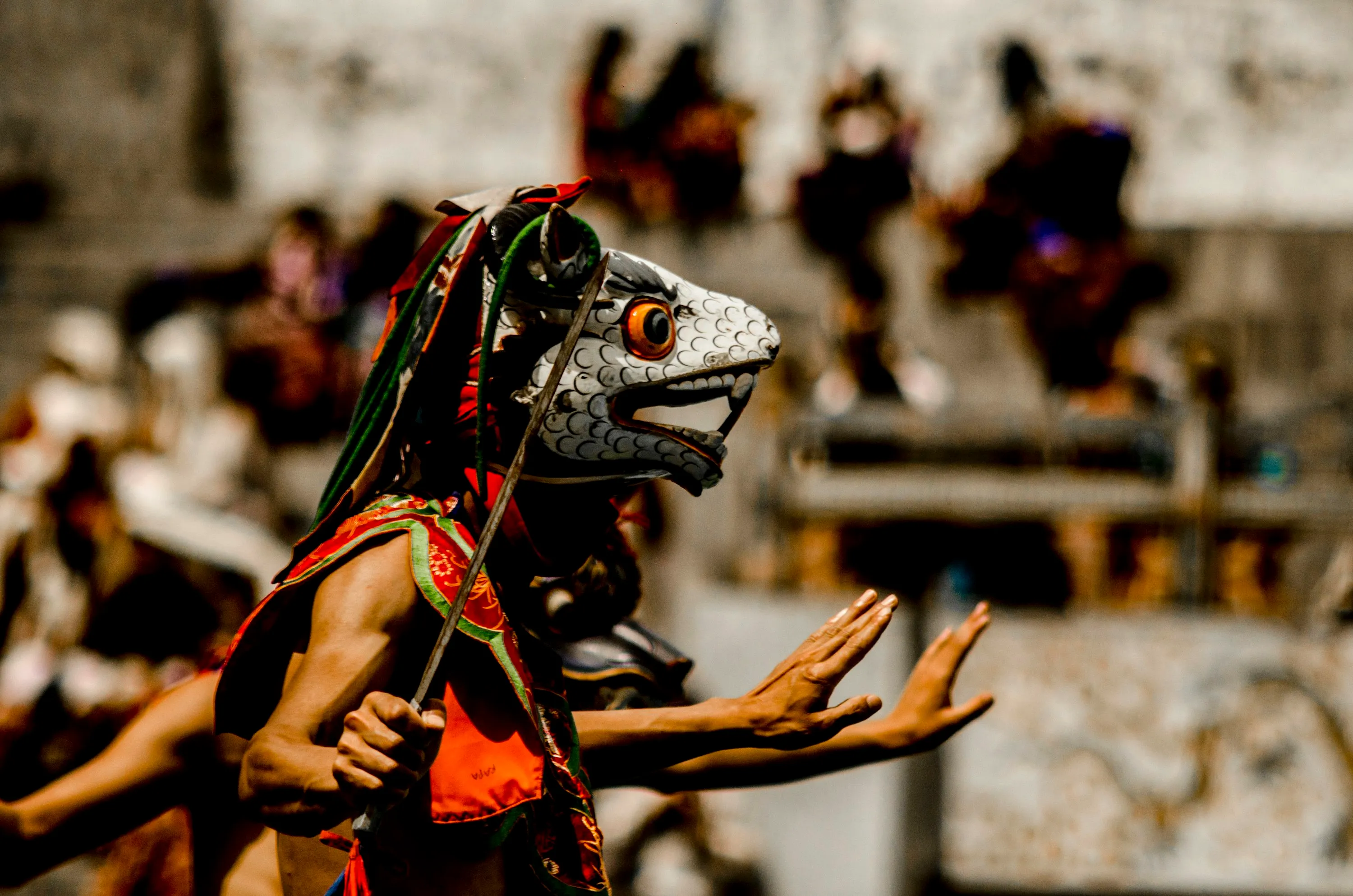
Our Montenegro guide notes that delays are more likely during the summer monsoon. For Montenegrins, Bhutan’s autumn is a pleasant way to extend the year after the coastal summer ends, while spring offers flowering rhododendrons and Paro Tshechu. Thimphu Tshechu takes place in autumn; both follow the lunar calendar.
Entry Steps for Montenegrin Citizens
Montenegrin nationals need a Bhutan visa, applied for online in advance and usually arranged through a licensed Bhutanese tour operator. Once approved, your operator provides a visa clearance letter, which is presented at Paro, where the visa is stamped into your passport.
For most international visitors, the Sustainable Development Fee stands at USD 100 per adult per night right now; verify the latest rates with the Department of Tourism before booking. Travel insurance covering your whole stay is required. In Bhutan you will pay in ngultrum, which is pegged to the Indian rupee; cash points are largely confined to towns.
Trip Lengths for Montenegrin Travellers
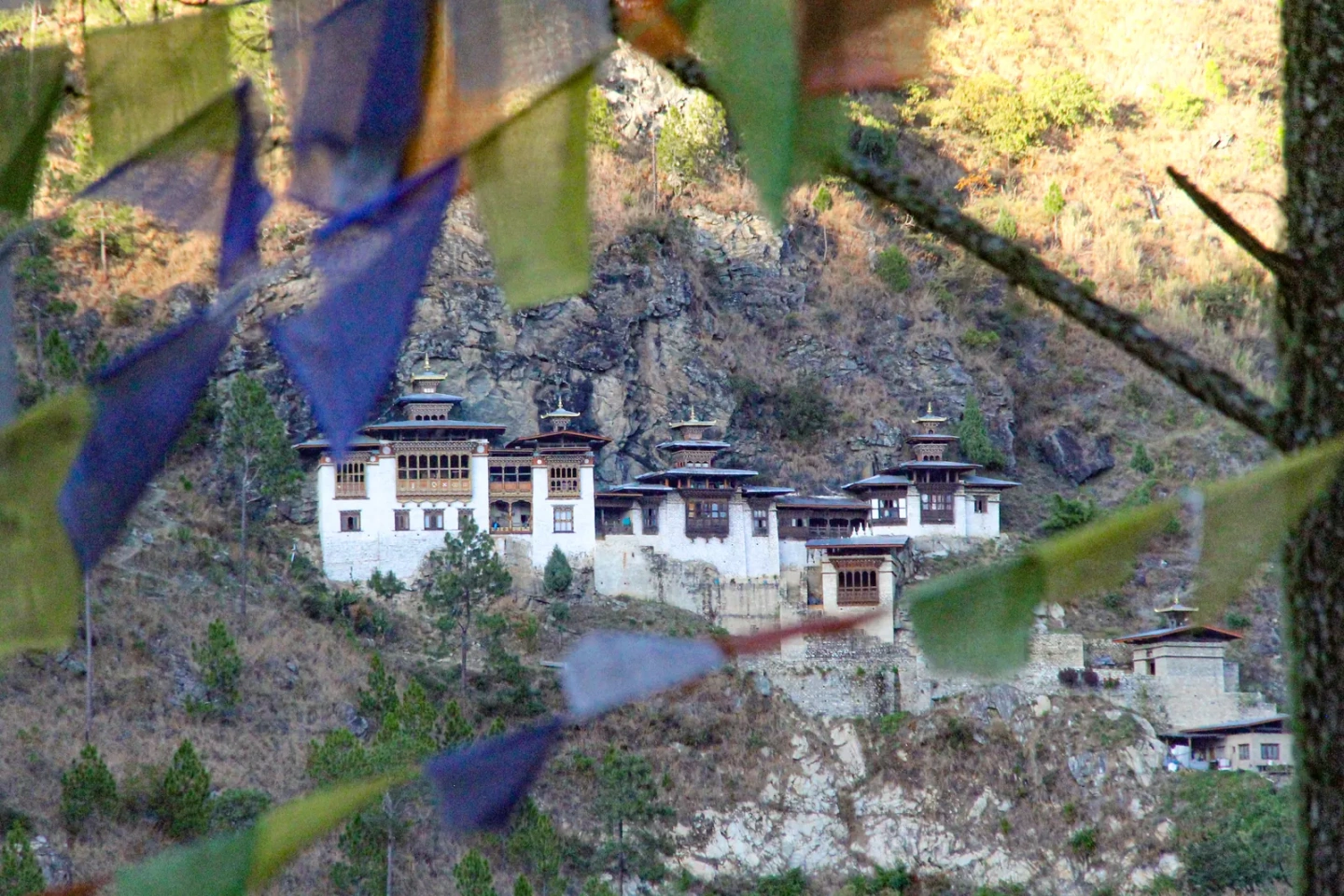
Because the journey is relatively short, even five nights works well for Paro and Thimphu, including the hike up to the cliffside monastery above the Paro valley. A week lets you add Punakha and the Dochula pass. Ten nights or more opens up central Bhutan, and two weeks allows a trek in spring or autumn. Montenegrins who enjoy hiking in Durmitor or Prokletije may find Bhutan’s trails especially rewarding.
Podgorica FAQ
Can I fly from Tivat instead of Podgorica?
Our Montenegro guide notes that Tivat Airport is an alternative during peak summer seasons. Check current schedules.
Is Istanbul the best connection?
It is a common choice with Turkish Airlines, but Doha is also mentioned in our guide. The best option depends on your dates.
Does the time difference change during the year?
Yes. Bhutan is five hours ahead in winter and four hours ahead when Montenegro is on summer time.
For more on visas, routes and costs for Montenegrin travellers, see our full guide How to Travel to Bhutan from Montenegro. We would be pleased to plan your trip from Podgorica.