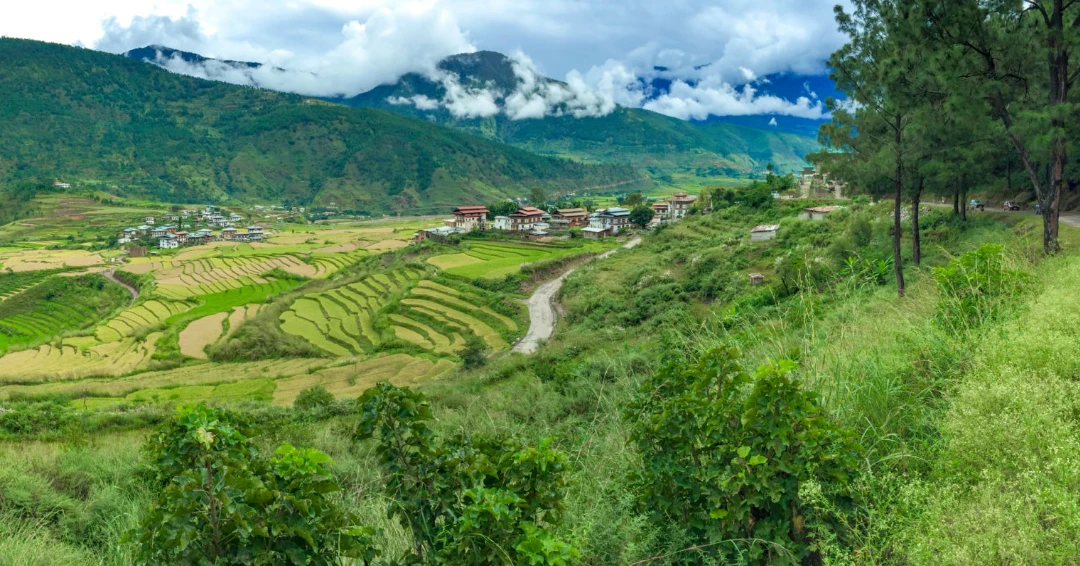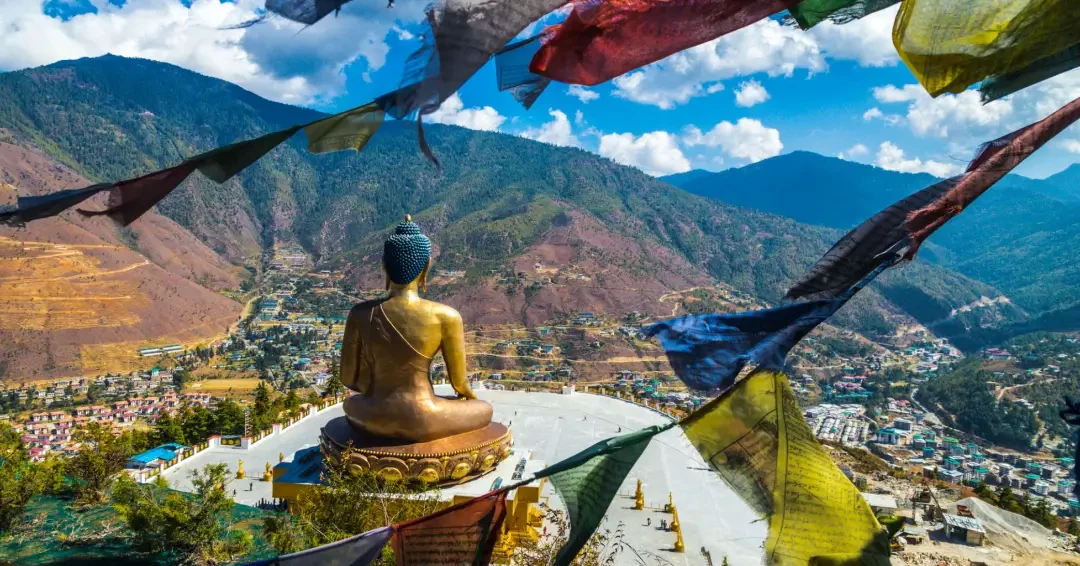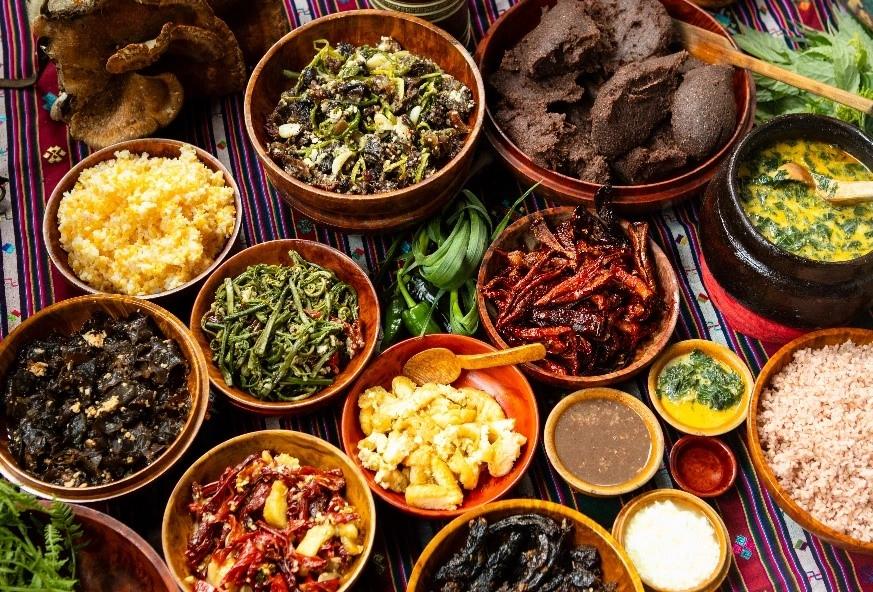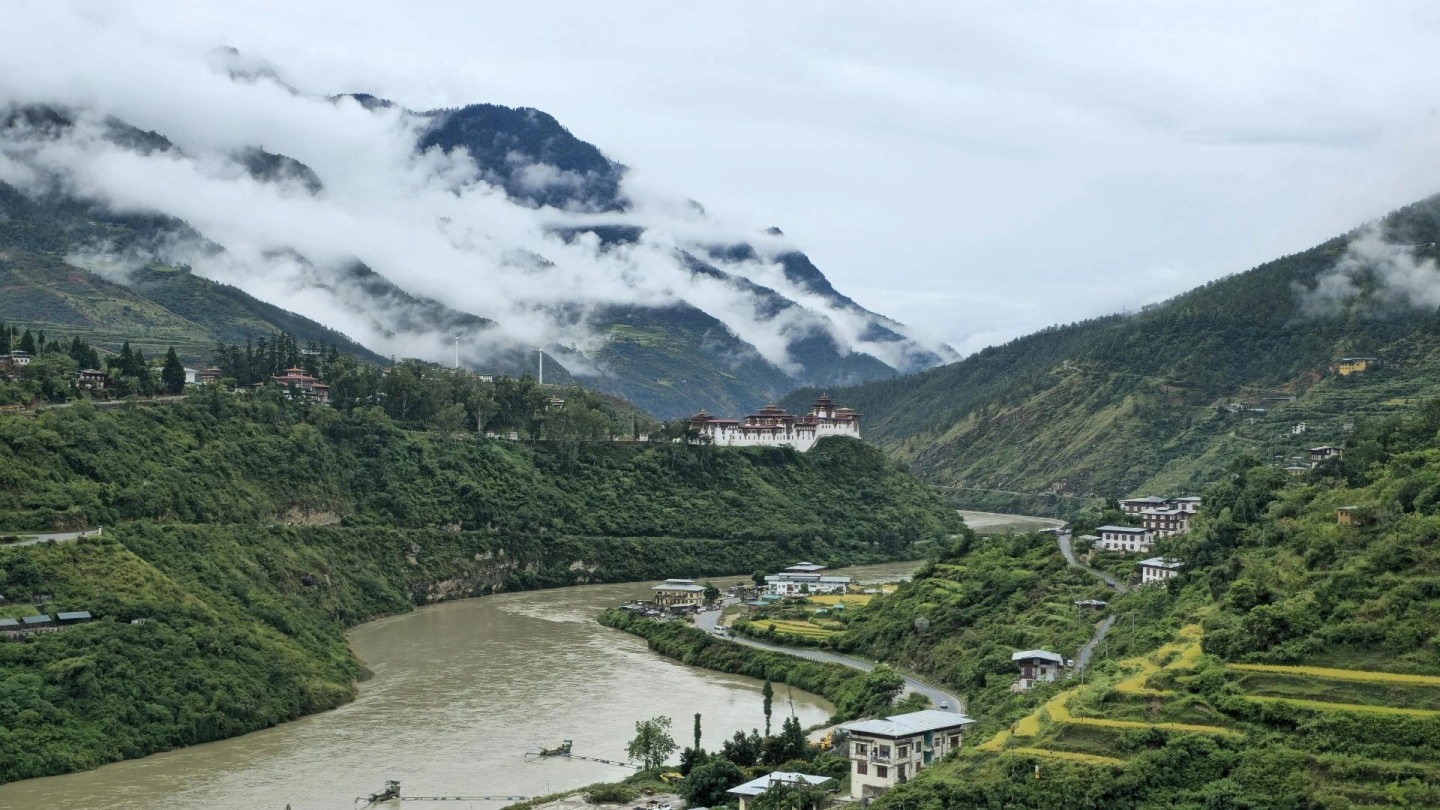
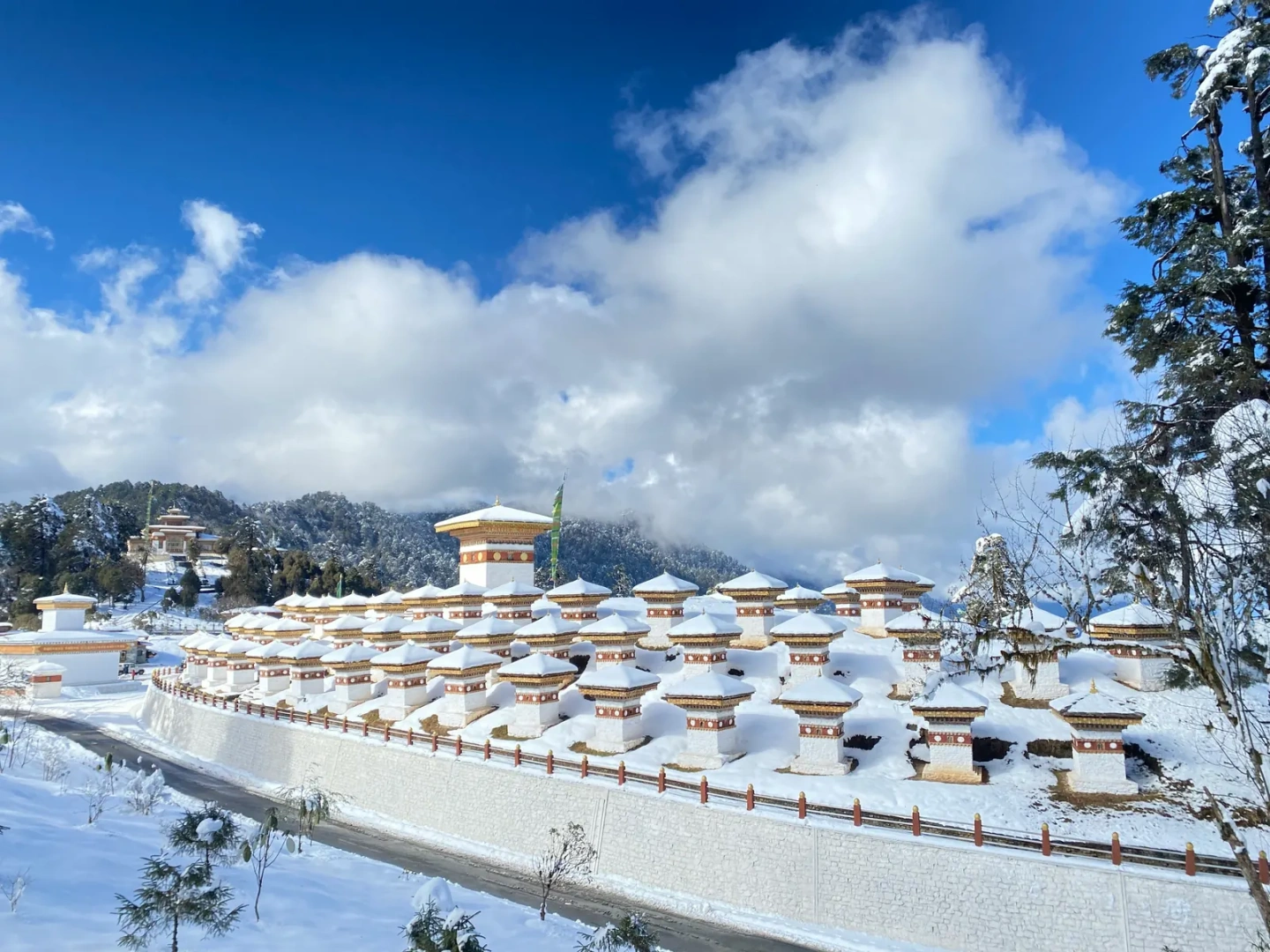
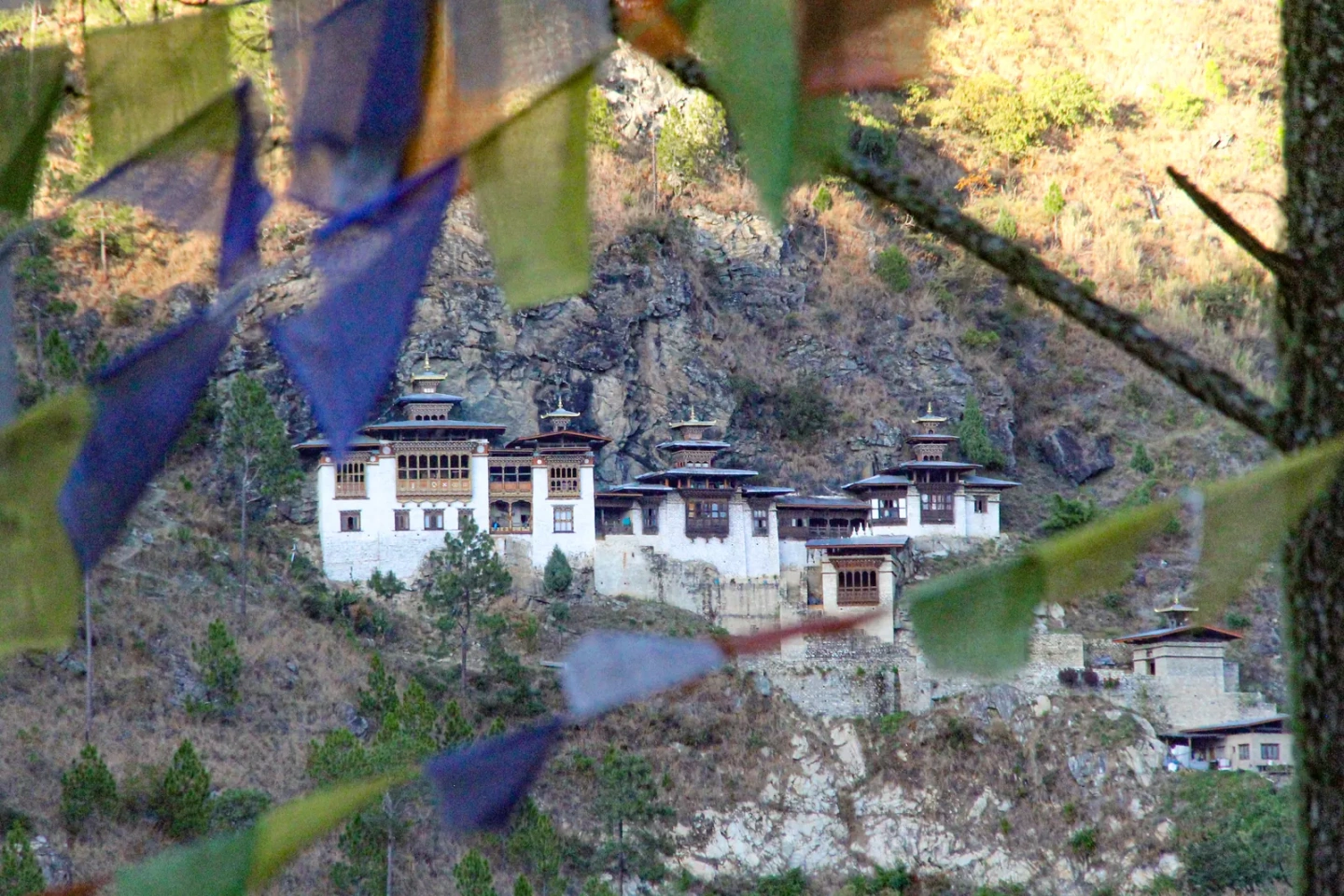
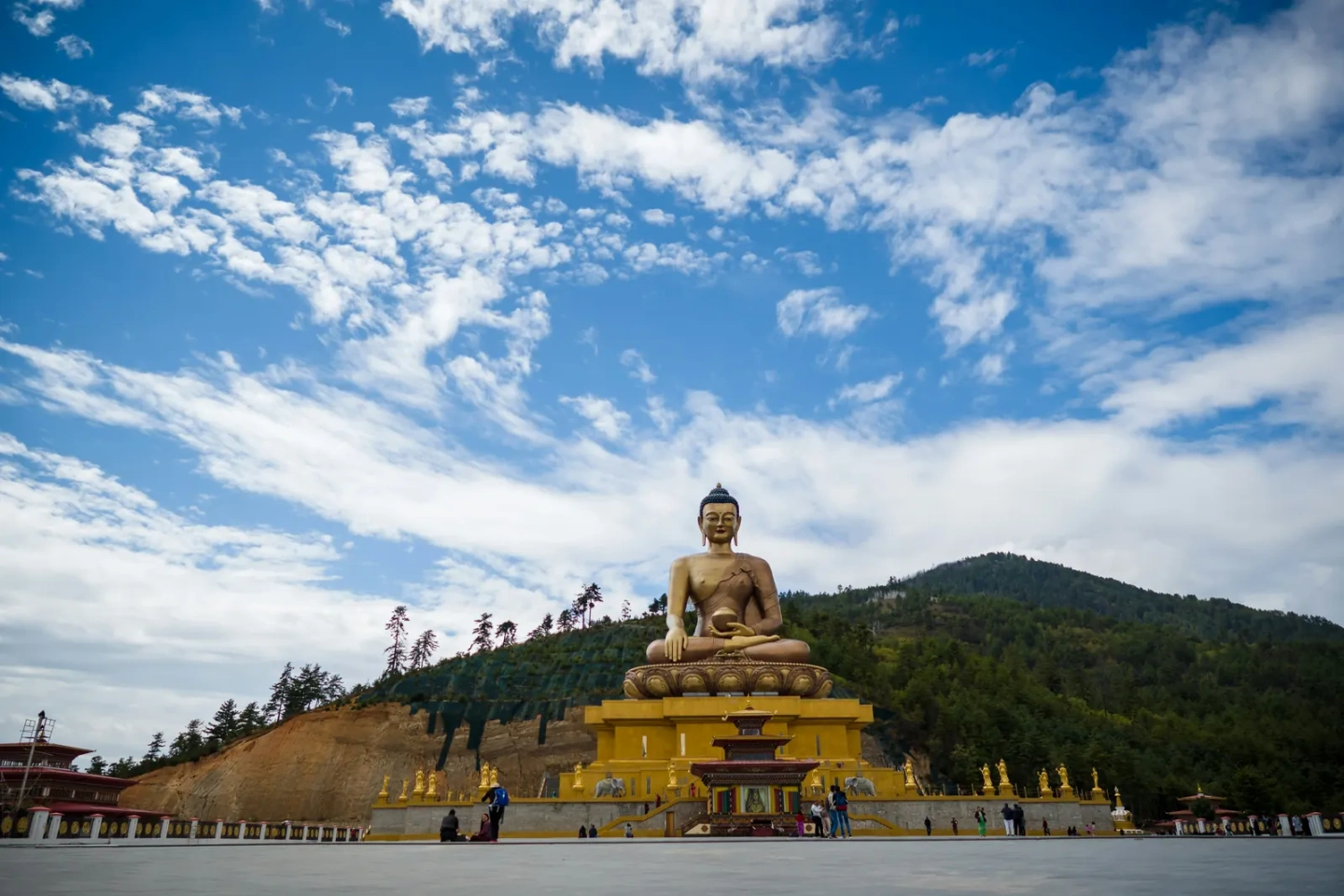


Palikir, the capital of the Federated States of Micronesia, lies in the green interior of Pohnpei, a short drive from the island’s main town, Kolonia. Its nearest gateway is Pohnpei International Airport (PNI), on a small island linked to Kolonia by causeway. Reaching Bhutan from here means crossing much of the western Pacific and South-East Asia, and it rewards patient, well-buffered planning. This page sets out how the journey usually works when you start in the capital.
Pohnpei International: Leaving Palikir
From Palikir, the airport is a straightforward drive through Kolonia. Because flights out of Pohnpei are not daily on every route, the first sector is the one to secure before anything else. Our Micronesia guide notes that travellers typically begin with regional carriers such as United Airlines or Nauru Airlines, heading to hubs like Guam or Manila. Check current schedules carefully, as Pacific island timetables are often adjusted.
Guam, Manila and the Long Hop West
Once you reach Guam or Manila, the next step is a flight to one of Bhutan’s gateways. Our country guide mentions Bangkok, Kathmandu and Delhi, reached on airlines such as Philippine Airlines, Korean Air or Cathay Pacific, with layovers often spanning four to twelve hours.
- Stage one: Pohnpei to Guam or Manila.
- Stage two: onward to Bangkok, Kathmandu or Delhi, sometimes with a further connection.
- Stage three: Drukair (Royal Bhutan Airlines) or Bhutan Airlines into Paro International Airport.
Those two Bhutanese airlines are the only ones permitted to fly into the country, and Paro is Bhutan’s only international airport. For most travellers from Pohnpei, Bangkok is the natural endpoint of the westward journey because it avoids an extra detour into South Asia before the Paro sector.
With layovers of up to half a day possible, think about whether to break the trip with a hotel night in Manila as well as in Bangkok. Many Micronesian travellers find two shorter travel days far easier than one marathon.
Sample Route: Palikir, Manila, Bangkok, Paro
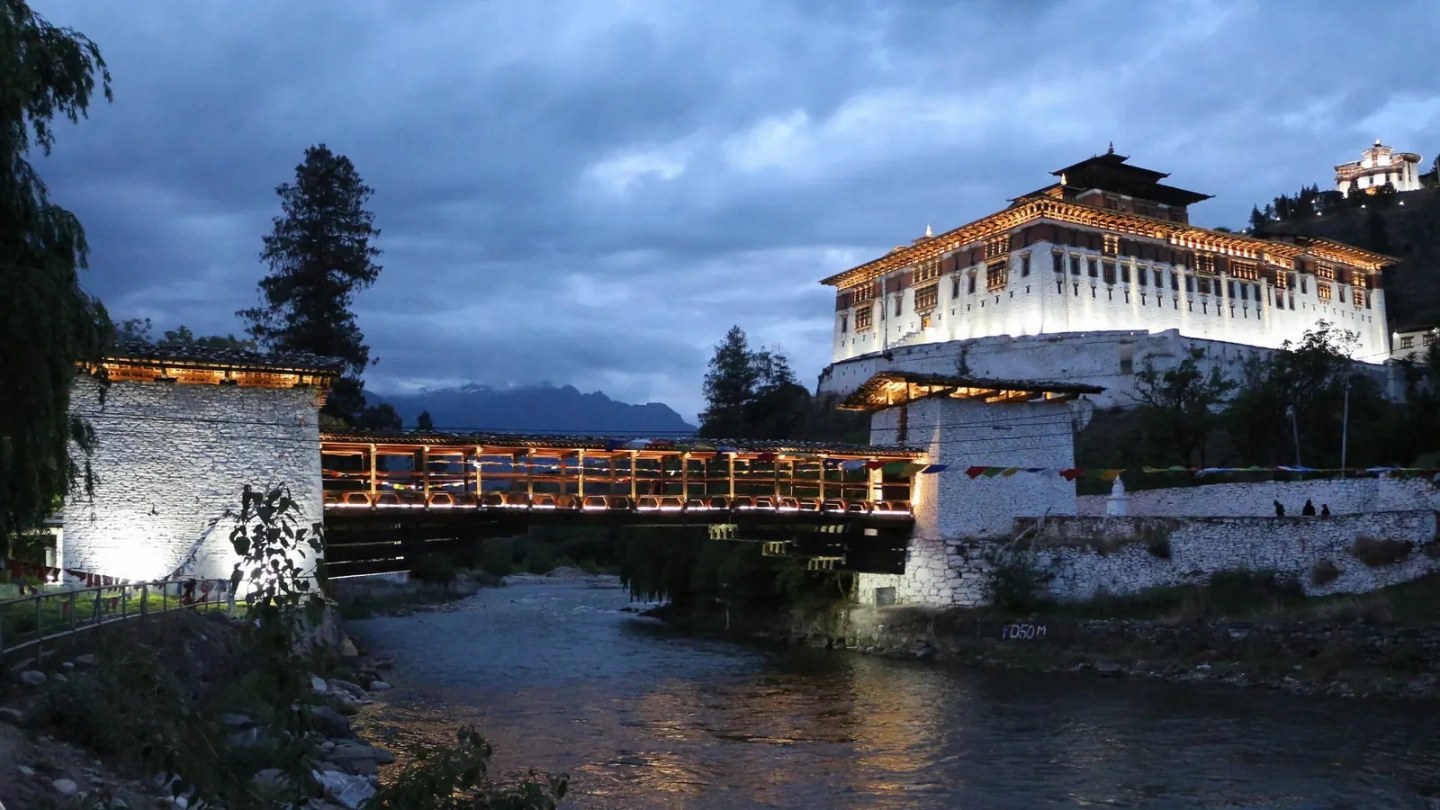
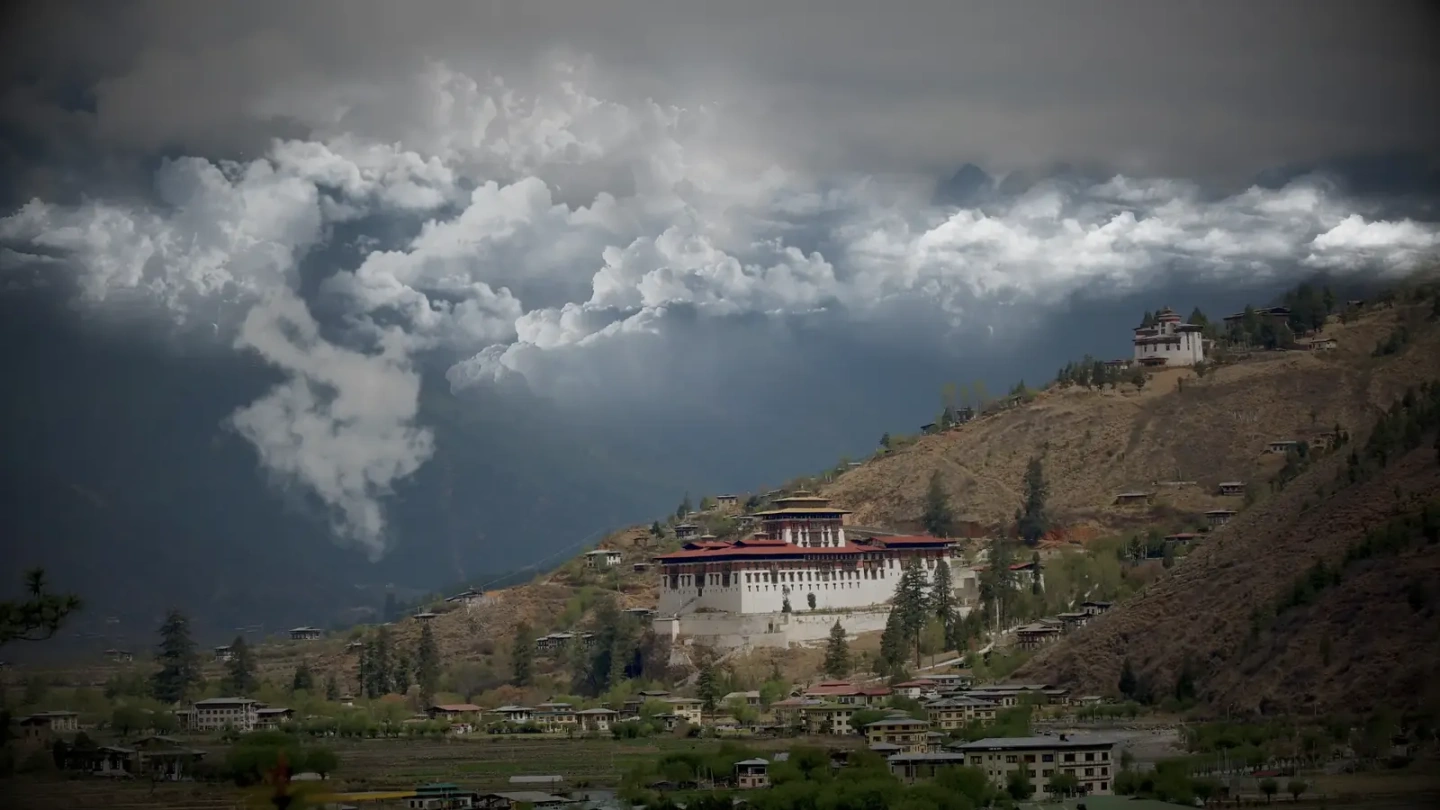
Here is an illustrative example rather than a fixed plan. You leave Palikir for Pohnpei International and fly to Guam, then continue to Manila, where you spend the night. The next day you fly on to Bangkok and check into a hotel near the airport. On the third morning your Drukair or Bhutan Airlines flight crosses into the Himalayas and lands in Paro, where your guide meets you.
Our Micronesia guide describes Paro’s airport as weather-dependent, and the approach is flown visually, so delays do happen. Keeping that Bangkok night means a held flight costs you a few hours rather than a day of your tour.
Turning the Clock Back: Pohnpei to Bhutan
Pohnpei keeps UTC+11 throughout the year, while Bhutan keeps UTC+6, also with no daylight saving. Bhutan is therefore five hours behind Palikir. When it is midday in Palikir, it is 7am in Paro.
Travelling west means you gain time, which most people find easier than losing it. Expect to feel sleepy early in the evening for the first few nights, and enjoy the early starts, which suit sunrise views over the valleys.
Island Rain and Himalayan Seasons
Pohnpei is famously green and rainy, with warm, humid weather that barely changes through the year. Bhutan gives you real seasons instead. Spring, from March to May, and autumn, from September to November, attract the most visitors. Summer, between June and August, is the monsoon. Winter runs from December to February and is cold but clear, notably at higher altitudes.
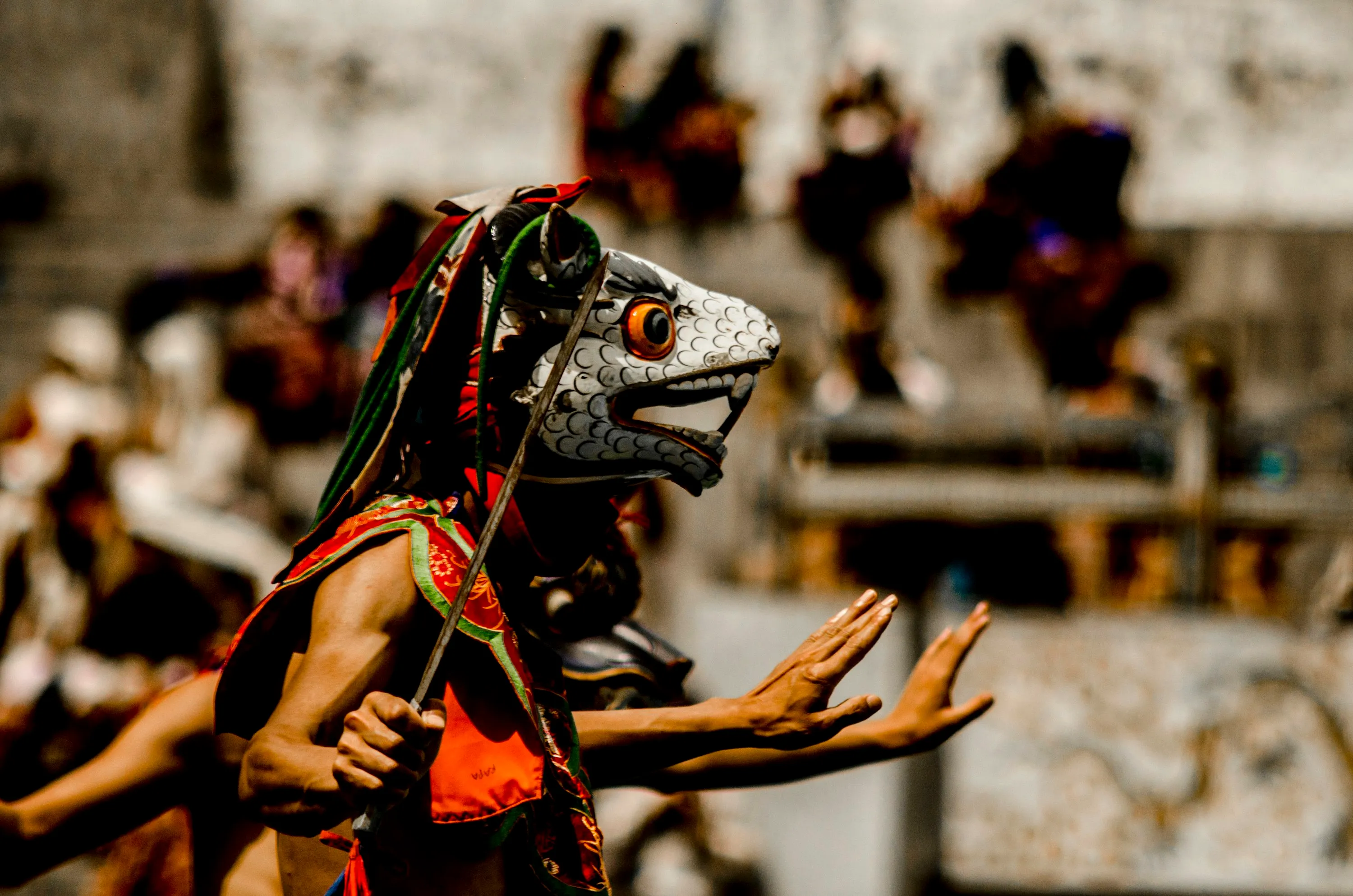
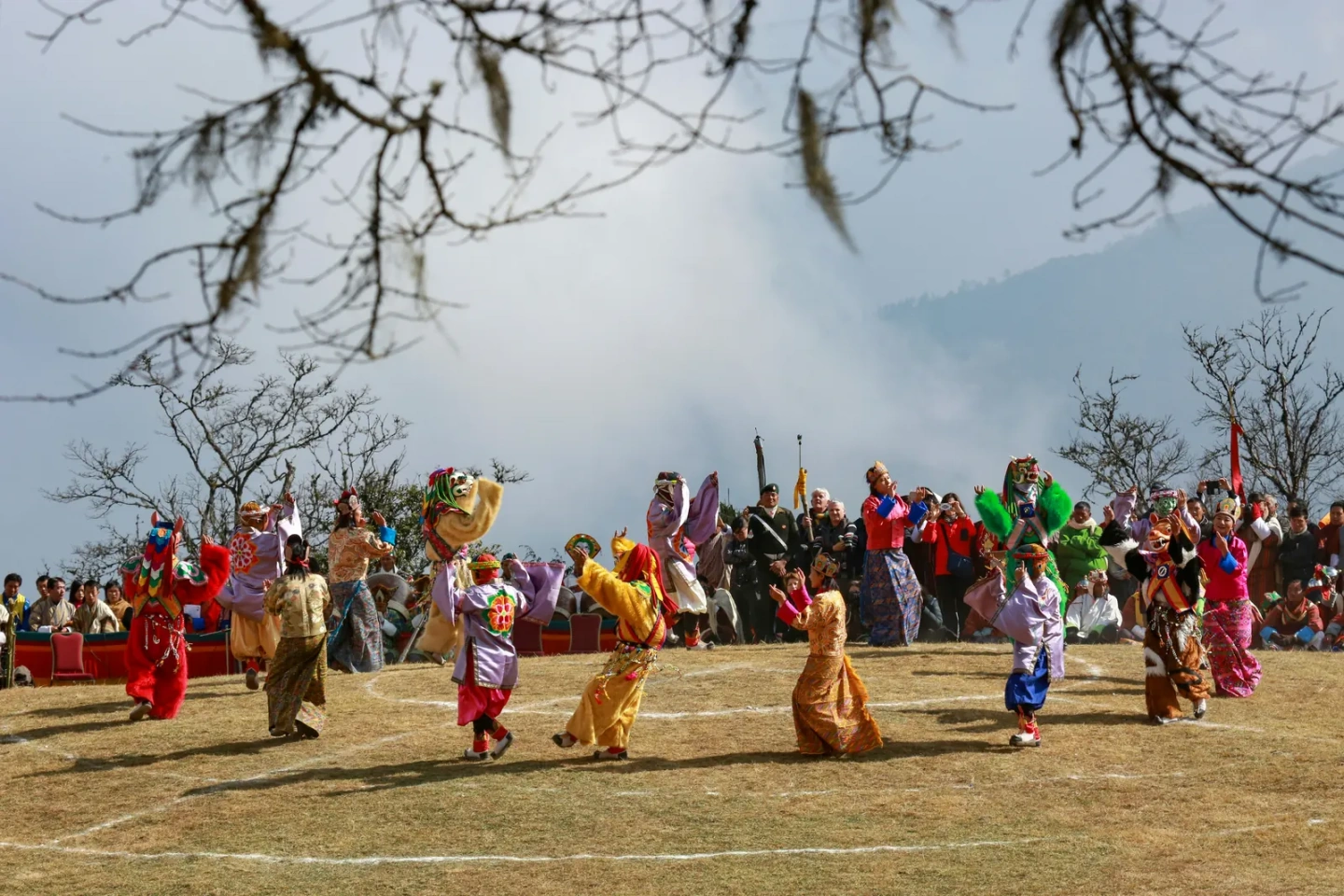
Our country guide suggests spring as a gentle introduction for Micronesian travellers, with mild days that are not too great a shock after island warmth. Autumn brings crisp air and the Thimphu Tshechu, while Paro Tshechu falls in spring; both follow the lunar calendar. In any season you will need warm clothing for the evenings, which are far cooler than anything on Pohnpei.
Visa, Fees and Cover for FSM Citizens
Citizens of the Federated States of Micronesia need a Bhutan visa, applied for online in advance and usually arranged through a licensed Bhutanese tour operator. Our Micronesia guide lists the usual requirements as a passport with at least six months’ validity from arrival, a recent passport photo and proof of your tour booking. You then receive an e-visa letter to present at Paro.
Every night in Bhutan carries a Sustainable Development Fee, currently set at USD 100 per adult for most international visitors. Rates can change, so confirm the current figure with the Department of Tourism before you book. Insurance covering the entire stay is a requirement for visitors. Bhutan’s currency, the ngultrum, is pegged to the Indian rupee, and ATMs are mostly in towns.
Planning Your Number of Nights
With two or three travel days each way, Bhutan deserves a generous stay. Six nights covers Paro, Thimphu and Punakha. Nine or ten nights brings in central Bhutan, and a fortnight gives room for a trek or a festival with time to spare. If you are breaking the journey in Manila and Bangkok, you could also enjoy a short city stop on the return.
Palikir FAQ
Is there any shortcut from Pohnpei to Bhutan?
No. You will always connect at least twice: first at Guam or Manila, then at an Asian gateway such as Bangkok, before the final flight to Paro.
Which airlines start the journey?
Our Micronesia guide mentions regional carriers such as United Airlines and Nauru Airlines for the first sector. Check current schedules, as frequencies vary.
Can you arrange the Paro flight for me?
Yes. We regularly book Drukair and Bhutan Airlines seats for our guests and align them with the visa and itinerary.
For more detail on visas, costs and itineraries for Micronesian travellers, see our complete guide How to Travel to Bhutan from Micronesia. Tell us your preferred season and we will help you plan from Palikir onwards.