

Nassau, on New Providence, is the starting point for most Bahamians heading to Bhutan, with flights leaving from Lynden Pindling International Airport (NAS) on the western side of the island. Reaching the Himalaya from the Bahamas means a short hop to the United States, a long crossing to Asia and a final flight into Paro. It is a big trip, but the stages are logical, and this page sets them out for travellers leaving Nassau.
Lynden Pindling to the US Mainland
The Bahamas guide describes the first leg as a flight from Lynden Pindling to a US connecting city such as Miami or New York, on American Airlines, Delta or Bahamasair. It gives this leg a duration of roughly one to three hours.
Because this is a separate step from the long-haul crossing, many travellers prefer to leave comfortable time in Miami or New York, or even spend a night there, rather than risk a tight transfer.
Crossing to Asia and the Paro Connection
From the US, the next stage takes you to an Asian gateway. The Bahamas guide names Qatar Airways, Emirates and United Airlines for this long-haul section, with Delhi, Bangkok and Kathmandu as the usual destinations.
- Delhi works well for a straightforward link to Paro.
- Bangkok is a pleasant place to rest before the last leg.
- Kathmandu suits travellers who want to visit Nepal too.
The final flight is with Drukair (Royal Bhutan Airlines) or Bhutan Airlines, the only two airlines serving Bhutan. The guide estimates the whole journey at 24 to 36 hours including layovers. Timetables change, so check current schedules on the airlines' websites or through your tour operator.
An Illustration: Nassau to Paro in Four Days
This sample plan is an example, not a fixed itinerary:
- Day 1: fly from Nassau to New York and connect to an overnight long-haul flight towards Asia.
- Day 2: continue via the carrier's hub to Delhi.
- Day 3: rest in Delhi, recovering from the crossing.
- Day 4: take Drukair or Bhutan Airlines to Paro and meet your guide.
The Bahamas guide suggests building in an extra day in transit, because Paro operates only in daylight and clear weather, and delays can happen. Plan the same cushion for the return.
Making the Long Haul Easier
Because the trip from Nassau spans so many hours, small choices make a big difference. Keep your first US connection on the same ticket as the long-haul flight where you can, so missed connections are handled by the airline. Book an airport hotel at your Asian gateway rather than relying on lounge time. Pack medication, a change of clothes and a warm jumper in your cabin bag, since checked luggage on multi-airline routes is occasionally delayed. And keep copies of your Bhutan visa approval and insurance handy for check-in at each stage.
Bahamian Daylight Saving vs Bhutan Time
The Bahamas follow Eastern Time, UTC−5 in winter and UTC−4 during daylight saving from March to November. Bhutan stays on UTC+6 all year. Bhutan is therefore 11 hours ahead of Nassau in the Bahamian winter and 10 hours ahead in summer time.
With a gap that large, your body clock is nearly turned upside down. The Bahamas guide suggests adjusting your sleep beforehand; even shifting bedtime by an hour or two in the days before departure can help.
Island Sunshine and Mountain Seasons
Nassau is warm all year, with a hotter, wetter summer and an Atlantic hurricane season running from June to November. Bhutan's seasons are shaped by altitude and the monsoon. Spring (March to May) and autumn (September to November) are when most visitors come; summer (June to August) is the monsoon; winter (December to February) is cold but bright, especially high up.
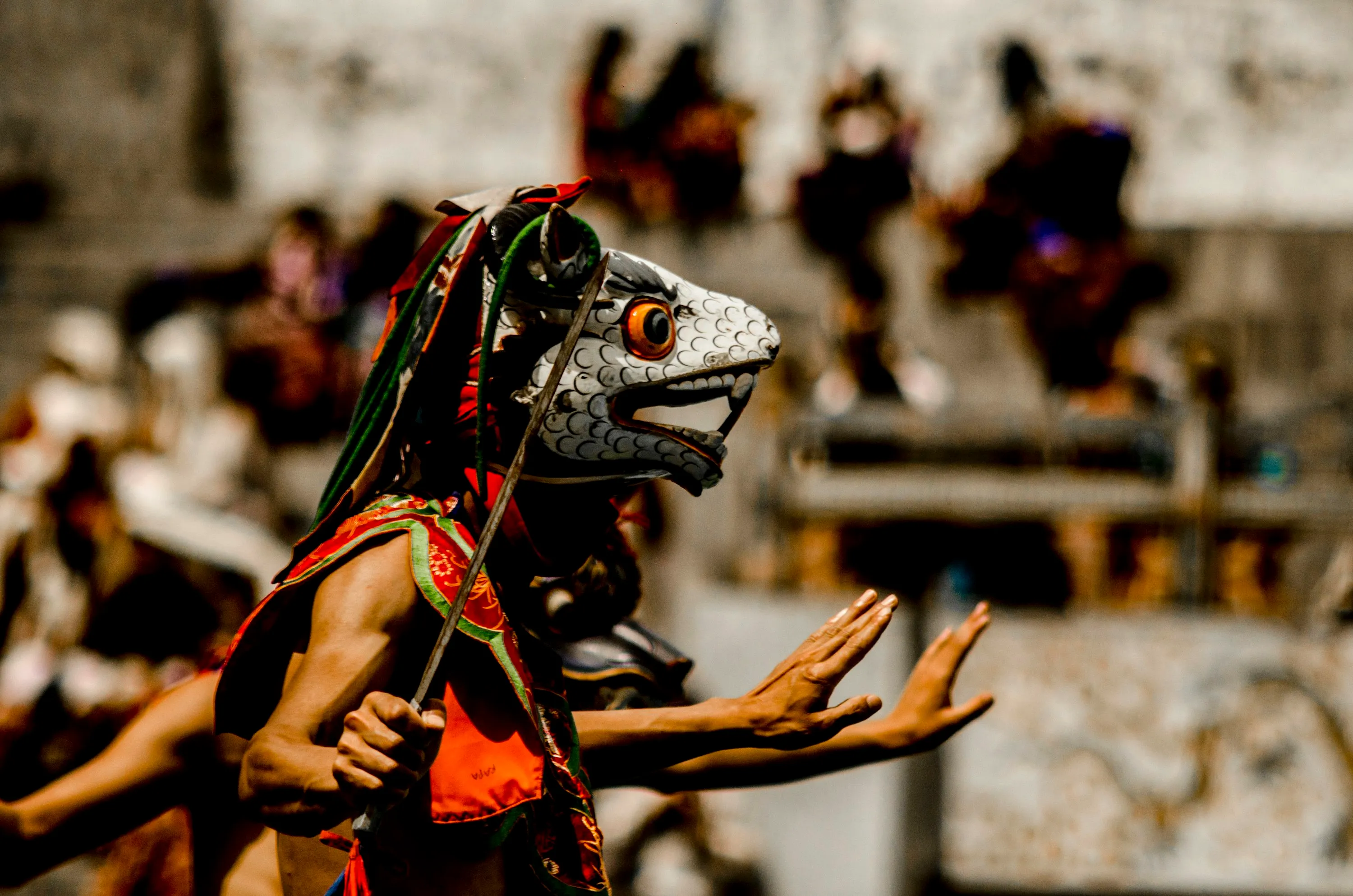
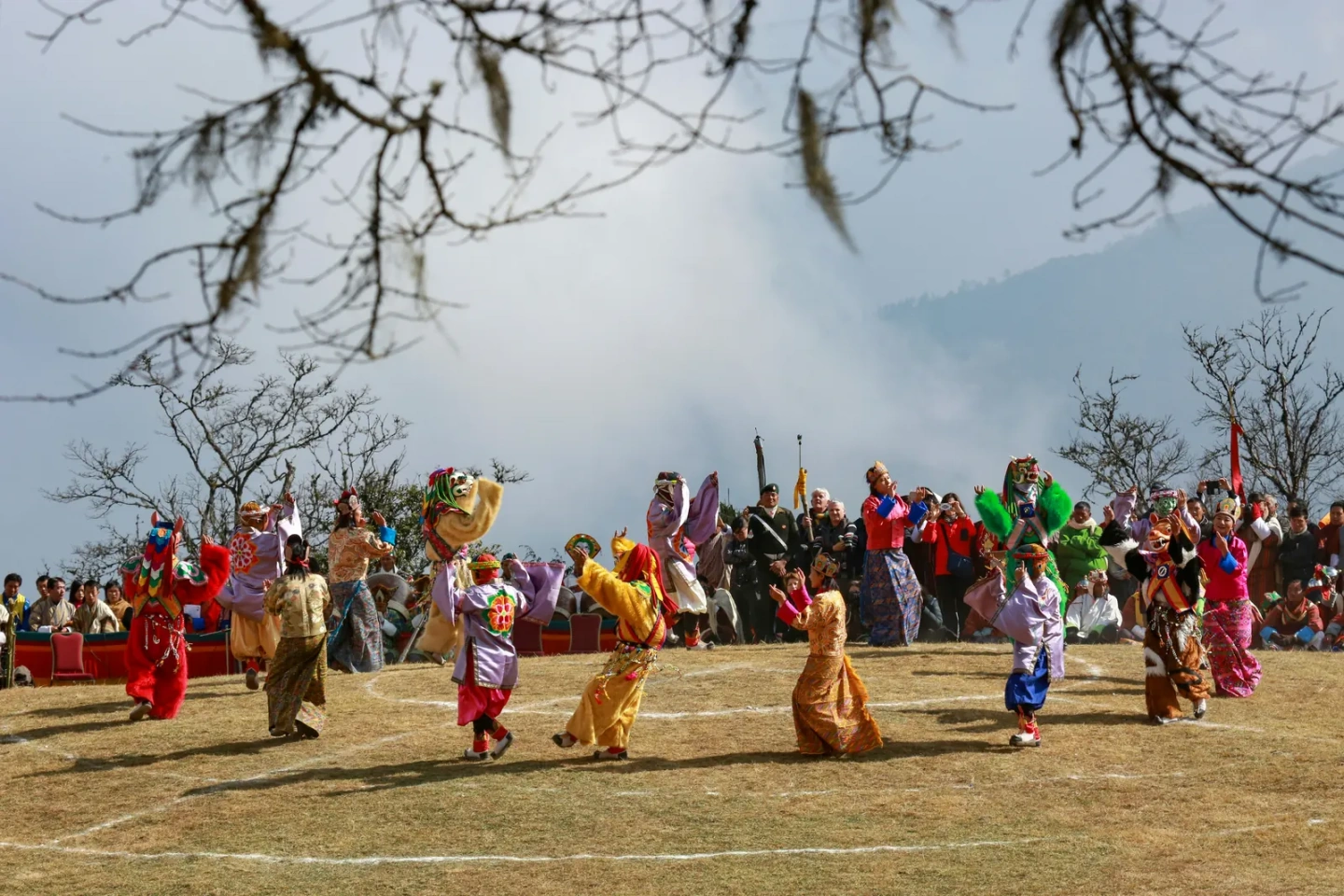
Bahamian travellers will find even Bhutan's best seasons cool by comparison, so pack proper warm layers. Spring often suits those who want to avoid the hurricane months entirely, while autumn rewards with clear views. Paro Tshechu (spring) and Thimphu Tshechu (autumn) are major festivals, timed by the lunar calendar and different every year.
Visa, SDF and Insurance from the Bahamas
Bahamian citizens need a Bhutan visa. It is applied for online in advance and usually arranged by a licensed Bhutanese tour operator. Manifest Bhutan Expeditions submits the application for our guests and shares the approval before you fly.
The Sustainable Development Fee is set at USD 100 per adult per night for most international visitors at present. Check the latest rates with the Department of Tourism before booking. Travel insurance for your entire stay is required. As your route passes through the United States and possibly the Gulf, confirm any transit or entry requirements that apply to your passport.
Trip Length and Nassau FAQs
From Nassau, plan around eight nights in Bhutan for a satisfying first visit, ten to twelve for a broader trip, and two weeks if you want to trek. Shorter stays are possible but feel rushed after such a long journey.
Do I have to connect in the United States?
The Bahamas guide describes Miami or New York as the usual first connection, which is the most practical way to reach long-haul flights to Asia.
Is business class worth it?
The guide suggests it can add comfort on such a long trip if your budget allows; it is a personal choice.
Can I use US dollars in Bhutan?
Plan to use the ngultrum (BTN), pegged 1:1 to the Indian rupee. ATMs are mostly in towns, so carry some cash.
For more on routes, visas and itineraries, read How to Travel to Bhutan from Bahamas.