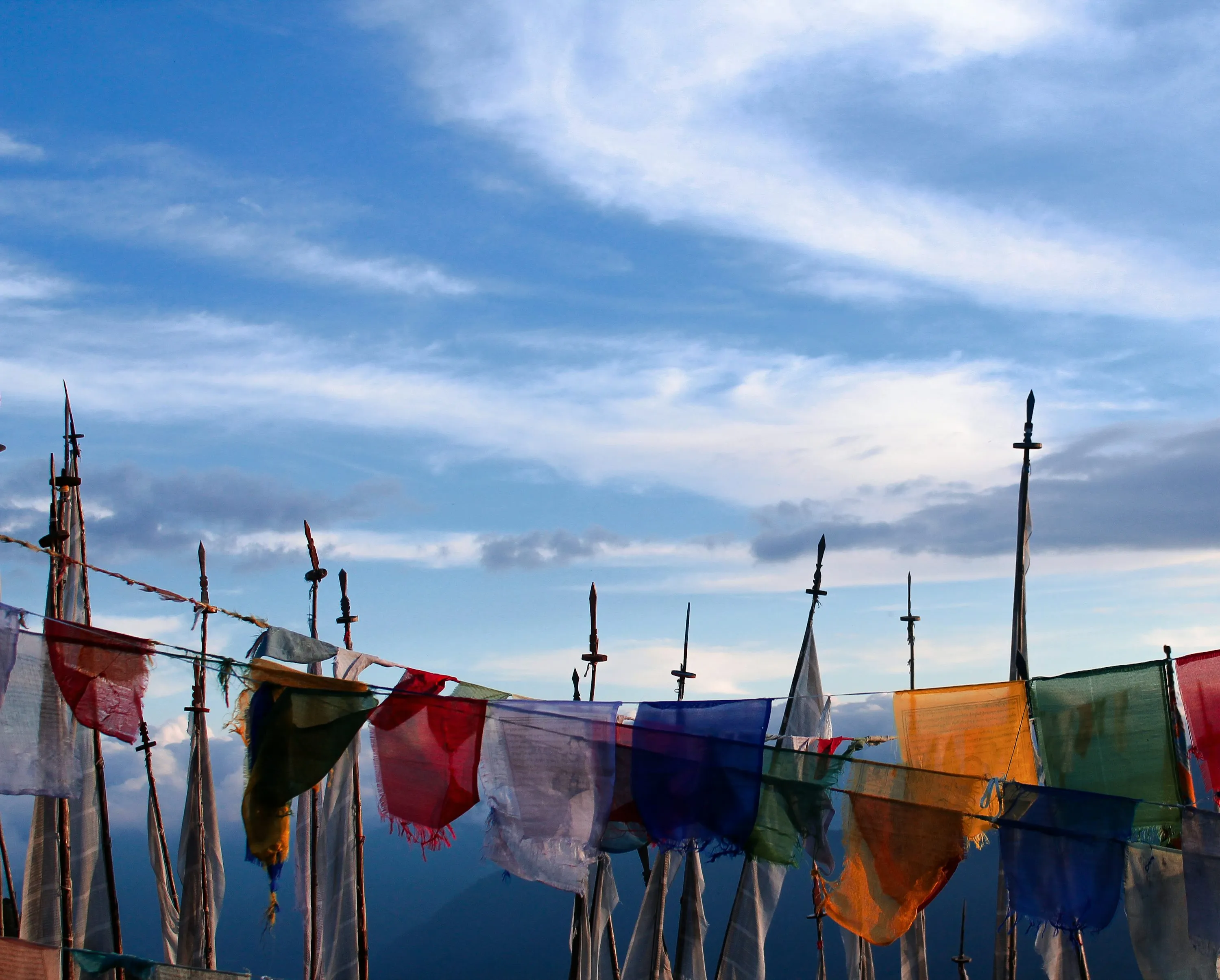
Mbabane, set in the hills of the Hhohho region, is Eswatini's administrative capital, and it is where many Swazi travellers begin planning a trip to Bhutan. The country's international airport is King Mswati III International at Sikhuphe, in the east, while Johannesburg in South Africa serves as the main regional gateway. Between them, they open up the path to the Paro valley in the eastern Himalaya.
Two Ways Out of Mbabane: Sikhuphe or Johannesburg
The Eswatini guide explains that Swazi travellers typically depart from King Mswati III International Airport or connect from Mbabane via Johannesburg, which it describes as the primary gateway. In practice, that leaves you with two starting options.
- King Mswati III International (SHO): fly from Sikhuphe to Johannesburg to join a long-haul flight.
- By road to Johannesburg: some travellers prefer to drive or take a shuttle across the border and fly directly from there.
Whichever you pick, Johannesburg is usually the place where the long-haul part of the journey begins. Check current schedules for the Sikhuphe sector, and if you are going by road, allow for border formalities and traffic on the way.
Beyond Johannesburg: Reaching Paro
There are no direct flights to Bhutan from Southern Africa. From Johannesburg, you will typically fly to one of the Asian cities with services into Paro. Common gateways include Delhi, Kathmandu, Bangkok and Singapore, along with several Indian cities closer to Bhutan.
Only two airlines fly into Paro International Airport, Bhutan's sole international airport: Drukair (Royal Bhutan Airlines) and Bhutan Airlines. The Eswatini guide notes that they fly limited schedules, often with seasonal adjustments, so secure the Paro sector early and build the rest of the trip around it.
Delhi is often a convenient choice for a short final hop, while Bangkok and Singapore appeal to travellers who would like an easy overnight stop with plenty of hotels near the airport.
Sample Route: Mbabane, Johannesburg, Delhi, Paro
Here is an example of how a journey from Mbabane could be arranged. It is meant to show the shape of the trip, not to promise particular flights.
- Day 1: Travel from Mbabane to Johannesburg, by road or via King Mswati III International.
- Day 1, evening: Overnight long-haul flight from Johannesburg towards Delhi.
- Day 2: Arrive in Delhi and rest at an airport hotel.
- Day 3: Morning Drukair or Bhutan Airlines flight to Paro, with your guide waiting on arrival.
That pause in Delhi is worth keeping. Paro's approach is visual-only, and weather such as monsoon fog or strong winds can delay flights, as the Eswatini guide points out.
Mbabane's Clock vs Bhutan's
Eswatini is on UTC+2 all year without daylight saving, and Bhutan holds UTC+6 throughout the year too. Bhutan is therefore four hours ahead of Mbabane in every season. When it is 10am in Mbabane, it is 2pm in Thimphu.
Four hours is a fairly mild shift. An overnight flight and a first day spent outdoors in the Paro valley is usually enough to reset most people's body clocks.
Highveld Weather and Bhutan's Best-Loved Months
Mbabane's highland setting gives it warm, wet summers from about October to March and cool, dry winters, with misty days common in the hills. Bhutan's seasons are almost the reverse in timing. Spring (March to May) and autumn (September to November) are the most popular months, with mild weather and clear views.
Summer (June to August) is Bhutan's monsoon, falling during Mbabane's dry winter. Winter (December to February) in Bhutan is cold but clear, especially at altitude, and coincides with the height of summer in Eswatini. Paro Tshechu is held in spring and Thimphu Tshechu in autumn; both follow the lunar calendar, so dates change each year. Pack layers for chilly evenings whatever the season.
Swazi Passport Holders: Visa, SDF and Cover
Citizens of Eswatini need a Bhutan visa, applied for online in advance. The Eswatini guide notes that the application is usually started by choosing a tour operator, who handles most of the paperwork. Required details include a passport with sufficient validity and a recent photo.
- Sustainable Development Fee: for most international visitors, USD 100 per adult per night at present. Check the latest rates with the Department of Tourism before booking.
- Insurance: travel insurance covering the whole stay is required.
- South African and Indian transit: confirm any requirements for the countries on your route.
- Bank notice: the Eswatini guide suggests telling your bank about international transactions to avoid payment hold-ups.
In Bhutan, the ngultrum is pegged to the Indian rupee. ATMs are found mainly in towns, so having some cash on hand is sensible.
Planning How Long to Stay
A one-stop route via Johannesburg keeps travel time reasonable, so a trip of six nights in Bhutan is realistic for Paro and Thimphu plus a nearby valley. Eight to ten nights allows you to explore central Bhutan without rushing. Twelve nights or more suits trekkers or those planning around a tshechu. Leave a spare day before flying out of Paro to protect your onward connection.
Mbabane Travellers Often Ask
Should I fly from King Mswati III or drive to Johannesburg?
Both are used, according to the Eswatini guide; compare the cost and convenience of the Sikhuphe flight against the road journey.
Is Bhutan far ahead in time?
Only four hours, so jet lag is usually mild.
Who arranges the visa?
A licensed Bhutanese tour operator usually handles the online application on your behalf.
For a fuller guide to visas, SDF and itineraries, read How to Travel to Bhutan from Eswatini, and contact us whenever you would like help planning your trip from Mbabane.