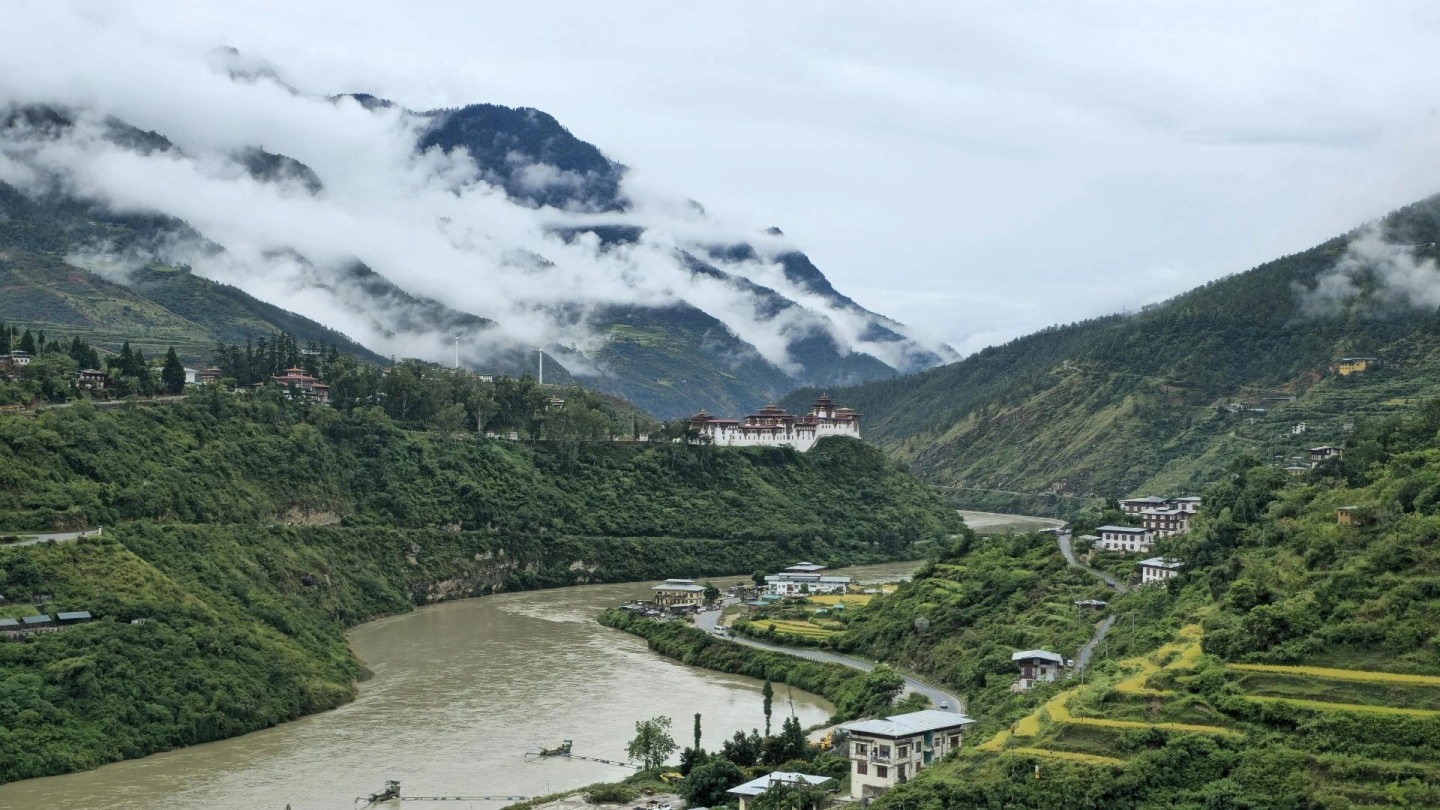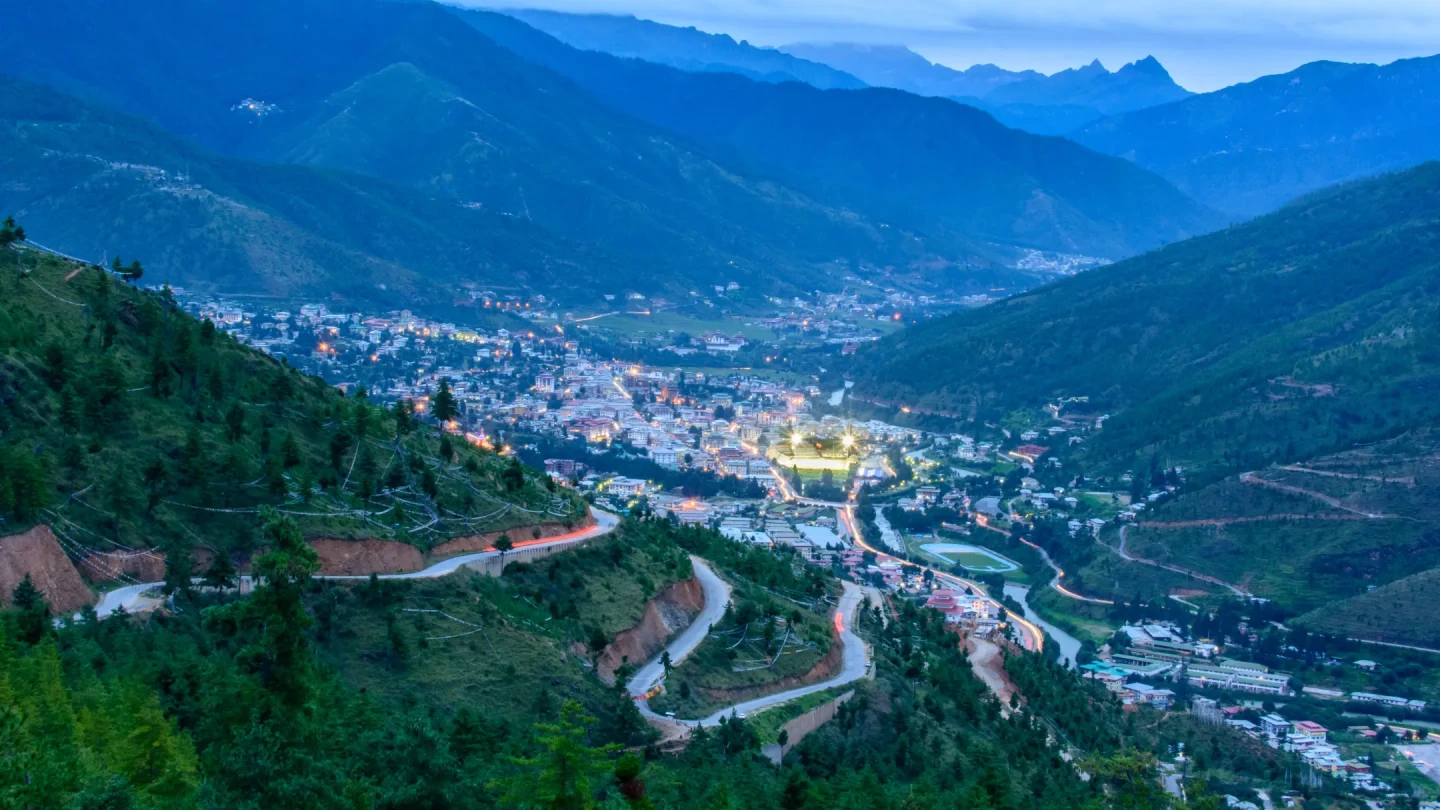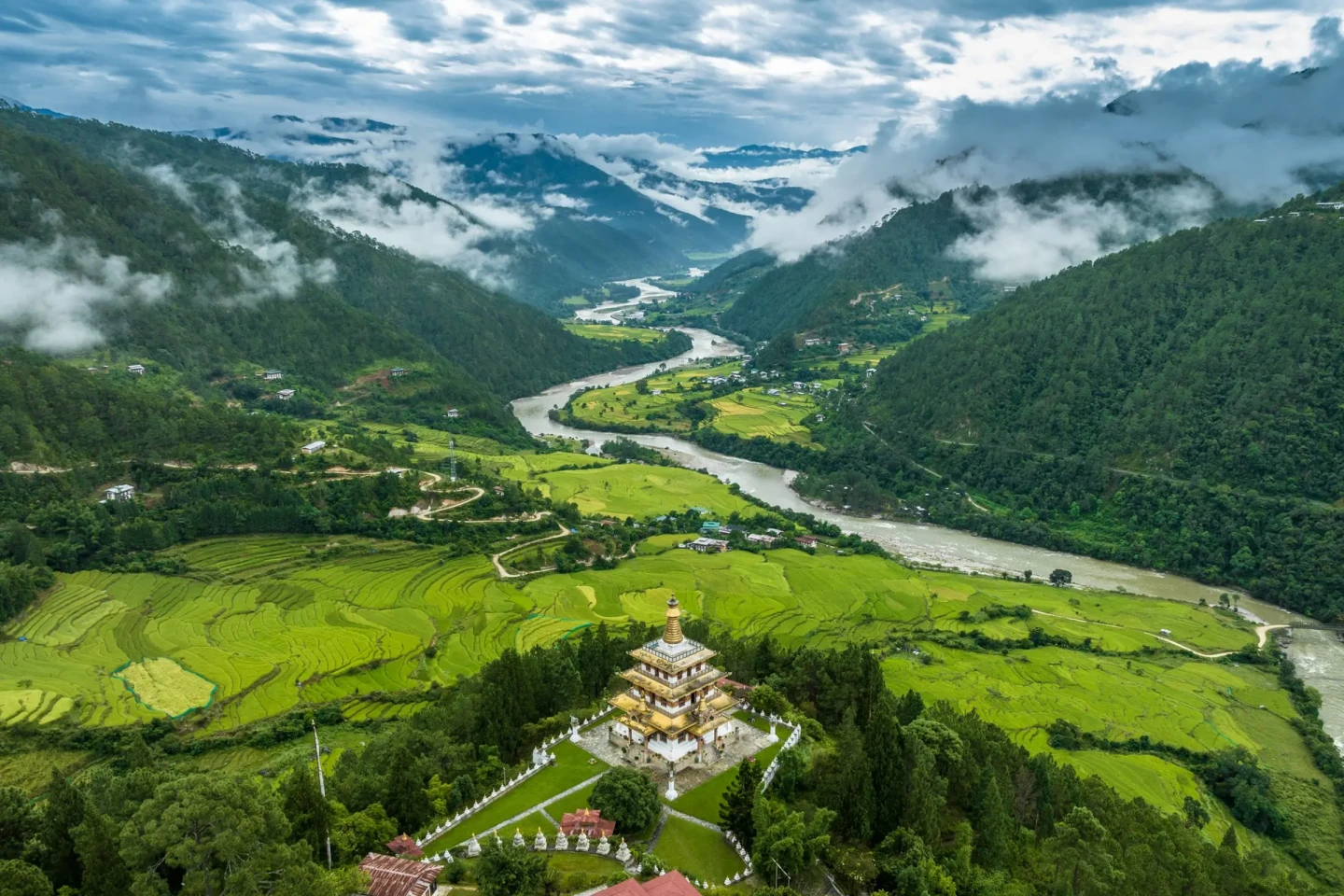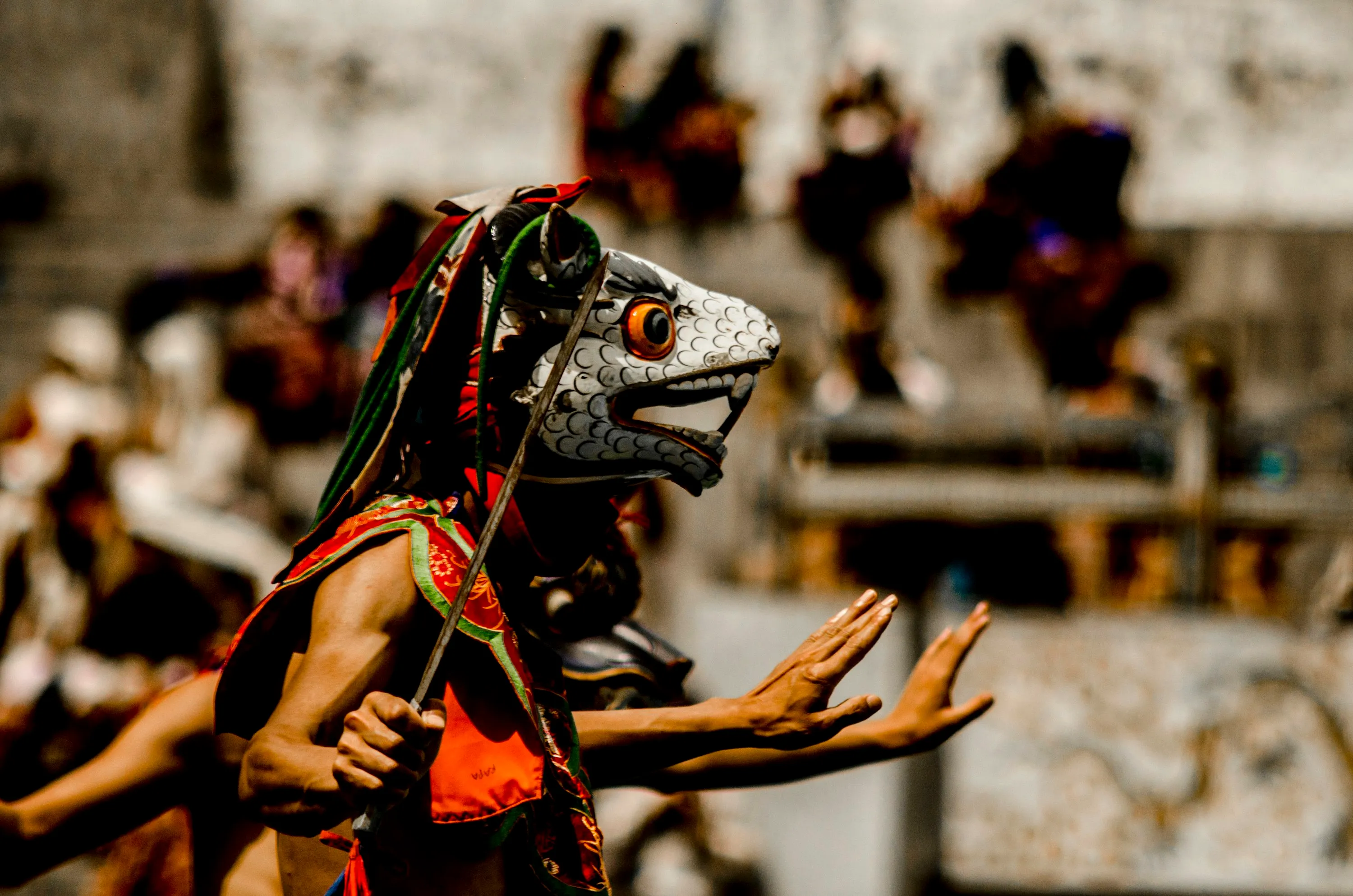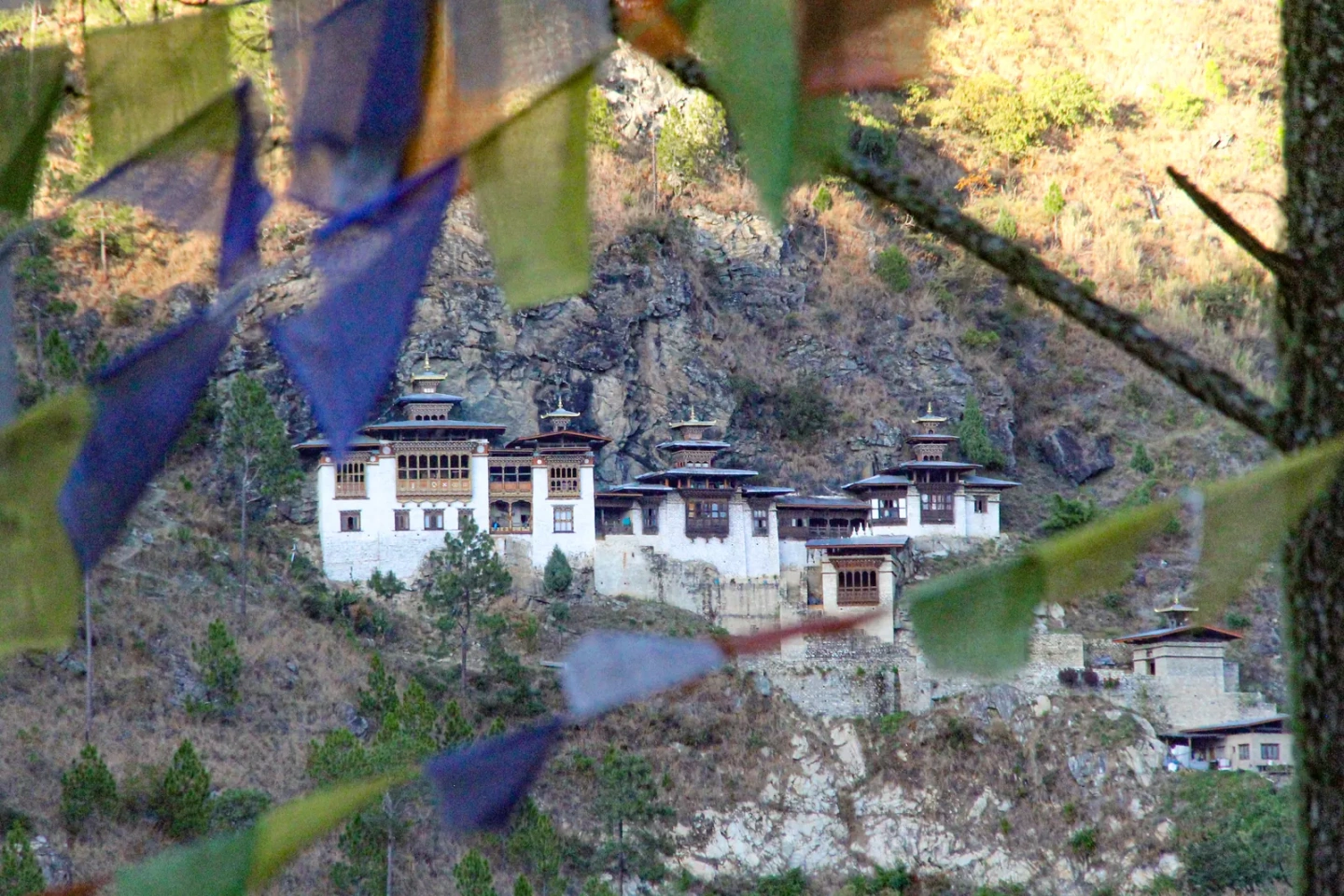
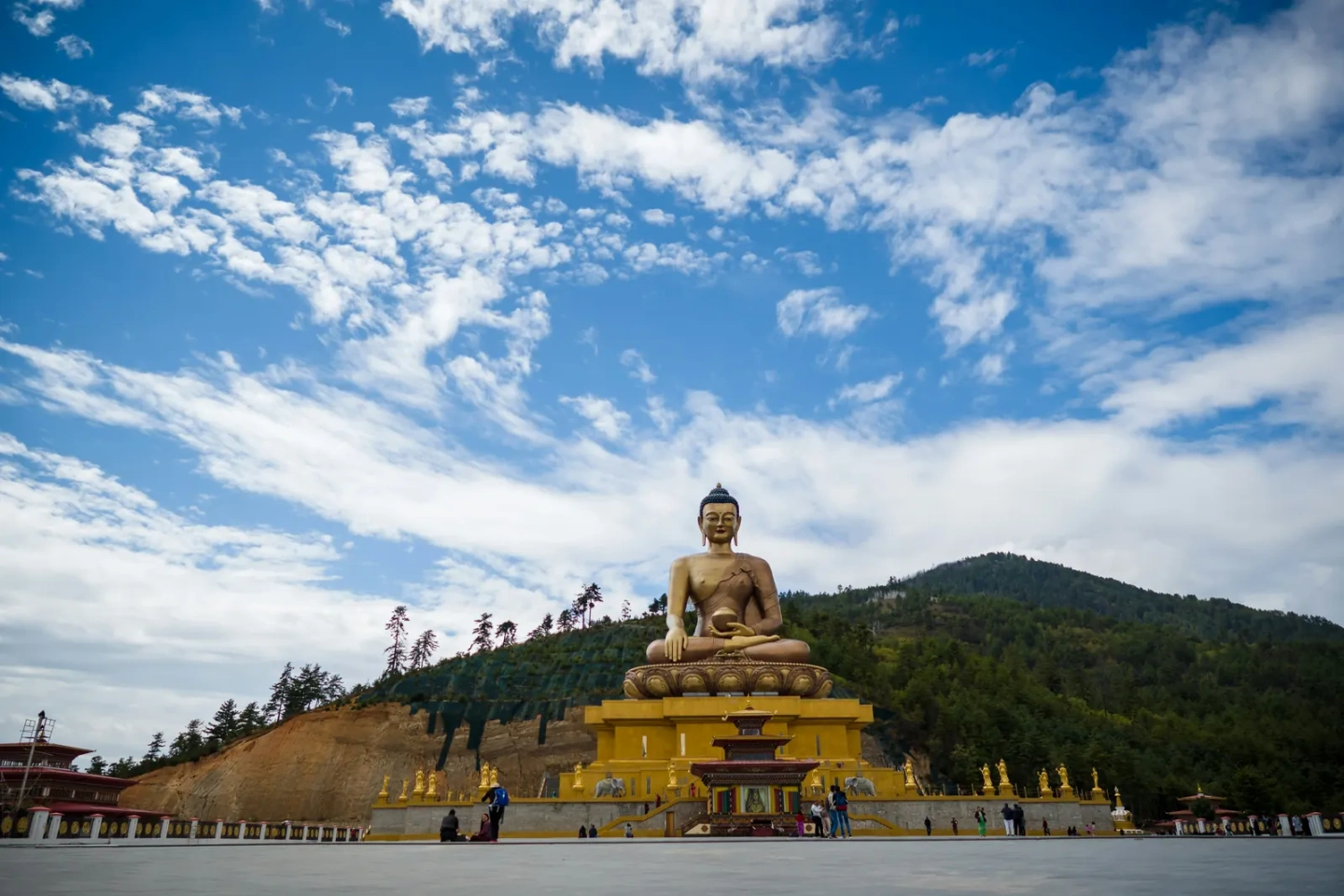





For anyone living in Malé, the trip to Bhutan starts with a short crossing to Velana International Airport on neighbouring Hulhulé island. Few journeys offer such a contrast: you leave a coral capital at sea level and arrive, a day or so later, in a Himalayan valley more than two kilometres above it. There is no direct flight between Velana and Paro, so you will connect through a regional hub. This page explains the routes, the entry rules that apply to Maldivian citizens, and how to prepare for a very different climate.
Velana Airport: Leaving Malé by Air
Getting from central Malé to Velana is quick by road over the bridge to Hulhulé, or by ferry, but leave a margin at busy times. Check your terminal and check-in time with your airline, and keep your entry documents, insurance certificate and onward booking in a single envelope.
Our Maldives guide notes that flights from Malé often leave early so that connections reach Paro during its daytime-only operating window. That can mean an early start, so consider staying close to the airport the night before if you live on another island.
Delhi, Kathmandu, Bangkok or Dhaka: Hubs from Malé
The guide lists four realistic gateways. For Delhi, it names IndiGo and SriLankan Airlines on the first leg, with Drukair (Royal Bhutan Airlines) or Bhutan Airlines onward to Paro. For Kathmandu, it mentions Nepal Airlines or Himalaya Airlines, followed by Drukair. For Bangkok, it suggests Bangkok Airways before switching to Drukair. Dhaka is also listed as a transit point.
Drukair and Bhutan Airlines are the only two airlines that land at Paro International Airport, so your final leg will be with one of them whichever hub you choose. The guide puts total travel time at about 8 to 12 hours including layovers. Check current schedules before booking, because connection options typically vary by season.
Maldivian Citizens: Entry Rules Differ Slightly
Most foreign visitors need a Bhutan visa arranged online in advance. Our Maldives guide explains that Maldivian citizens are treated differently: no advance visa is required, but an entry permit is issued on arrival at Paro International Airport or at a land border, and your tour operator handles the permit application. Rules can change, so confirm the current position with your licensed Bhutanese tour operator before you travel.
- SDF: the Sustainable Development Fee for most international visitors is currently USD 100 per adult per night. Ask your operator which rate applies to your passport, and check the latest rates with the Department of Tourism before booking.
- Insurance: travel insurance covering your entire stay is required.
- Indian residents of Malé: Indian nationals travel on a permit rather than a visa and pay an SDF of INR 1,200 per night.
- Cash: the ngultrum is pegged 1:1 to the Indian rupee. ATMs are mainly in towns, so carry some cash.
From Island Heat to Mountain Cold
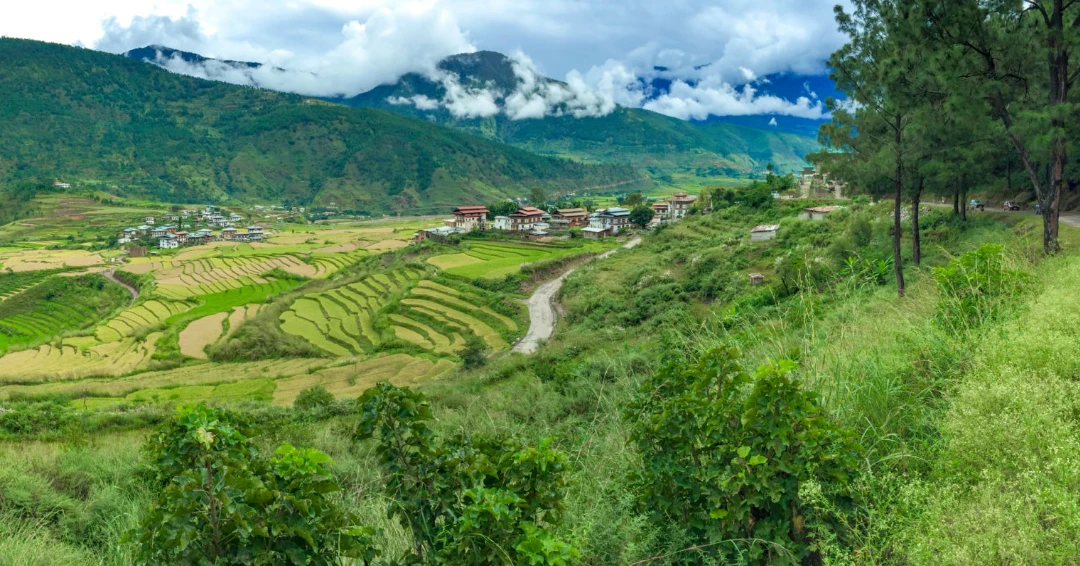
Malé is warm all year, with a drier north-east monsoon period roughly from December to April and a wetter south-west monsoon for much of the rest of the year. Bhutan has four distinct seasons. Spring (March to May) and autumn (September to November) attract the most visitors. Summer (June to August) is the monsoon, and winter (December to February) is cold but clear, especially at altitude.
The temperature difference is the biggest adjustment for Maldivian travellers. Even in spring and autumn, mornings and evenings in Paro and Thimphu are chilly by Malé standards, and winter nights can drop below freezing. Bring a proper warm jacket, a fleece, gloves and closed shoes; these are hard to buy at short notice in Malé. Spring offers the Paro Tshechu and autumn the Thimphu Tshechu, both following the lunar calendar.
Malé Time vs Bhutan Time: One Hour Forward
The Maldives uses UTC+5 all year. Bhutan Standard Time is UTC+6, also without daylight saving. Bhutan is therefore one hour ahead of Malé throughout the year. When it is 6 am in Malé, it is 7 am in Paro. Note that some Maldivian resorts set their own island time, so if you are travelling from a resort rather than the capital, check which clock your transfer uses.
A Sample Malé–Paro Journey and Ideal Trip Lengths
The outline below shows one way the trip could look. It is an example, not a guarantee, and the real schedule depends on flights available when you book.
- Early morning: transfer to Velana and fly to Delhi.
- Afternoon: arrive in Delhi and rest at a hotel near the airport.
- Next morning: Drukair or Bhutan Airlines to Paro.
- Arrival: your Manifest Bhutan Expeditions guide meets you and drives you into the valley.
The guide warns that Paro flights can be delayed or diverted, for example to Bagdogra in India, when fog or high winds affect the visual approach. An overnight before the final sector is the simplest safeguard.
On timing, the relatively short flying distance means five nights is enough for Paro and Thimphu. Seven to nine nights allows you to travel further, enjoy a festival or a gentle hike, and acclimatise to both altitude and cold at a comfortable pace.
Malé FAQ
Do Maldivians need a visa for Bhutan?
According to our guide, Maldivian citizens receive an entry permit on arrival rather than an advance visa, arranged through the tour operator. Confirm the current rules before booking.
Which hub is quickest from Velana?
It depends on the season's schedules. Delhi is typically a practical choice, with Kathmandu, Bangkok and Dhaka as alternatives.
What should I pack that I would not normally own?
Warm layers. Bhutan's valleys are much colder than Malé, particularly at night.
For more on routes, seasons and entry rules for Maldivian travellers, read How to Travel to Bhutan from Maldives. Once you have your dates, contact us and we will plan the trip around connections from Velana.