

From Lusaka, a trip to Bhutan begins at Kenneth Kaunda International Airport (LUN), north-east of the city centre. It ends in Paro, Bhutan's only international airport, after two or three connections across Africa and Asia. This page is designed for Zambians and residents of the capital, and complements our broader Zambia guide with route, timing and paperwork details.
Kenneth Kaunda International: Where Your Route Splits
At Kenneth Kaunda International, your choice of airline sets the direction of your journey. Our Zambia guide describes two main paths:
- East via Nairobi: Kenya Airways from Lusaka to Nairobi, then onward to Bangkok, where you connect to Drukair or Bhutan Airlines.
- North via Addis Ababa: Ethiopian Airlines to Addis Ababa, then to Delhi or Kathmandu for the Bhutanese leg.
Drukair and Bhutan Airlines are the only carriers that fly into Paro. The guide notes Drukair flies from Bangkok, Delhi, Kathmandu and Singapore, with Bhutan Airlines serving similar routes. Check current schedules, as the number of weekly departures varies.
Kenneth Kaunda International is a modern terminal, but international departures from Lusaka are fewer than from larger African hubs, so the first sector is often the one with least flexibility. Book it first, then fit the rest around it. If you have the choice, a through ticket to your Asian gateway gives you protection if a delay causes a missed connection. Arrive at the airport early, keep your Bhutan visa approval letter and tour confirmation in your hand luggage, and pack medication and a change of clothes in your cabin bag in case checked luggage takes longer to catch up.
Laying Out the Journey: A Lusaka Example
One illustrative routing looks like this. A traveller leaves Lusaka in the afternoon on Kenya Airways, connects in Nairobi that evening and flies overnight to Bangkok. After arriving, they spend a night in Bangkok to recover. The next morning, they take a Drukair flight into Paro.
Our Zambia guide puts total travel times at typically 20 to 30 hours. That range assumes reasonable connections, so an overnight stop is a sensible addition rather than wasted time. If you stay in Thailand, India or Nepal between flights, confirm the entry requirements for Zambian passports beforehand.
Lusaka's Rains and Bhutan's Best Months
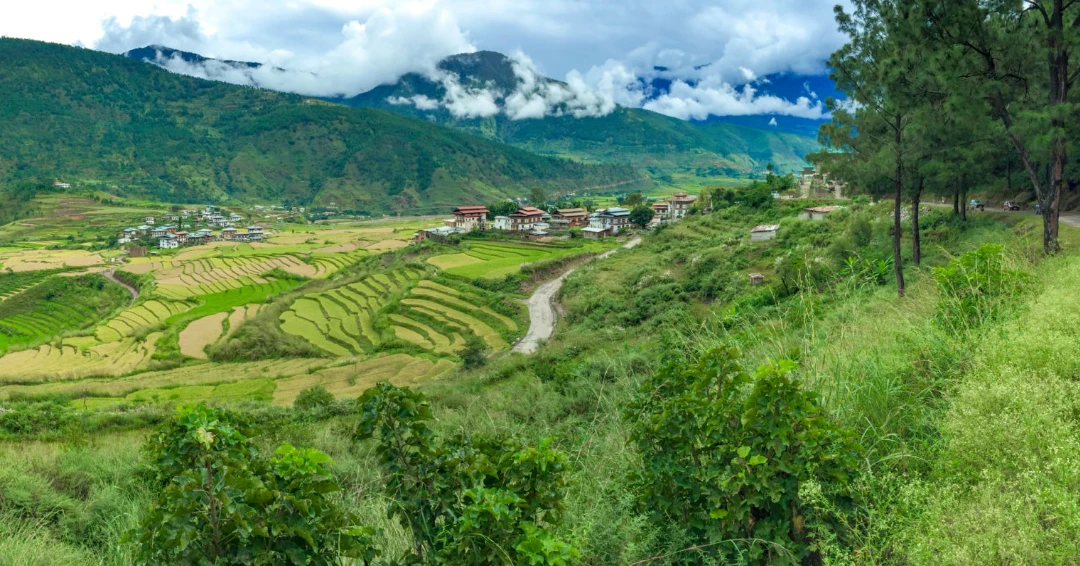
Lusaka has a rainy season from roughly November to March, a cool, dry period in the middle of the year and a hot spell before the rains return. Bhutan works to a different rhythm. Spring (March to May) and autumn (September to November) are the most popular seasons. June to August is the monsoon. December to February is cold but generally clear, especially at altitude.
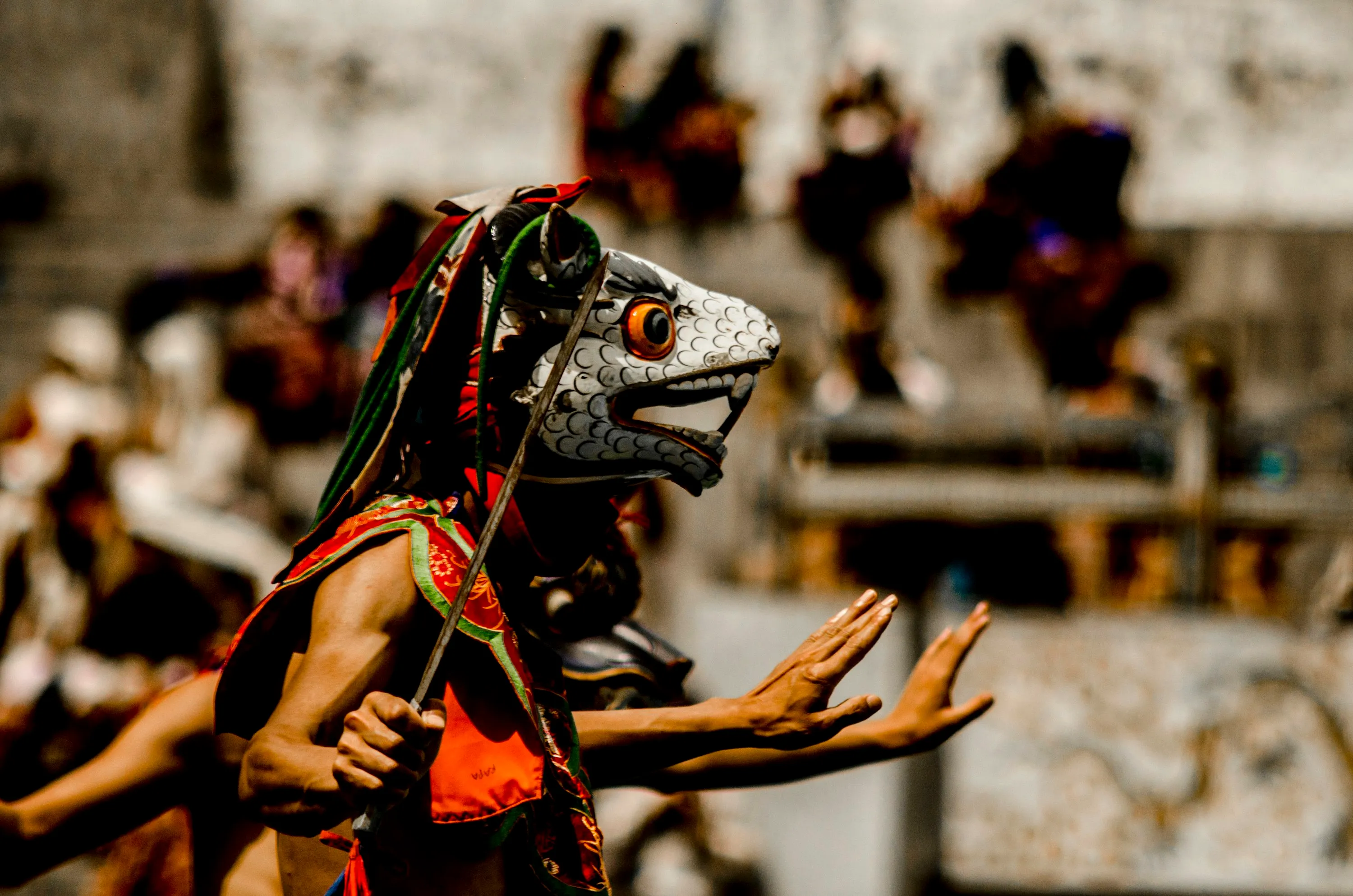
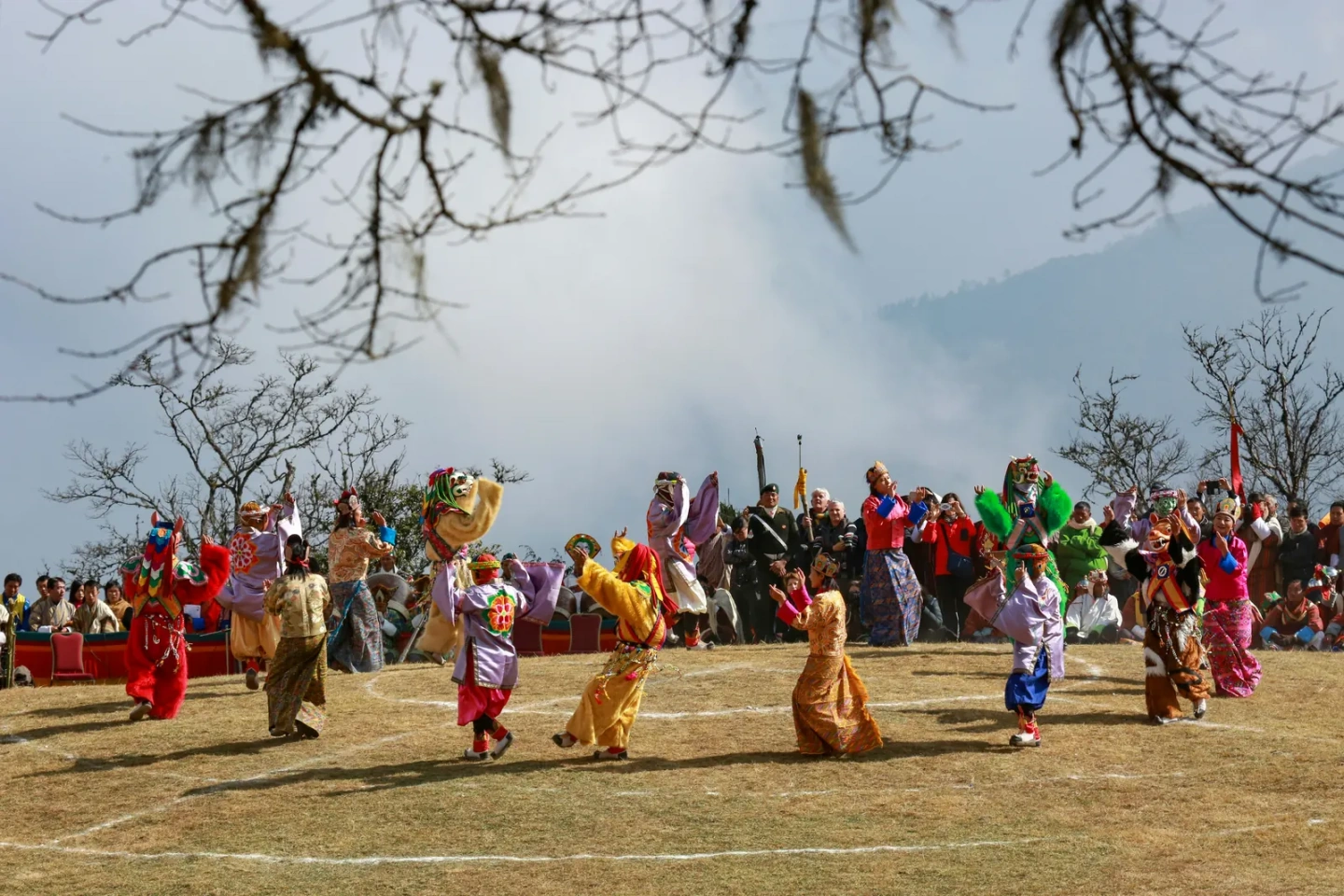
Our country guide suggests spring can suit Zambians escaping their own rainy season, and it also names autumn as a prime time. Paro Tshechu falls in spring and Thimphu Tshechu in autumn, with dates following the lunar calendar. Bring warm layers either way, because valley mornings can be sharply colder than a Lusaka winter.
The Zambian dry season, from around May to October, is a popular time for safaris at home, so some travellers prefer to leave for Bhutan in spring or late autumn instead. Winter in Bhutan can also appeal: the days are often bright and the main sights quieter, though higher passes can be very cold. Summer visits are possible, but monsoon cloud tends to hide the mountains and can affect road travel.
Four Hours Ahead: Time in Lusaka and Bhutan
Zambia uses Central Africa Time, UTC+2, with no daylight saving. Bhutan is on UTC+6 all year. That puts Bhutan four hours ahead of Lusaka at all times; a 7am start in Paro is 3am at home.
To soften the change, try to sleep on the overnight sector and get outside in daylight after you land. A quieter first day in Paro is a good idea.
Visa Steps and Fees for Zambian Passport Holders
Zambian citizens need a Bhutan visa, applied for online before travel. Our Zambia guide explains that your licensed Bhutanese tour operator usually submits it, using your passport copy (valid for at least six months beyond arrival), a recent photo and your flight details.
Next, factor in the Sustainable Development Fee. It is currently USD 100 per adult per night for most international visitors; check the latest rates with the Department of Tourism before booking. Finally, take out travel insurance that covers your whole stay in Bhutan, which is required.
Do not forget transit rules for Kenya, Ethiopia, Thailand, India or Nepal, depending on your route.
Recommended Durations from Zambia
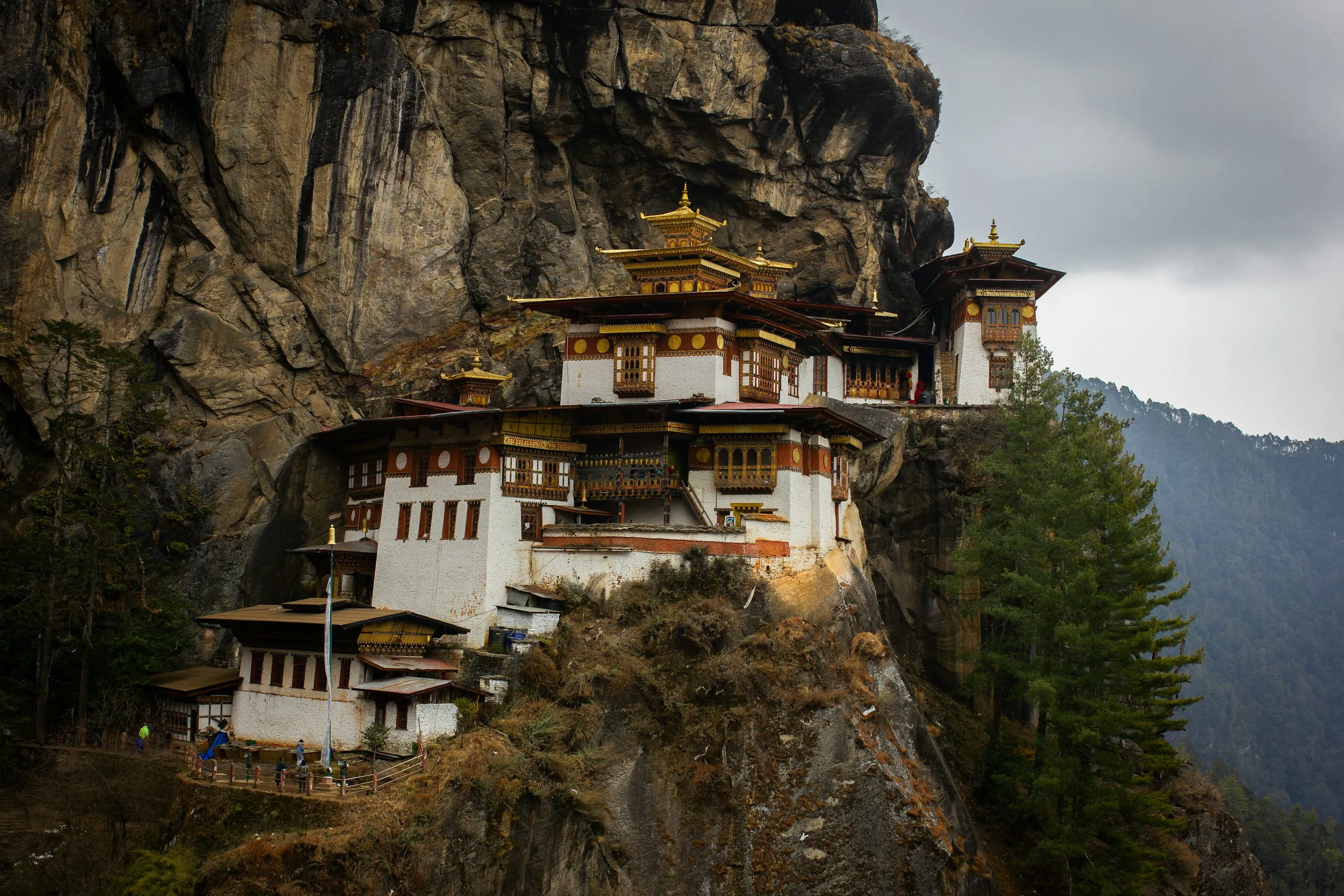
- Six nights: Paro, Thimphu and Punakha, including Taktsang.
- Nine nights: Phobjikha and the central valleys at a relaxed pace.
- Twelve nights or more: Bumthang, a tshechu or a short trek.
Paro's approach is visual-only and weather can cause delays, so a buffer day before your homeward connections is worth having.
Lusaka Questions, Briefly Answered
Should I go via Nairobi or Addis Ababa?
Both are typical. Nairobi pairs well with Bangkok, Addis Ababa with Delhi or Kathmandu. Compare current schedules for your dates.
Can I pay in kwacha in Bhutan?
No. Bhutan uses the ngultrum, pegged 1:1 to the Indian rupee. ATMs are mainly in towns, so bring some cash.
Is it worth stopping overnight on the way?
Usually yes, given the total journey time and the chance of weather delays at Paro.
The Complete Zambia Guide
For more on visas, costs and sample itineraries, read How to Travel to Bhutan from Zambia. Then share your preferred dates, and we will help plan your Bhutan programme around flights from Lusaka.