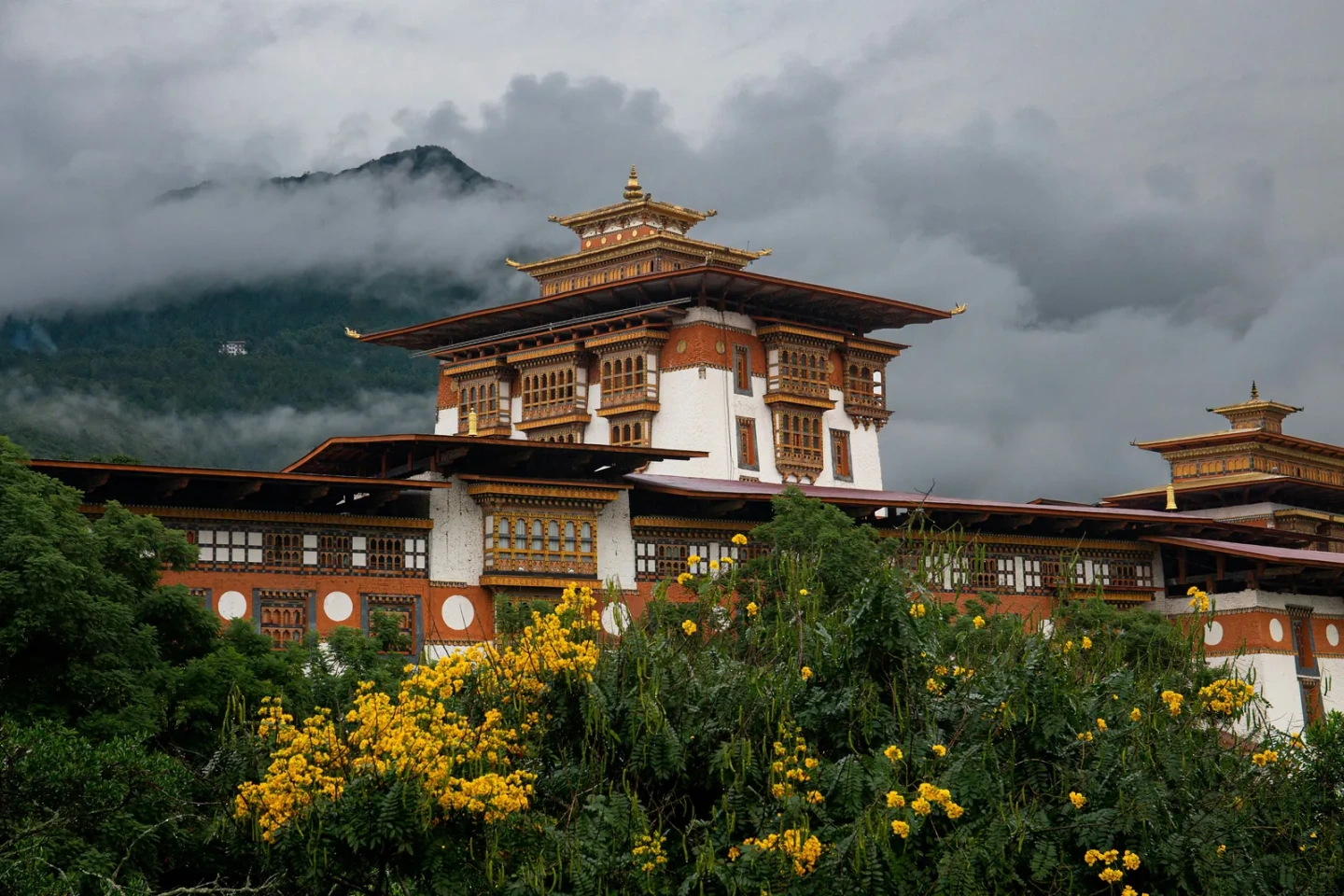
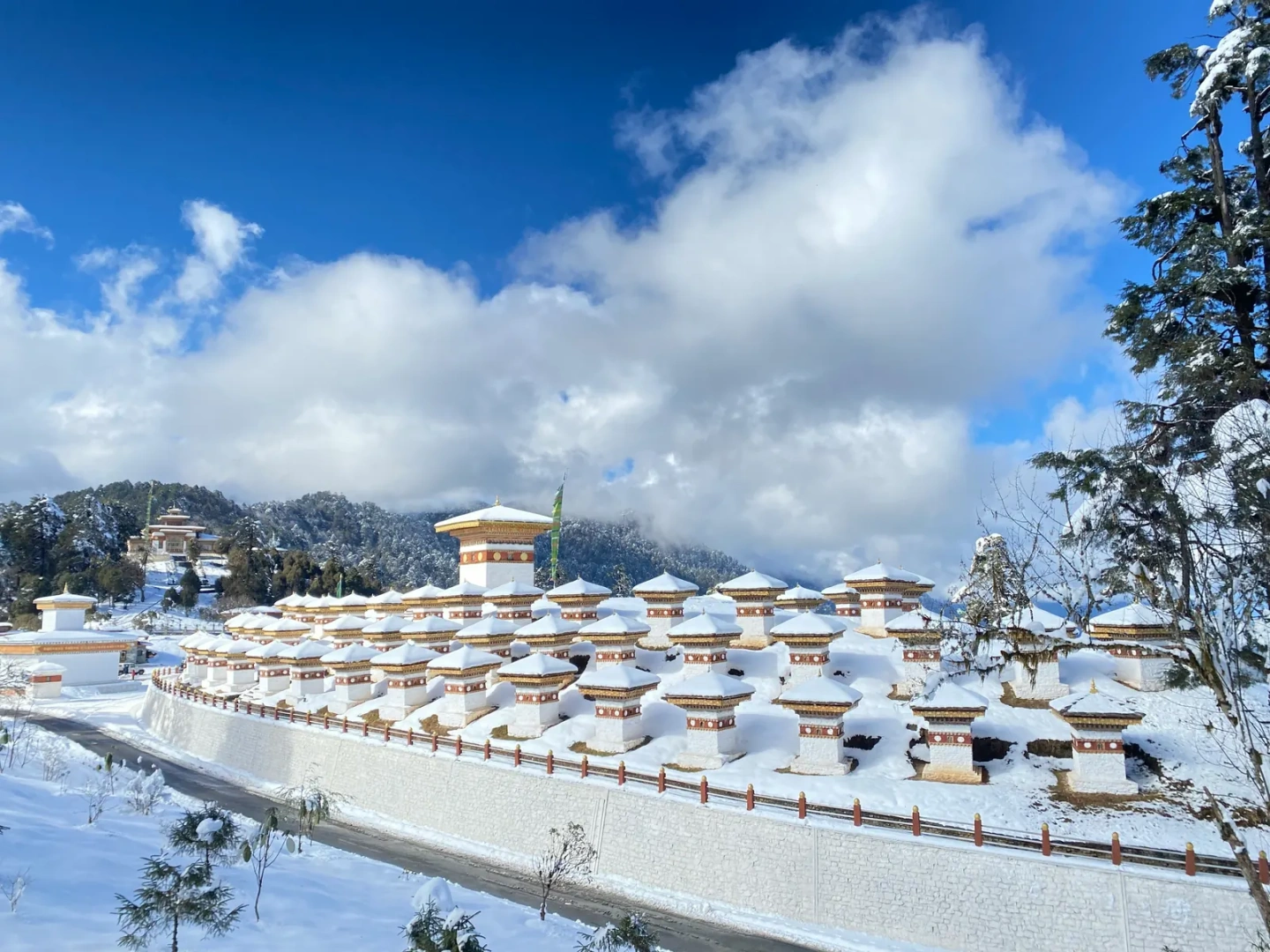
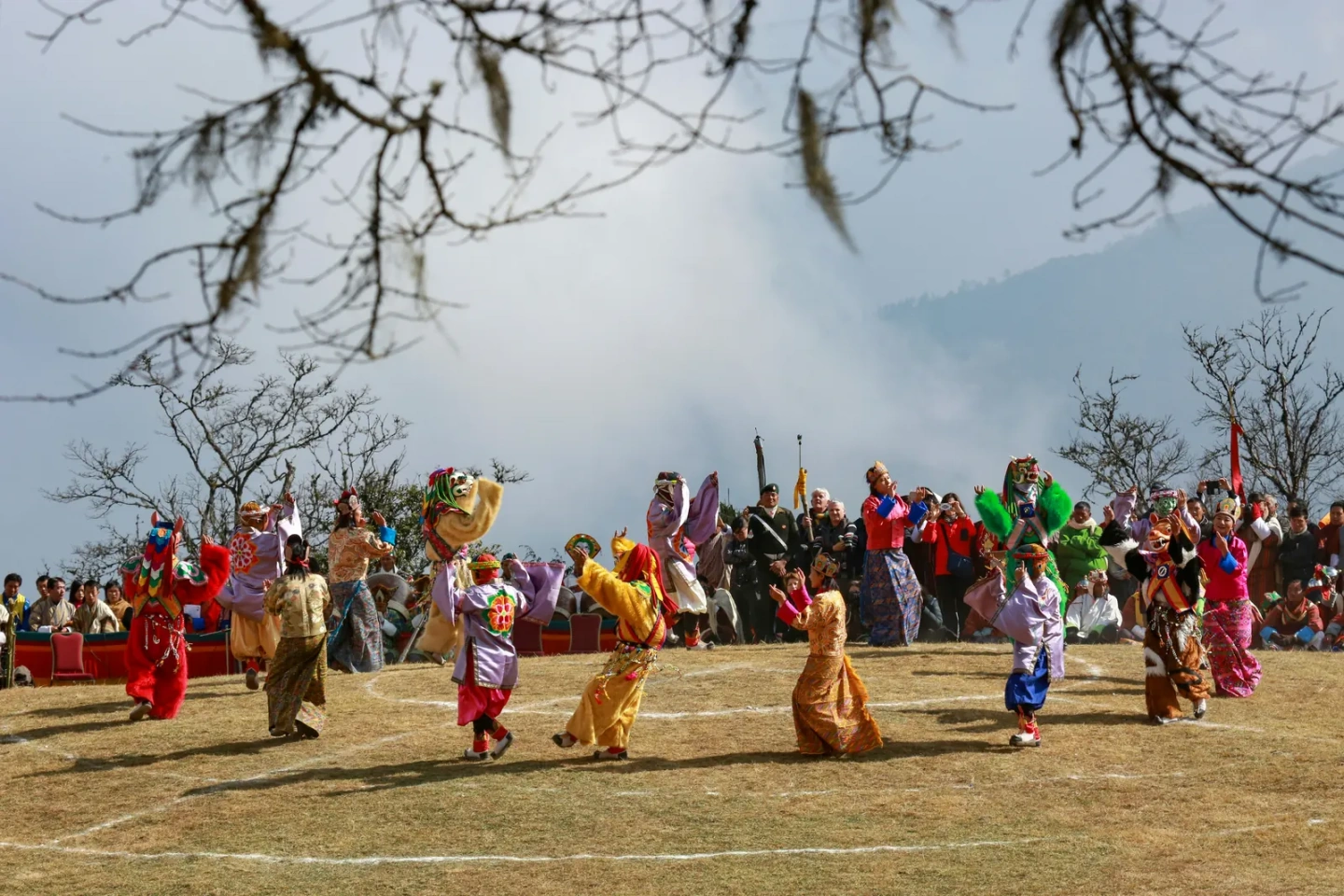
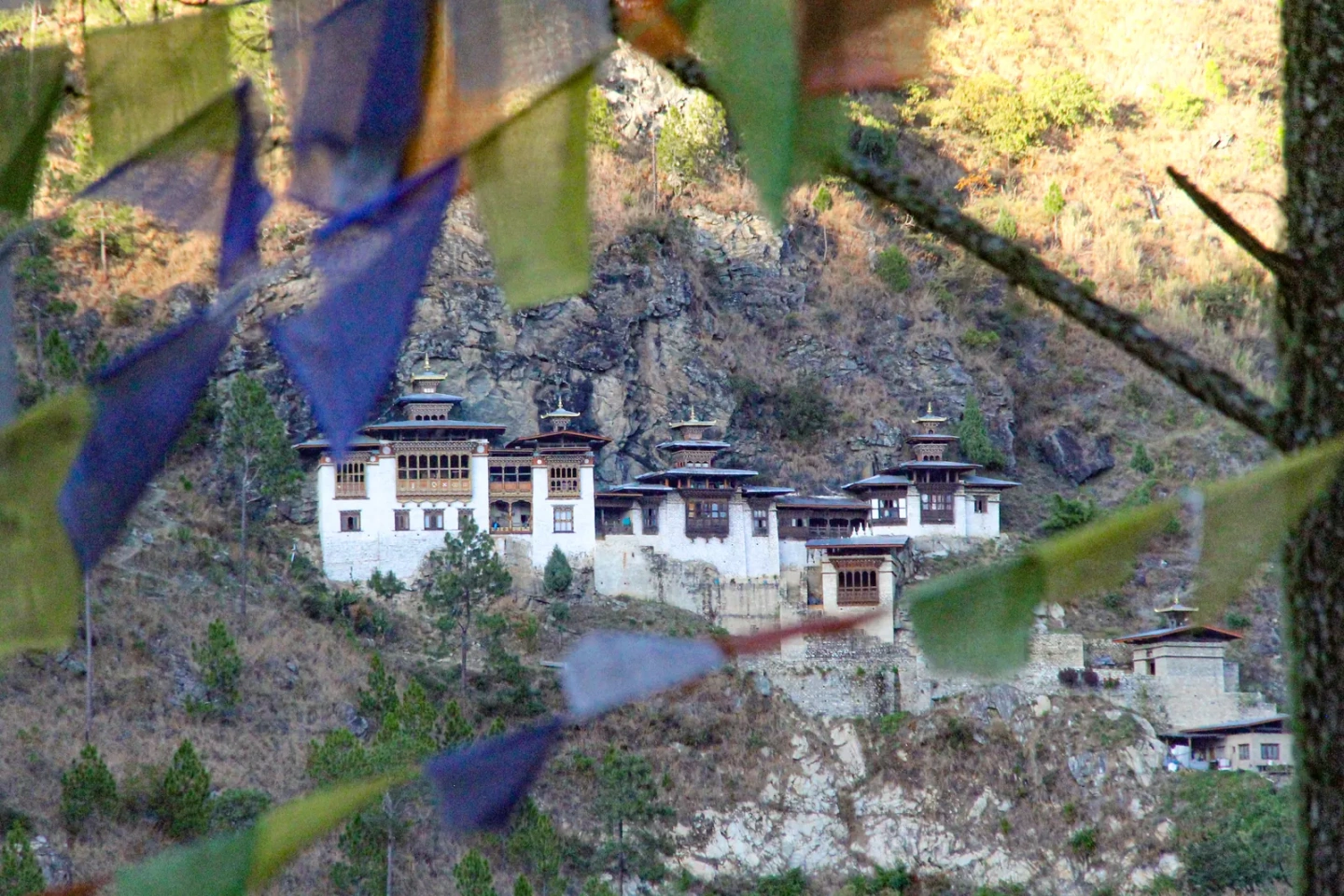


From Lima's Pacific coastline to the valleys of the eastern Himalaya is one of the longest journeys a Peruvian traveller can make. Almost every trip starts at Jorge Chávez International Airport (LIM) in Callao, on the western edge of the capital, and involves a crossing to Europe or the Middle East before the last stretch through Asia to Paro. If you have travelled from Lima up to the Andes, you already know that the effort of getting somewhere high is part of the reward. Here is how the trip to Bhutan typically comes together.
Jorge Chávez and the Atlantic Crossing
The Peru guide lays out the first stage clearly: fly from Jorge Chávez with LATAM or Avianca to Madrid or Amsterdam. From Europe you then continue towards Asia, typically with Thai Airways to Bangkok, or with Air India or Iberia towards Delhi.
Plan generous time for getting to the airport, as traffic in Lima and Callao can be heavy, and long-haul check-in closes early. It is also worth keeping your first international ticket and your Europe-to-Asia ticket on the same booking where possible, so that a delay on the Atlantic crossing does not leave you to rebook the next flight alone. Your tour operator can then fit the Bhutanese sector around whichever arrival time you end up with.
Three Ways from Lima to the Himalaya
Depending on fares and timing, travellers from Lima usually choose one of these approaches:
- Lima – Europe – Bangkok – Paro, using Thai Airways from Europe to Thailand;
- Lima – Europe – Delhi – Paro, with Air India or Iberia for the middle stage;
- Lima – Doha or Istanbul – Kathmandu – Paro, with Qatar Airways or Turkish Airlines, if you want to visit Nepal too.
The final sector is always on Drukair (Royal Bhutan Airlines) or Bhutan Airlines, the two carriers flying into Bhutan. The Peru guide estimates total travel time of 25 to 35 hours including layovers. Check current schedules, as routes change from season to season, and let your tour operator, who coordinates the Bhutanese sector, match it to your long-haul arrival.
A Possible Lima-to-Paro Itinerary
As an example only, the journey could unfold like this:
- Day 1: fly from Jorge Chávez to Madrid overnight.
- Day 2: connect in Madrid to a flight towards Delhi.
- Day 3: arrive in Delhi and rest at a hotel near the airport.
- Day 4: fly to Paro on Drukair or Bhutan Airlines and meet your guide.
A rest night in Asia is particularly valuable from Lima. Paro's approach through the valley is flown visually and weather can delay it, so a buffer protects your trip. Plan a similar pause on the way home before the long flights back to Peru.
Eleven Hours Ahead: Lima vs Bhutan Time
Peru stays on UTC−5 all year, without daylight saving, and Bhutan uses UTC+6 with no clock changes either. Bhutan is therefore a steady 11 hours ahead of Lima. When it is 9 pm in Lima, it is already 8 am the next day in Paro.
That is a near-total reversal of your body clock. Expect a few days to adjust: spend time in daylight on arrival, stay awake until a local bedtime, and keep your first day in Bhutan light.
Garúa Grey and Himalayan Blue: Comparing Seasons
Lima is famously dry, with a sunny summer from roughly December to April and a long, overcast winter under the coastal garúa mist. Bhutan is quite different. Spring (March to May) and autumn (September to November) are the favourite seasons for travellers; summer, June to August, is the monsoon; and winter, December to February, is cold but clear, especially at altitude.
Many Limeños like to travel in Bhutan's autumn, which coincides with the grey months at home, and the change to clear mountain skies can be striking. Spring also works well. Paro Tshechu comes in spring and Thimphu Tshechu in autumn; both follow the lunar calendar, so dates vary each year.
Peruvian Passports: Visa, SDF and Cover
Peruvian citizens need a Bhutan visa, applied for online in advance and usually arranged by a licensed Bhutanese tour operator. Manifest Bhutan Expeditions handles the submission once your itinerary is set, using the passport copy and photo you provide. The Peru guide recommends six months' passport validity beyond your stay.
Bhutan's Sustainable Development Fee is now USD 100 per adult per night for most international visitors. Check the latest rates with the Department of Tourism before booking. Travel insurance covering your full stay is mandatory. The Peru guide also reminds travellers to check transit rules: it notes that India requires an e-visa for Peruvians, while Thailand and Nepal offer visas on arrival. Confirm the current position before you travel.
Trip Lengths Worth the Journey from Lima
Because the outward and return journeys each take two days or more, a longer stay is usually more satisfying:
- 8 nights: Paro and Thimphu plus a gentle first day to recover.
- 10 to 12 nights: a broader circuit through the valleys.
- 2 weeks or more: time for a trek or a combined Nepal and Bhutan trip.
Lima Departures: Frequently Asked
Can I fly from Cusco or Arequipa?
The Peru guide mentions both as starting cities, but international connections usually run through Lima's Jorge Chávez airport.
Is Paro high compared with Cusco?
The Peru guide gives Paro airport's elevation as 2,235 metres, considerably lower than Cusco, so most Peruvians coming from the highlands will find it familiar.
What currency is used?
The ngultrum (BTN), pegged 1:1 to the Indian rupee. Carry some cash, as ATMs are mostly in towns.
Our complete guide, How to Travel to Bhutan from Peru, covers visas, routes and itineraries in more depth.