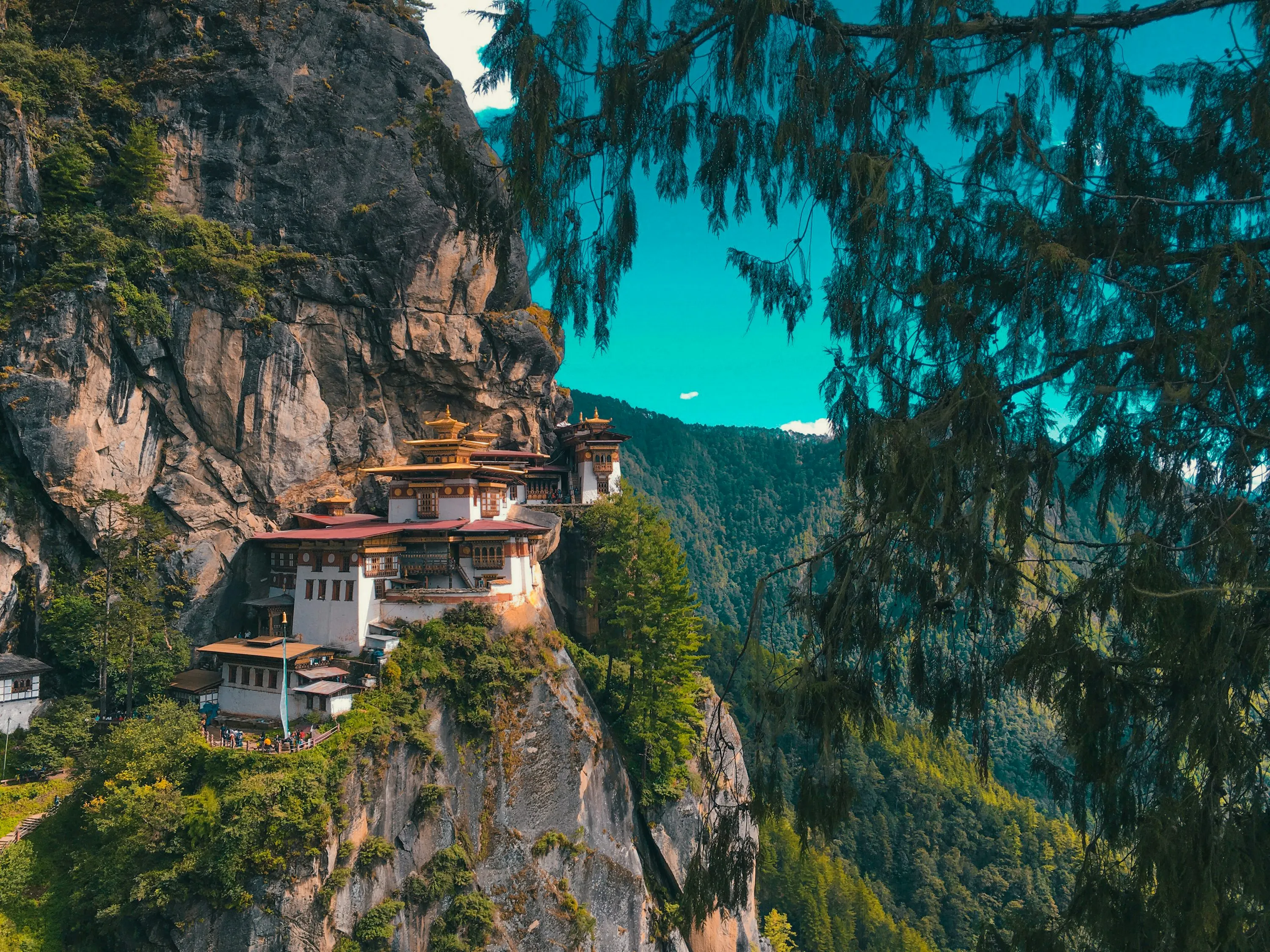
Havana and Bhutan sit almost on opposite sides of the world, so a trip between them is a real expedition. Most Cuban travellers start at José Martí International Airport (HAV), south of the capital, and connect through Europe or the Middle East before reaching Asia and finally Paro. The journey is long, but with sensible planning it becomes part of the adventure. This guide explains how the trip from Havana typically works.
Departing José Martí: Which Way First?
From Havana, the first decision is whether to head towards Europe or the Gulf. The Cuba guide mentions both: flights to European hubs such as Madrid or Frankfurt, and routings through Dubai in the Middle East. Air Europa, Iberia and Turkish Airlines are the carriers it names for getting you out of Cuba and onwards.
Travellers from Santiago de Cuba or other cities sometimes join the network elsewhere, but for most people José Martí is the natural starting point.
The Middle Stretch: Europe to Asia
Once you reach Europe or the Gulf, the next aim is an Asian gateway served by Bhutan's own carriers. Only two airlines fly into Bhutan: Drukair (Royal Bhutan Airlines) and Bhutan Airlines. From Havana, the cities most often used for that last connection are:
- Delhi, the usual choice when routing through Madrid or Frankfurt;
- Bangkok, comfortable for a rest stop after the long crossing;
- Kathmandu, if Nepal is part of your plan.
The Cuba guide warns that total travel time can exceed 30 hours with layovers. Schedules change often, so check current schedules with each airline and reconfirm flights shortly before you depart.
Havana to Paro in Practice: One Possible Plan
Treat this as an example rather than a guaranteed timetable:
- Day 1: fly out of José Martí to Madrid with Iberia or Air Europa.
- Day 2: continue from Madrid to Delhi on a connecting long-haul flight; spend the night in Delhi.
- Day 3: board Drukair or Bhutan Airlines for Paro and be welcomed by your guide.
A night in Delhi breaks the journey and protects your Bhutan connection, which matters because flights into Paro rely on a visual approach and can be delayed by weather. Plan a similar buffer on the way back.
Havana Time and Bhutan Time
Cuba observes daylight saving time, sitting on UTC−5 in its winter months and UTC−4 during summer time. Bhutan keeps UTC+6 throughout the year. That puts Bhutan 11 hours ahead of Havana in the Cuban winter and 10 hours ahead when Cuban clocks have moved forward.
In other words, your evening in Havana is the next morning in Paro. A gap this large takes several days to absorb, so keep the first full day in Bhutan light, get outside in daylight, and avoid long naps.
Caribbean Warmth, Himalayan Seasons
Havana is warm and humid for much of the year, with a wetter period through summer and early autumn and the Atlantic hurricane season running from June to November. Bhutan's climate is shaped by altitude. Spring (March to May) and autumn (September to November) are the most popular seasons, summer (June to August) is the monsoon, and winter (December to February) is cold but clear, especially at altitude.
Autumn is often ideal for Cuban travellers: you leave behind the end of the hurricane season and arrive to clear Himalayan skies. Spring is a close second. Bring proper warm clothing whenever you go; Bhutanese evenings can feel very cold after Havana. Paro Tshechu (spring) and Thimphu Tshechu (autumn) are major festivals, but their dates follow the lunar calendar and shift every year.
Preparing Your Visa, SDF and Insurance
Cuban citizens need a Bhutan visa, which you apply for online ahead of travel, normally via a licensed Bhutanese tour operator. Manifest Bhutan Expeditions handles this for our guests: you send a passport copy and photo, we submit the application, and you receive the approval to present on arrival. The Cuba guide recommends a passport valid for at least six months beyond your stay.
The Sustainable Development Fee is currently USD 100 per adult per night for most international visitors and forms part of your package cost. Please check the latest rates with the Department of Tourism before booking. You will also need travel insurance for your whole stay in Bhutan. Since your route passes through Europe or the Gulf, check transit visa rules for Cuban passport holders in each country you pass through.
How Long to Stay When Coming from Cuba
After a journey of more than a day each way, a longer stay is usually more rewarding:
- 7 to 8 nights: Paro, Thimphu and an easy introduction to rural valleys.
- 10 nights: a deeper circuit with more walking and fewer early starts.
- 2 weeks: time for a trek or for combining Bhutan with Nepal.
Havana Departures: Your Questions
Can I fly from Havana to Bhutan in one ticket?
Sometimes the international sectors can be ticketed together, but the Bhutanese leg is often booked separately. Your tour operator can coordinate the timing.
Will Cuban pesos be useful on the way?
Not really. Plan to carry a widely accepted currency for transit stops, and use ngultrum once in Bhutan.
Is Europe or the Middle East the better route?
It depends on fares and connections at the time you book. Both are described in the Cuba guide, so compare current schedules.
How much cash should I carry?
Bring some cash for small purchases. Bhutan's ngultrum is pegged 1:1 to the Indian rupee, and ATMs are mainly in towns.
For the complete picture, including routes from other Cuban cities, see How to Travel to Bhutan from Cuba.