




Harare's Robert Gabriel Mugabe International Airport (HRE), south-east of the city centre, is the main starting point for travellers heading from the Zimbabwean capital to Bhutan. No airline links southern Africa directly with Bhutan, so the trip involves a regional hop, a long-haul flight to Asia and a final flight into Paro. This page focuses on that journey from Harare, with a sample routing, the time difference, seasonal advice and the visa steps for Zimbabweans.
Robert Gabriel Mugabe Airport: First Steps from Harare
Our Zimbabwe guide lists South African Airways, Emirates and Ethiopian Airlines among the carriers for the first part of the journey, connecting through Johannesburg, Dubai or Addis Ababa. The guide estimates Harare to Johannesburg at about two hours, making it the shortest opening leg. Arrive at HRE in good time and carry printed copies of your bookings and Bhutan visa approval.
Johannesburg, Dubai or Addis Ababa: Comparing Hubs
- Johannesburg: a short first flight, then a long-haul flight to Delhi, which our Zimbabwe guide estimates at around 10 to 12 hours.
- Dubai: with Emirates, a single connection towards Delhi or Bangkok.
- Addis Ababa: with Ethiopian Airlines, linking onward to South Asia.
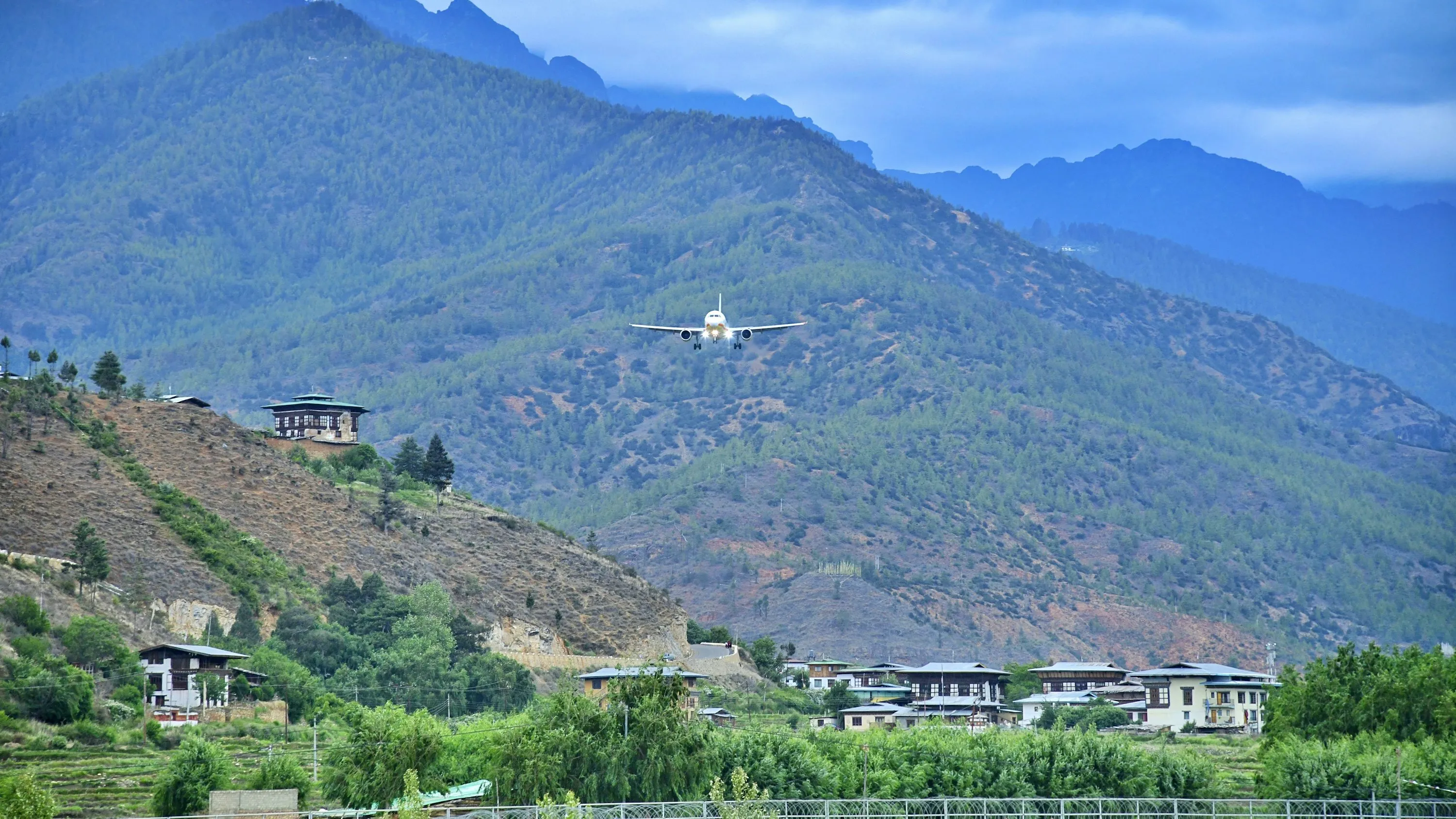
The Asian gateways for Bhutan are typically Delhi, Bangkok and Kathmandu. Only Drukair (Royal Bhutan Airlines) and Bhutan Airlines operate flights into Paro, so check current schedules for the final leg and let your tour operator coordinate it with your visa.
Harare to Paro: A Worked Example
The following is one example of how the journey could be organised; it is not a fixed plan:
- Day 1: fly from Harare to Johannesburg, then connect to an evening long-haul flight towards Delhi.
- Day 2: arrive in Delhi and rest at an airport hotel.
- Day 3: morning Drukair flight to Paro, a short sector of roughly two hours according to our guide.
Our Zimbabwe guide estimates 20 to 30 hours of total travel including layovers, and advises building in buffer days in case fog or wind delays the Paro flight.
Harare Time and Bhutan Time
Zimbabwe uses Central Africa Time, UTC+2, all year without daylight saving. Bhutan holds UTC+6, also without clock changes. So Bhutan is always four hours ahead of Harare: when it is 10 am in Harare, it is 2 pm in Paro. The shift is moderate; one or two nights of good sleep are usually enough to adjust.
Highveld Seasons and Bhutan's Year
Harare's highveld climate is pleasant for much of the year, with a rainy season roughly from November to March and a cool, dry winter in the middle of the year. Bhutan's seasons follow the northern hemisphere pattern. Spring (March to May) and autumn (September to November) are its most popular times, with clear skies and comfortable temperatures. Summer (June to August) is the monsoon, which coincides with Harare's dry winter. Winter in Bhutan (December to February) is cold but clear, especially at altitude, and noticeably colder than Harare's winter, so pack warm layers.
Paro Tshechu in spring and Thimphu Tshechu in autumn are highlights for many visitors; their dates follow the lunar calendar and change each year.
Visa, SDF and Insurance for Zimbabweans
Zimbabwean passport holders need a Bhutan visa, applied for online before travel and usually arranged through a licensed Bhutanese tour operator. You send a passport scan and travel dates, and the operator files the application with your itinerary.
Zimbabweans pay the same Sustainable Development Fee as most international guests, which is presently USD 100 per adult per night. Check the latest rates with the Department of Tourism before booking. Travel insurance that covers your whole stay is required. Also check the transit requirements for South Africa, the UAE, Ethiopia or India, depending on your route.
The ngultrum is pegged one-to-one with the Indian rupee. ATMs are mainly in towns, so bring some cash; US dollars are handy along the way.
Book the Bhutan side first: once your operator has confirmed the Paro flights and the visa, purchase the Harare departure and long-haul legs to match. Seats into Paro are limited, especially in October and around the spring festival, so this order avoids costly changes later.
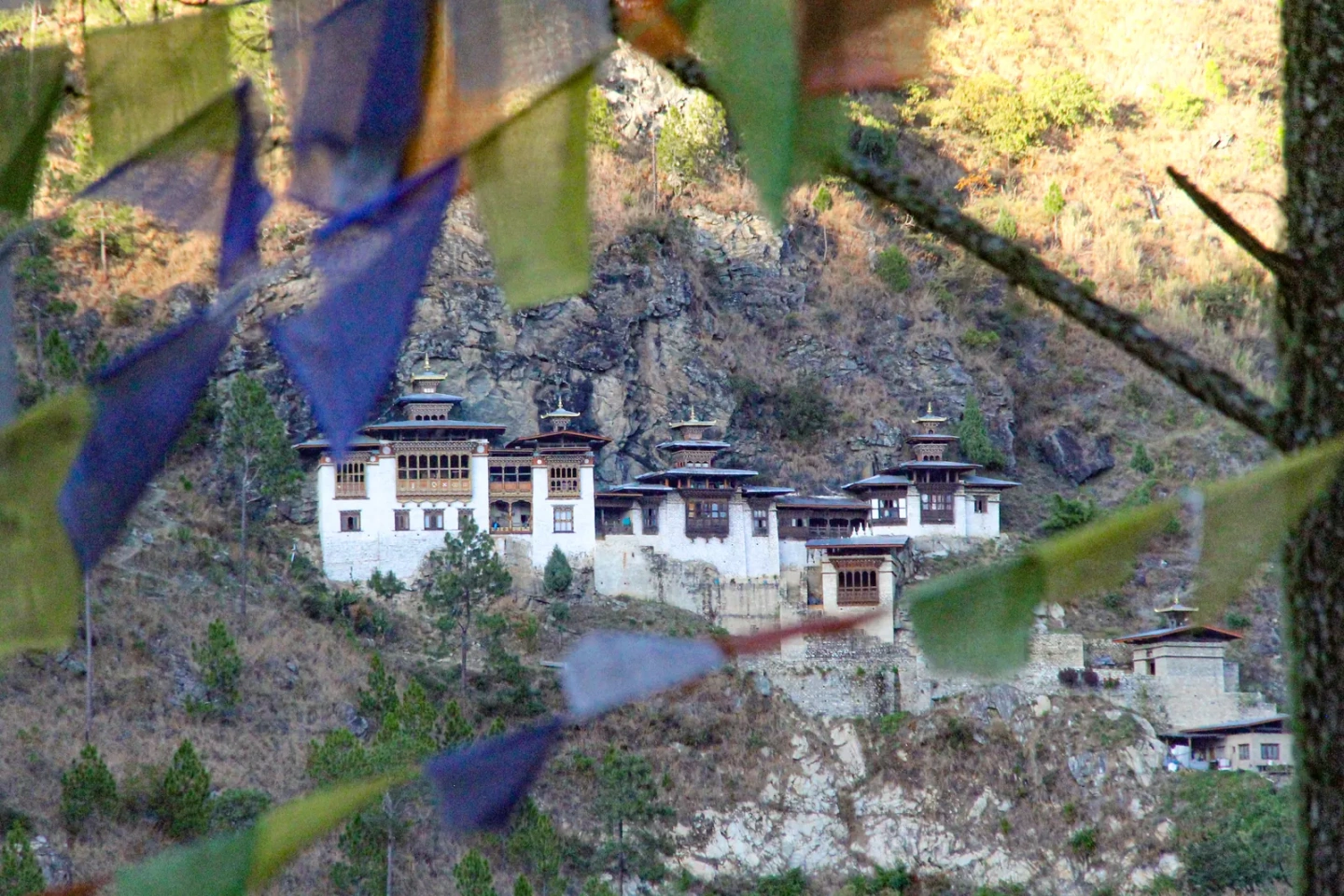
Packing is the other piece of preparation. Keep medication, a warm layer and copies of your documents in your hand luggage, as your bags may be transferred between two or three airlines. Comfortable walking shoes are a must for the Tiger's Nest hike and monastery visits, and modest clothing covering shoulders and knees is expected when entering dzongs and temples.
Finally, think about the return journey as carefully as the outbound one. Paro departures can be held for weather, and a missed long-haul connection from Delhi or Bangkok can be expensive to rebook. Ending your Bhutan itinerary with a free day, or spending a night in the gateway city on the way home, gives you a comfortable margin before the flights back to Harare.
Trip Lengths Suited to Harare Travellers
- Six nights: Paro, Thimphu and Punakha with the Tiger's Nest hike.
- Nine nights: adds Phobjikha and a slower pace.
- Twelve nights or more: continues to Bumthang or combines Bhutan with Nepal.
Harare FAQ
Which is the quickest hub from Harare?
Johannesburg is the shortest first leg, according to our Zimbabwe guide, but compare total journey times on your dates.
Can I fly from Bulawayo?
Our Zimbabwe guide mentions Bulawayo, though you may need an additional connection.
Do I need a transit visa?
It depends on your route and nationality. Check the rules for each transit country before booking.
For complete itineraries and costs, read How to Travel to Bhutan from Zimbabwe.