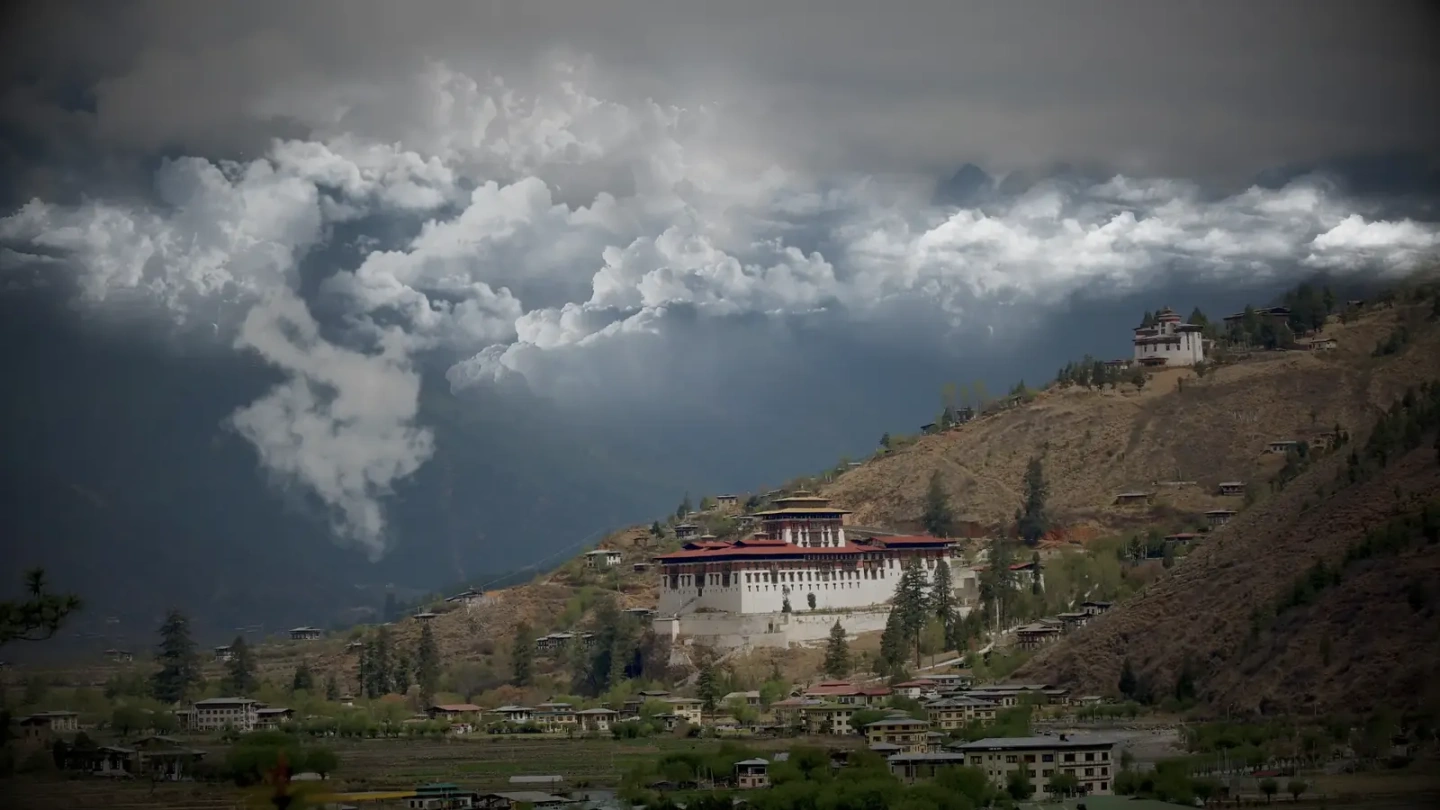



Georgetown, Guyana's capital on the Demerara estuary, is the starting point for most Guyanese travellers bound for Bhutan. Long-haul journeys leave from Cheddi Jagan International Airport (GEO) at Timehri, south of the city along the Demerara River. From there, the trip to the Paro valley involves several flights, but with good planning it becomes a series of manageable steps.
Timehri Bound: Leaving Georgetown
The drive from central Georgetown to Cheddi Jagan International takes you along the East Bank. It is worth leaving plenty of time, especially for early or late departures, because the first flight sets the pace for every connection afterwards.
There are no direct flights from Guyana to Bhutan. You will typically fly from Timehri to a larger international hub, then continue on a long-haul flight to one of the Asian cities with services to Paro.
Choosing an Asian Gateway
Paro International Airport is Bhutan's only international airport, and only two airlines fly there: Drukair (Royal Bhutan Airlines) and Bhutan Airlines. Drukair and Bhutan Airlines link Paro with a handful of gateways, among them Delhi, Kolkata, Bagdogra, Guwahati, Kathmandu, Bangkok, Singapore and Dhaka.
- Delhi: a popular choice for long-haul travellers, with a short final hop.
- Bangkok: comfortable for an overnight stop and well connected.
- Singapore: another convenient option if your long-haul routing passes that way.
Our Guyana guide does not settle on one routing from Georgetown, so the practical approach is to start with the long-haul hub that suits you and match it to a gateway. Check current schedules for both sectors, as flights into Paro are limited and vary by season.
When comparing options, think beyond the fare. A routing with a sensible overnight in the gateway city usually works out better than one with a tight same-day connection, because a delay on any earlier leg can otherwise cost you the Paro flight.
One Way the Journey Could Run
The outline below is an example of how a Georgetown departure might be structured. It is not a fixed or guaranteed schedule.
- Day 1: Leave Georgetown for Timehri and fly to a major international hub.
- Day 2: Long-haul flight to Delhi; overnight near the airport.
- Day 3: Morning flight to Paro with Drukair or Bhutan Airlines.
The Guyana guide highlights Paro's strict visual flight rules, daylight-only operations and the chance of delays in poor weather, so a buffer night in the gateway is a sensible safeguard.
Keep printed copies of your visa clearance and tour confirmation alongside your passport, as airline staff in the gateway city may ask to see them before you board.
Another tip for Timehri departures: confirm whether your bags will be checked through to the gateway city or need collecting at the first hub. On separate tickets, you will normally collect them and check in again, which takes time you should build into the plan.
Guyana Time and Bhutan Time
Guyana uses UTC-4 throughout the year with no daylight saving. Bhutan is on UTC+6, likewise without seasonal changes. That makes Bhutan ten hours ahead of Georgetown at all times. When it is 8am in Georgetown, it is 6pm in Thimphu.
Ten hours is a big adjustment. Aim to sleep on the long-haul leg according to Bhutan's night, eat on local time once you arrive, and plan a gentle first day.
Demerara Rains and Himalayan Seasons
Georgetown is hot and humid all year, with two rainy seasons, one in the middle of the year and a shorter one around December and January. Bhutan's climate follows a different rhythm. Spring (March to May) and autumn (September to November) are the most popular seasons, with milder weather and clearer views.
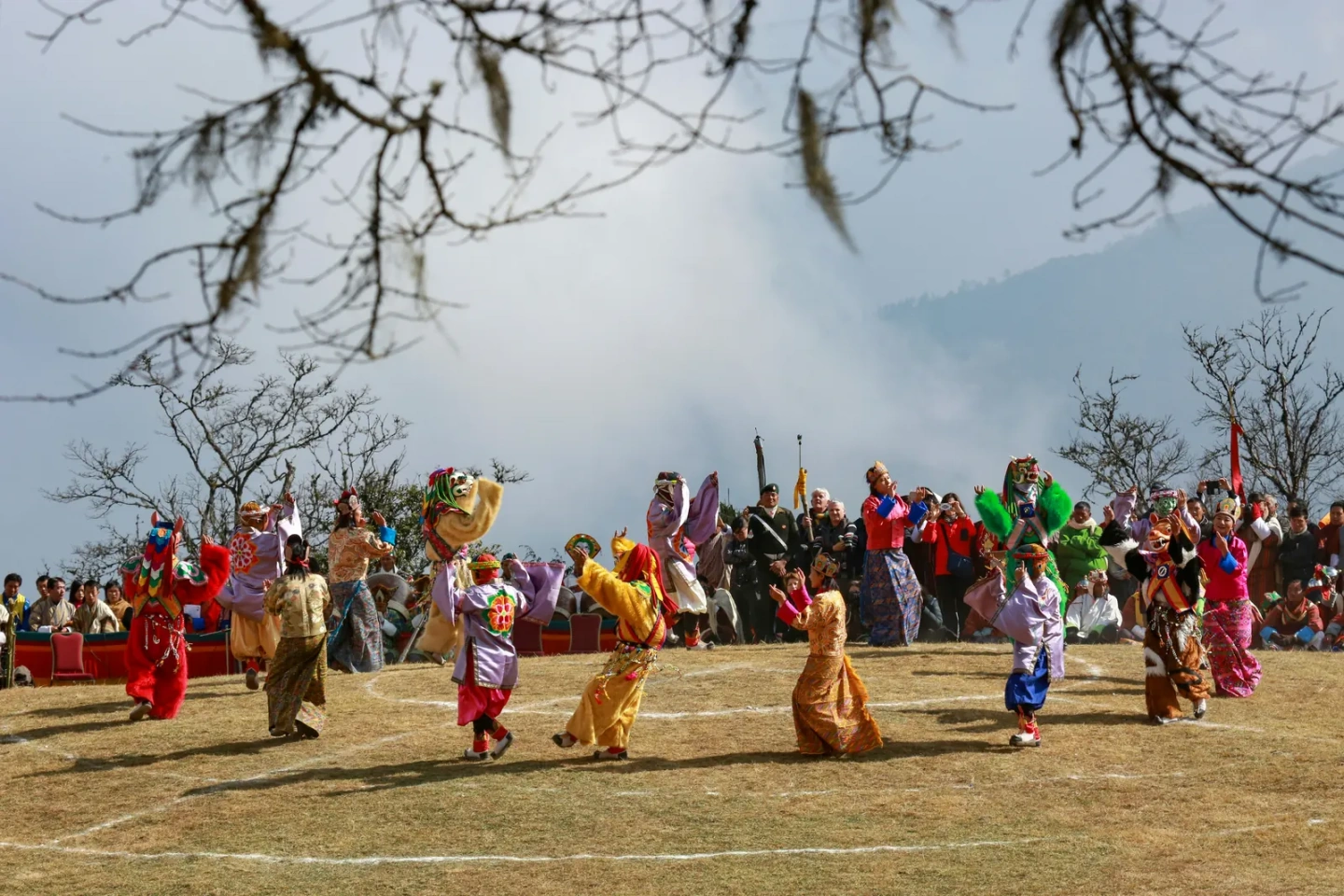
Summer (June to August) is the monsoon in Bhutan, which overlaps with Georgetown's main rainy season. Winter (December to February) is cold but often clear, particularly at altitude, so you will need warm clothing that rarely comes out at home. Paro Tshechu takes place in spring and Thimphu Tshechu in autumn, with dates that follow the lunar calendar.
Visa Steps for Guyanese Citizens
Guyanese nationals need a visa for Bhutan, applied for online in advance and usually arranged through a licensed Bhutanese tour operator. The Guyana guide notes that the tour payment, including the SDF, is made in advance and is linked to securing the visa.
- SDF: currently USD 100 per adult per night for most international visitors. Check the latest rates with the Department of Tourism before booking.
- Insurance: you need travel insurance covering your whole stay.
- Transit: check the rules for each country where you change planes.
- Money: the local ngultrum trades one-for-one with the Indian rupee, and cash machines are concentrated in towns.
Trip Lengths That Suit Georgetown Travellers
Allow at least six or seven nights in Bhutan after such a long journey. That gives time for Paro, Thimphu and one more valley. Ten nights lets you see central Bhutan at a gentler pace, and two weeks or more is ideal for trekking or a festival. Leave a spare day before your Paro departure.
Georgetown FAQs
Is there a direct flight from Georgetown?
No. You will connect at least twice, including the final flight into Paro on one of the two Bhutanese airlines.
Which gateway city should I use?
Delhi, Bangkok and Singapore are all common; choose based on your long-haul connection.
Is the SDF included in my tour price?
Normally, yes: your operator collects the fee with the tour payment, before the visa is issued.
For the full picture on visas, fees and itineraries, read How to Travel to Bhutan from Guyana, and get in touch with us to begin planning your trip from Georgetown.