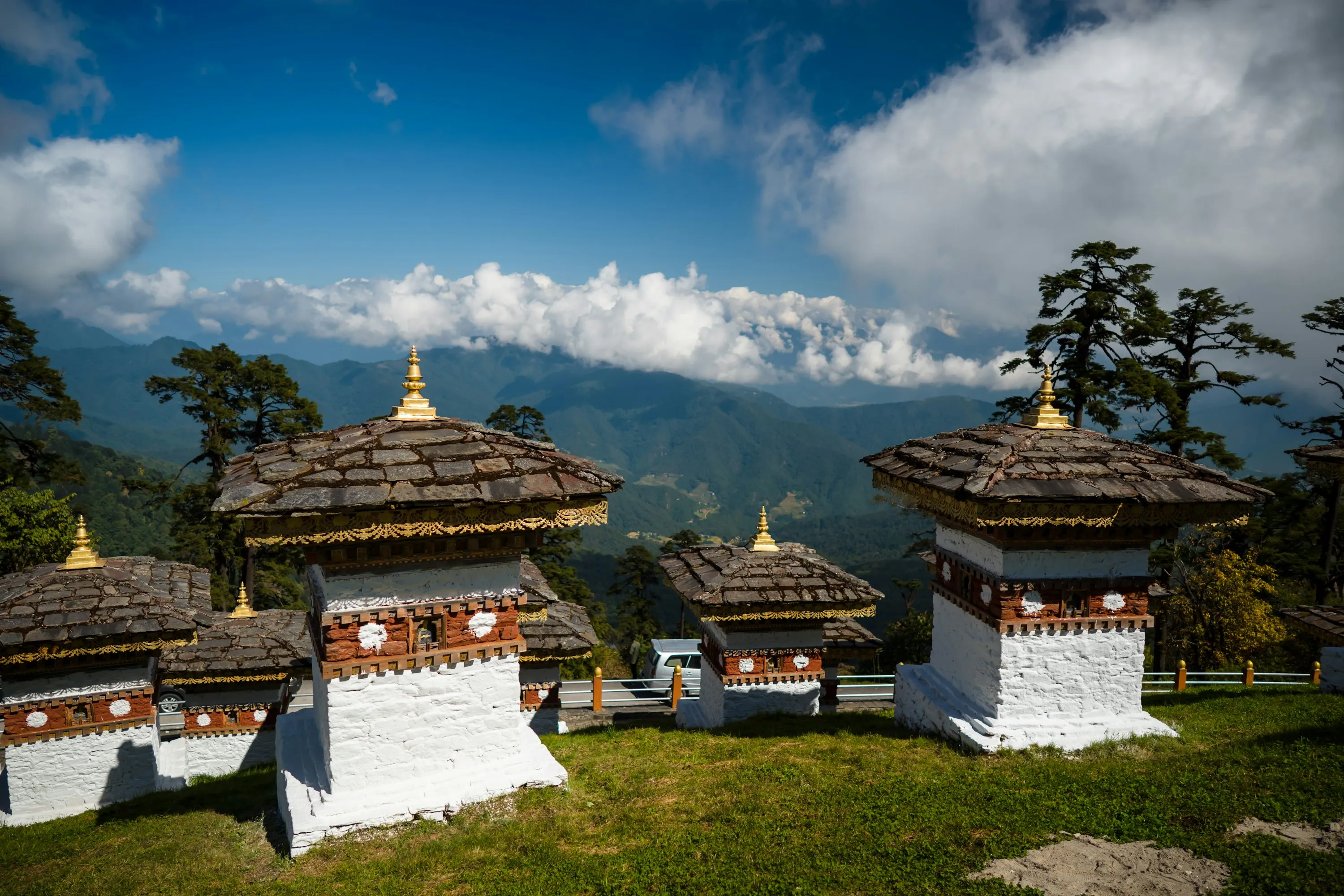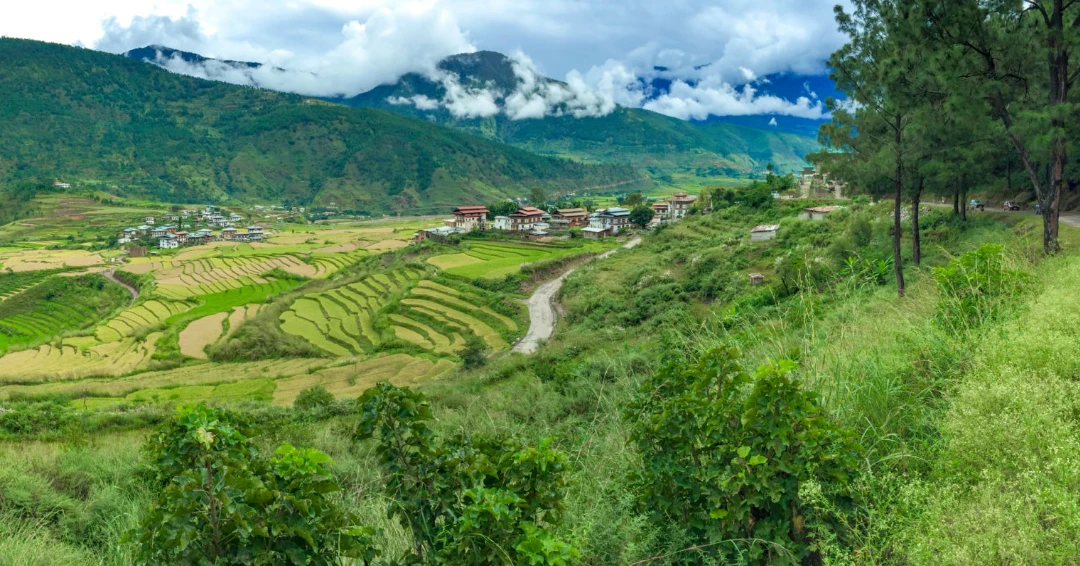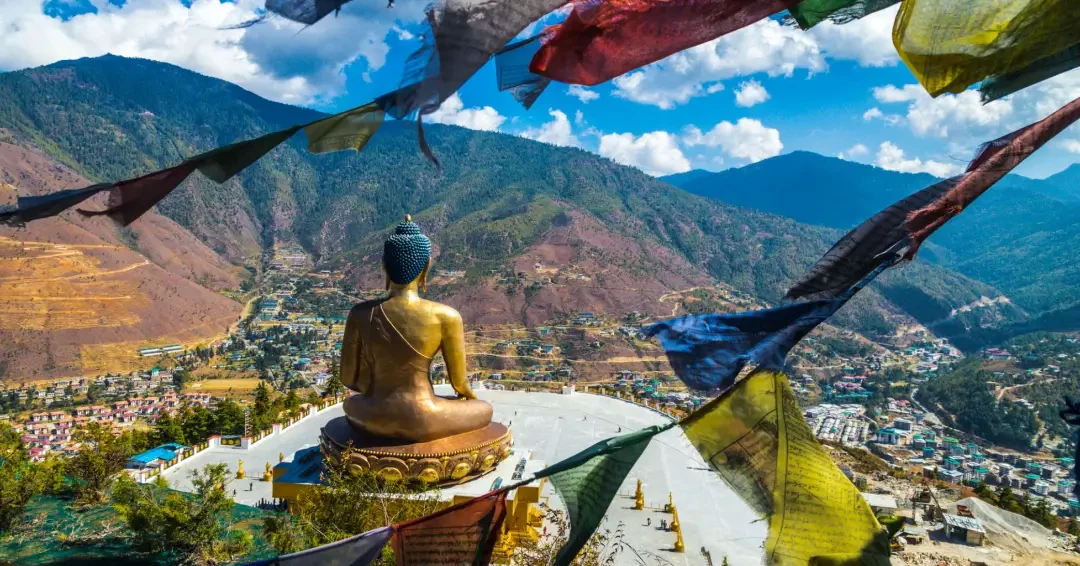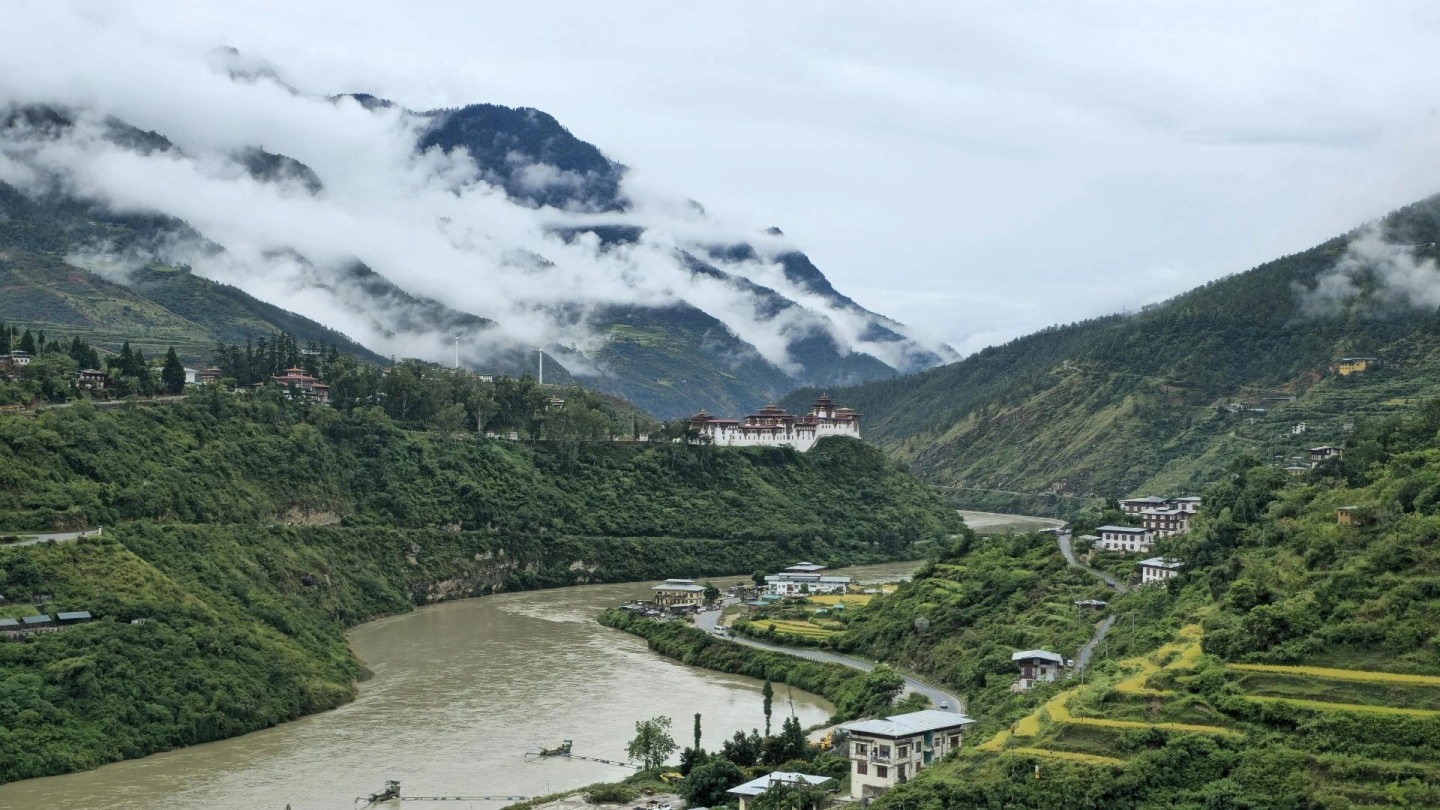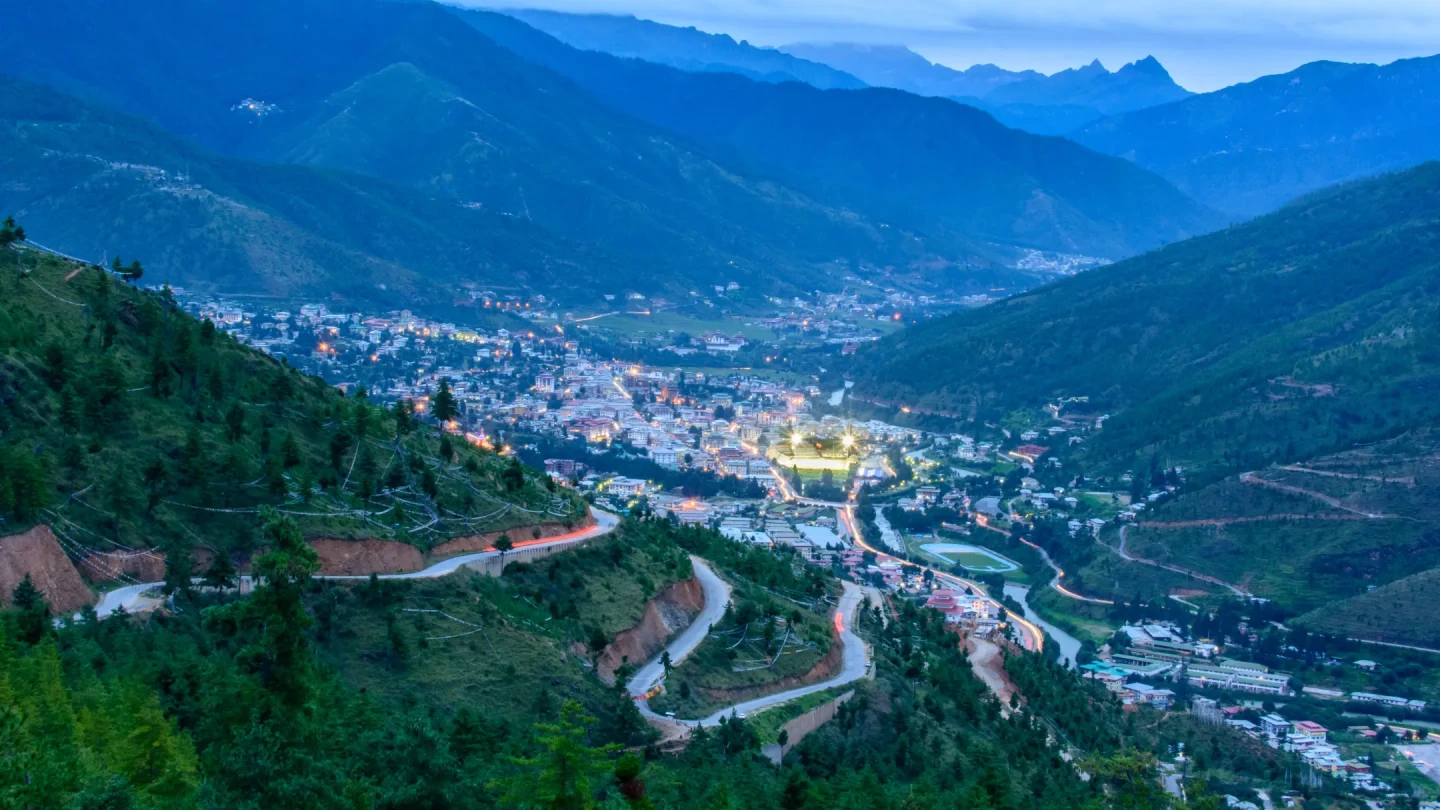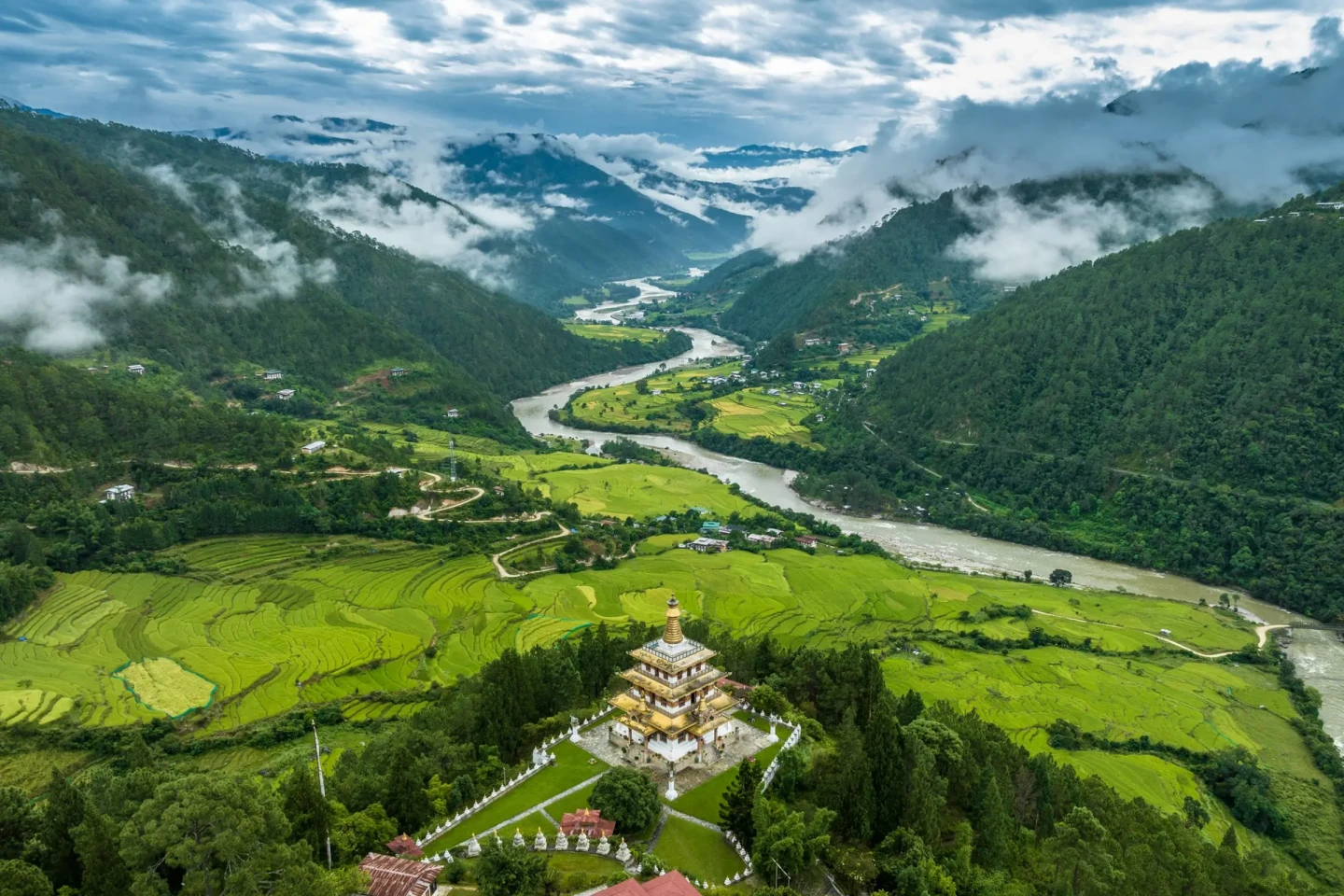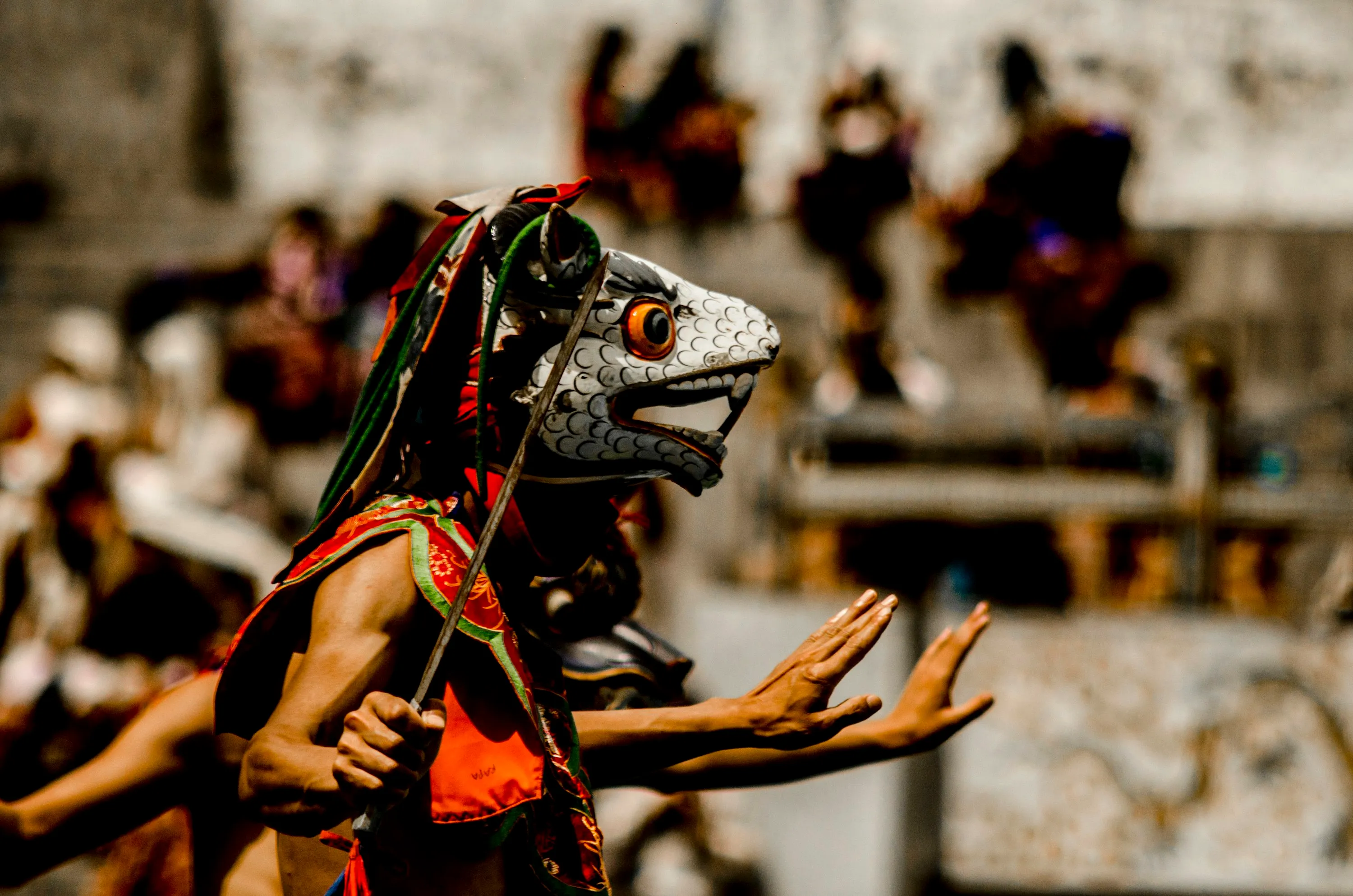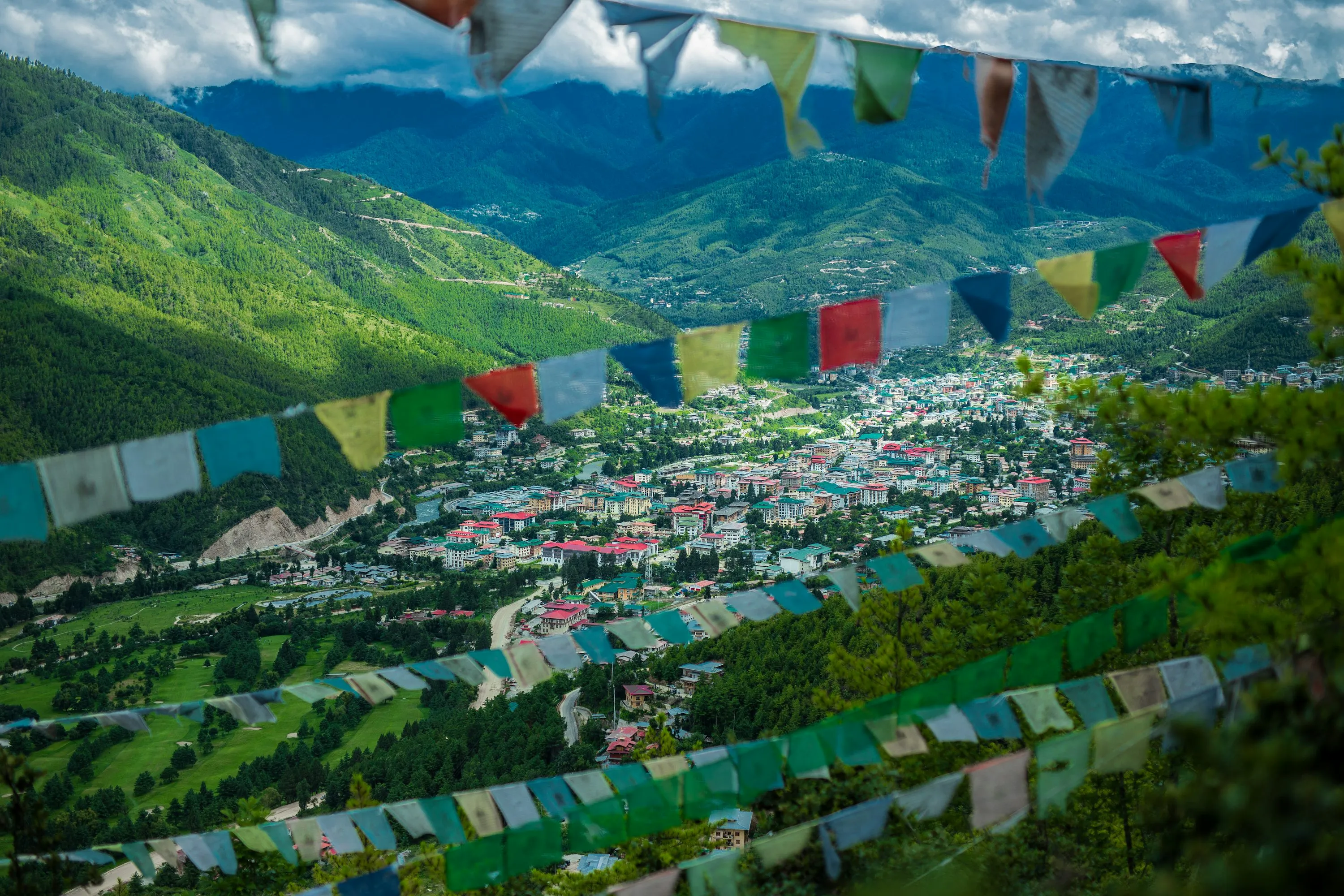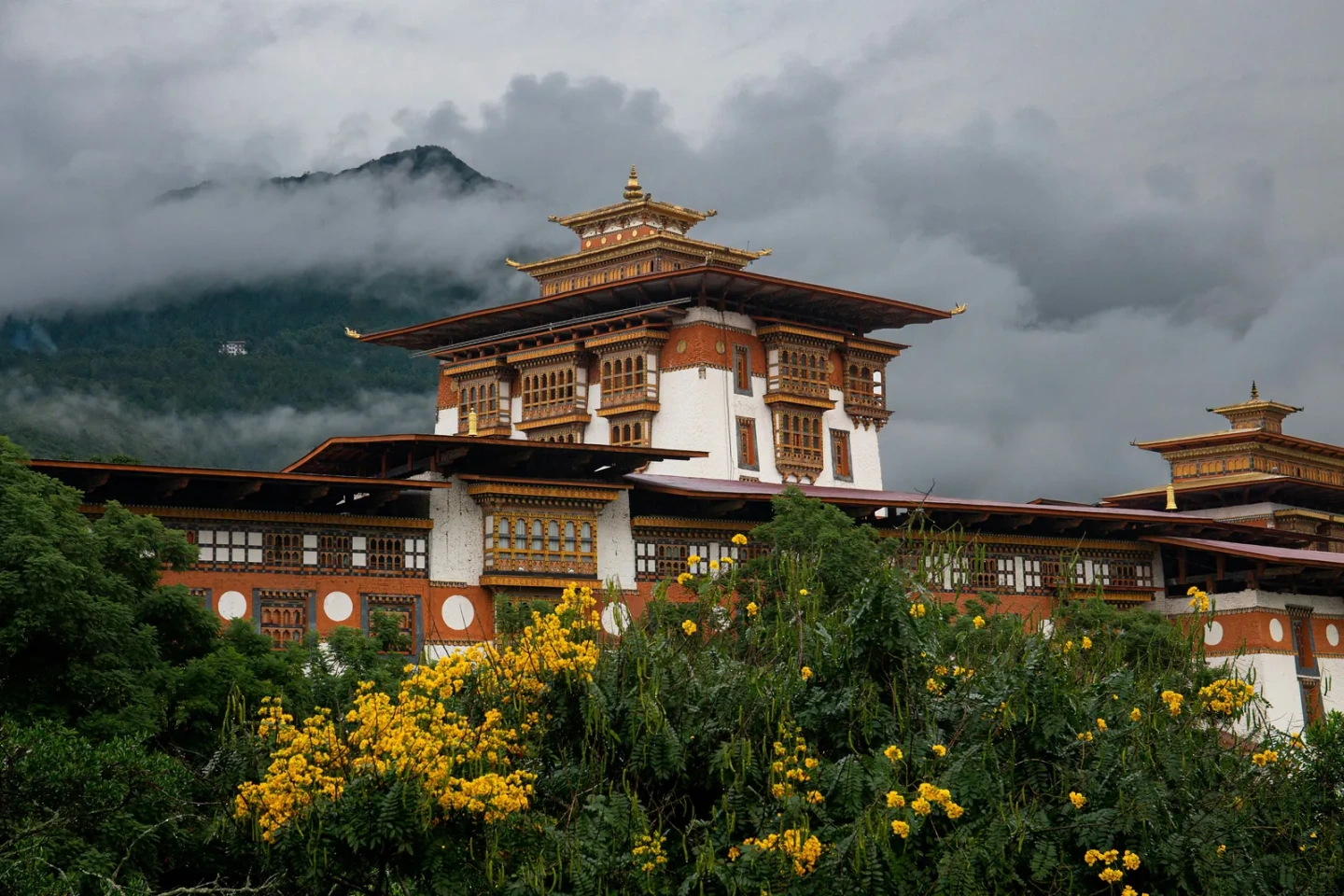
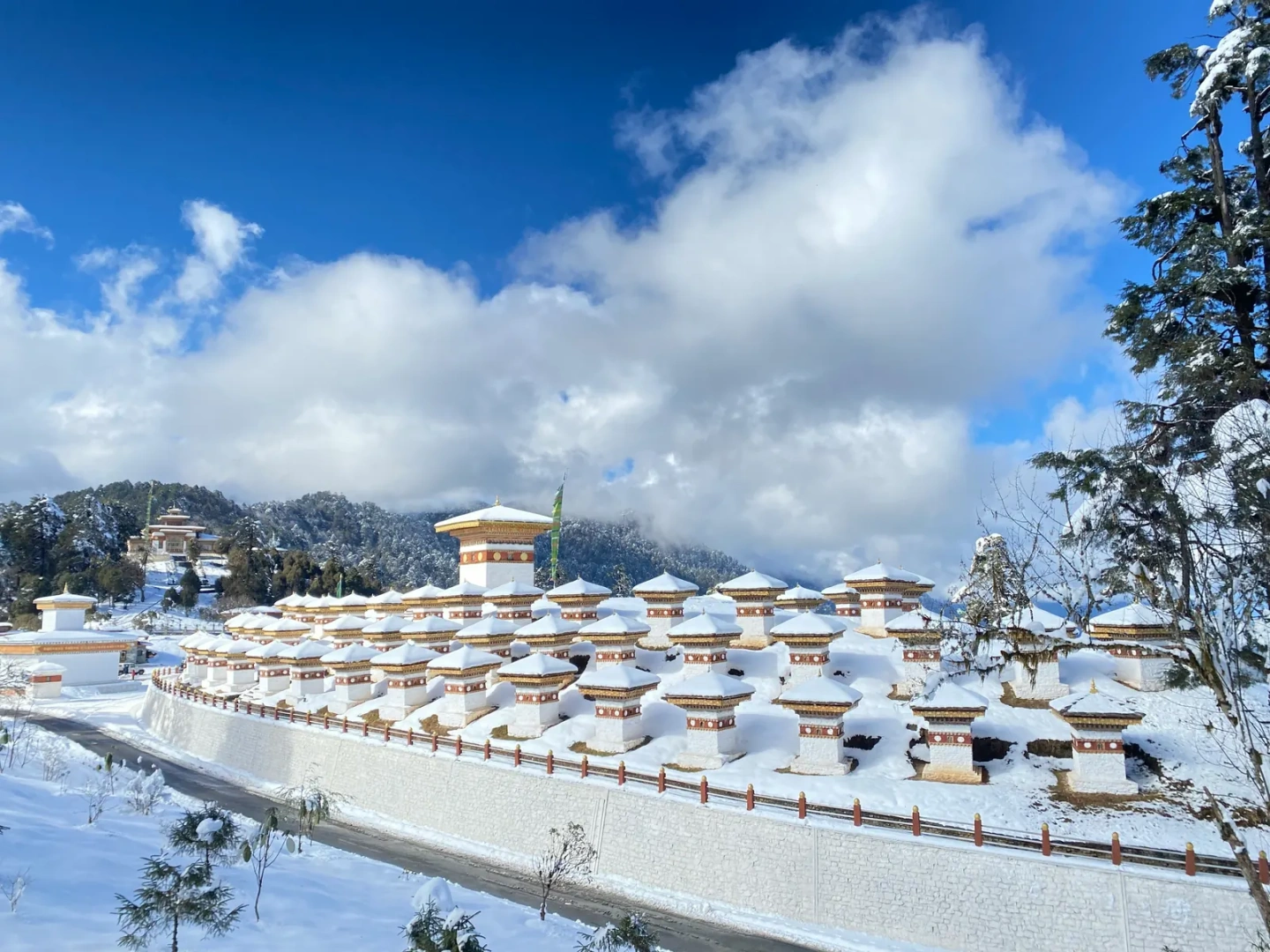
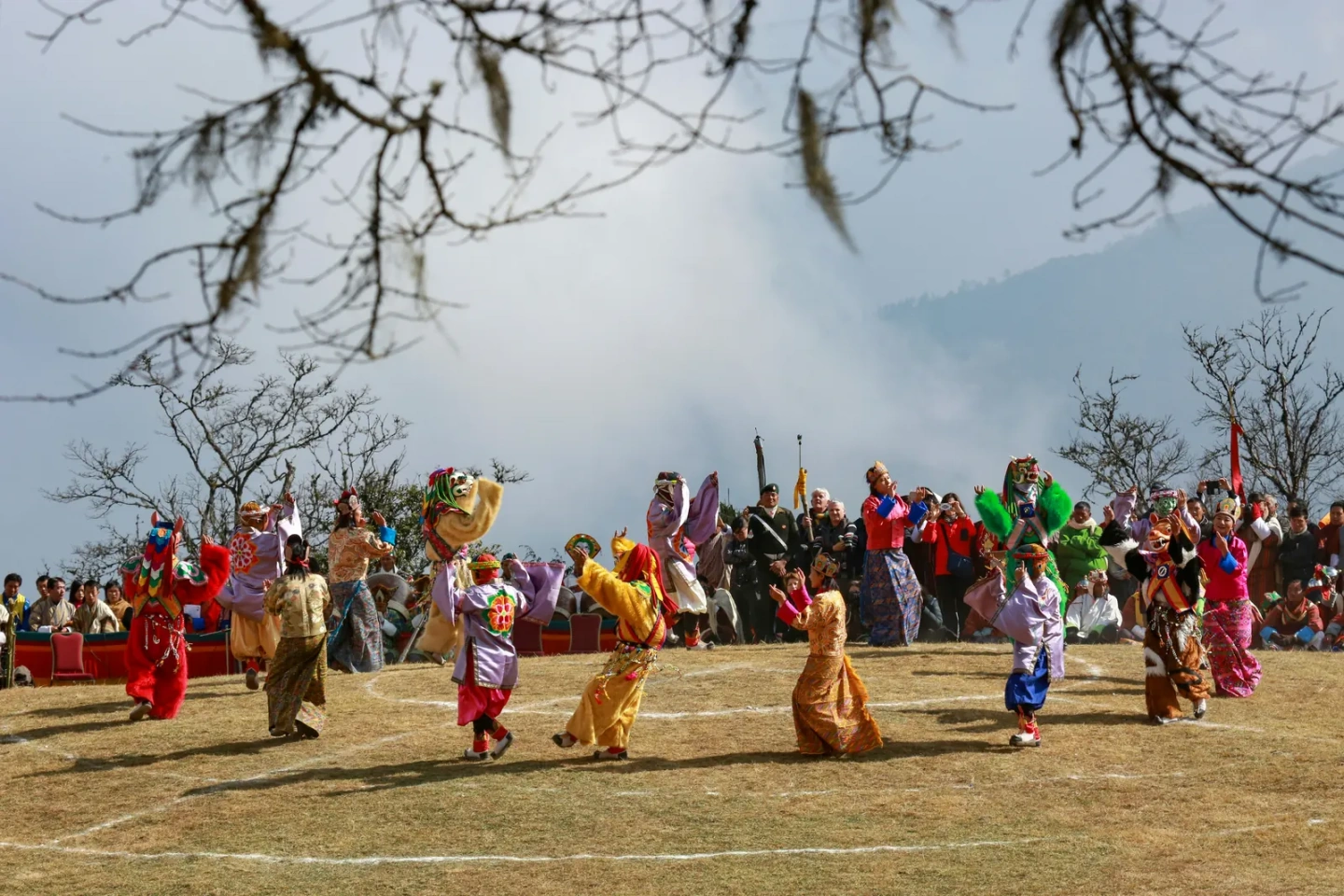
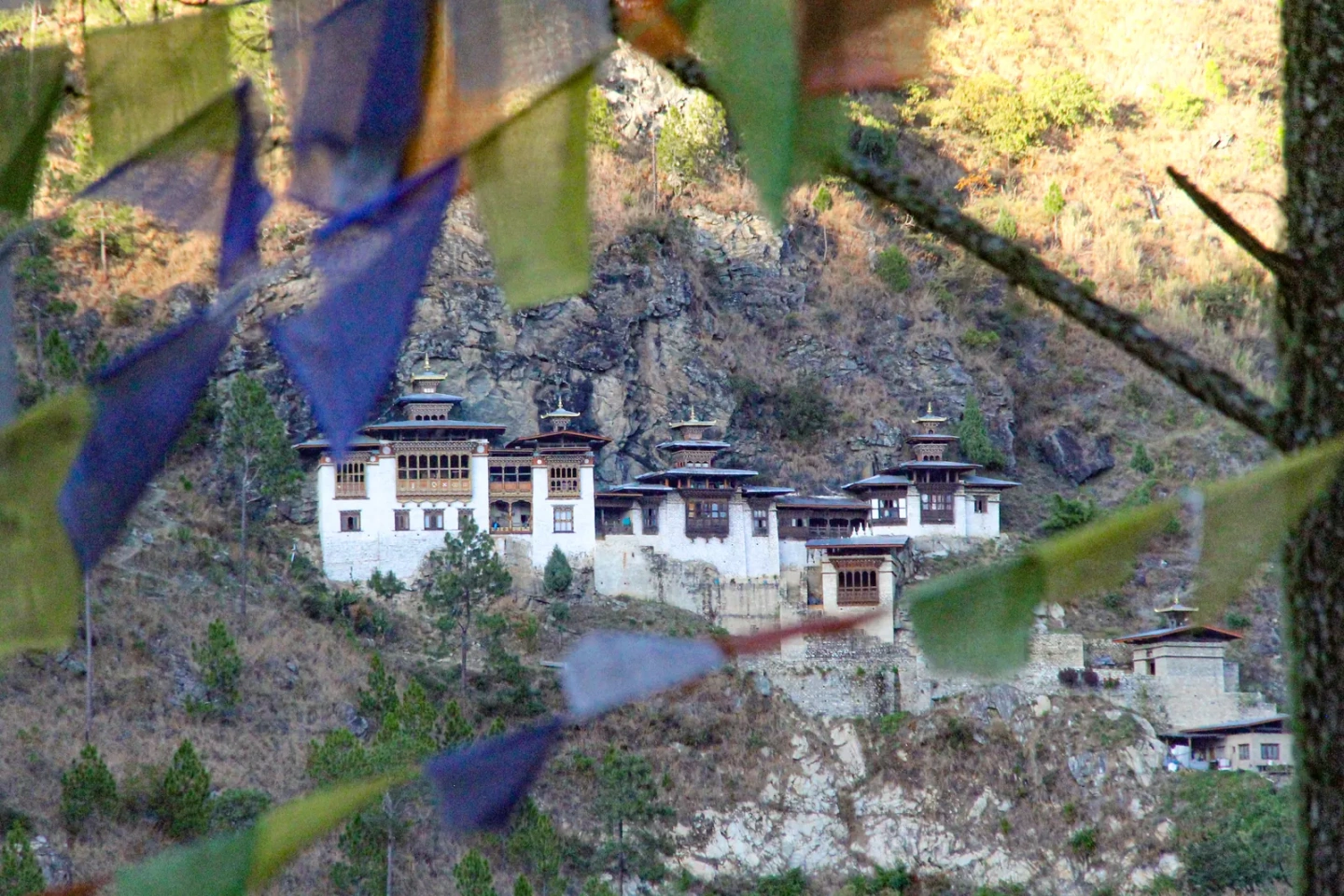
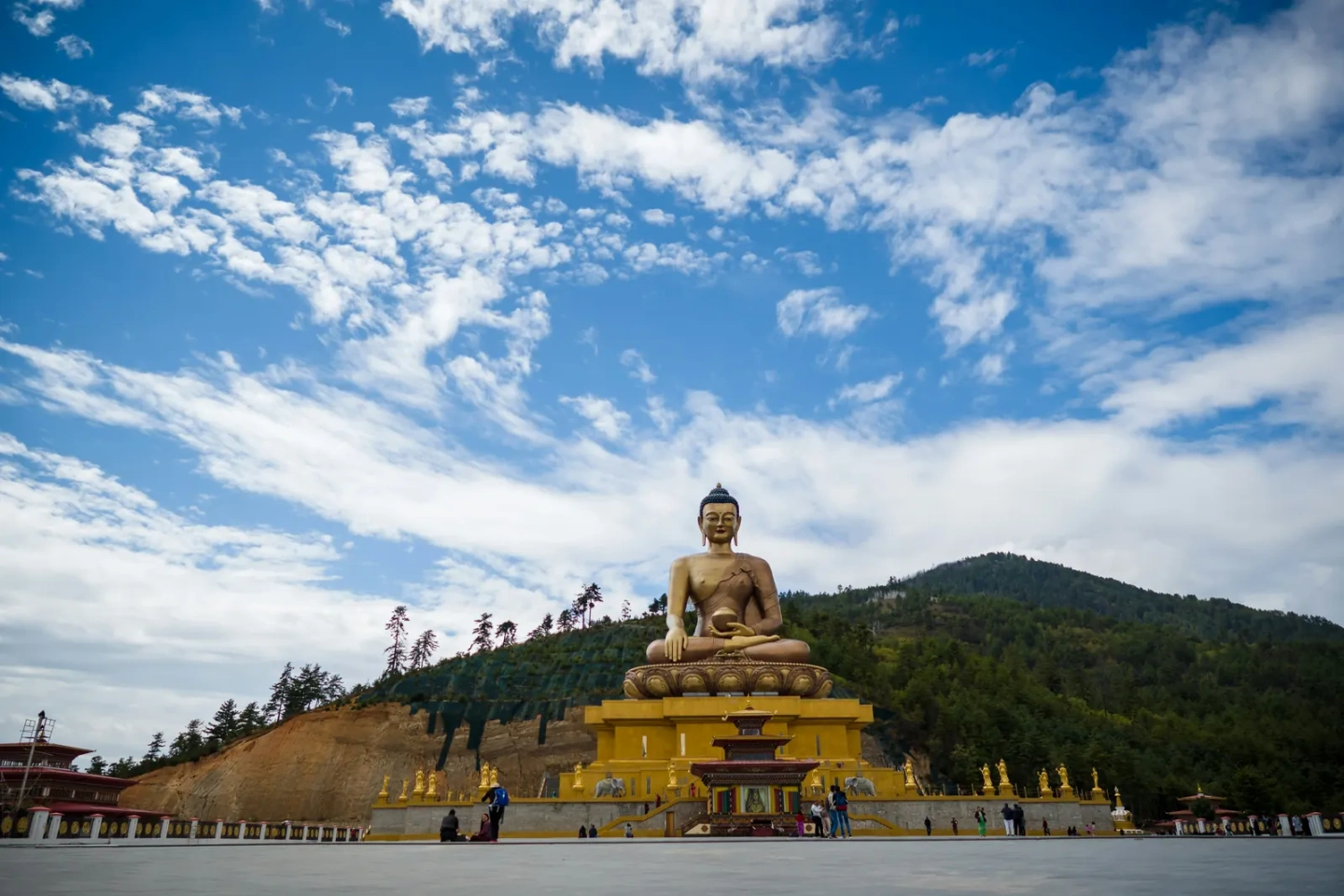
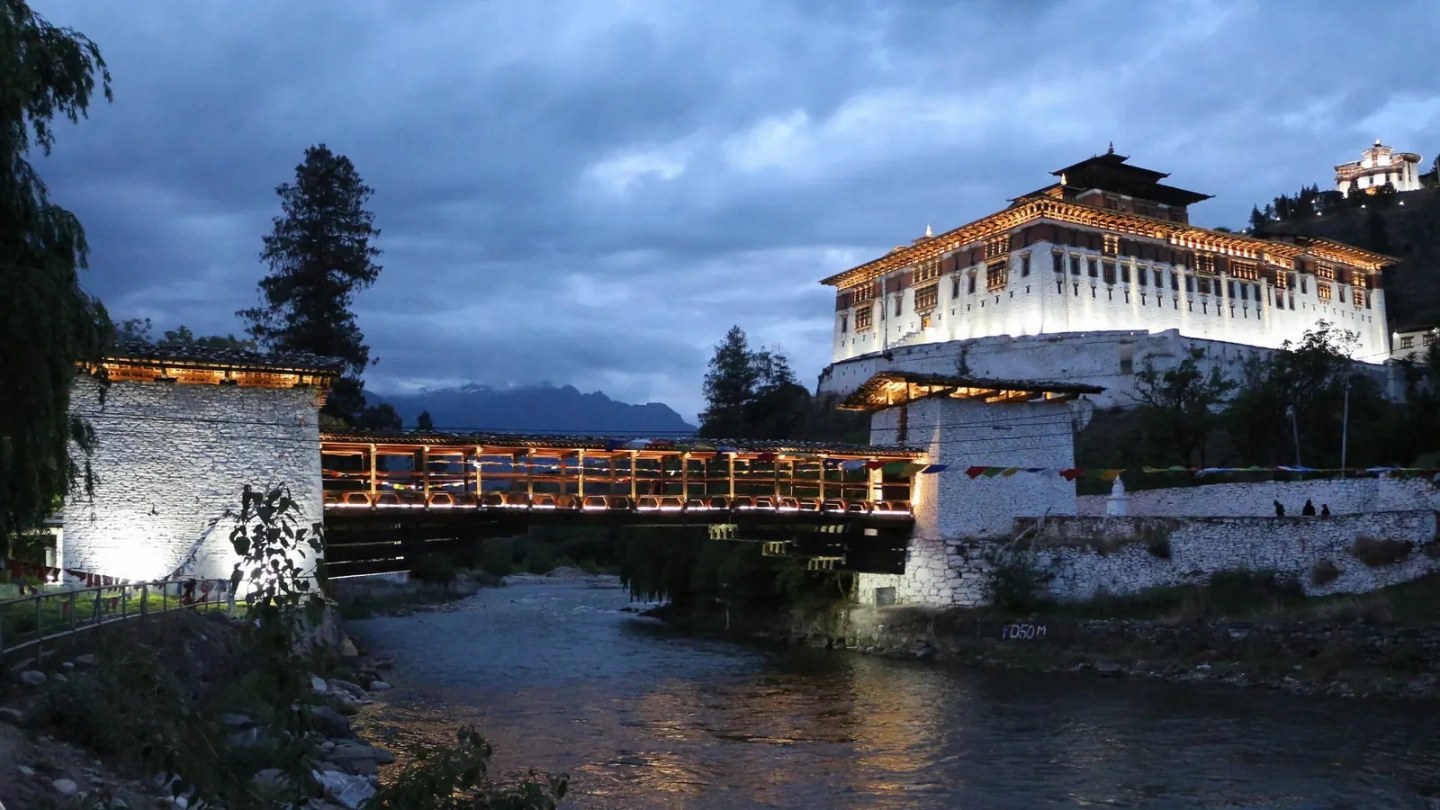
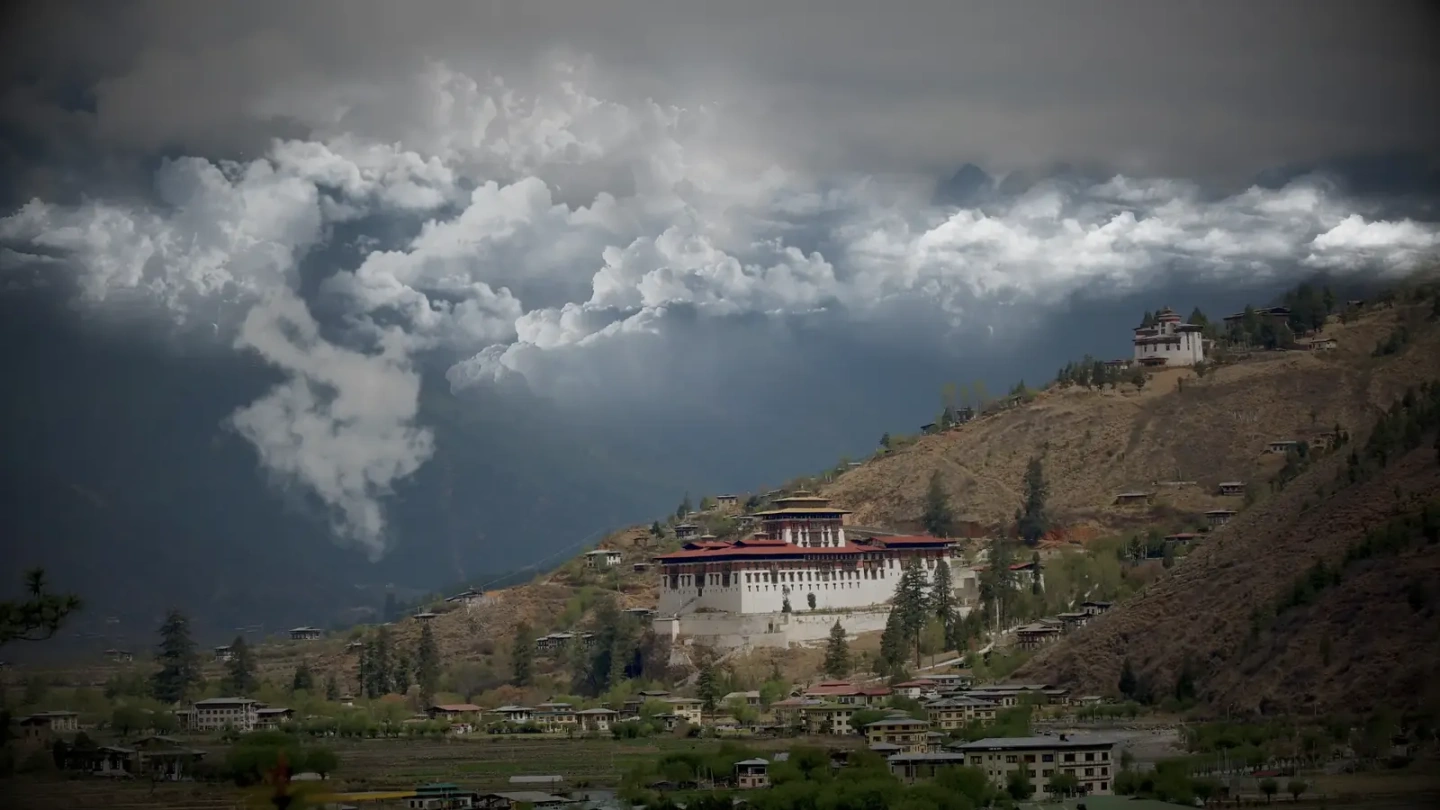
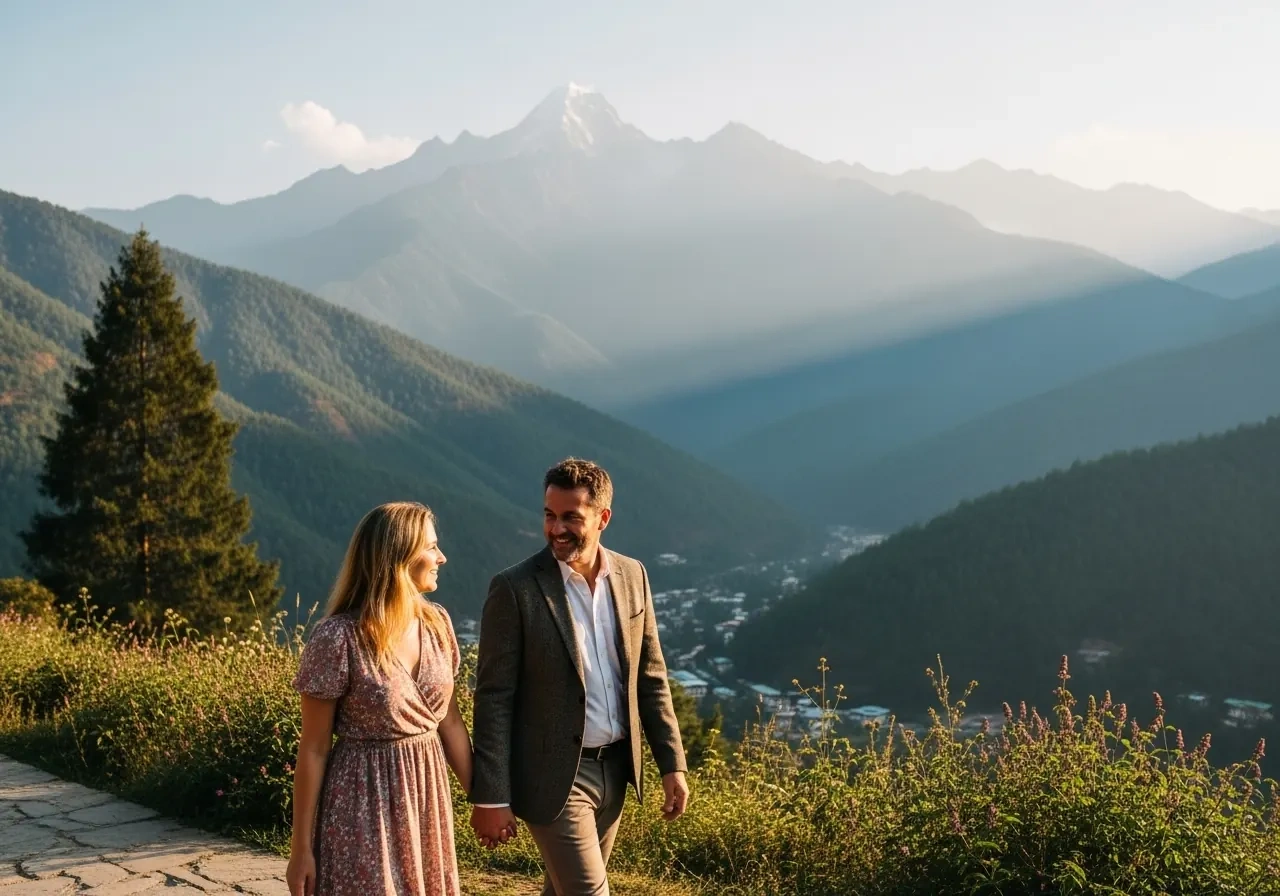


From the canals of Nyhavn to the fortresses of the Paro valley is a long way, but the route from Copenhagen to Bhutan is well established. Most journeys begin at Copenhagen Airport, Kastrup (CPH), with a connection via a major hub in the Gulf or Europe and then a final flight on one of Bhutan's own airlines. This page sets out how that trip typically looks for travellers leaving the Danish capital, as a companion to our complete guide for visitors from Denmark.
Kastrup Departures: Which Airline First?
Paro International Airport (PBH) is Bhutan's only international airport, and it is served solely by Drukair (Royal Bhutan Airlines) and Bhutan Airlines. As no direct flights connect Denmark and Bhutan, you will first fly to a regional gateway.
Our Denmark guide lists Thai Airways, Qatar Airways and Etihad among the airlines offering connections from Copenhagen Airport. It describes a routing to Delhi via Doha or Frankfurt taking about 10 to 12 hours, followed by a Drukair flight of two to three hours to Paro. Always check current schedules, as routings and frequencies change with the seasons.
Bangkok, Delhi or Kathmandu: Weighing the Hubs
- Delhi: often the most efficient way through, with frequent Drukair services to Paro.
- Bangkok: our guide mentions it as a pleasant stopover city for Danes wanting a few days of warmth on the way.
- Kathmandu: a natural choice if Nepal is also on your list.
Our guide expects total journeys of 15 to 20 hours including layovers. It also suggests overnight transits for rest, which we strongly support: Paro's valley approach is visual-only, so weather can delay flights, and a night's buffer protects your plans.
Copenhagen to Paro: An Illustrative Itinerary
This sample is meant to give you a feel for the trip rather than a fixed timetable. You take the Metro from Christianshavn to the airport in the afternoon and fly to Doha, connecting there to an overnight flight to Delhi. After resting at an airport hotel, you take a morning flight to Paro, and your guide meets you at arrivals. On the way home you might reverse the route or, if time allows, spend a couple of nights in Bangkok before flying back to Kastrup.
If you prefer fewer changes, ask your operator to compare a single-ticket routing through Frankfurt with a Gulf option; the best choice often depends on the day of the week and on which Drukair departures from Delhi are available for your dates.
Danish Summer Time and the Bhutan Offset
Copenhagen uses Central European Time, UTC+1, in winter and Central European Summer Time, UTC+2, from late March to late October. Bhutan keeps UTC+6 throughout the year. That puts Bhutan five hours ahead of Copenhagen in winter and four hours ahead during Danish summer time.
Jet lag is moderate. Most Danish travellers find that a night's stopover and a relaxed first afternoon in Paro are enough to feel settled.
Short Danish Days vs Bright Himalayan Light
Copenhagen has a cool maritime climate: summers are mild with long evenings, while winters are dark, damp and windy. Bhutan offers a striking contrast. Spring (March to May) and autumn (September to November) attract the bulk of visitors, the June-to-August summer is the rainy monsoon, and winter, from December to February, is cold with mostly clear skies, especially at altitude.
Bhutan's autumn makes a fine escape as Denmark's days shorten, and it often includes the Thimphu Tshechu. Spring brings the Paro Tshechu; both follow the lunar calendar, so dates move each year. A winter trip can feel like a tonic after weeks of Danish gloom, with bright days and cold nights, but pack warm layers for mornings and evenings.
Visa and SDF Steps for Danish Nationals
Danish citizens need a Bhutan visa, applied for online in advance and usually arranged through a licensed Bhutanese tour operator. Our Denmark guide explains that your operator coordinates the visa alongside your flights so that everything lines up before you travel.
The Sustainable Development Fee (SDF) is currently USD 100 per adult per night for most international visitors, including Danes. Please check the latest rates with the Department of Tourism before booking, as the fee may change. Travel insurance that covers your whole stay in Bhutan is required; if you rely on a card-linked or annual policy, confirm that it meets this requirement.
Bhutan's currency is the ngultrum (BTN), pegged 1:1 to the Indian rupee. ATMs are mainly in towns, so bring some cash, especially for rural stops.
Time in Bhutan: Lengths That Suit Copenhagen Travellers
- 6 nights: Paro and Thimphu at a sensible pace after the long flights.
- 8 to 10 nights: enough to venture further and enjoy a quieter day or two.
- 12 nights or more: ideal for trekking, festivals, or combining Bhutan with Nepal or Thailand.
Danish school holidays, such as the autumn break in October, are popular, so book early if you plan to travel then.
Travellers living across the Øresund in southern Sweden often use Kastrup as well, and the same routings apply to them.
Questions We Hear from Copenhagen
Can I reach Bhutan with one change from Kastrup?
Usually you will make two changes: one at a hub such as Doha or Frankfurt, and another in Delhi, Bangkok or Kathmandu for the flight to Paro.
How long does the journey take?
Our Denmark guide estimates 15 to 20 hours including layovers, depending on connections.
What is the time difference?
Bhutan is five hours ahead of Copenhagen in winter and four hours ahead in summer.
For more on visas, the SDF and full itineraries for Danish travellers, read our main guide: How to Travel to Bhutan from Denmark. We would be pleased to plan your journey from Copenhagen.