




Bucharest travellers heading to Bhutan almost always start at Henri Coandă International Airport (OTP), better known locally as Otopeni, north of the city. There is no direct service from Romania to the Himalayan kingdom, so the trip is made up of a short hop to a large hub, a long flight east and a final mountain sector into Paro. This page explains the practicalities from a Bucharest perspective.
Otopeni to Istanbul or Doha
The Romania guide names Turkish Airlines, Qatar Airways and TAROM among the carriers used for the first stage. In practice, the opening leg from Otopeni usually takes you to Istanbul or Doha, from where onward flights head towards South and South-East Asia. Travellers from Cluj-Napoca and other cities sometimes join the same network, but most itineraries are built around Bucharest.
The guide recommends layovers of around four to six hours between flights so that customs and minor delays do not ruin a connection. Check current schedules when you book, as timings shift with the seasons.
Onwards to Delhi, Bangkok or Kathmandu
From Istanbul or Doha, you continue to a city with flights into Bhutan. Delhi, Bangkok and Kathmandu are the gateways the Romania guide mentions. The last leg is flown by Drukair (Royal Bhutan Airlines) or Bhutan Airlines, which between them operate every flight into the country.
- Delhi suits travellers who want a quick, practical connection.
- Bangkok is pleasant for an overnight rest after the long-haul leg.
- Kathmandu makes sense if Nepal is part of the plan.
Paro's approach through the valley is flown visually, and the Romania guide notes that delays are common in the rainy season. Your tour operator can secure the Bhutanese seats and build sensible gaps around them.
Bucharest to Paro: Sample Timeline
This is only an example of how the trip may unfold:
- Day 1: fly from Otopeni to Istanbul with Turkish Airlines and connect to an overnight flight to Delhi.
- Day 2: arrive in Delhi and rest at a nearby hotel.
- Day 3: board Drukair or Bhutan Airlines for Paro, where your guide is waiting.
On the return, spending a night in Delhi before the flight back to Bucharest gives you breathing space if Paro's weather causes a late departure.
Romanian Daylight Saving and Bhutan
Romania uses Eastern European Time, UTC+2, in winter and moves to UTC+3 for summer time from late March to late October. Bhutan sits on UTC+6 all year. That makes Bhutan four hours ahead of Bucharest in winter and three hours ahead in summer.
Note the switch dates if you are travelling in late March or late October: a connection booked across a clock change can look an hour shorter or longer than you expect. This is one of the gentler time shifts for European travellers. A night flight and a normal bedtime in Bhutan are usually enough to adjust within a day or two.
Continental Bucharest vs Bhutan's Valleys
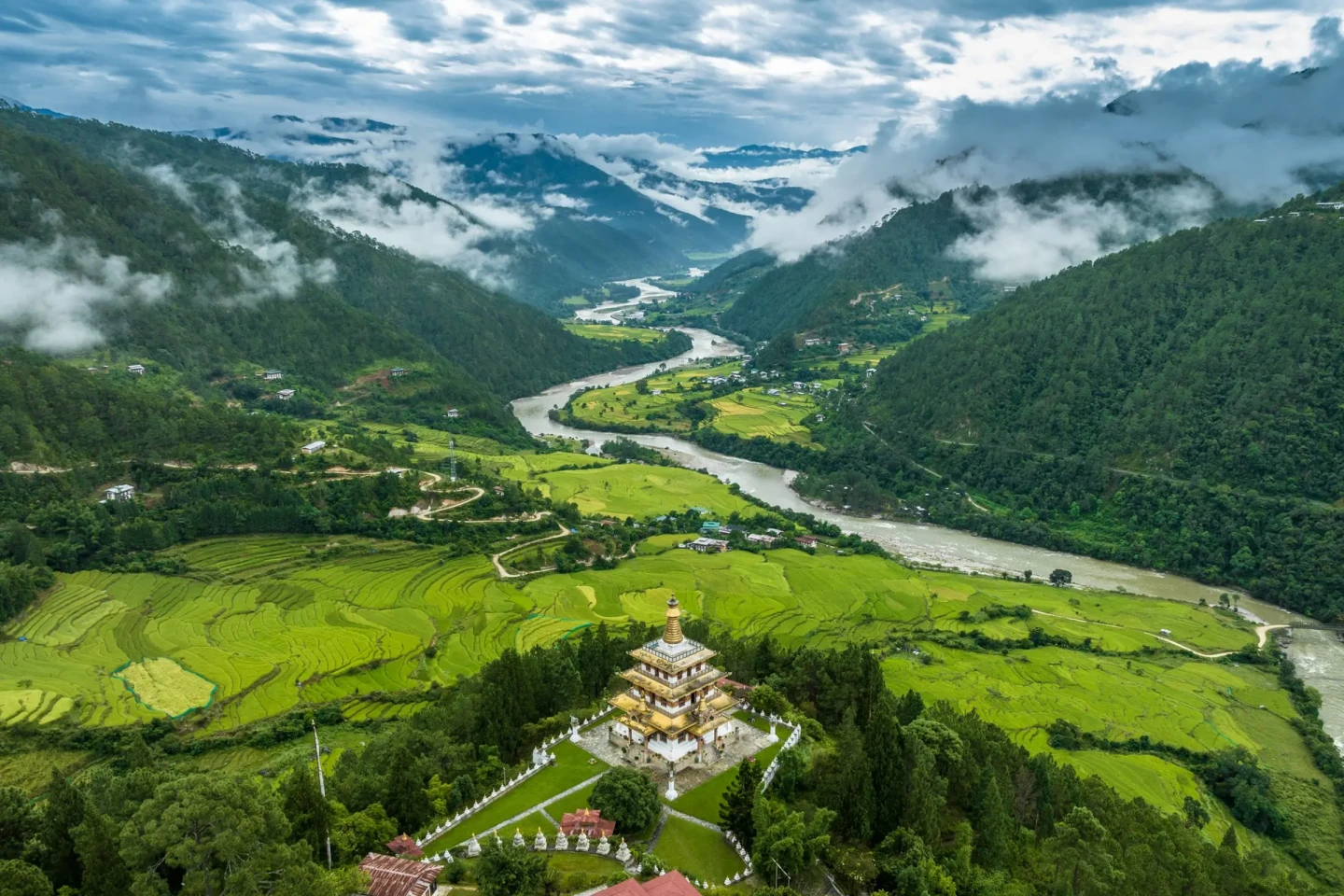
Bucharest has a continental climate, with hot summers, cold winters and changeable spring and autumn weather. In Bhutan, spring (March to May) and autumn (September to November) are the most favoured seasons. Summer there is the monsoon period, while the months from December to February are chilly but often clear, especially at height.
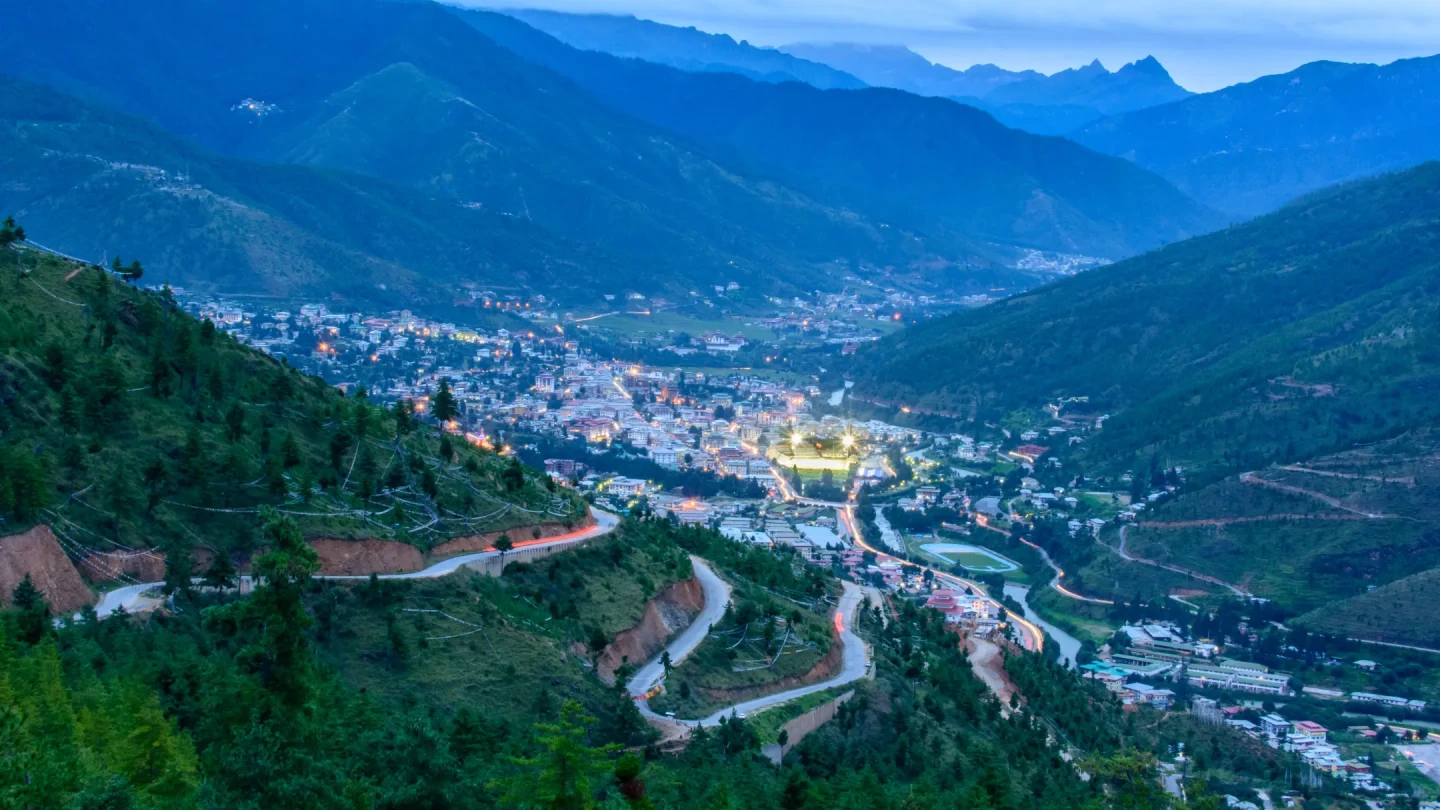
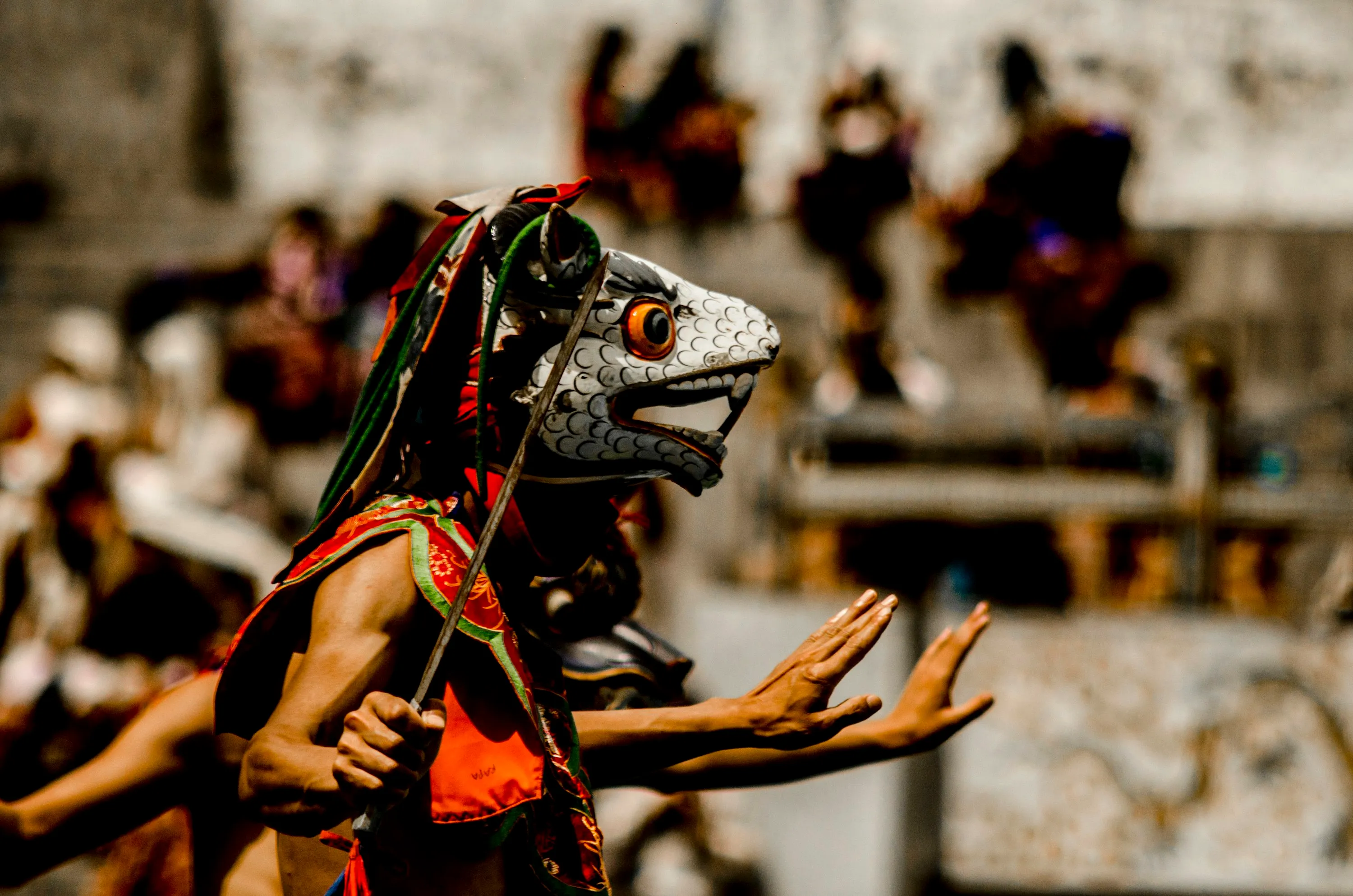
If you dislike Bucharest's summer heat, Bhutan's autumn offers cooler air and clear views after the rains. Spring is another fine time, with Paro Tshechu typically falling then, while Thimphu Tshechu comes in autumn; both follow the lunar calendar, so their dates change annually.
Booking Tips for Travellers from Bucharest
Seats on the Bhutanese sectors fill quickly in peak months, so the Romania guide advises reserving early. Your tour operator can issue e-tickets for the Paro leg and, for groups, may be able to arrange more tailored solutions. When comparing fares from Otopeni, look at total journey time as well as price: a slightly longer connection that leaves room for delays is often the better buy. Pack layers for Bhutan's cool evenings, and keep your hand luggage light for the smaller final aircraft.
Entry Formalities for Romanian Citizens
Romanian passport holders need a Bhutan visa, which is applied for online ahead of travel and generally arranged by a licensed Bhutanese tour operator. When you book with Manifest Bhutan Expeditions, we submit the application using your passport scan and photograph, then forward the approval for you to show on arrival. The Romania guide suggests your passport should be valid for six months beyond the trip.
The Sustainable Development Fee is USD 100 per adult per night for most international visitors at present. Check the latest rates with the Department of Tourism before booking. Make sure your travel insurance covers the full stay in Bhutan, which is a condition of entry for visitors.
Planning Your Stay, Plus FAQs
From Bucharest, five to seven nights is a comfortable first visit covering Paro, Thimphu and some countryside. Eight to ten nights allow a slower pace and more walking, and a fortnight leaves room for trekking or a festival.
Does TAROM fly all the way to Bhutan?
No. TAROM is mentioned in the Romania guide as one of the carriers for the early stages; the final leg is always on Drukair or Bhutan Airlines.
How long should my layovers be?
The guide recommends around four to six hours between flights, and many travellers prefer an overnight before the Bhutan sector.
Can I pay in euros or lei in Bhutan?
Plan to use the ngultrum, which is pegged 1:1 to the Indian rupee. ATMs are mostly in towns, so carry some cash.
See our complete guide, How to Travel to Bhutan from Romania, for more detail.