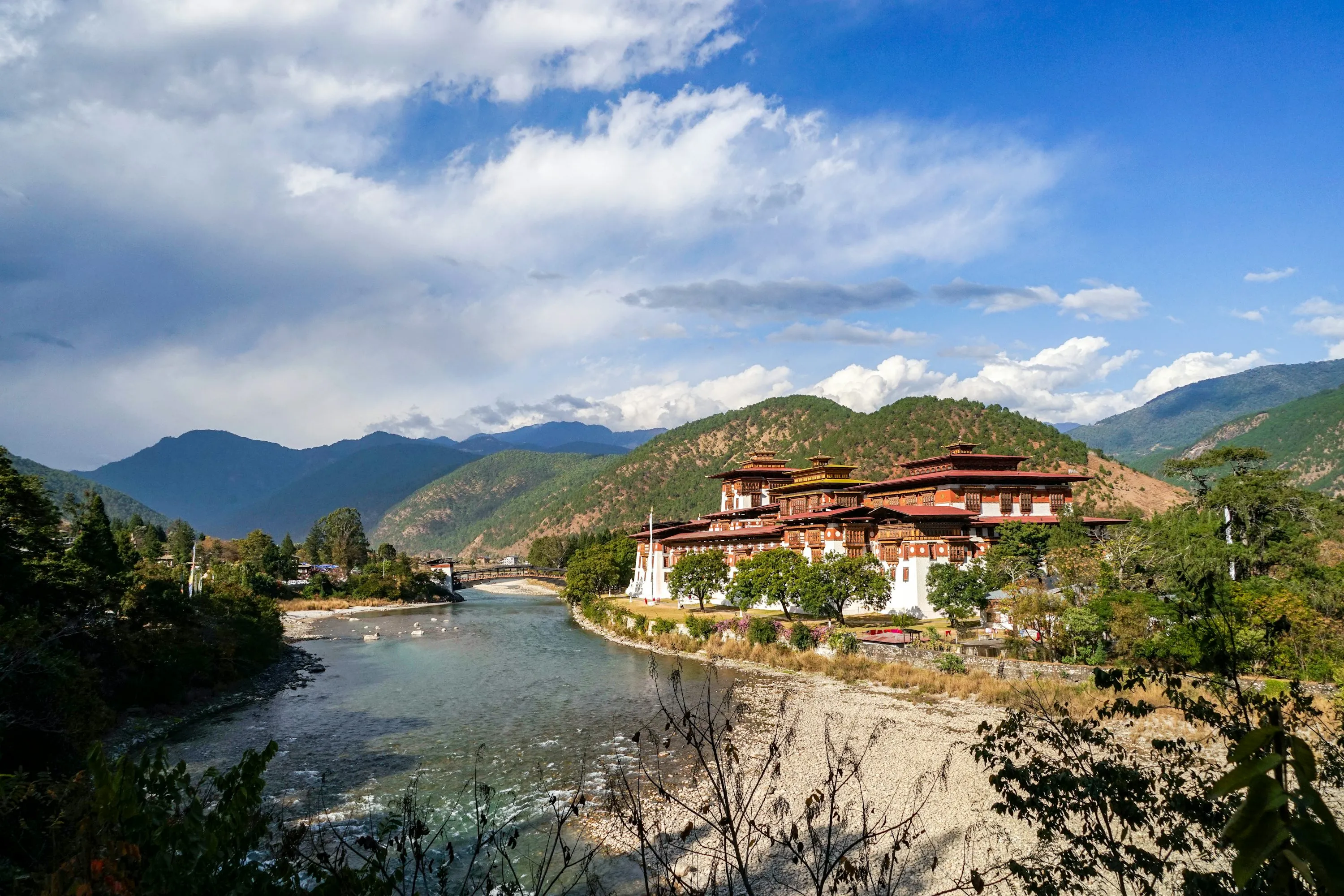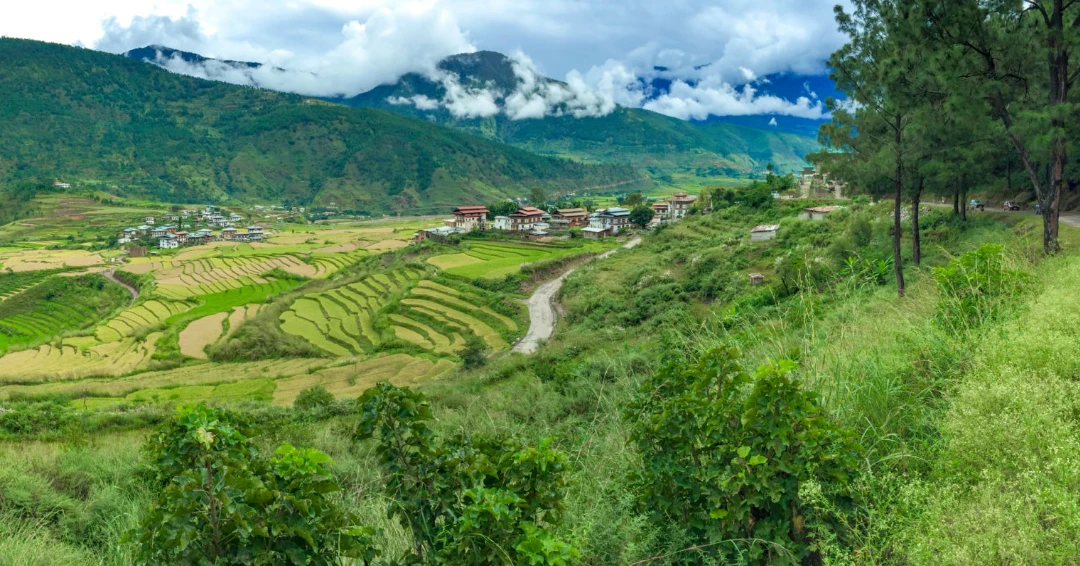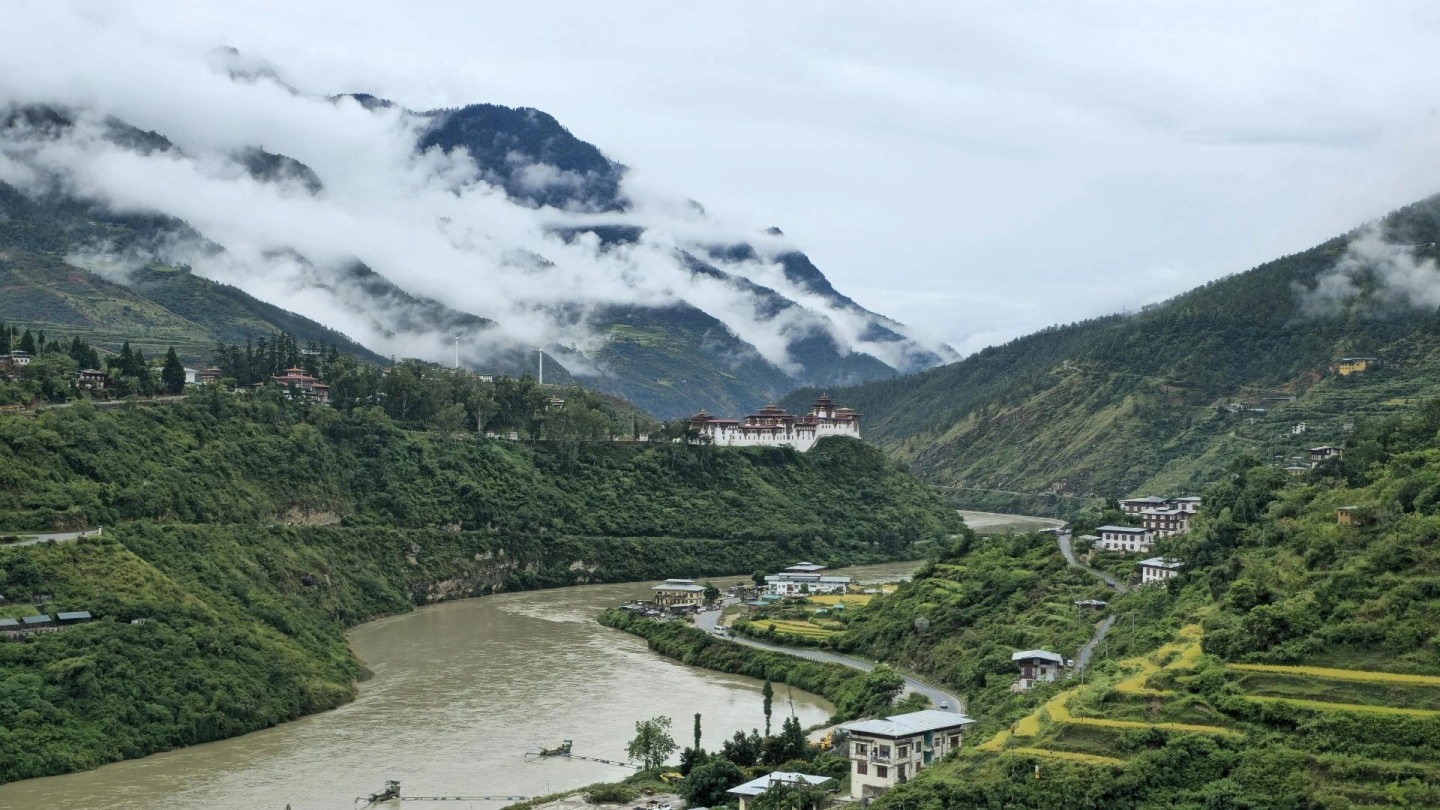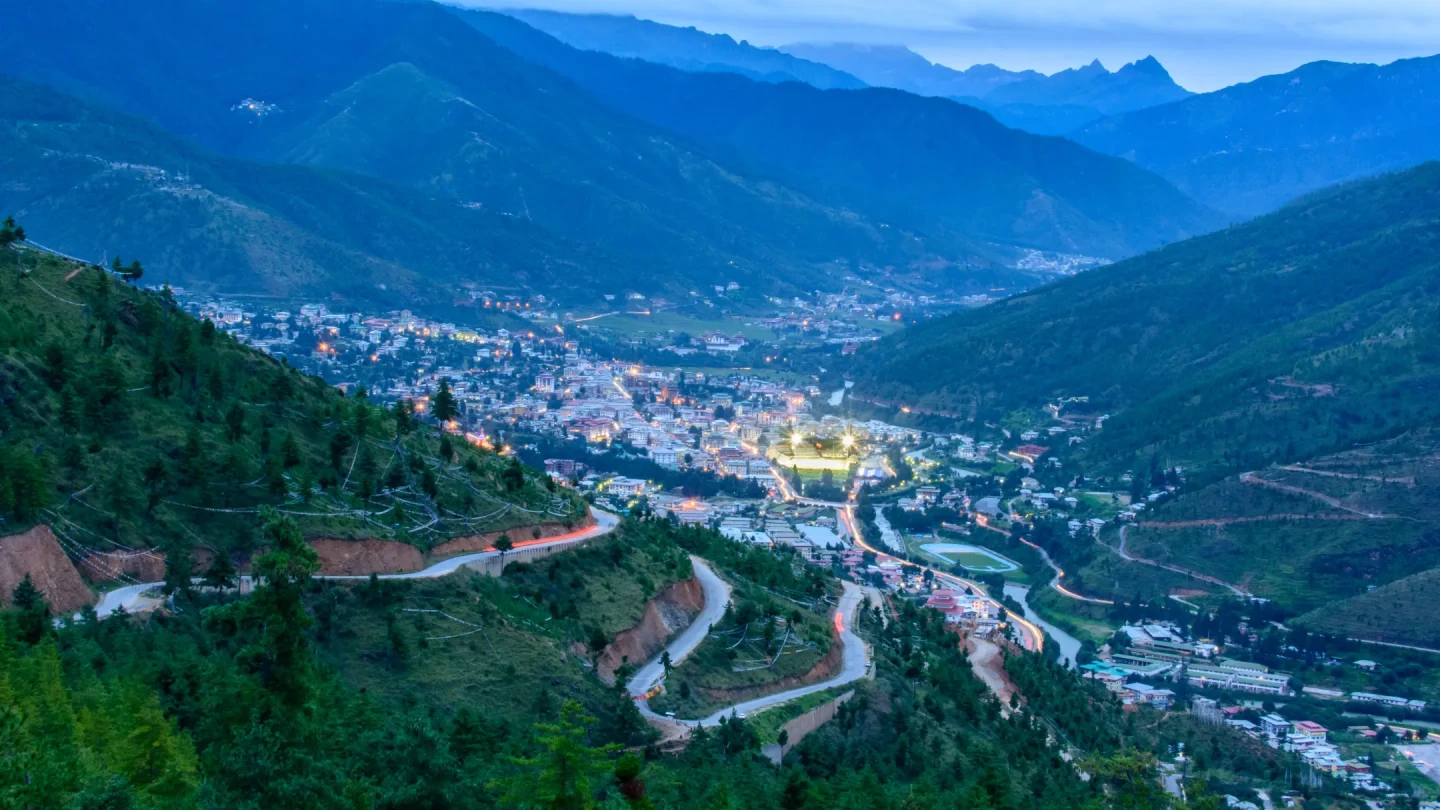



For travellers based in Beirut, a trip to Bhutan begins at Beirut–Rafic Hariri International Airport (BEY), the single international gateway serving the Lebanese capital and the wider country. There is no direct service from the Levant to the Himalayan kingdom, so the journey is a relay of two or three flights that ends with a dramatic descent into Paro. This page focuses on the practical side of leaving Beirut: which connections tend to work, how the clocks shift, when the weather lines up and what paperwork Lebanese passport holders need before boarding the final leg.
Departing Beirut: Rafic Hariri Airport and Your Opening Flight
Rafic Hariri Airport sits on the coast just south of the city centre, so most Beirut residents reach it quickly by taxi or a lift from family. Your opening flight will usually head east into the Gulf. According to our Lebanon guide, the common choices are Middle East Airlines or Qatar Airways to Doha, or flydubai and Emirates to Dubai. From either Gulf city you continue to a South Asian or South-East Asian gateway where Bhutan's own carriers operate.
Because only Drukair (Royal Bhutan Airlines) and Bhutan Airlines fly into Paro, the final ticket is almost always separate from your long-haul booking. That makes the hand-over point important: leave a generous gap, collect and re-check luggage if needed, and keep your Bhutan visa clearance letter handy at check-in.
Gulf and Asian Connections Between Beirut and Paro
Think of the route in two halves. The first half takes you from Beirut to a Gulf hub, and the second carries you onward to a city with flights to Paro. The guide for Lebanon highlights three onward gateways:
- Delhi – the most frequently suggested link, typically reached from Doha or Dubai, followed by a short Drukair hop to Paro.
- Bangkok – useful if you would like a night or two in Thailand before or after Bhutan.
- Kathmandu – a natural pairing for anyone combining Nepal and Bhutan in one trip.
Our facts sheet also lists Kolkata, Bagdogra, Guwahati, Singapore and Dhaka as gateway cities with flights into Paro, although these tend to suit travellers already in the region rather than those starting in Lebanon. Whichever combination you choose, check current schedules before you commit, because Bhutanese routes and operating days change by season.
A Sample Beirut-to-Paro Itinerary
The outline below is an example of how a journey might be pieced together, not a fixed timetable or a promise of availability:
- Day 1, Beirut: evening departure from BEY to Doha with Qatar Airways or Middle East Airlines, or to Dubai with Emirates or flydubai.
- Day 1–2, Gulf hub: connect to Delhi and, if your arrival is late, rest overnight near the airport.
- Day 2–3, Delhi: board a Drukair or Bhutan Airlines morning flight to Paro, where your guide and driver meet you outside arrivals.
The Lebanon guide suggests booking flights two to three months ahead through your tour operator so that tickets line up with your visa. Paro's valley approach is flown by sight, and cloud can push departures back, so a spare day on the way home protects any onward connection out of Delhi or the Gulf.
How Far Ahead Is Bhutan? Beirut's Clocks Explained
Bhutan Standard Time is UTC+6 throughout the year and the country does not observe daylight saving. Beirut does change its clocks. In the Lebanese winter, when the city runs on UTC+2, Bhutan is four hours ahead. Once Beirut moves to summer time at UTC+3, the gap narrows to three hours. Either way the shift is gentle, and most people from Lebanon adapt within a day or so. An early night on arrival in Paro, plenty of water and a short walk in daylight usually do the trick.
Mediterranean Weather Versus Himalayan Seasons
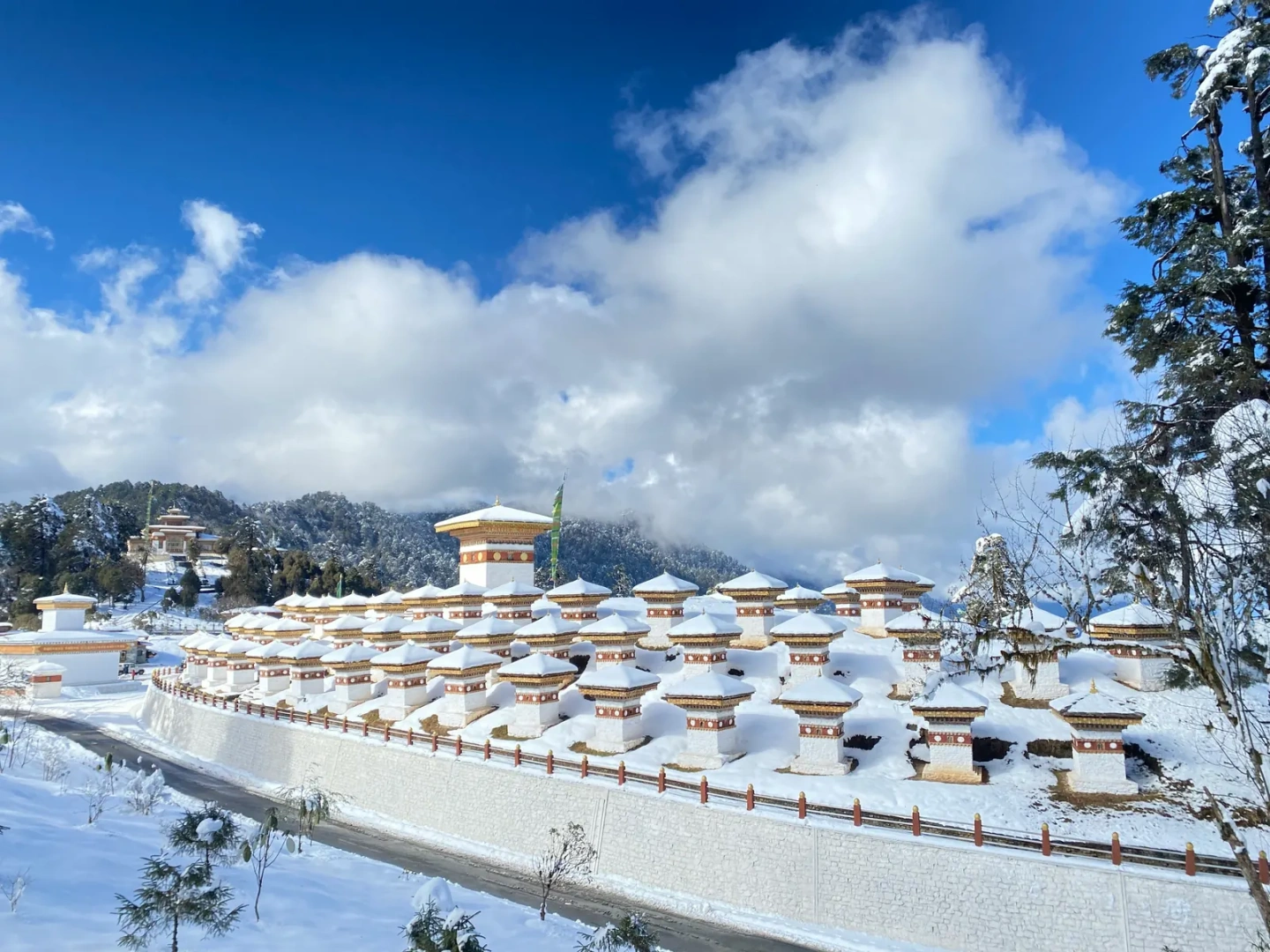
Beirut's climate is classically Mediterranean: long, humid summers and mild, rainy winters. Bhutan works almost the other way round. Its summer, from June to August, is the monsoon, bringing rain, cloud and the occasional flight disruption. Spring (March to May) and autumn (September to November) are the most popular seasons, with clearer skies and comfortable walking weather in the valleys. Winter (December to February) is cold but often crisp and clear, especially at altitude, so pack proper layers even if Beirut's winters feel mild to you.
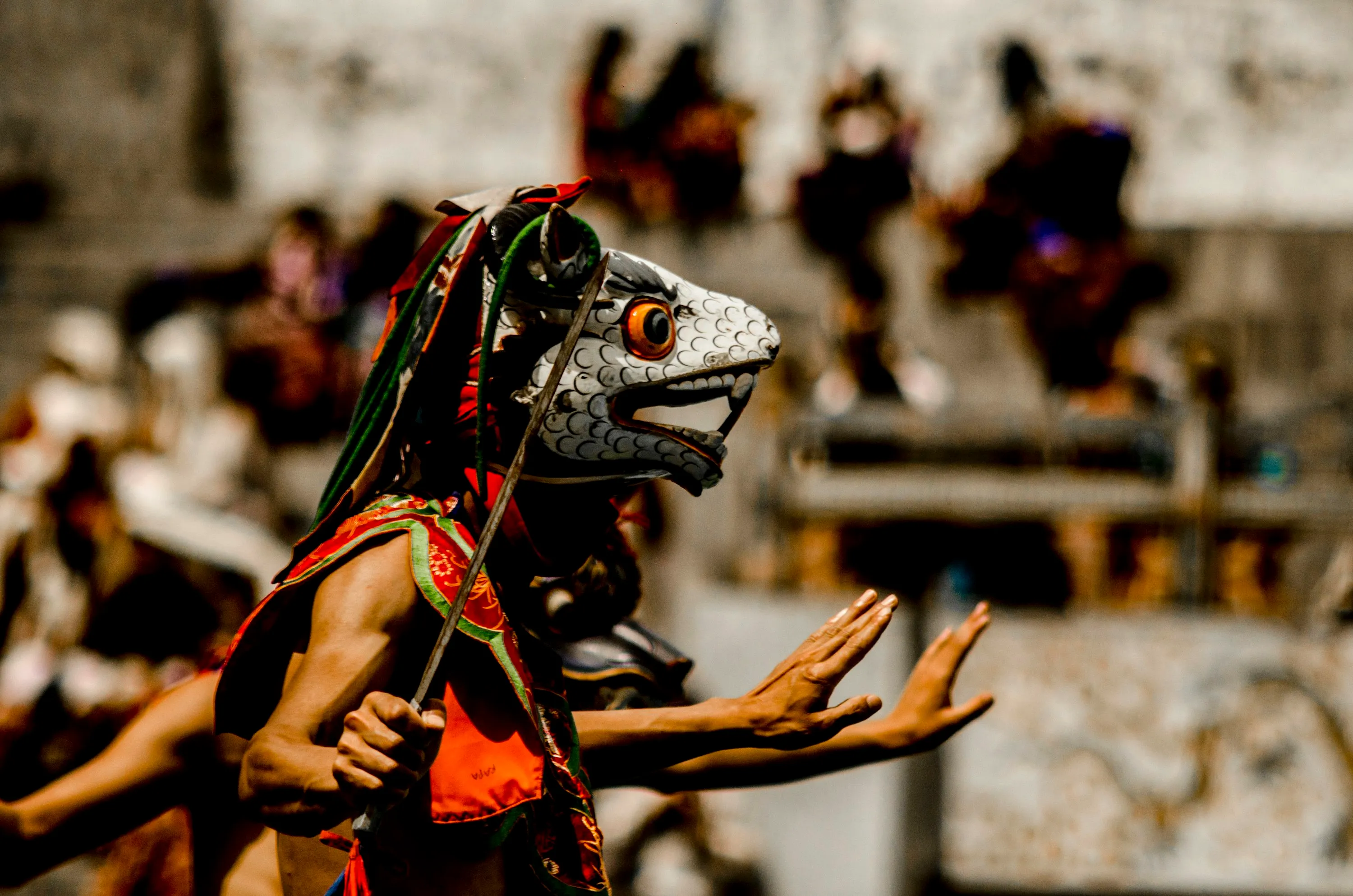
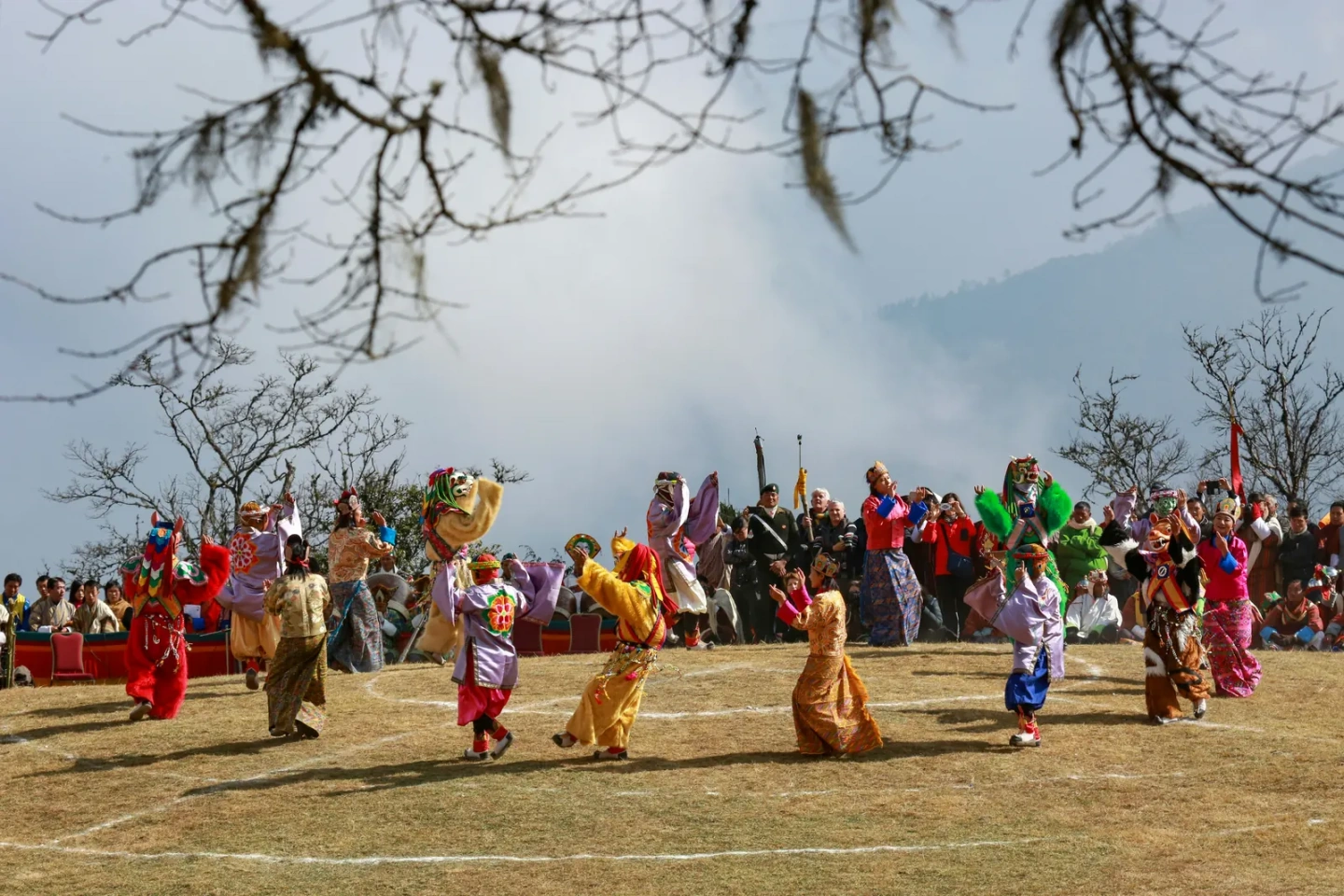
Festival lovers can aim for Paro Tshechu in spring or Thimphu Tshechu in autumn. Both follow the lunar calendar, so their dates shift each year and should be confirmed before you book flights.
Paperwork for Lebanese Passport Holders
Lebanese citizens need a Bhutan visa, applied for online in advance. In practice this is usually arranged through a licensed Bhutanese tour operator such as Manifest Bhutan Expeditions, which submits your passport details and itinerary on your behalf. Your passport should have at least six months' validity beyond your entry date.
Alongside the visa you will pay the Sustainable Development Fee, currently USD 100 per adult per night for most international visitors. Check the latest rates with the Department of Tourism before booking. Travel insurance covering your whole stay in Bhutan is also required, so arrange a policy that runs from your departure from Beirut until you are home again. If your route passes through India or Nepal, confirm separately whether you need a transit visa for that country.
Choosing a Trip Length from Lebanon
Given the time spent reaching Paro, a very short visit can feel rushed. These lengths tend to work well for Beirut travellers:
- 5–6 nights: Paro, Thimphu and Punakha, including the hike to Taktsang (Tiger's Nest).
- 8–9 nights: adds the Phobjikha Valley or a slower pace with more time in each town.
- 11–14 nights: reaches central Bhutan, such as Bumthang, or includes a short trek.
Remember to add at least one buffer day for the return flight from Paro.
Beirut Travellers Ask
Can I fly from Beirut to Paro on a single ticket?
Occasionally a combined booking is possible, but most travellers hold a long-haul ticket to Delhi, Bangkok or Kathmandu and a separate Drukair or Bhutan Airlines ticket for the last leg.
Which Gulf hub is better, Doha or Dubai?
Both are mentioned in our Lebanon guide. Choose the one whose onward connection to your gateway city leaves the most comfortable layover, and check current schedules for each.
Do I pay the SDF in US dollars?
Yes, for Lebanese visitors the fee is set in US dollars and is normally included in the trip payment made through your tour operator before the visa is issued.
Ready to plan the whole trip, including itineraries and costs? Read our full guide, How to Travel to Bhutan from Lebanon, and get in touch when you are ready to shape your route from Beirut.