


Few African capitals are as well placed for a trip to Bhutan as Addis Ababa. Addis Ababa Bole International Airport (ADD), close to the city centre, is the home hub of Ethiopian Airlines, which our Ethiopia guide describes as offering daily flights to Delhi. From Delhi, Bhutan's carriers complete the journey to Paro. This guide covers that route, an alternative via Bangkok, a sample itinerary, the time change and the documents Ethiopian travellers need.
Flying Out of Bole: Ethiopian Airlines Towards Asia
One advantage of starting in Addis Ababa is that you can often begin on a nonstop long-haul flight. According to our Ethiopia guide, Ethiopian Airlines flies from Bole to Delhi in about seven hours, and to Bangkok in around ten hours with a stop. Either city puts you within reach of Paro. Kathmandu is also an option, reached in the guide's example via Delhi.
Because Bole is a large hub, check in early and keep an eye on which terminal your flight uses. Carry printed copies of your Bhutan visa approval.
Delhi, Bangkok or Kathmandu? Choosing Your Link
- Delhi: the most direct option from Addis Ababa. Drukair often departs for Paro in the morning, according to our guide, and the flight takes two to three hours.
- Bangkok: longer to reach, but appealing if you want a stopover in Thailand.
- Kathmandu: pairs well with a Nepal itinerary.
Only Drukair (Royal Bhutan Airlines) and Bhutan Airlines fly into Bhutan, typically with one or two flights a day from these gateways, varying by season. Check current schedules and ask your tour operator to align bookings with your visa.
Bole to Paro: A Sample Two-Day Journey
As an example, and not a fixed plan, a journey from Addis Ababa might look like this:
- Day 1, evening: Ethiopian Airlines from Bole to Delhi.
- Day 2, early morning: arrive in Delhi and rest at an airport hotel, or connect if the timing allows.
- Day 2 or 3, morning: Drukair or Bhutan Airlines to Paro, where your guide meets you.
Our Ethiopia guide suggests the total journey can exceed 15 to 20 hours including layovers. An overnight stop in Delhi costs a little extra but absorbs any weather delay at Paro.
Addis Ababa Time and Bhutan Time
Ethiopia keeps East Africa Time, UTC+3, all year with no daylight saving. Bhutan is on UTC+6, also without seasonal changes. So Bhutan is always three hours ahead of Addis Ababa. Note that many Ethiopians also use the traditional Ethiopian clock in daily life; flight times, however, are always quoted in standard international time.
Highland City, Himalayan Kingdom: Comparing Seasons
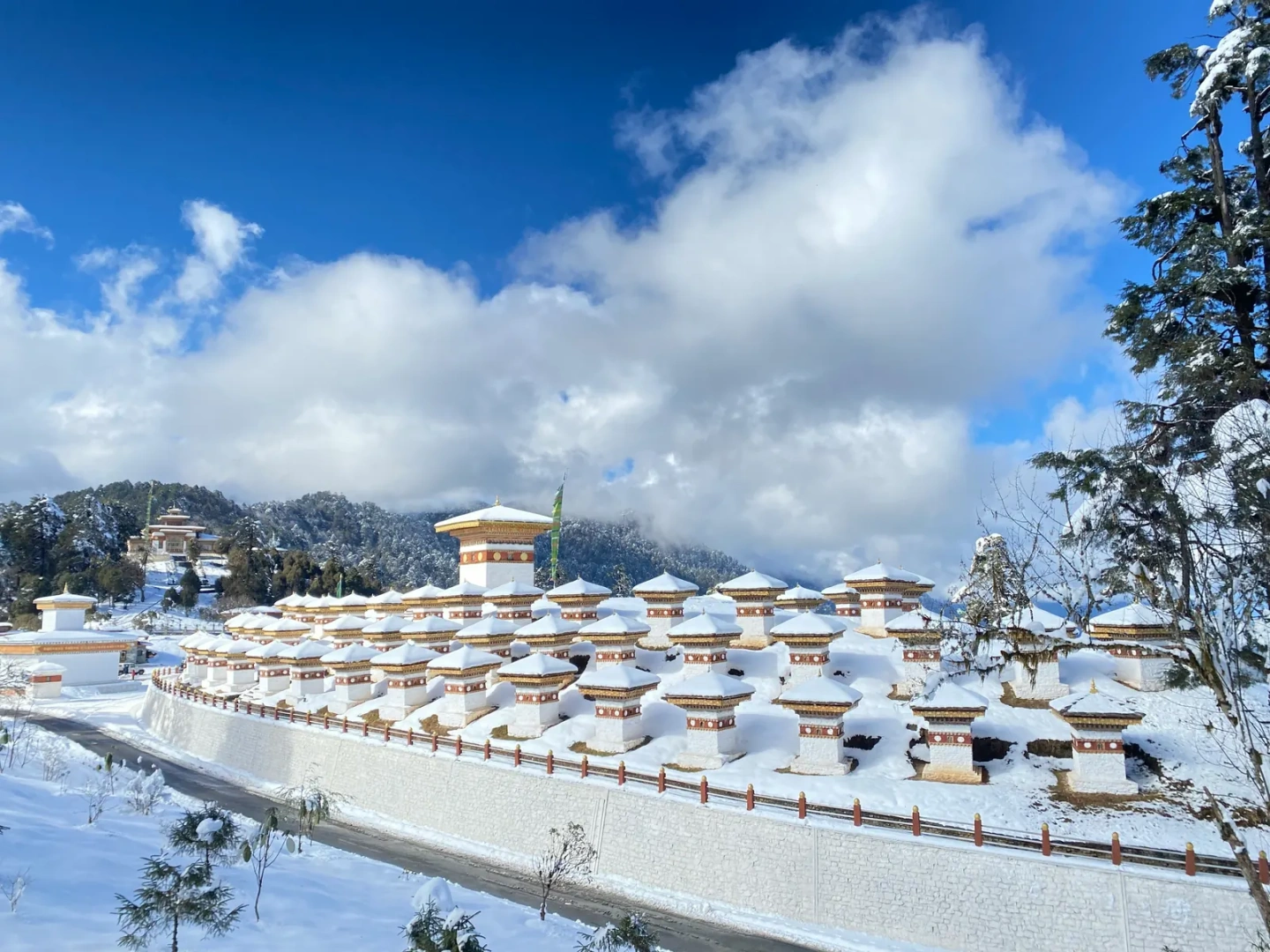
Addis Ababa sits high on the Ethiopian plateau, so its temperatures are mild all year, with a main rainy season in the middle of the year. Bhutan's calendar has some parallels. Its summer, June to August, is the monsoon, much like Addis Ababa's own wet months, so you may prefer to avoid it. Spring (March to May) and autumn (September to November) are the most popular seasons, with clearer skies. Winter (December to February) is cold but clear, especially at altitude, and noticeably colder than an Addis Ababa winter.
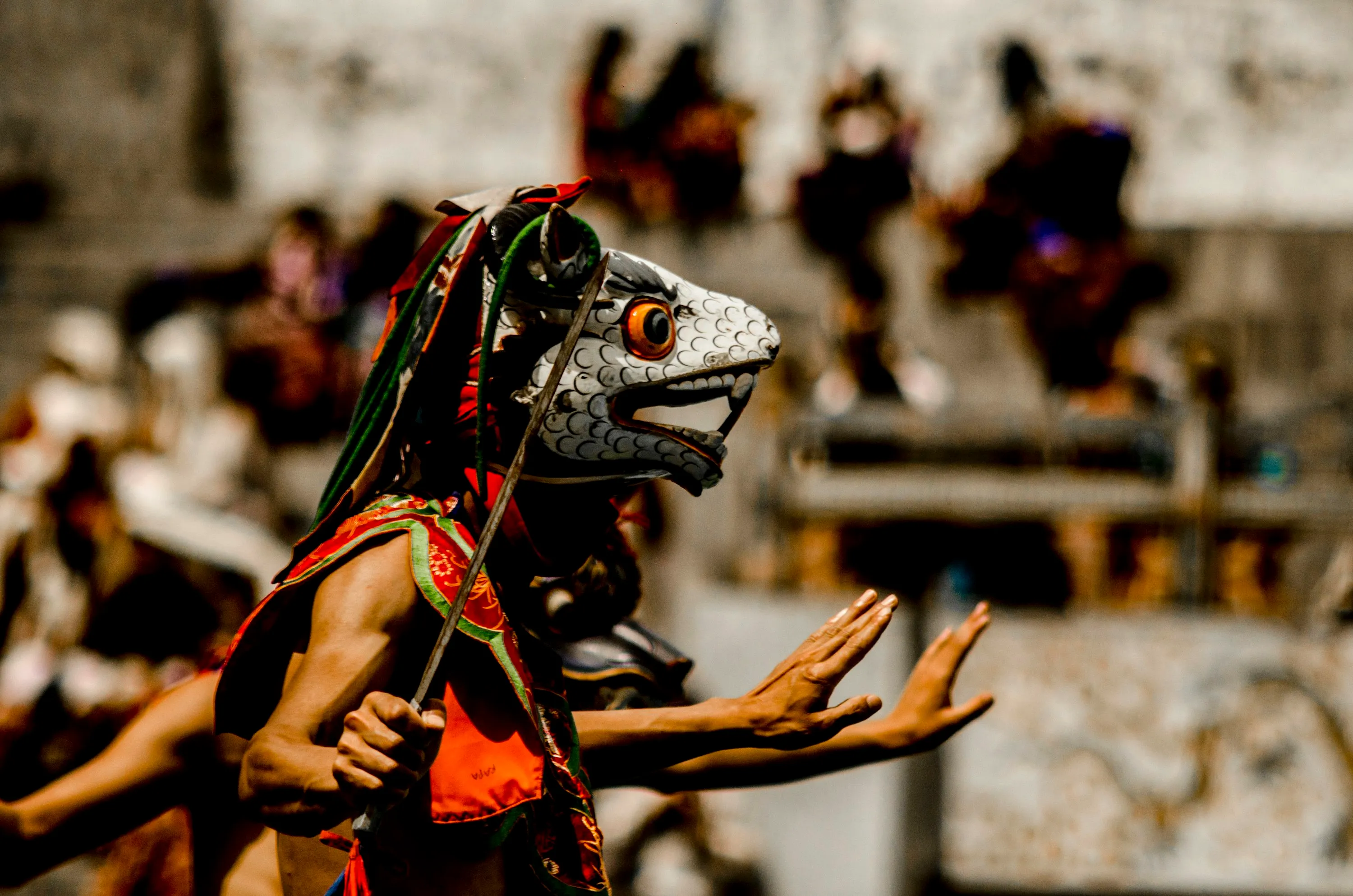
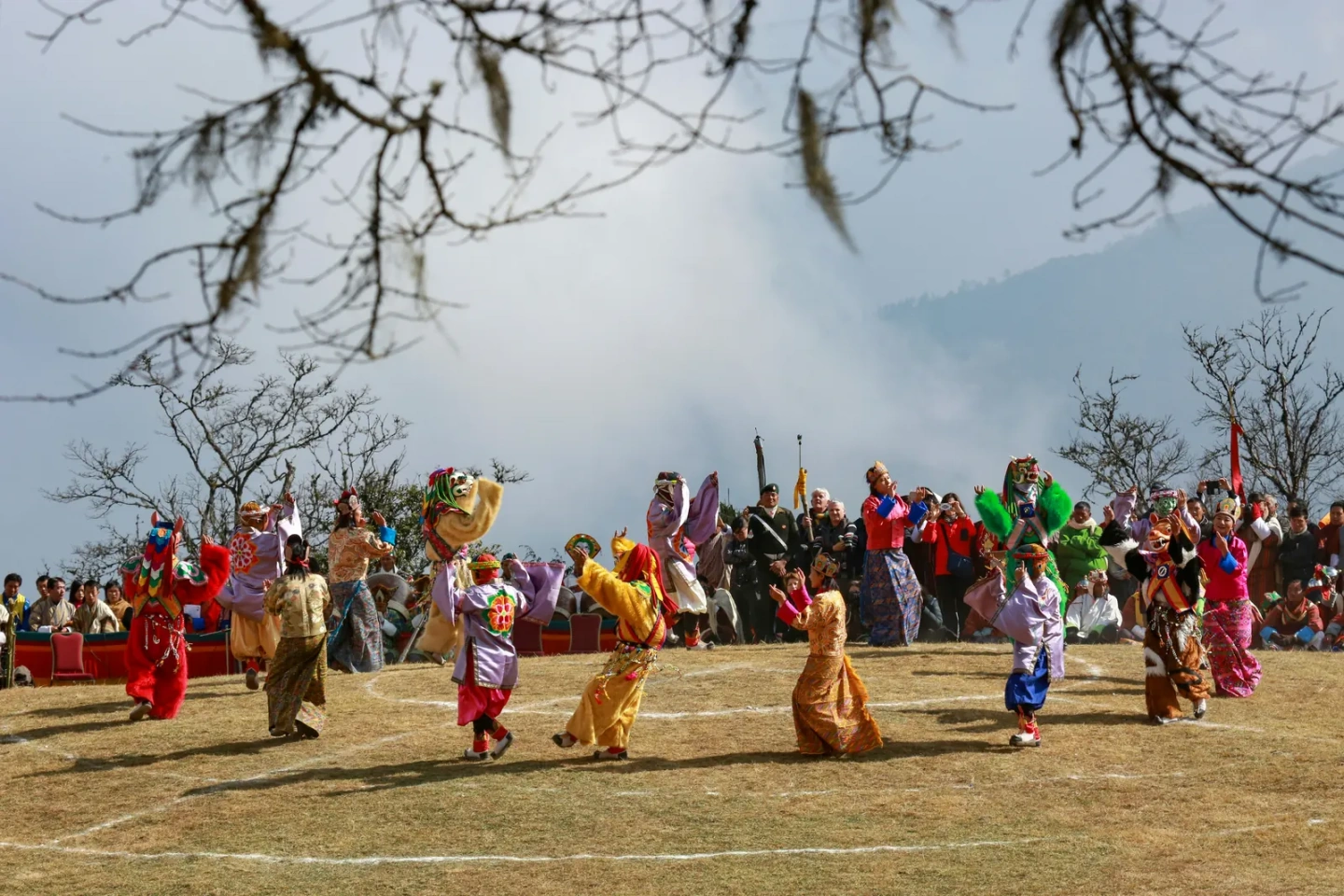
Paro Tshechu in spring and Thimphu Tshechu in autumn are highlights; their dates follow the lunar calendar and shift each year.
Visa, SDF and Insurance for Ethiopian Citizens
Ethiopian passport holders need a Bhutan visa, applied for online ahead of travel. The process is usually arranged through a licensed Bhutanese tour operator, who files your passport details and itinerary.
Most international visitors pay a Sustainable Development Fee of USD 100 per adult per night at present. Check the latest rates with the Department of Tourism before booking. Travel insurance covering your entire stay is required. Our Ethiopia guide also recommends a policy that covers flight disruptions, which is sensible given Paro's weather. If connecting in India, check whether you need a transit visa.
The timing of the paperwork matters as much as the paperwork itself. Because Paro seats are limited, your operator will usually want to confirm the Bhutan dates and the Drukair or Bhutan Airlines booking before the visa is filed. Once that is done, you can book Ethiopian Airlines to Delhi or Bangkok with confidence. Keep the visa approval letter with your passport, as airline staff in Delhi will ask to see it before issuing your boarding pass for Paro.
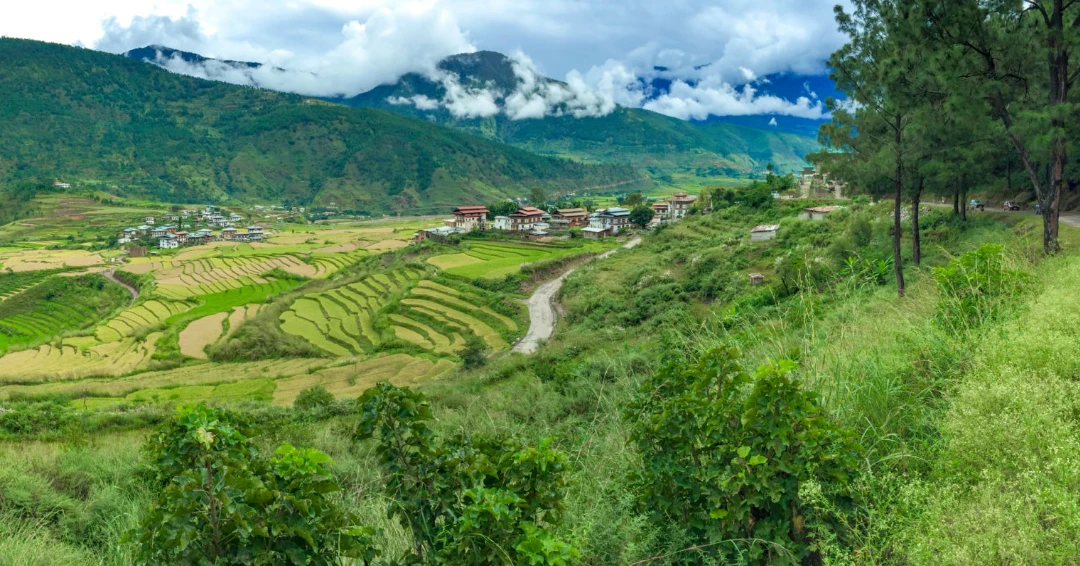
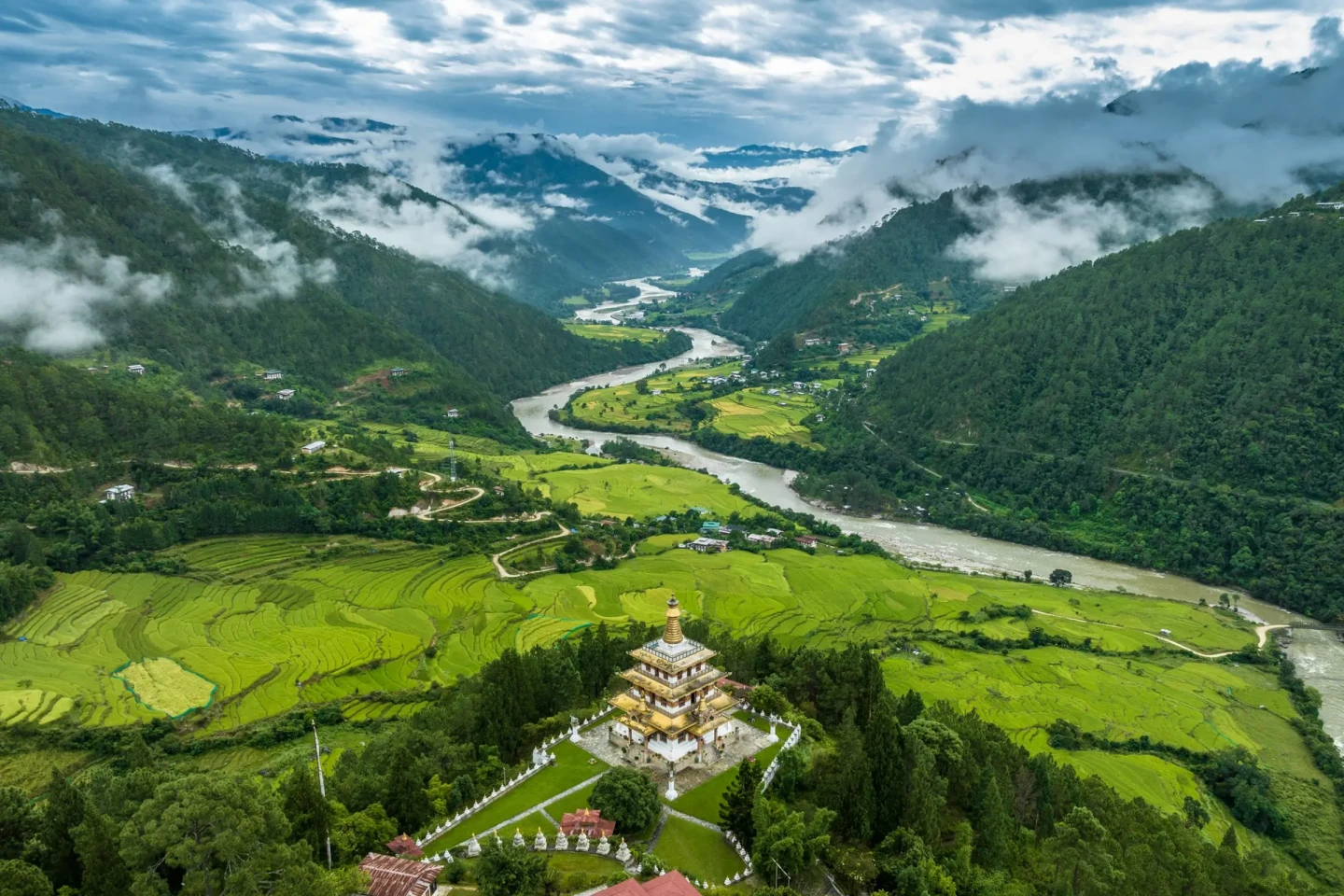
Bhutan's currency is the ngultrum, pegged one-to-one with the Indian rupee. ATMs are found mainly in towns, so carry a reasonable amount of cash for small purchases and tips. Pack warm layers, comfortable walking shoes and a light rain jacket whatever the season; mornings in Paro can be cool even when afternoons are sunny. On arrival, your guide will meet you outside the terminal, and the drive into Paro town or on to Thimphu gives you a first look at the valley's farmhouses and rice terraces.
How Many Days to Spend in Bhutan
- Five nights: a compact Paro, Thimphu and Punakha circuit.
- Eight nights: adds Phobjikha and slower days for walking.
- Twelve nights: continues east to Bumthang.
A spare day at the end is always useful in case the return flight from Paro is delayed.
Common Questions from Addis Ababa
Is there a direct flight from Addis Ababa to Paro?
No. You fly to a gateway such as Delhi first, then connect with Drukair or Bhutan Airlines.
How long is the Bole–Delhi flight?
Our Ethiopia guide gives about seven hours on Ethiopian Airlines. Check current schedules for exact timings.
Will altitude affect me coming from Addis Ababa?
Addis Ababa is already at high elevation, so many residents find Bhutan's valleys comfortable, though higher passes still deserve a gentle pace.
For full itineraries and further planning advice, read How to Travel to Bhutan from Ethiopia.